This study evaluated the impacts of the Summer 2025 audiovisual (AV) equipment upgrades across eleven classrooms at the University of California, Los Angeles (UCLA), balancing quantitative energy performance with qualitative…
Urban development is widely recognized as a major driver of biodiversity loss, altering both habitat availability and species distributions across landscapes. Although biodiversity research at UCLA has improved in recent…
Hospitals and research facilities generate some of the most complex waste streams of any institution. In the U.S. alone, academic medical centers can produce millions of pounds annually, posing significant…
Food waste is one of the key sustainability issues in large-scale healthcare environments. Dining services must meet multiple demands for patient nutritional needs, dietary limitations, sanitation requirements, and operational effectiveness.…
Previous research has established the importance of communicating effectively to change behavior regarding sustainability. In particular, a lack of knowledge can prevent individuals from engaging in further sustainable behavior. This…
UCLA’s Anderson School of Management hosts a large number of events each year, many of which feature food and beverages. According to the Executive Director of Building Services, Alexa Danes,…
Hospitals are incredibly energy-intensive and generate enormous amounts of waste. Thus, addressing inefficiencies in their product procurement is critical. Implementing sustainable products can help hospitals balance cost, sustainability, whilst still…
SAR's Apartment Energy Tracking team partnered with UCLA Housing to audit the Boulevard Apartments and uncover ways to cut energy use and advance campus sustainability goals.
In response to the growing concerns over energy consumption and electronic waste at UCLA, our team investigated how sustainable audiovisual (AV) practices could support UCLA’s campus-wide environmental goals. Through the…
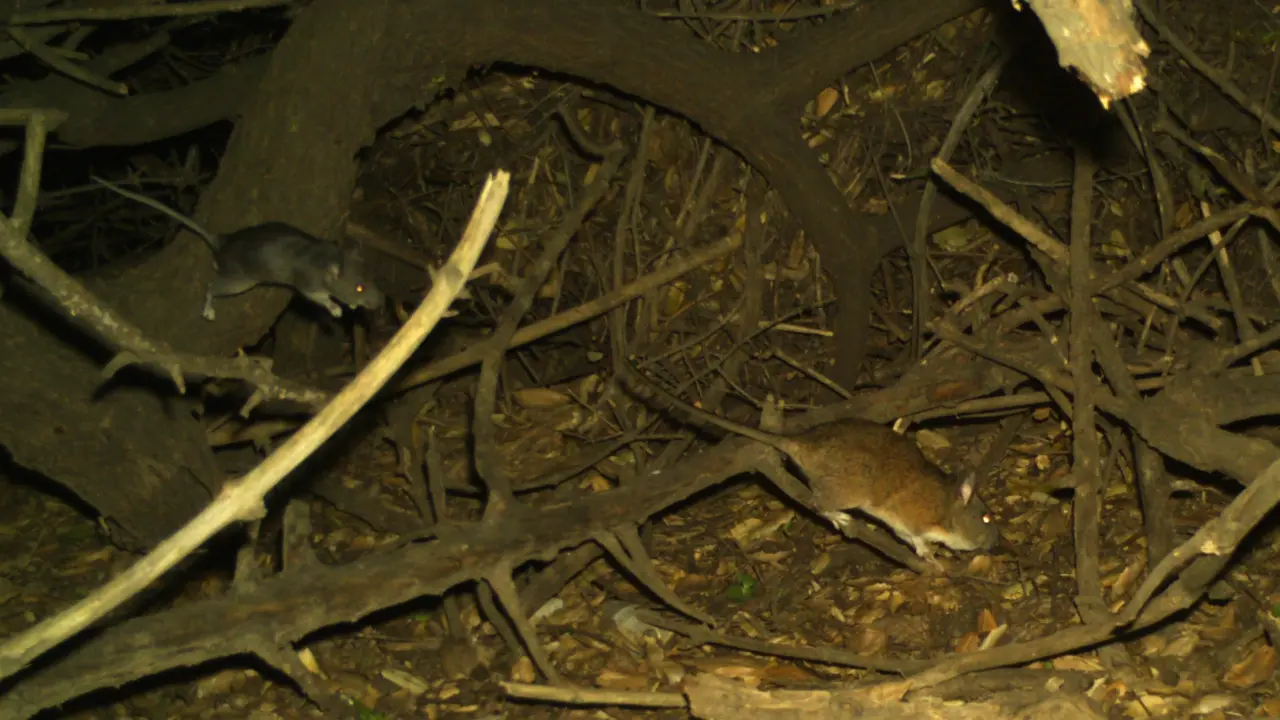
The big-eared woodrat (Neotoma macrotis) is a nocturnal rodent speciesnative to southern California. Closely related to the dusky-footed woodrat, thisspecies constructs large, elaborate middens, or nests, with dry vegetation, whichserve…
Pest management is a complex challenge that requires a balance between effectiveness,environmental impact, and public health considerations. Integrated Pest Management (IPM) is asustainable approach that prioritizes prevention, monitoring, and the…
UCLA currently lacks a standardized procedure for managing surplus durable goods, resulting in avoidable waste, budget inefficiencies, and missed opportunities for community support. Many universities have effectively addressed this issue by…