
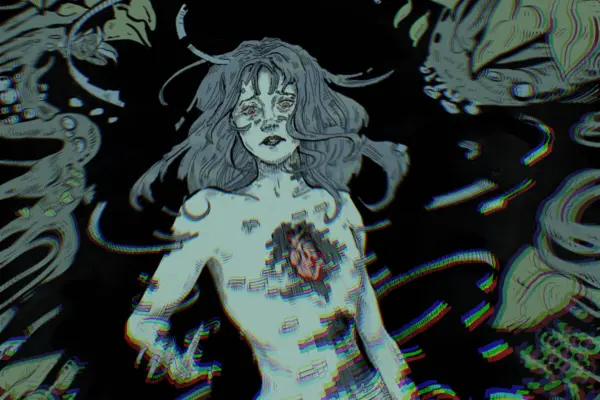
LENS Journal, Volume 1: Fall 2026
The inaugural issue of LENS: The Journal of Environmental Narratives, a creative academic journal produced by UCLA undergraduates: personal narratives, essays, fiction, poetry and art about the many environments we live in.
A Note from the Editor
Whether you are holding the crisp paper edges of our journal in your hands or scrolling through its pixelated pages online, I would like to offer you a warm welcome to the inaugural issue of LENS: The Journal of Environmental Narratives.
Around eight months ago, UCLA professors Jon Christensen and Ursula K. Heise approached me with the concept of creating a multidisciplinary undergraduate journal about environmental narratives, which would operate under the auspices of the Laboratory for Environmental Narrative Strategies (LENS). It would be the first of its kind at our university. Suffice it to say, their idea garnered my immediate support and enthusiasm.
The prospect of providing undergraduates across North and South campus with an academic venue in which to display their ecocentric works was thrilling; the actualization of 65 pages teeming with ecosystems of human and other-than-human assemblages, Indigenous stewardships and labors, and varied cultural resonances to wastes and oceans has proved to be even more so.
Through our first issue, we hope to offer a concrete recognition and appreciation of them. I am filled with gratitude and humility to present you with our featured pieces. They offer vignettes into subjective, interconnective, material, and affective histories and experiences across human and other-than-human environments.
— Julia Awad, Editor-in-Chief
The full note, the masthead and contributor biographies are in the PDF of the issue.
In This Issue
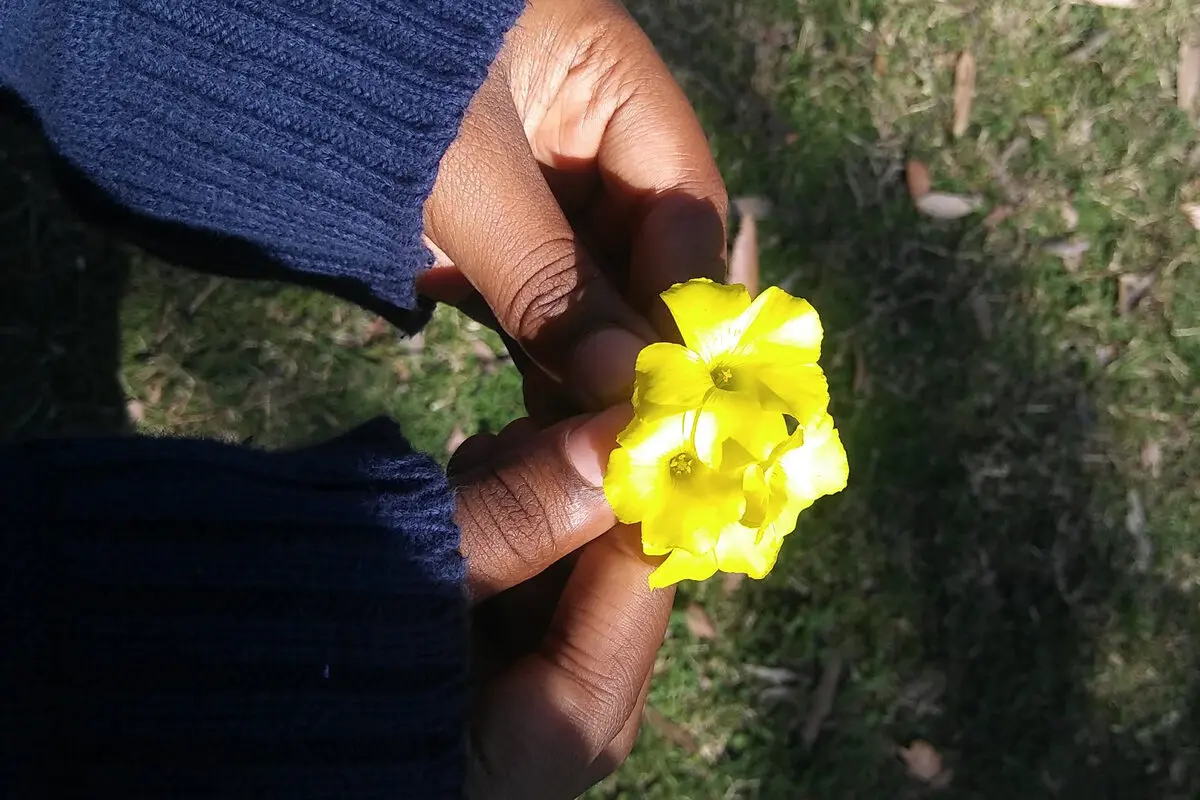
My Park: A Home Away from Home
In the form of a personal narrative, Muaathah Abdullah offers readers the intimately social and familial dimensions of green spaces that provide a sense of belonging against life’s turmoils.
The Divine Right of Waste? And Food Recovery as a Practice of Care
Victoria Tong’s community-building work with UCLA’s Bruin Dine gives us a glimpse into the intersectionalities between food waste, climate justice, wealth inequity, and solidarity.
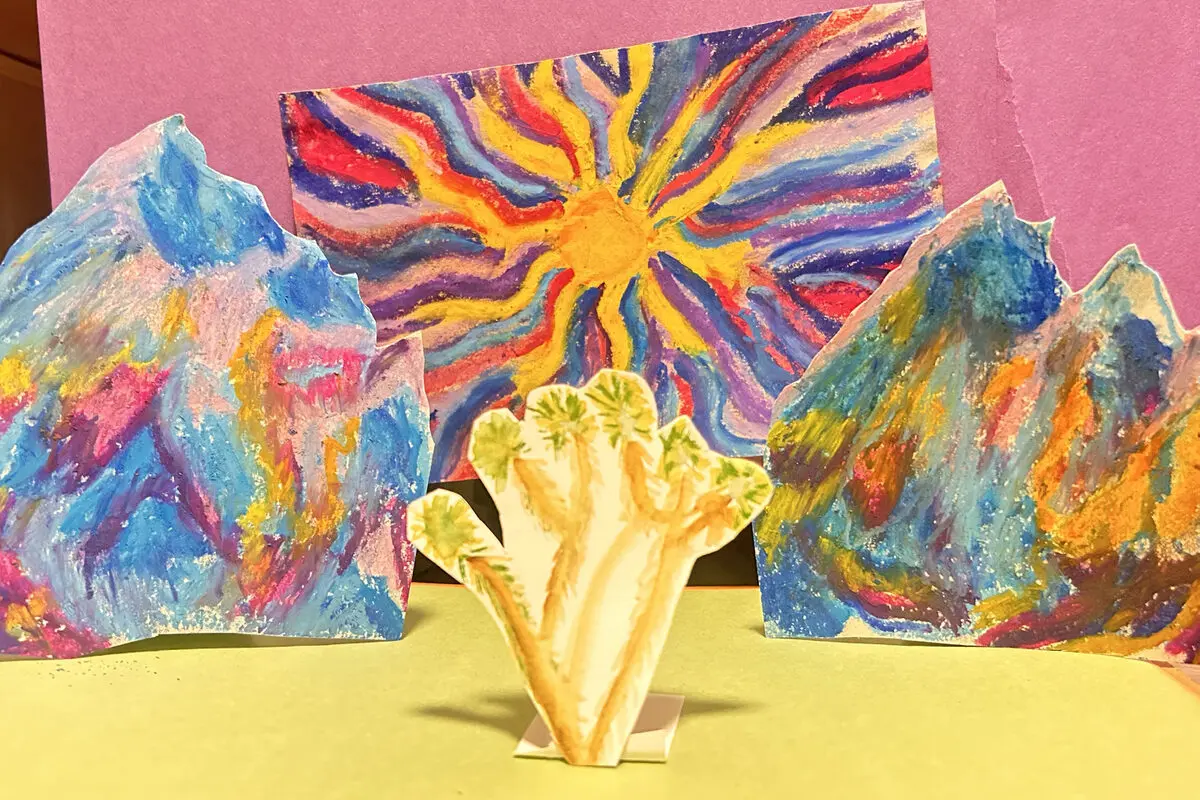
Humwichawa at Dusk
In ode to desert landscapes, Marianna Rebollar composes a poem about Indigenous relationships with the environment as well as her own fond memories of growing up near Humwichawa.
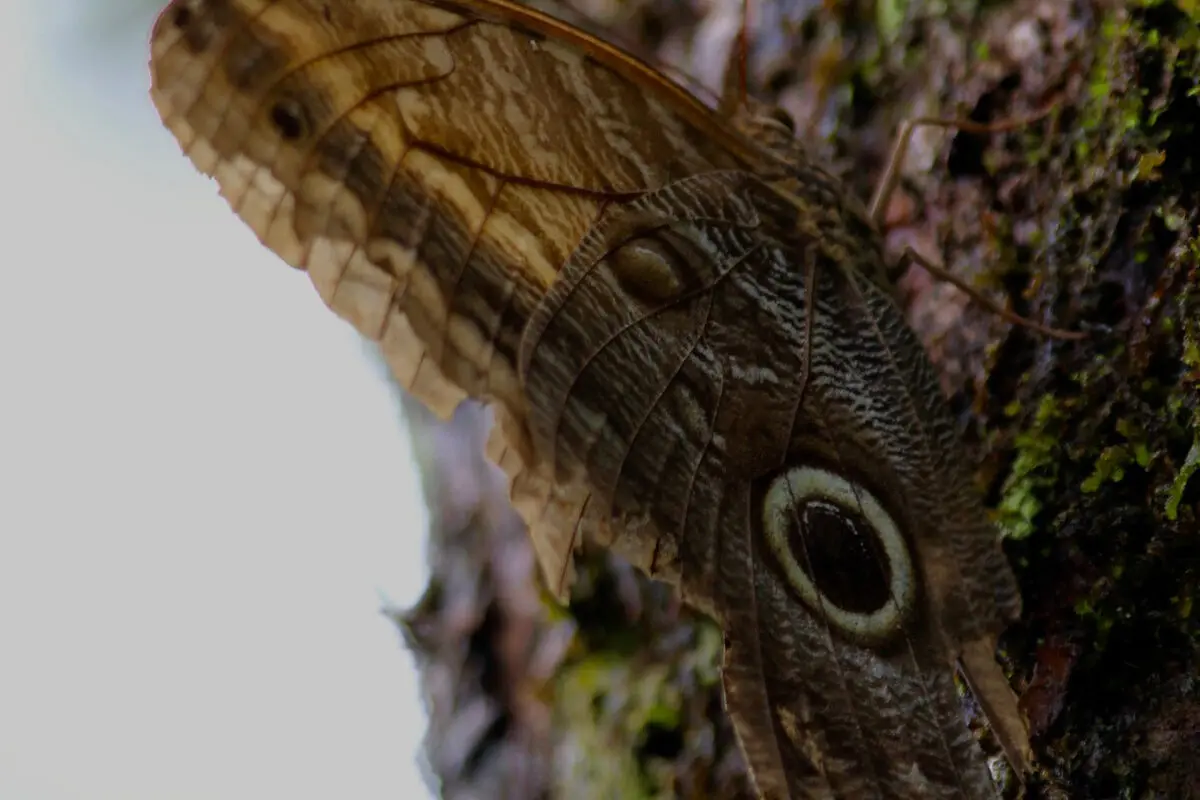
An Excerpt from “Rooted”
In the form of a philosophical fable, Abigail Rui-En Hsu imagines the life of an ancient tree whose reflections on memory, grief, and endurance reveal a more compassionate way of understanding humanity’s relationship with the natural world.
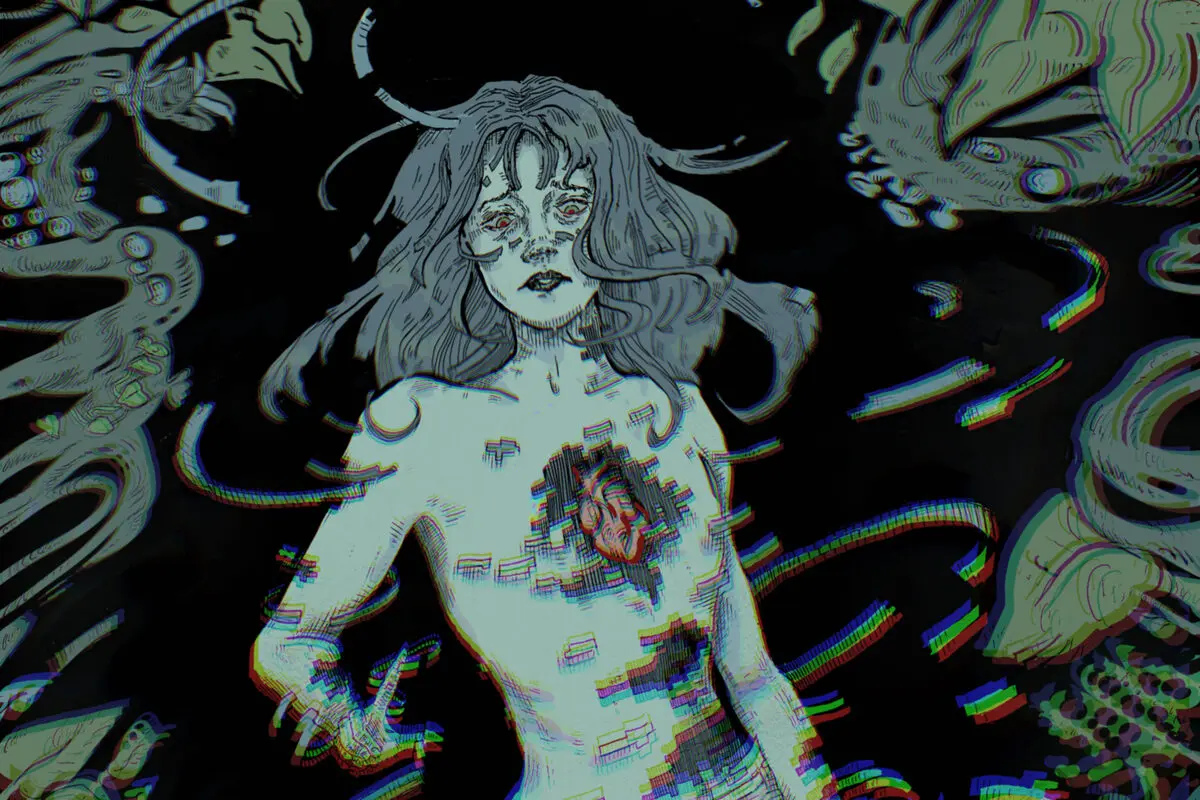
She Feels It All
Against the unprecedented rise of artificial intelligence, Joy Sugihara artistically renders Mother Nature in an unraveling form, urging for a recognition of the interconnectedness between technological expansion and environmental decay.
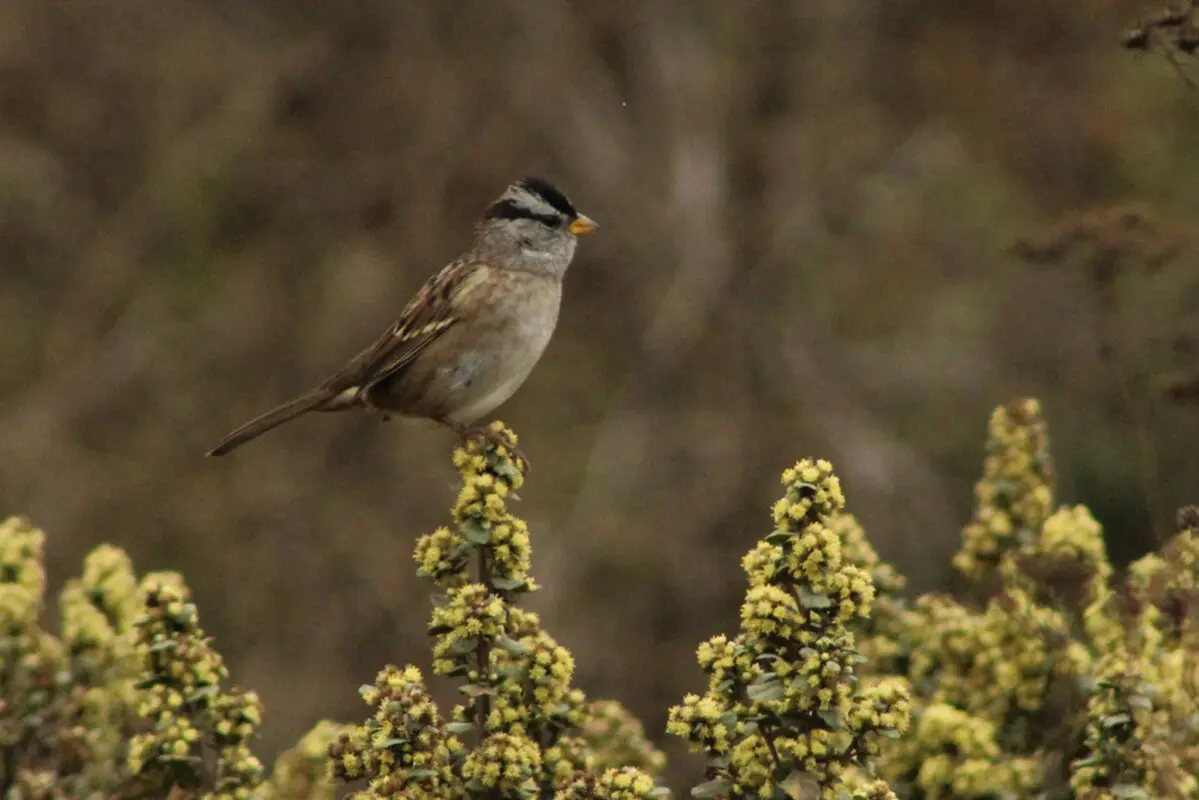
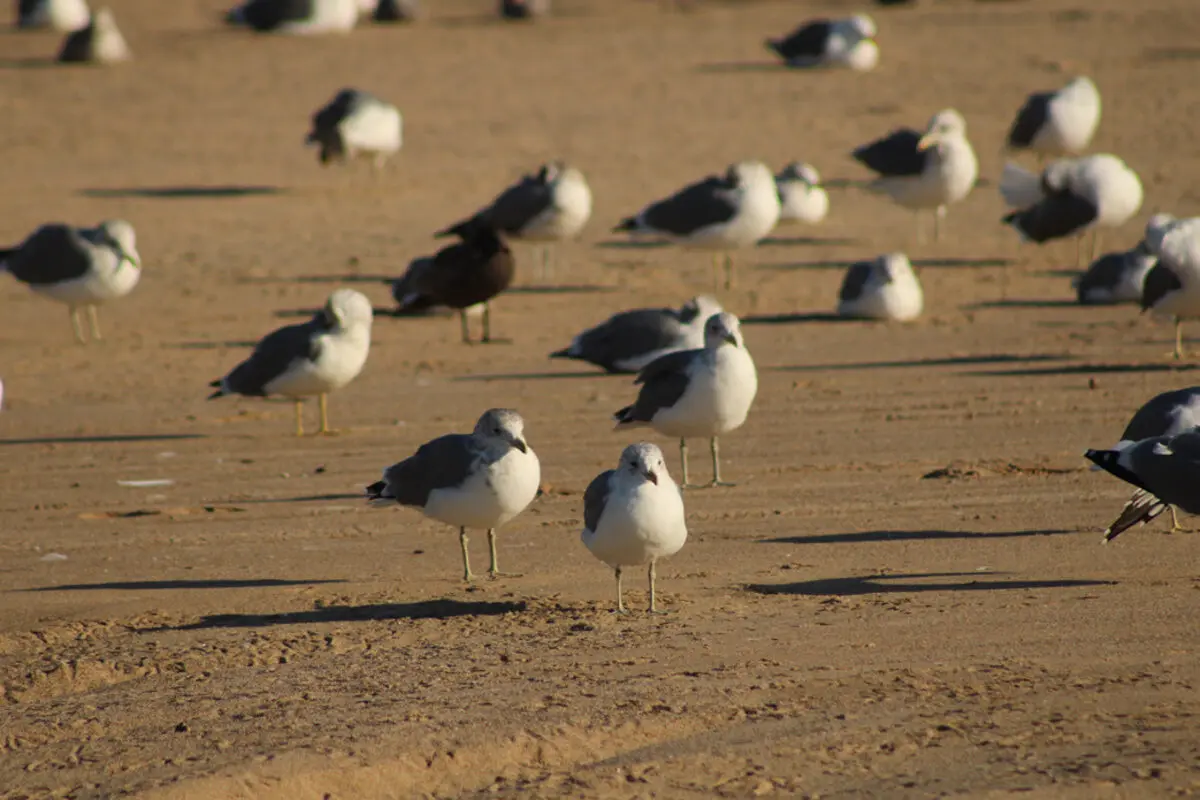
Reflections on a Series of Campus Bird Surveys
Ava Philson brings readers into her fieldwork reflections that span from tracking bird movement and behaviors to pondering the fraught human-animal relationship.
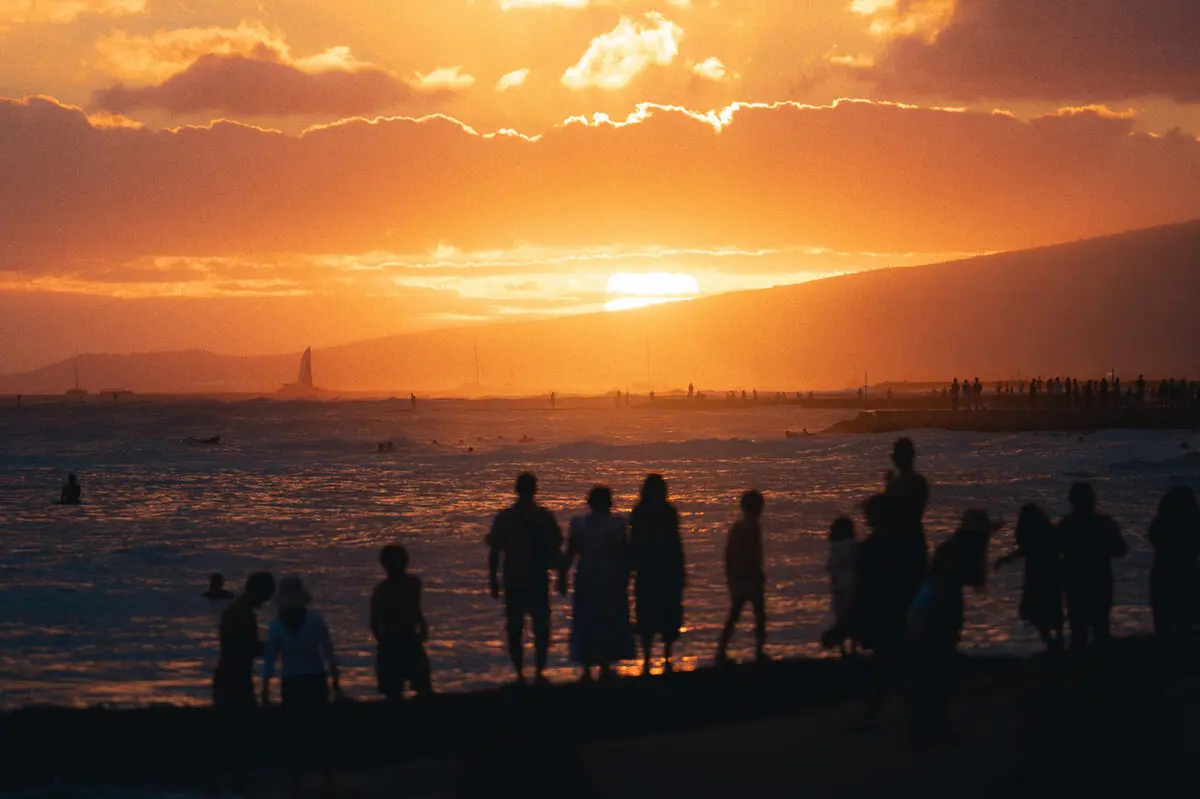
Moving Away From Stillness
Through a series of human-nature and human-technology vignettes, Kylie Bach provokes her audience to consider their individual relationships to the environment, the sonic comfort of silence, and nature’s temporal rhythms.
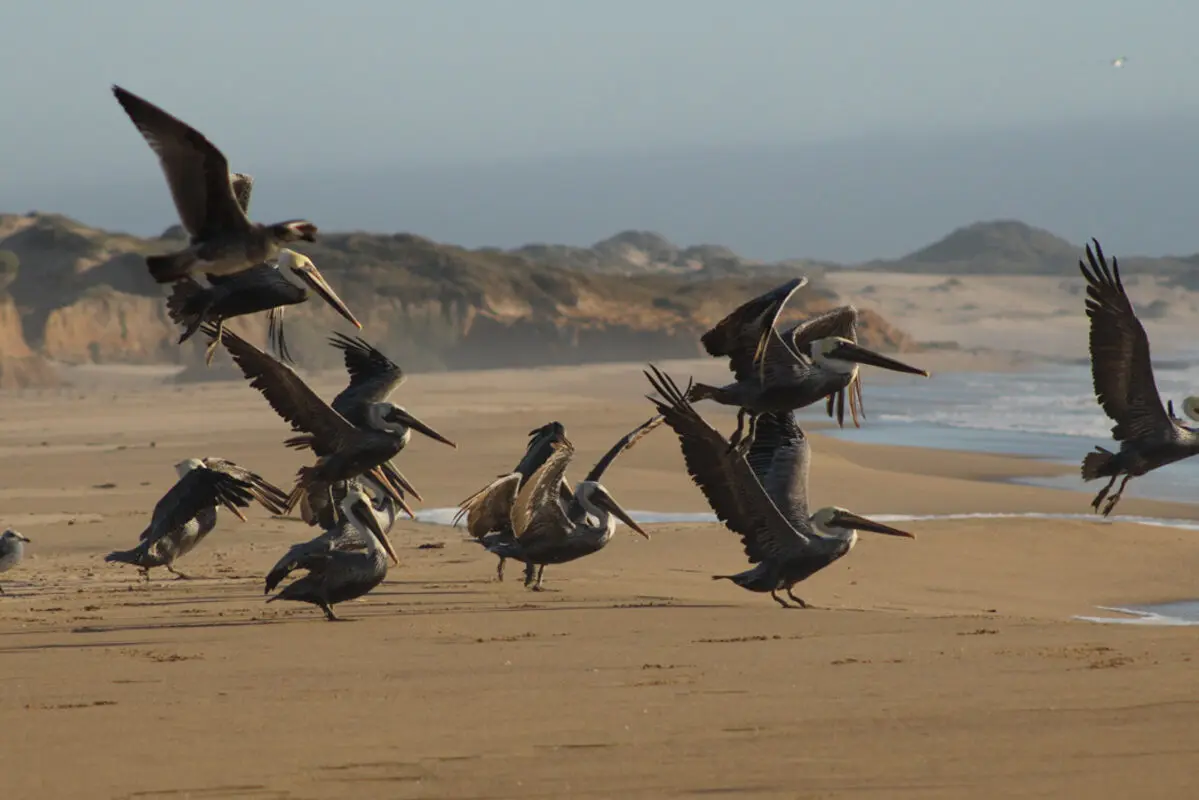
One Man’s Trash is Another Man’s Treasure
Examining two novels that were written three centuries apart, Alyssa Wong approaches varying perceptions of waste in the context of maritime exploration and destruction, colonial dynamics, and psychological states.
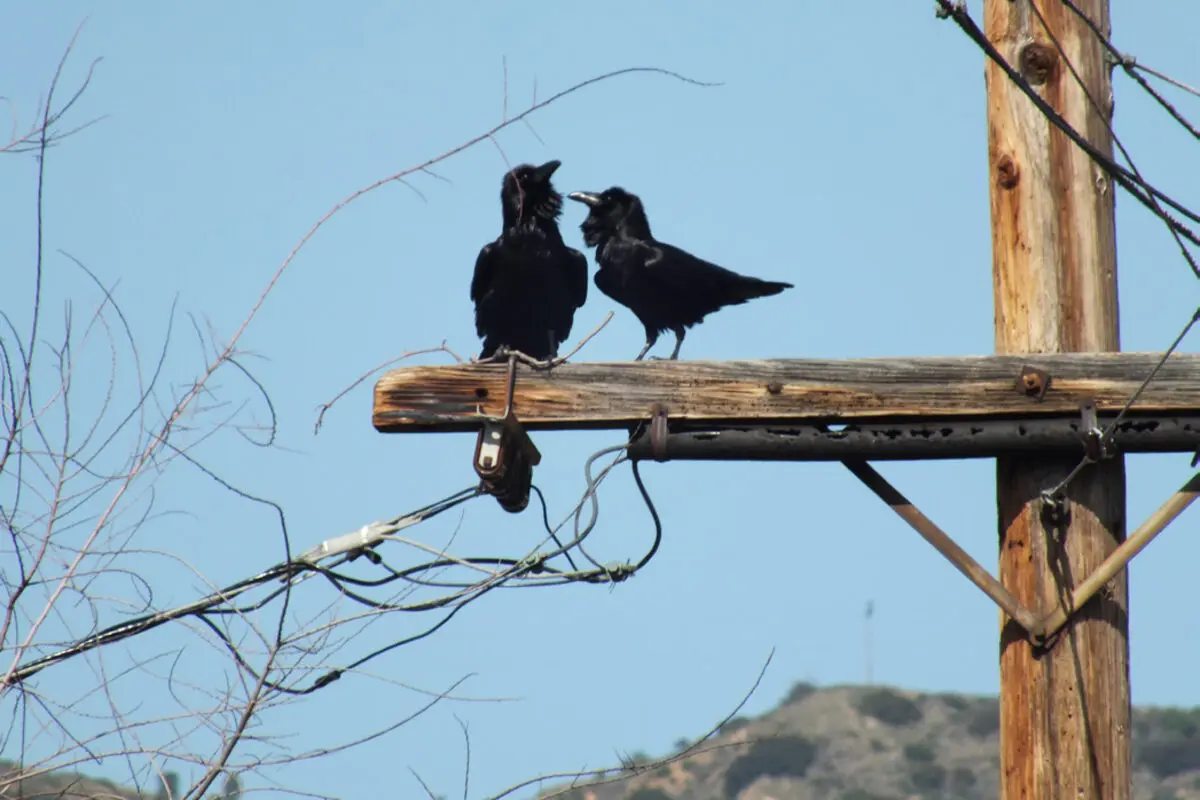
Looking Backwards
Louise Goldman presents us with a poem of tense urban-nature conflicts: human-centered infrastructure and exploration at the expense of the environment.
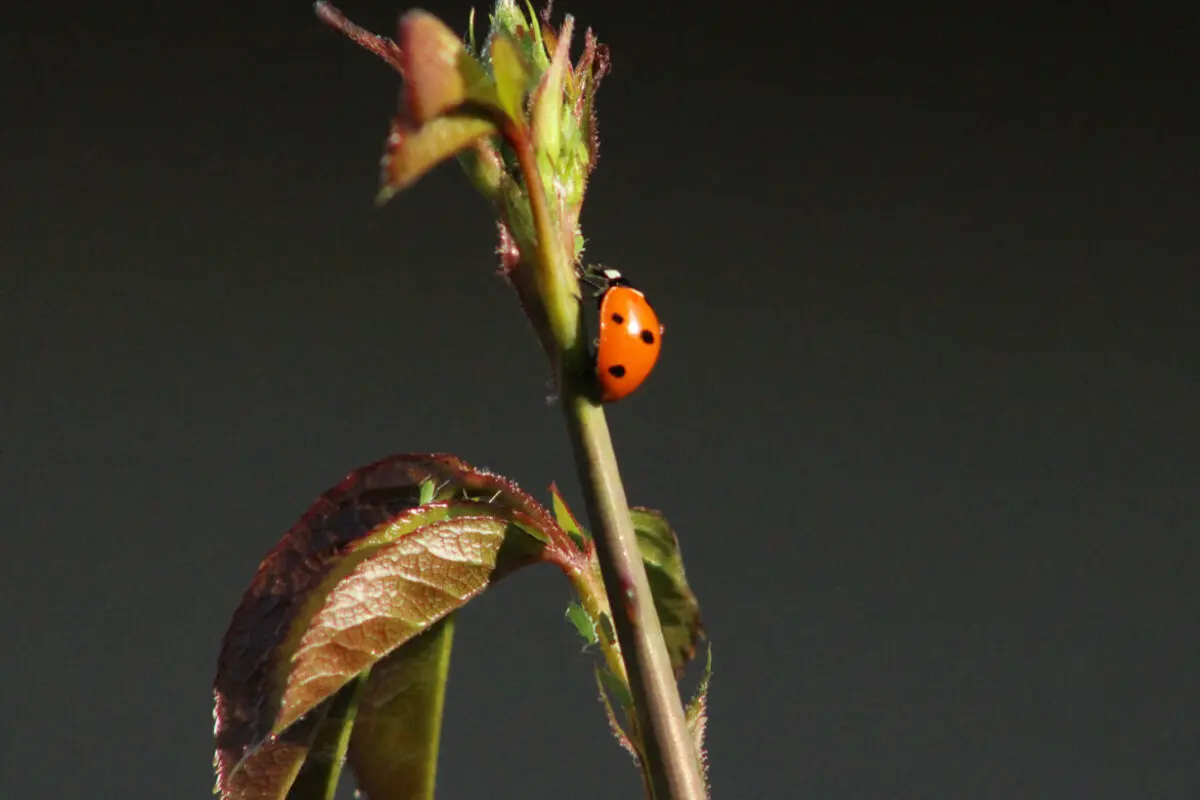
Echoes of Home
With her neem tree as the locus of her story, Priya Grewal dives into a personal narrative of intergenerational care as well as self-discovery and belonging within the natural world.
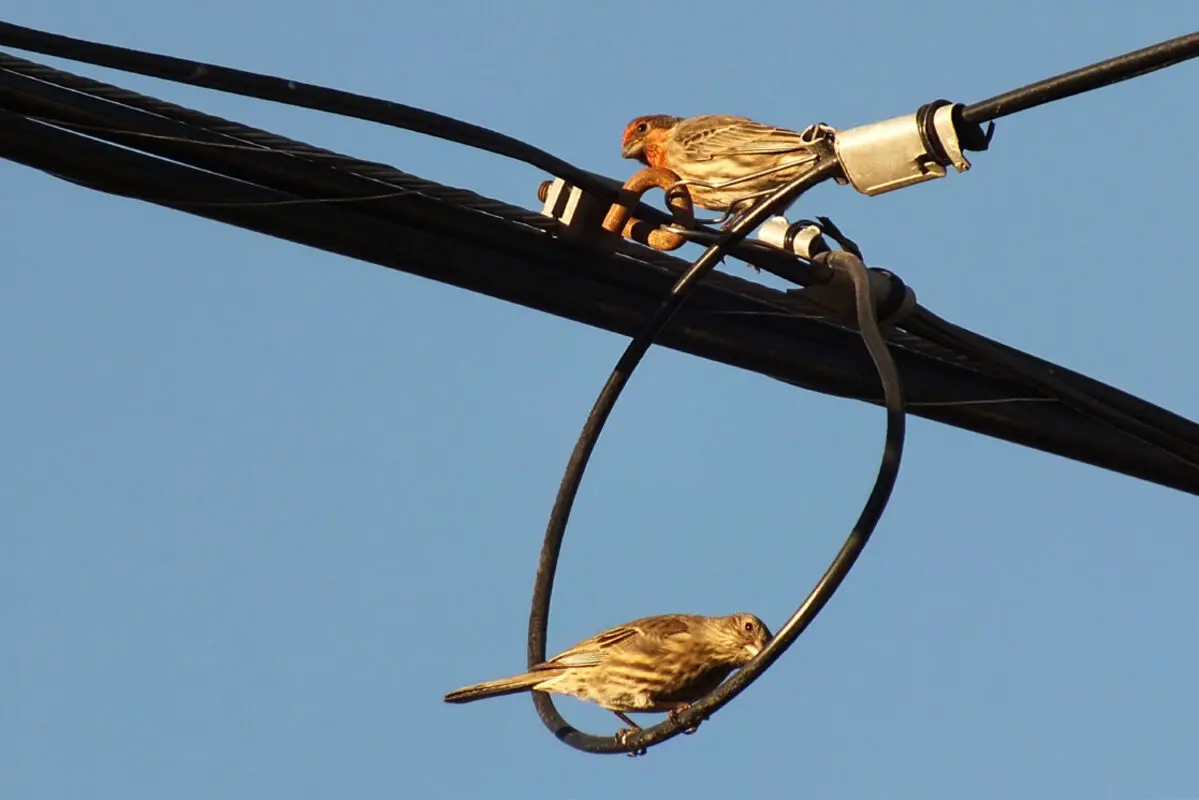
My Creature
From the point of view of a Dark-eyed Junco, Kiara Velez writes a short story about human-animal (dis)connection, scientific experimentation, and environmental disaster.
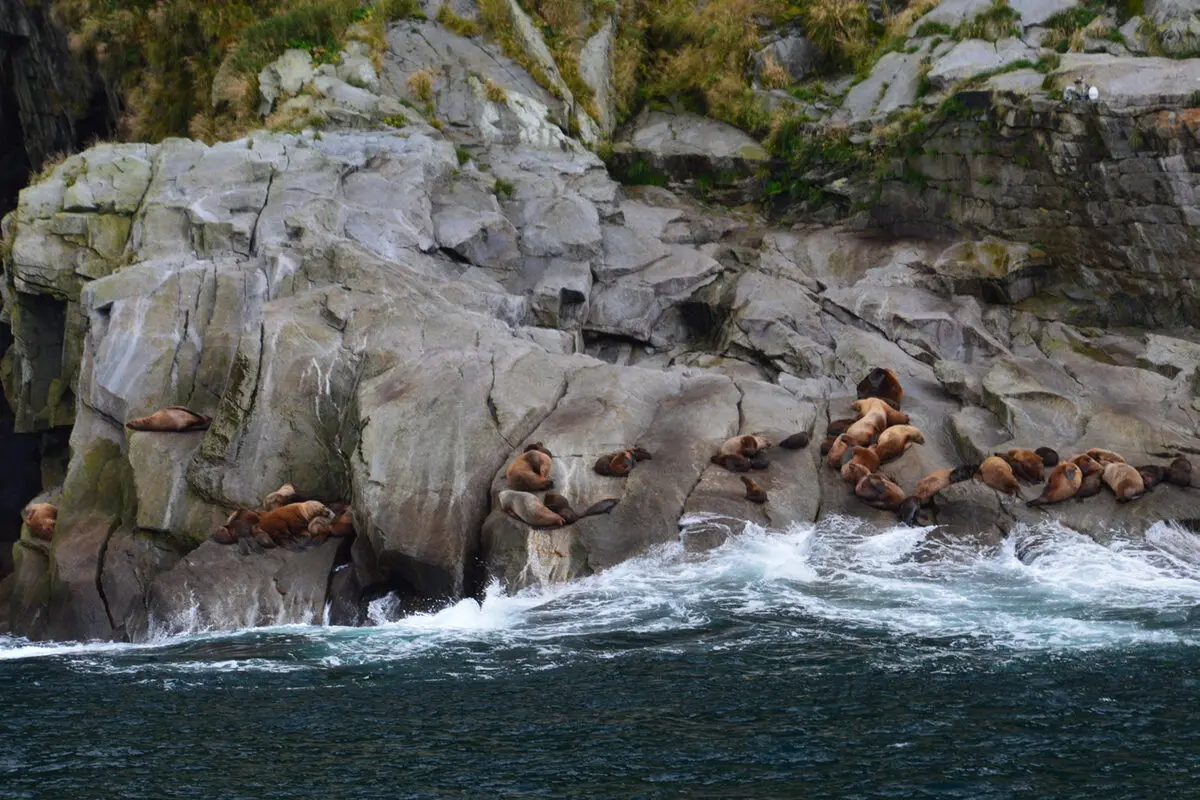
The Ecological Labor of Sustainability
Prompting us to think beyond Western capitalist markets, Caitlyn Chang illuminates the often undervalued ecological labor of women in the Global South.
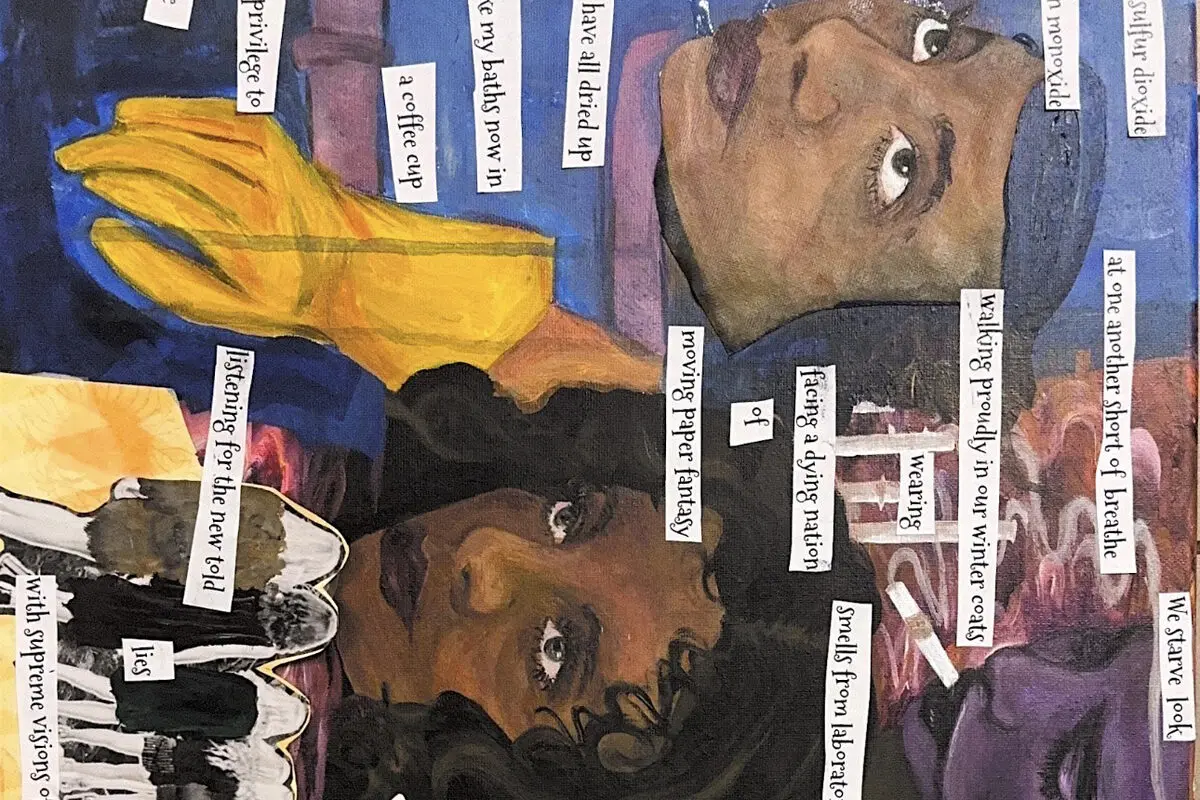
Environmental Justice Through a Musical Theater Lens
Inspired by three musicals, Isabella Bonner constructs an art piece out of repurposed materials to reflect pollution exposure, resource scarcity, and geographic inequity.
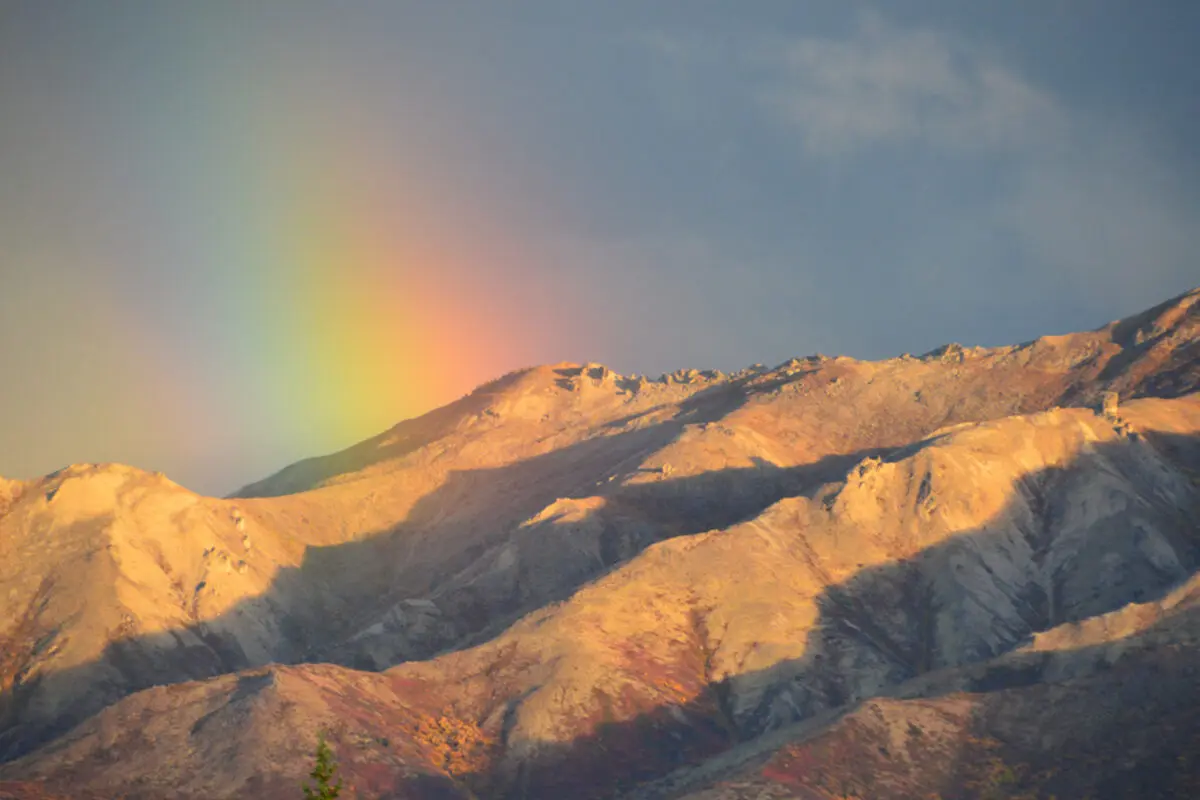
We Were Never Separate
Samantha Castro’s poem critiques the capitalist and colonial quantification of nature and injustice toward marginalized groups, opting instead to uplift the human-nature connection as one of reciprocity, solidarity, and activism.
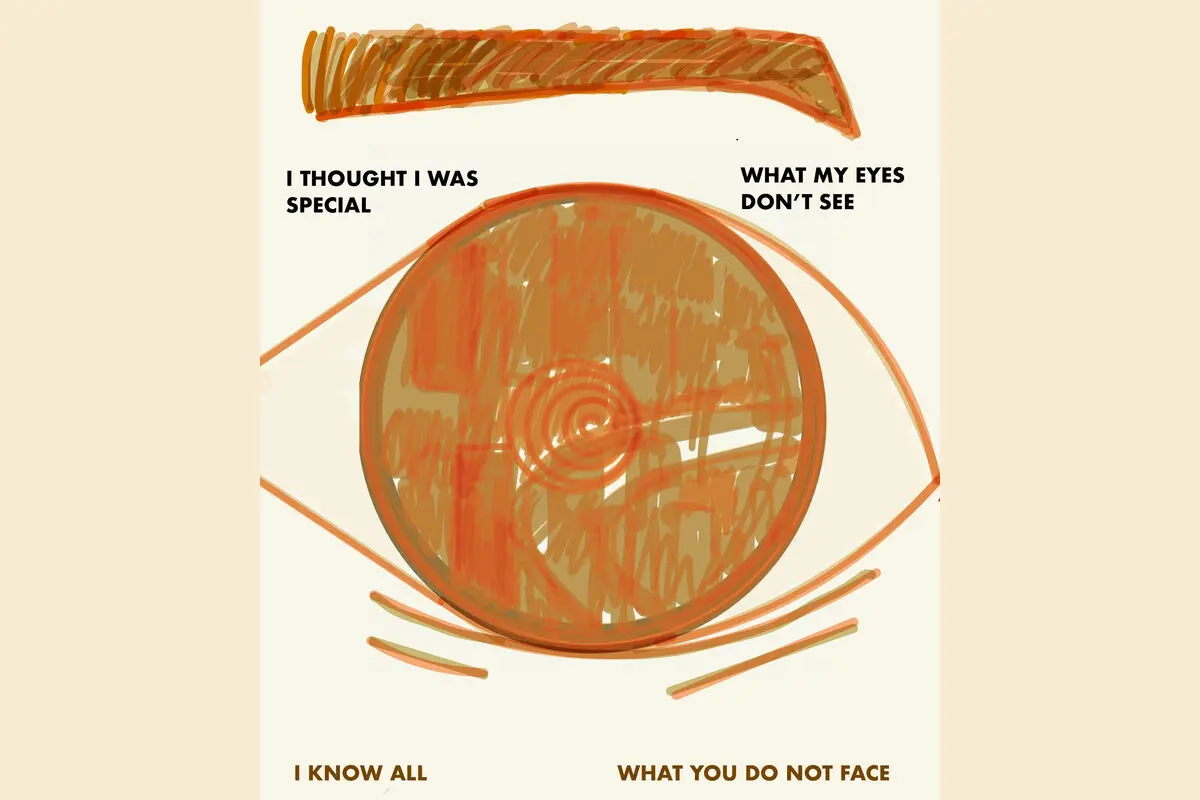
Ecog
Through a panel of drawings, Angelica Osorio represents two initially antagonistic voices—Mother Nature and humanity. Yet, as Osorio’s art progresses, she suggests harmony between the two.
Image Credits
Cover art, She Feels It All, by Joy Sugihara. Pieces illustrated in print with outside images appear here with photographs by the journal’s own contributors and editors, as on the issue’s contents pages.
- My Park: A Home Away from Home: Photograph by Muaathah Abdullah.
- The Divine Right of Waste? And Food Recovery as a Practice of Care: Photograph by Merrin Casl.
- Humwichawa at Dusk: Drawing and photograph by Marianna Rebollar.
- An Excerpt from “Rooted”: Photograph by Annie Phillips.
- She Feels It All: Art by Joy Sugihara.
- Reflections on a Series of Campus Bird Surveys: Photograph by Merrin Casl.
- Moving Away From Stillness: Photograph by Taizo Nakayama.
- One Man’s Trash is Another Man’s Treasure: Photograph by Merrin Casl.
- Looking Backwards: Photograph by Julia Awad.
- Echoes of Home: Photograph by Merrin Casl.
- My Creature: Photograph by Julia Awad.
- The Ecological Labor of Sustainability: Photograph by Grace Miller.
- Environmental Justice Through a Musical Theater Lens: Art by Isabella Bonner.
- We Were Never Separate: Photograph by Grace Miller.
- Ecog: Art by Angelica Osorio.