
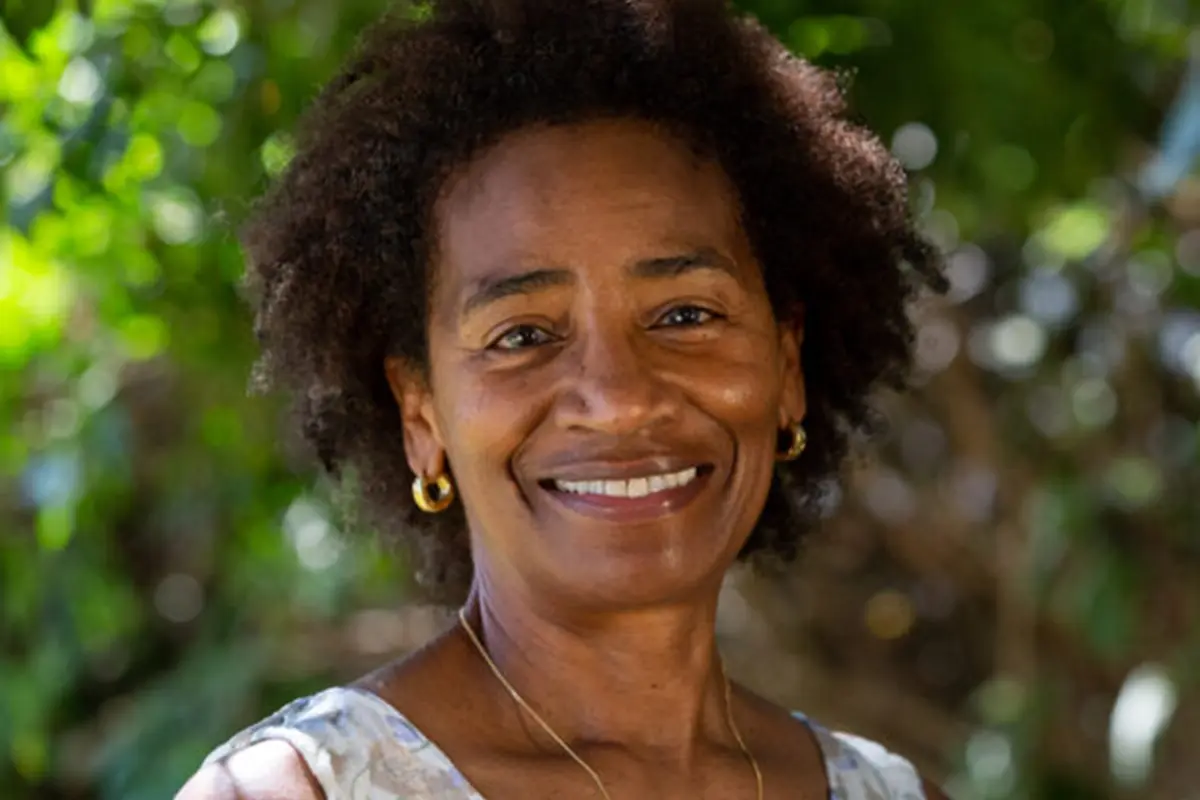
Marilyn Raphael in The New York Times: Sea Ice Around Antarctica Reaches a Record Low
The drop surprised scientists and may help them understand more about climate change affecting Antarctica and its waters. “It’s really unprecedented,” said Marilyn N. Raphael, a professor of geography at…
The drop surprised scientists and may help them understand more about climate change affecting Antarctica and its waters. “It’s really unprecedented,” said Marilyn N. Raphael, a professor of geography at the University of California, Los Angeles, who studies Antarctic sea ice. Warmer ocean temperatures may have played a role, she said, “but there are other factors that we will be working on finding out in the next months.”