
Alex Hall: How Climate Change is Fueling Southern California Wildfires
Read why climate models suggest a new kind of wildfire threat will emerge to the region’s residents.

Read why climate models suggest a new kind of wildfire threat will emerge to the region’s residents.

But our bent toward instant gratification — a key component of what helped us survive the environmental challenges of the Pleistocene — may well be our undoing in the Anthropocene.…

A UCLA-Zócalo panel agrees technology is there to quench state's thirst
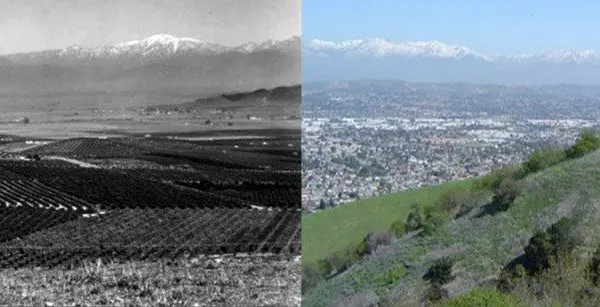
By Dr. Erik Porse, CCSC Postdoctoral researcher This article was originally published on the California Water Blog Under California’s new groundwater law, local agencies must adopt long-term plans for sustainably…
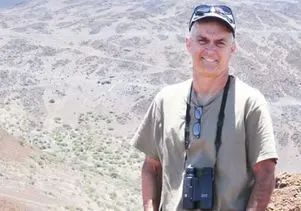
The award recognizes superior teaching effectiveness and mentoring of students in the area of herpetology, and honors individuals who have made significant contributions to herpetological education
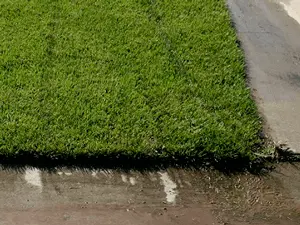
A study released last month by the UCLA Water Resources Group was covered in Water Online.

By Ian Stevenson Originally posted in the Daily Bruin The Los Angeles Department of Water and Power said it has not improved its infrastructure because it is still researching new…

Mark Gold writes that to meet the mayor’s goal of halving imported water by 2025, we must all pay more
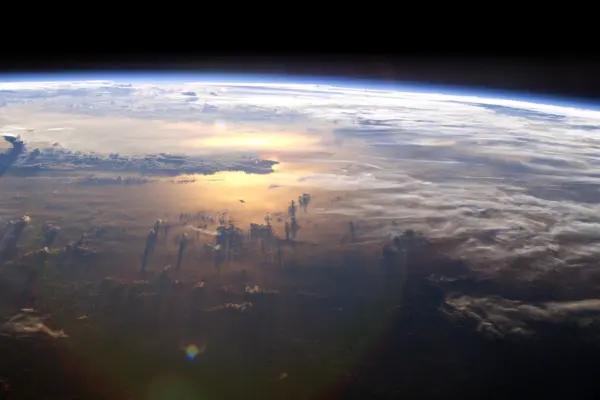
Peter Kareiva, a leading environmental scientist and vocal advocate for using multiple disciplines to inform conservation, is the new director of the UCLA Institute of the Environment and Sustainability.

Editor’s Note: As chief scientist of The Nature Conservancy, the world’s largest environmental organization, Peter Kareiva has spent most of the past decade in the air, touching down to work…
Over 40 years ago in high school, I fell in love with science and with nature. I entered high school science fairs. I took every science class I could. I…
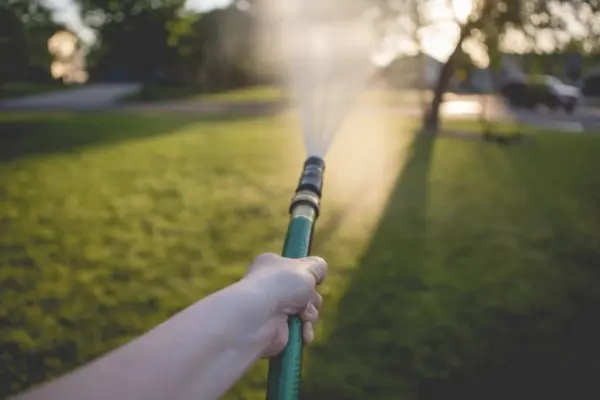

The record-breaking drought in California is not chiefly the result of low precipitation. Three factors – rising temperatures, groundwater depletion, and a shrinking Colorado River – mean the most populous U.S. state will face decades of water shortages and must adapt.

By Tetra Balestri, Student Contributor

Replacing the eight acres of turf on the IM Field is a key part of the university’s response to California’s historic drought
How much pollution is coming from that factory near you? You have the right to know and UCLA students have made a website to help you find out.

Environmental Science seniors recently presented the results of original research they conducted on water pollution to the Los Angeles Regional Water Quality Control Board, the agency responsible for protecting coastal…
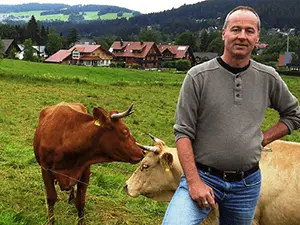
A presentation by Dr. Thomas Harter, UC Davis held May 21st, 2015.
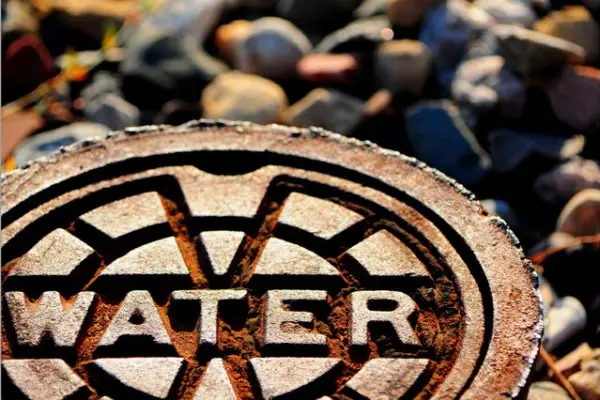
Innovative maps in a “Water Atlas” compiled by the Luskin Center for Innovation show which areas are most threatened

By Lauri Gavel Originally posted by UCLA Newsroom In light of the serious challenges posed by rising sea levels, the California Legislature recently enacted a bill that directs the California…
IoES introduces a new undergraduate course for spring quarter with a focus on entrepreneurship and finance

Premiering fittingly on World Water Day, “Don’t Doubt the Drought,” was not Sony Pictures Entertainment’s latest production, but an informational presentation aimed at the studio’s eco-minded employees hoping to learn…

Region has made progress, but dirty air, polluted water, resource inequality and lack of data still pose problems

By Alison Hewitt Originally posted in UCLA Newsroom UCLA today issued the first comprehensive environmental report card for Los Angeles County. The county’s overall performance marks it as an unimpressive…