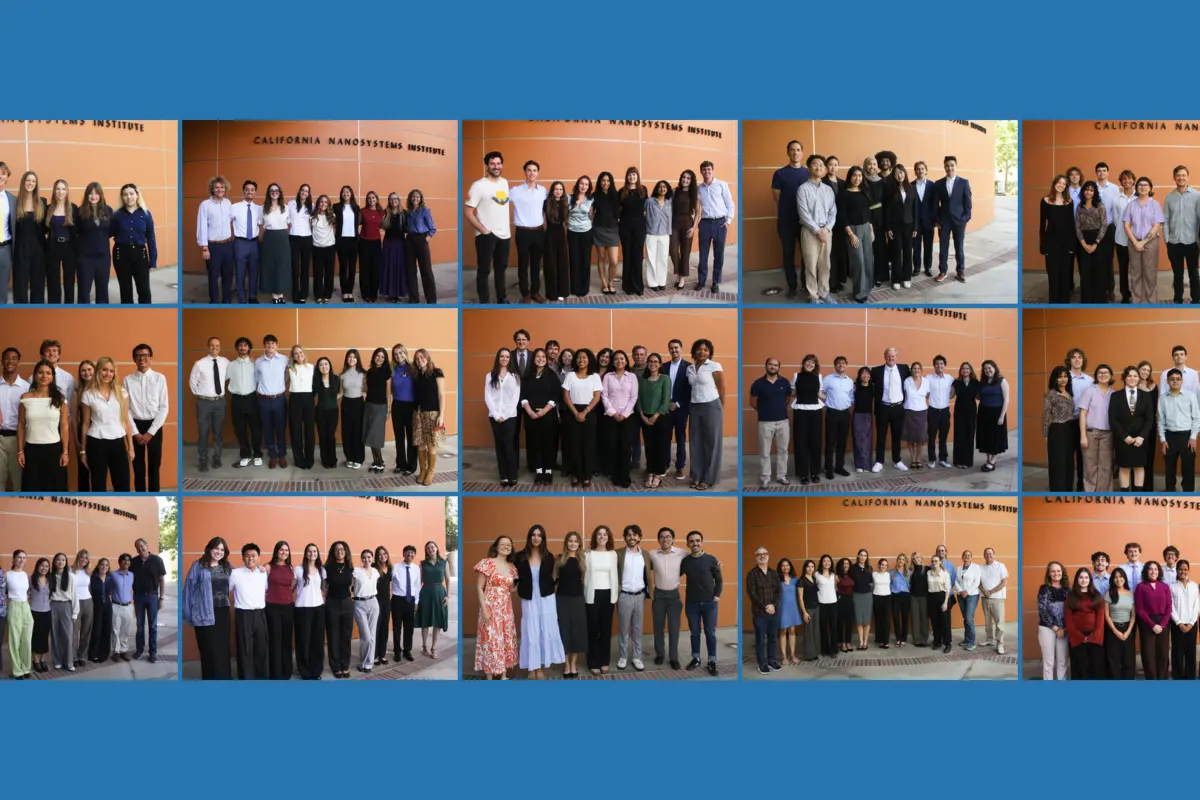
B.S in Environmental Science Practicum: Celebrating 20 years of hands-on problem solving
Environmental Science seniors partnered with organizations across California to tackle real-world challenges, presenting research and solutions while celebrating 20 years of UCLA’s signature capstone practicum.
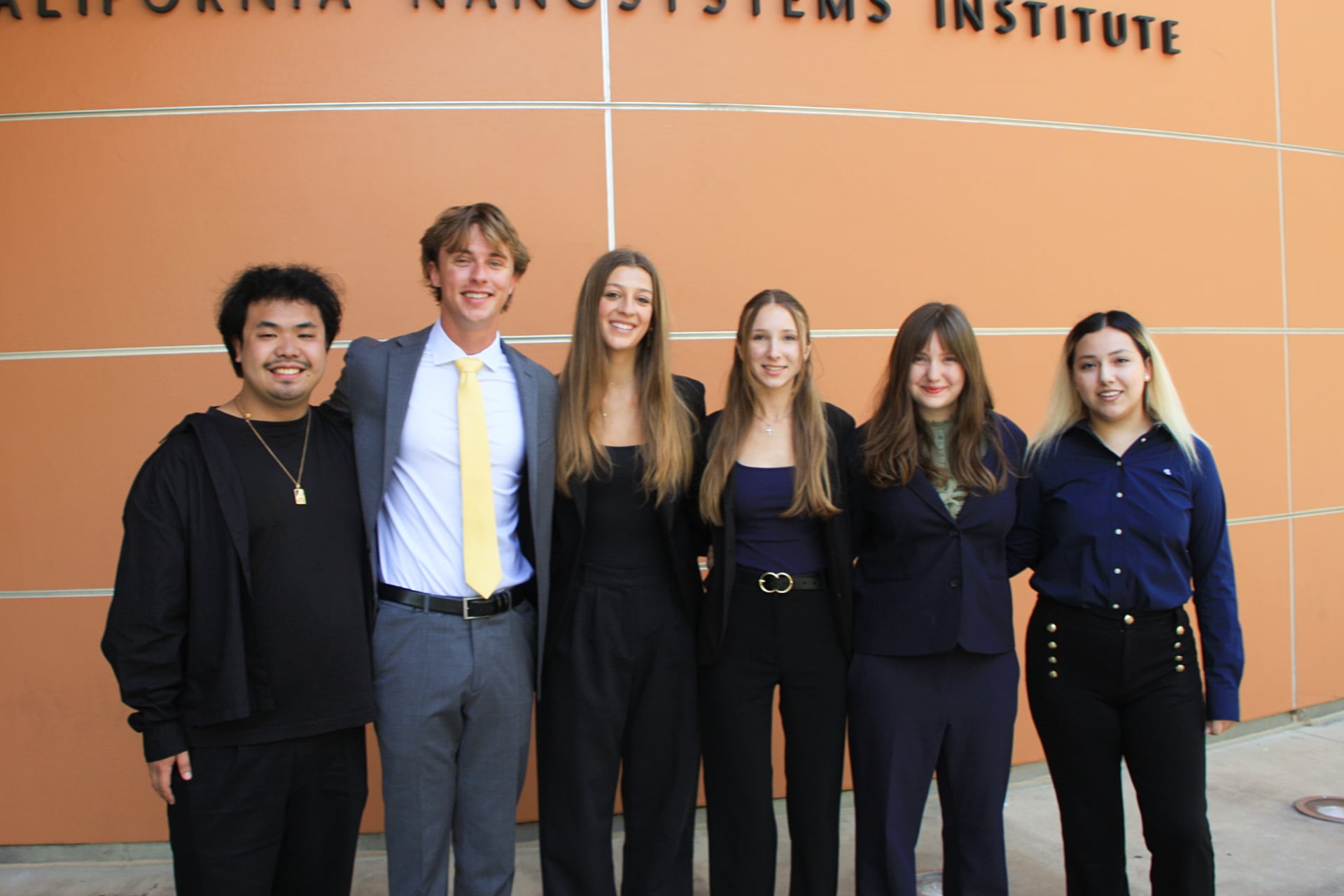
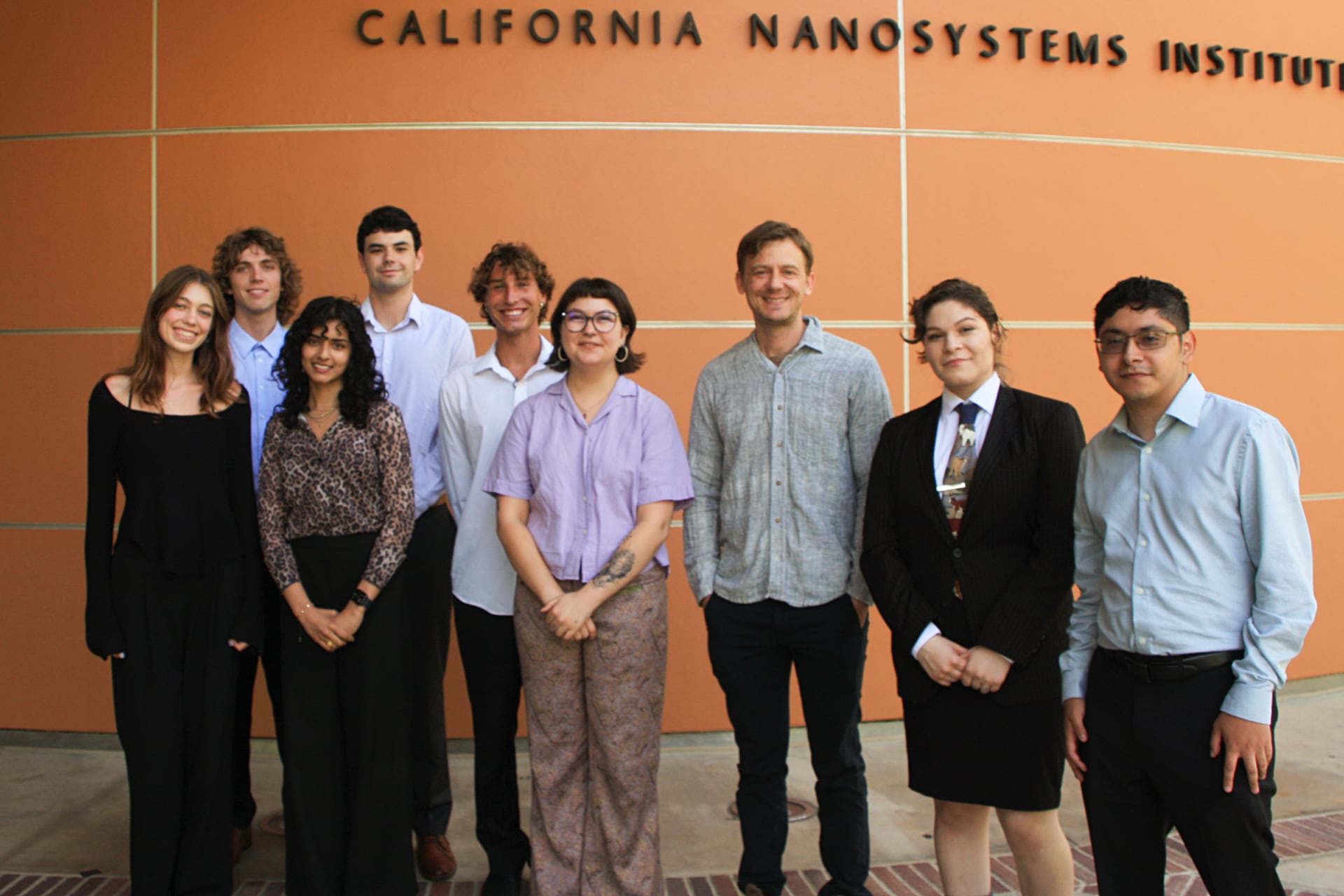
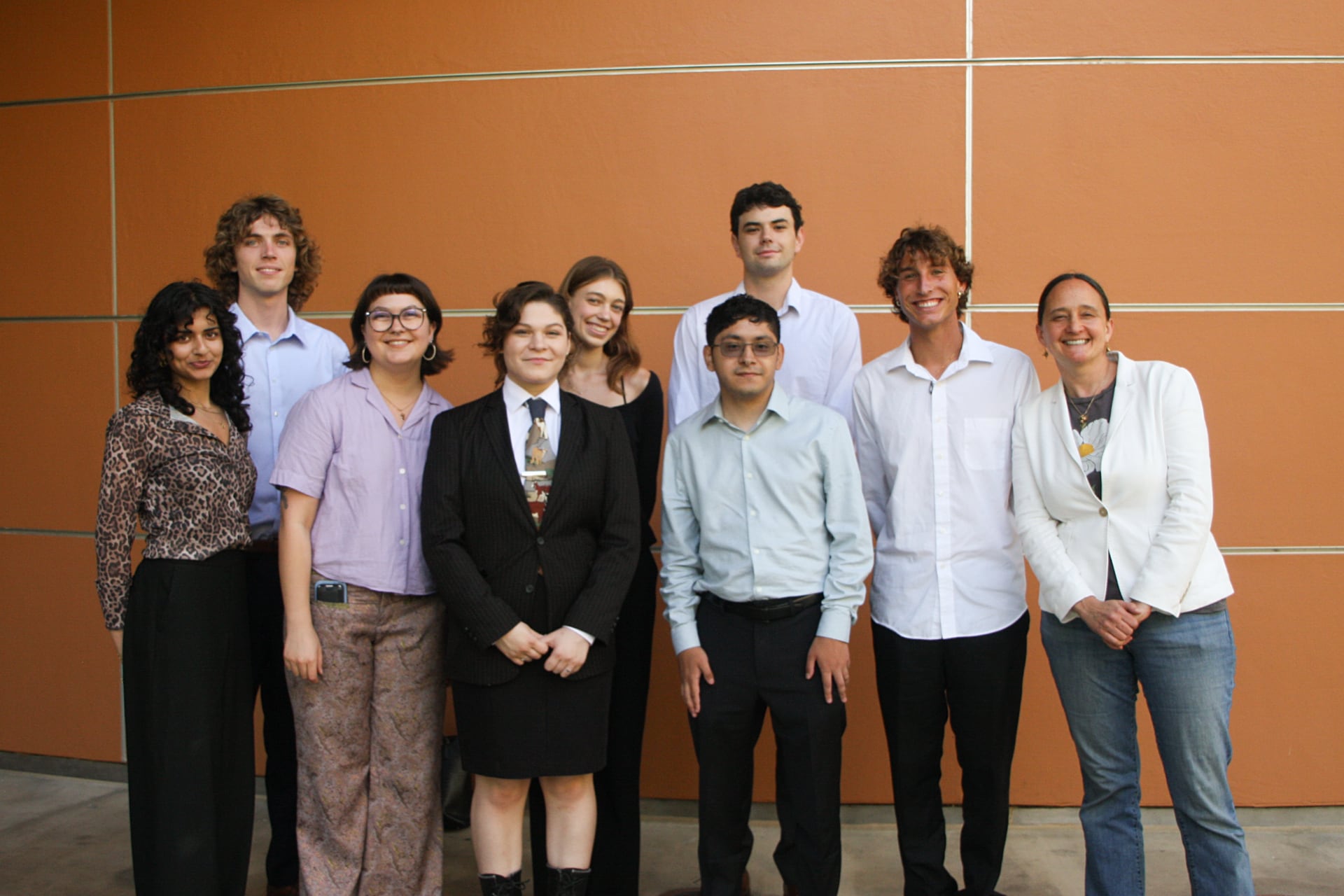
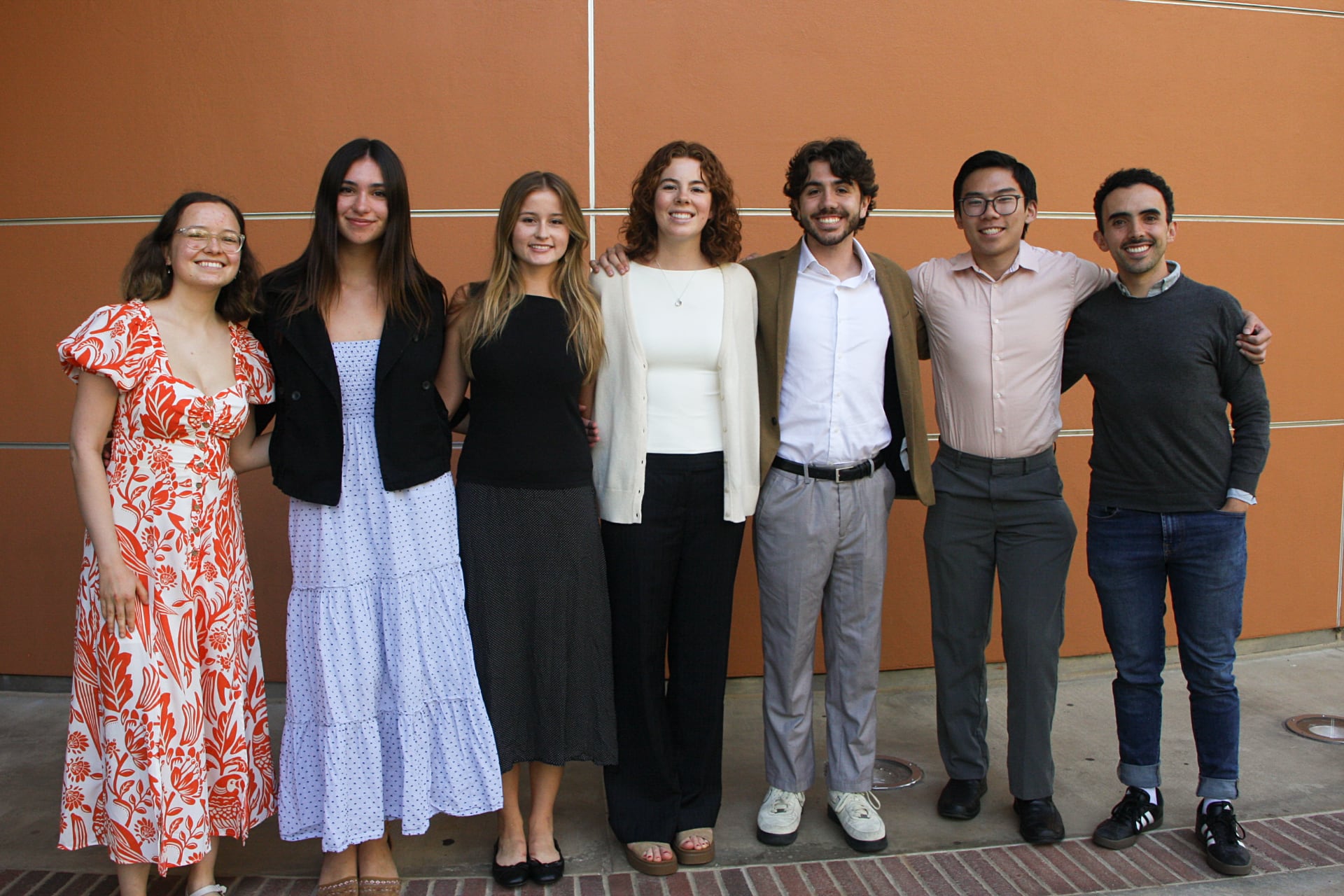
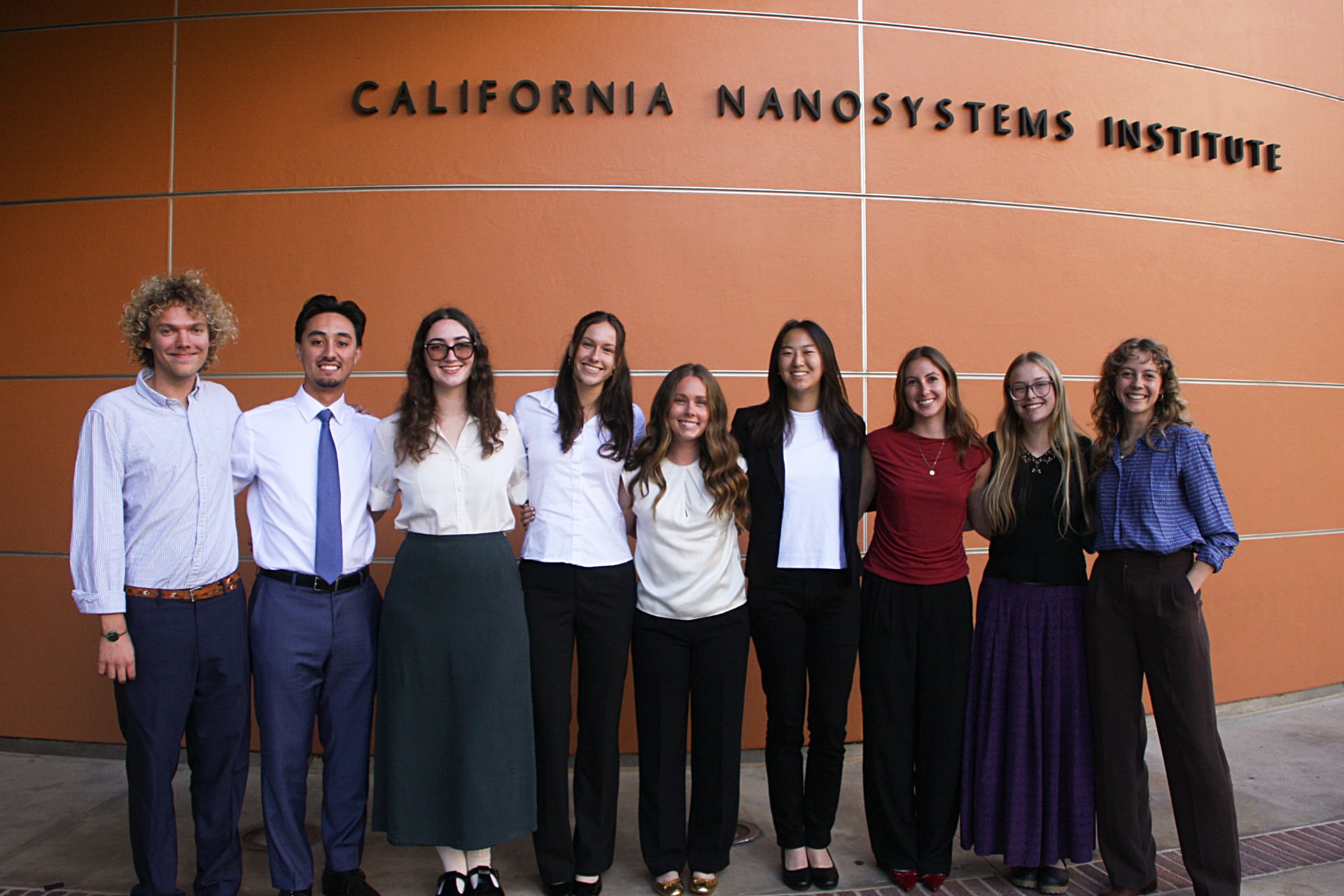
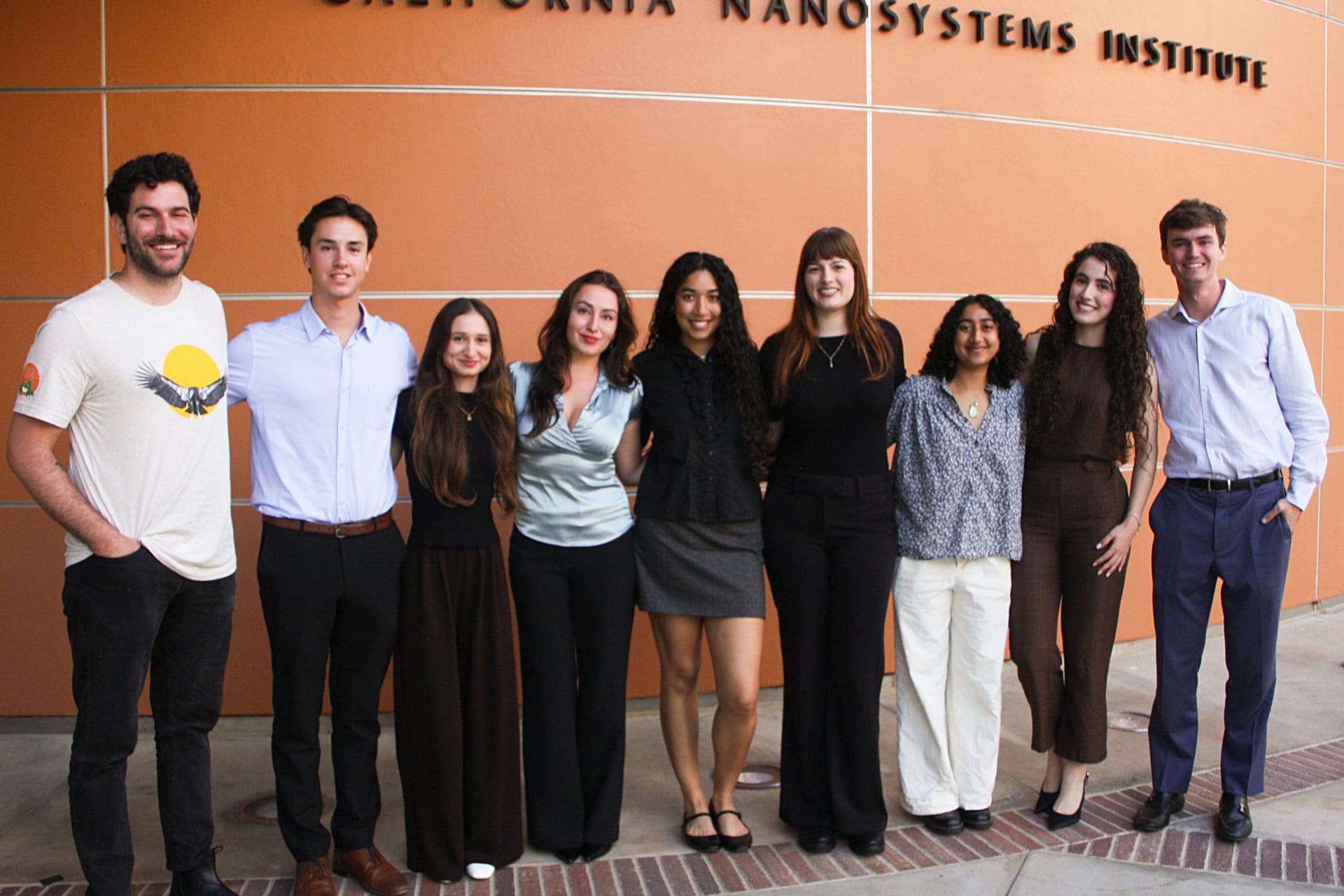
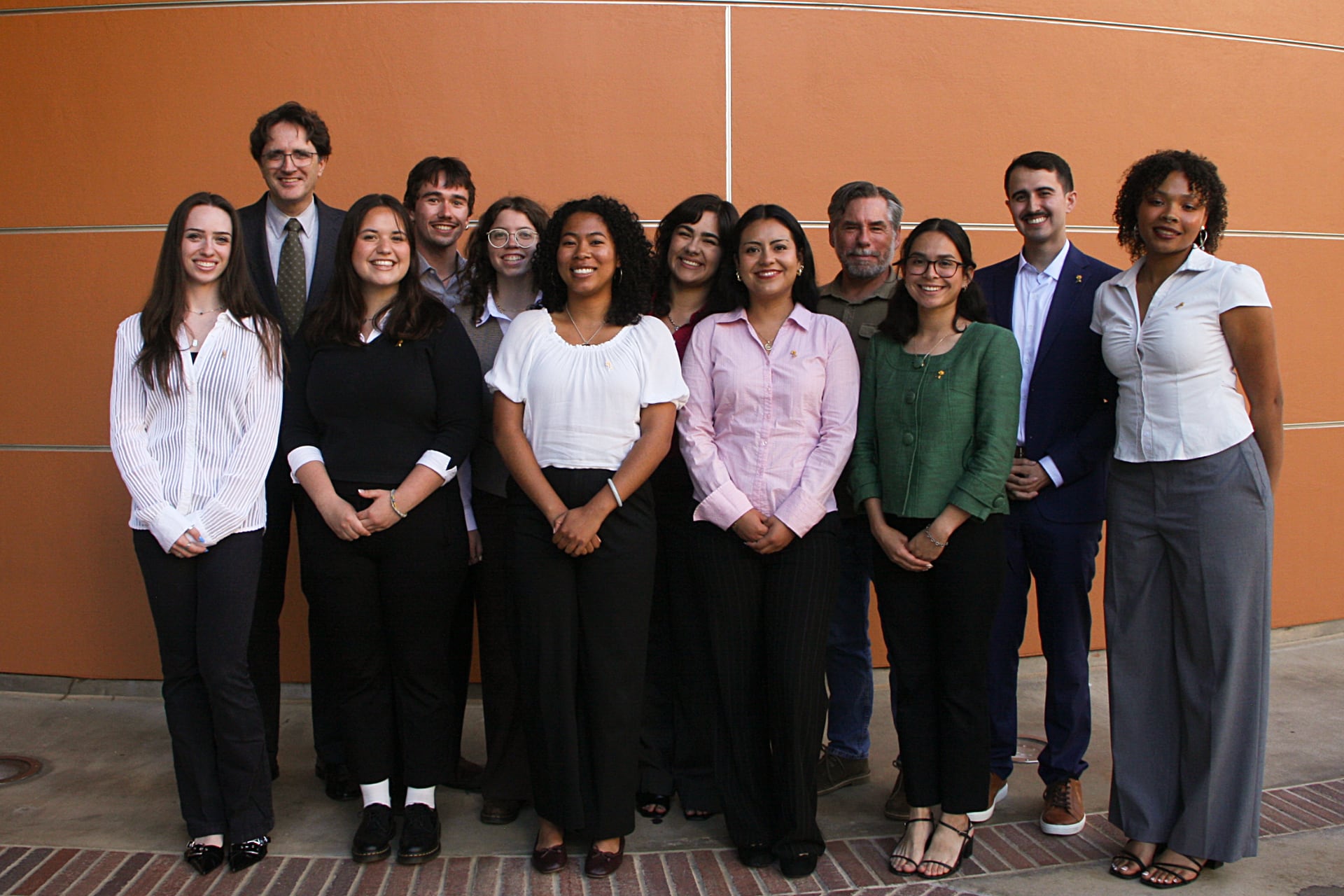
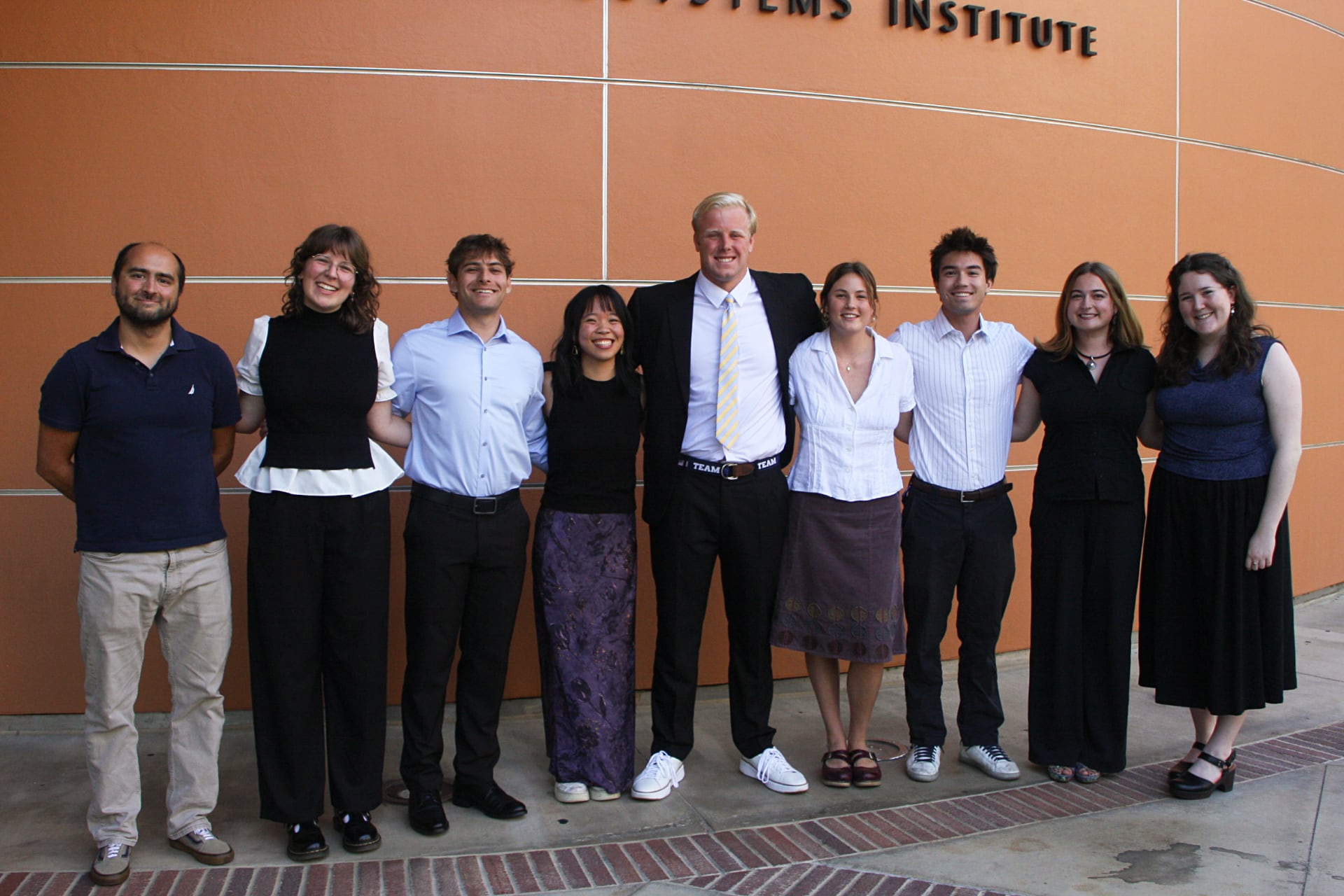
The UCLA Institute of the Environment and Sustainability’s Environmental Science Practicum has served as the capstone experience for seniors who are bridging the gap between the classroom and real-world problem-solving. This year’s students, faculty, alumni, and project partners gathered to hear undergraduates present their research and celebrate the program’s 20th anniversary.
The year-long program challenges students to move beyond textbooks by tackling environmental issues faced by real organizations. Teams of students work directly with government agencies, non-profits, research institutions, and private companies to conduct research and develop applicable solutions.
IoES director Alex Hall delivered a speech at the Practicum, emphasizing the program’s enduring values to connect scientific knowledge with real action.
“It’s really putting environmental science into a human context, which is the way the real world functions when we think about environmental challenges,” Hall said.
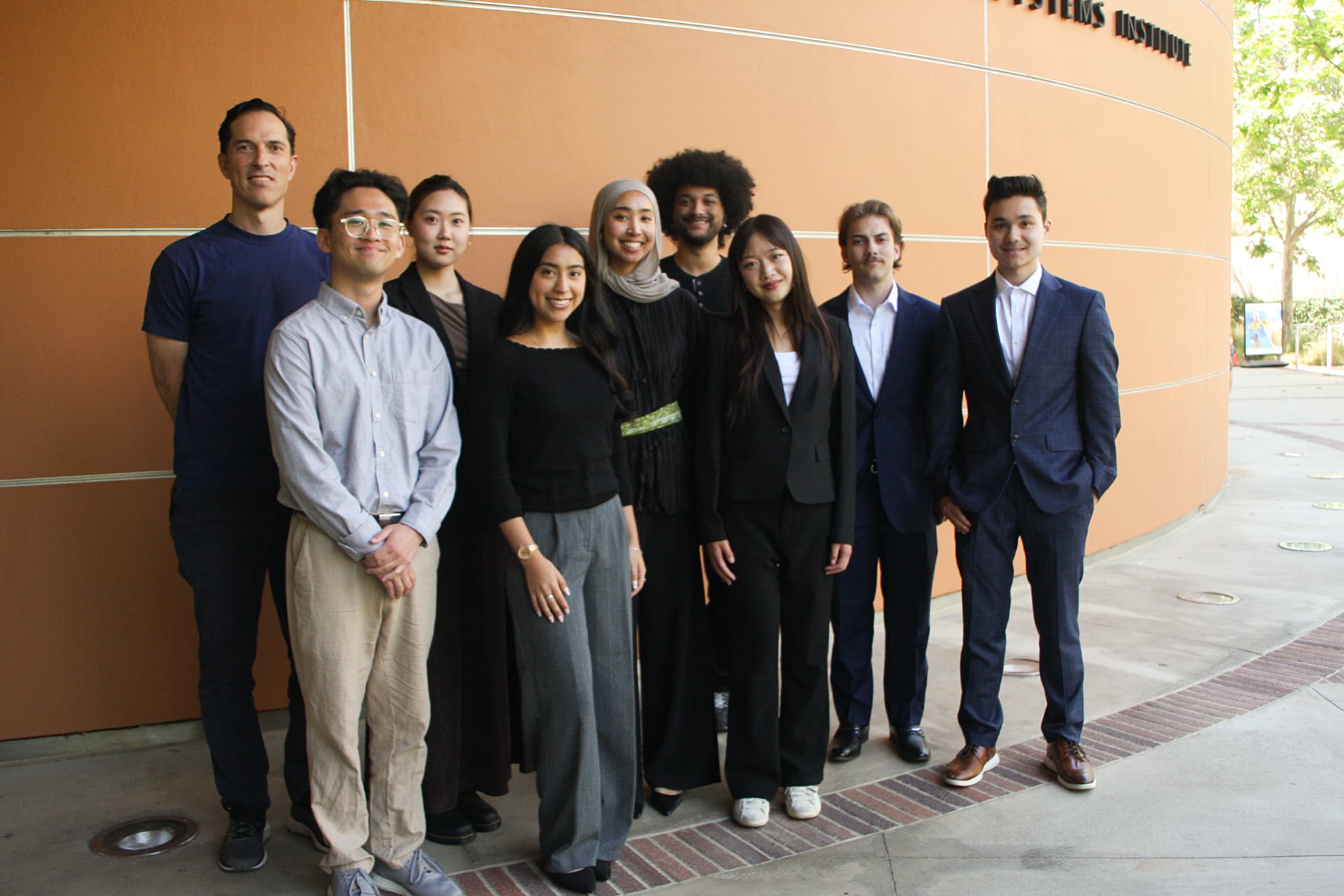
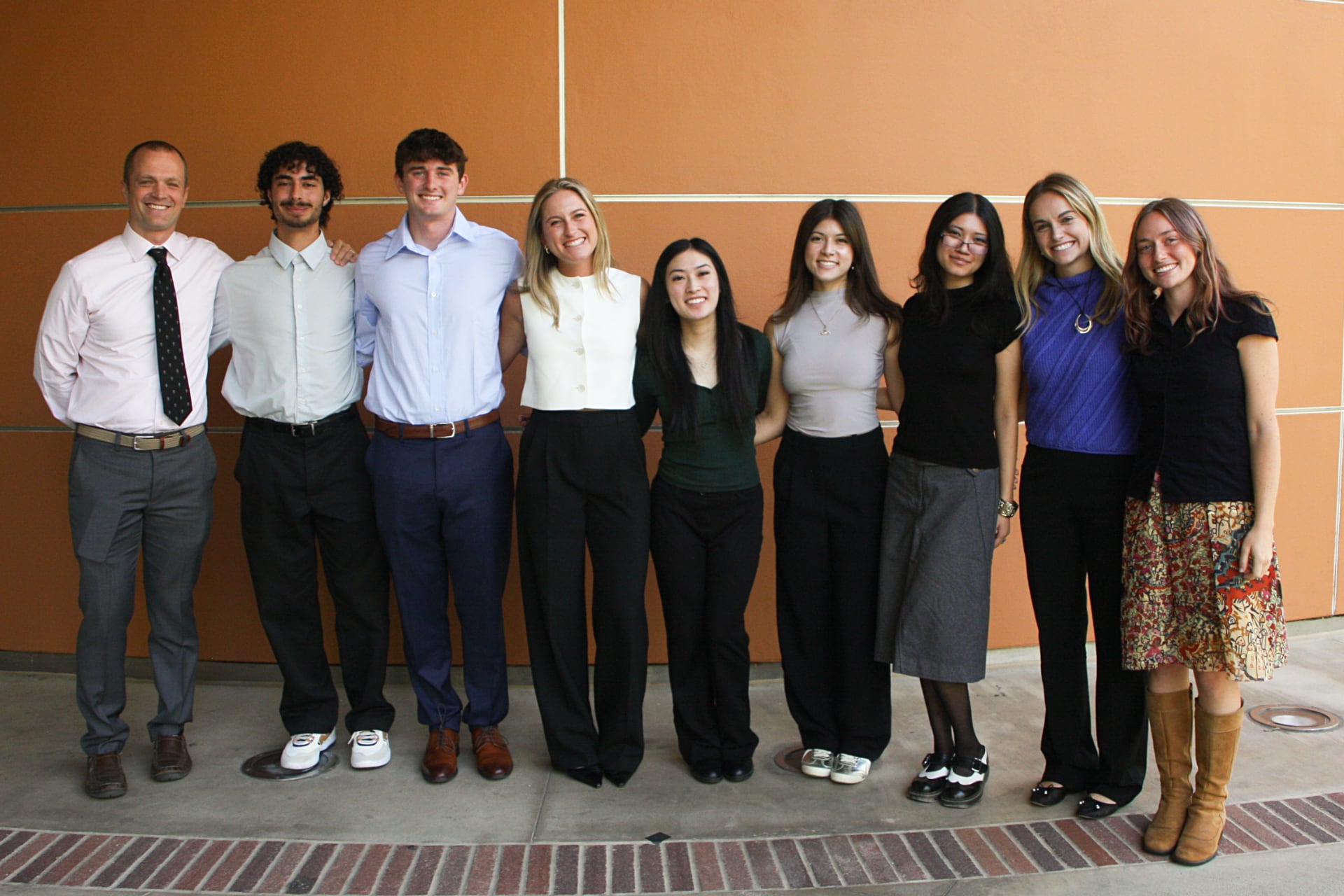
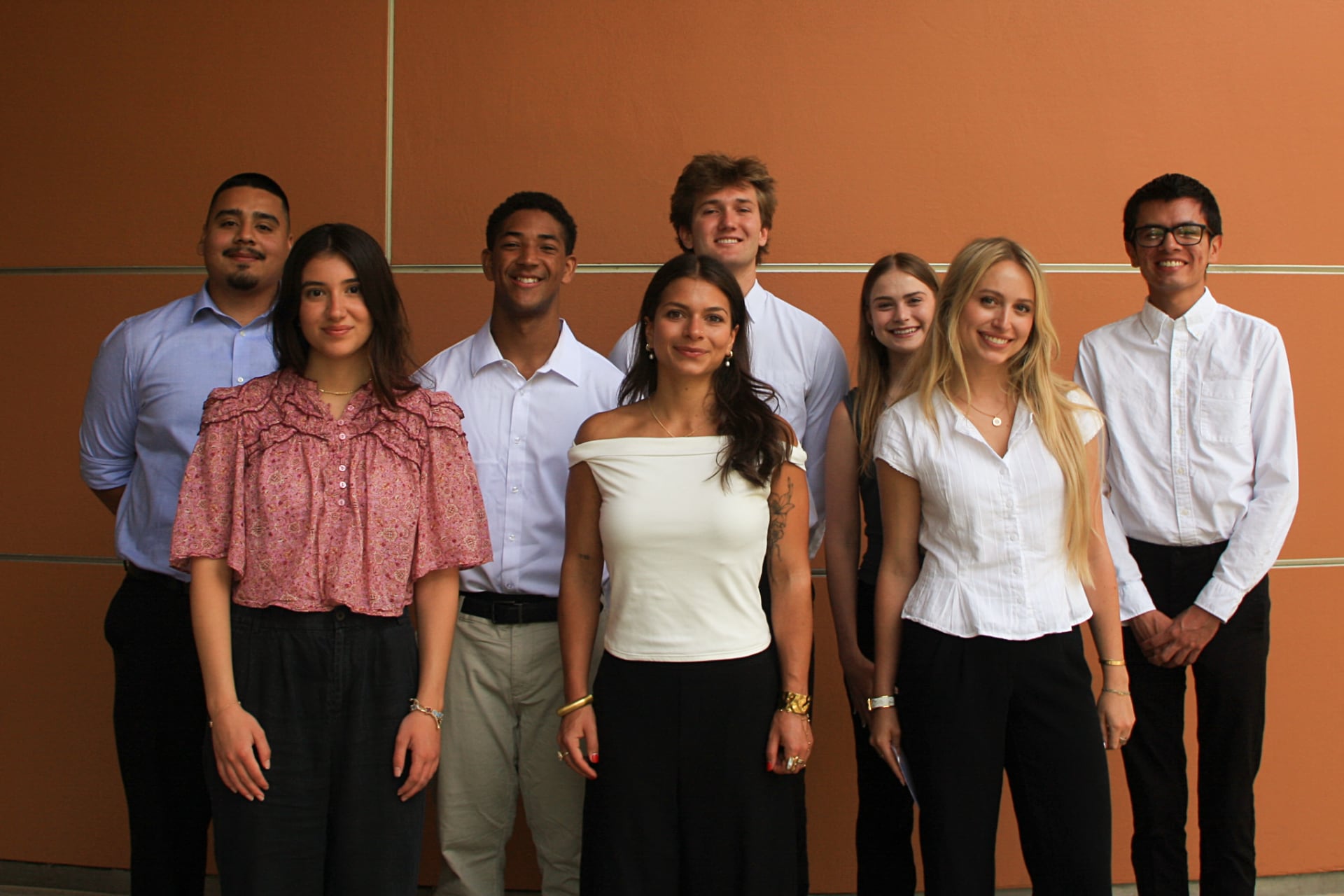
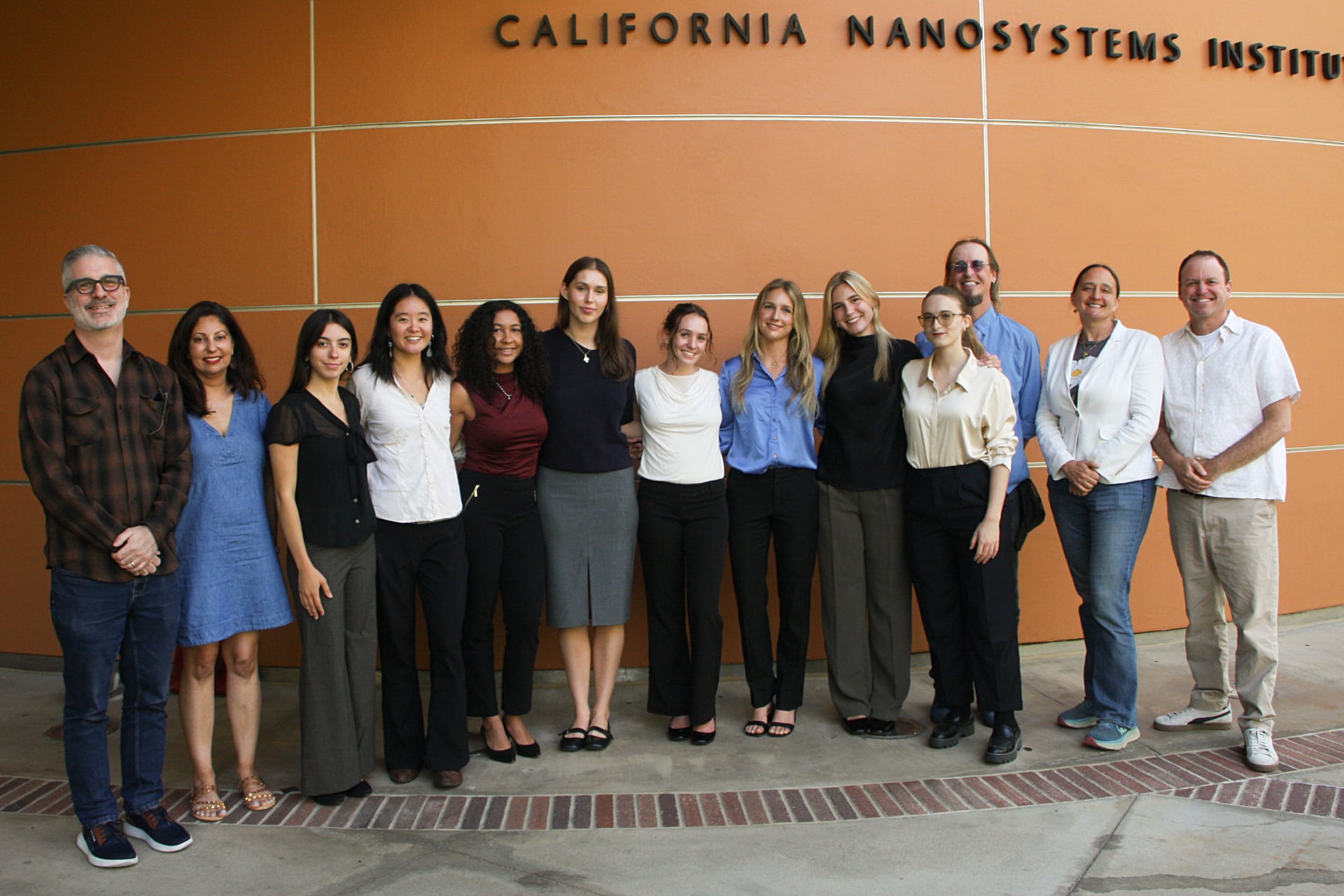
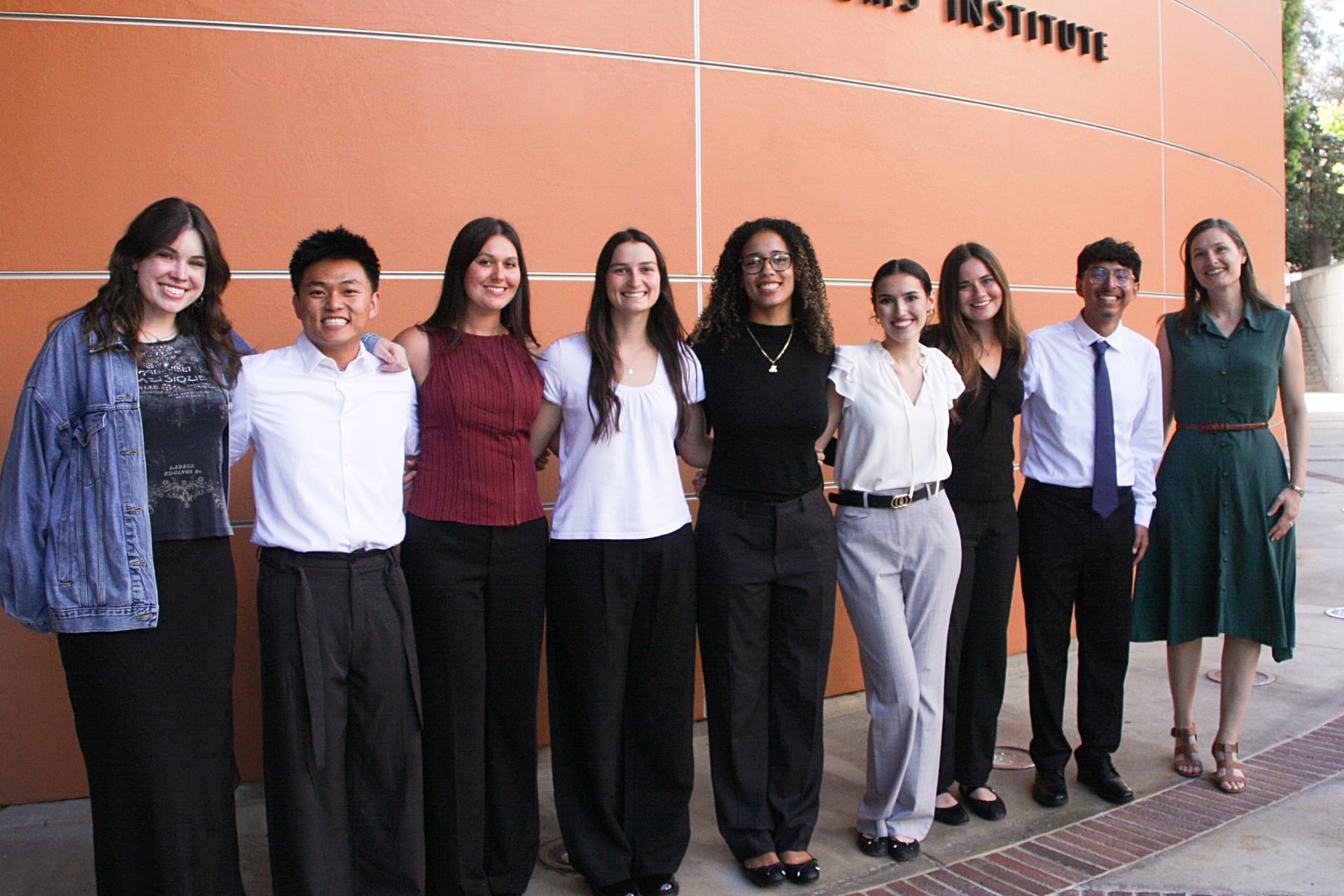
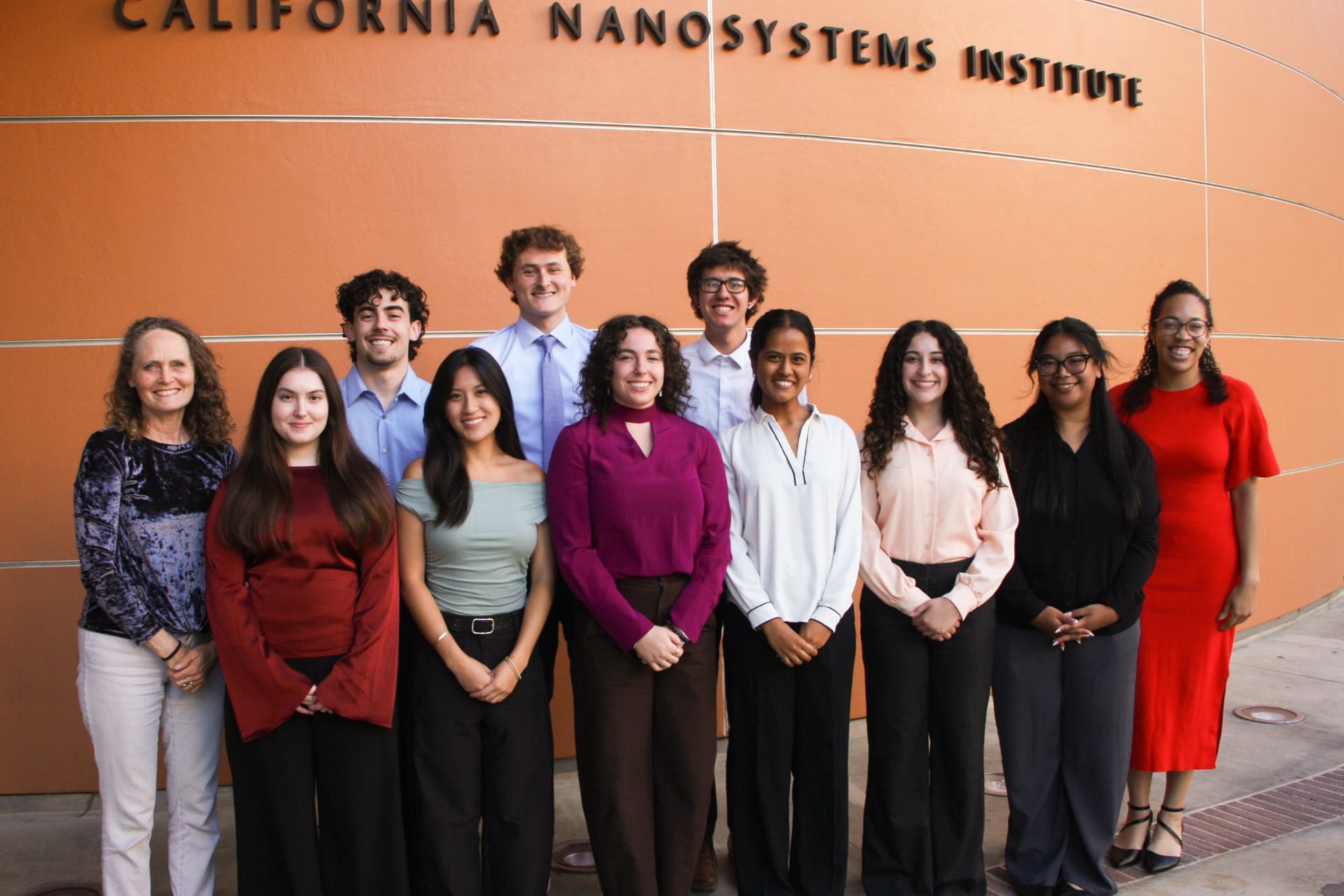
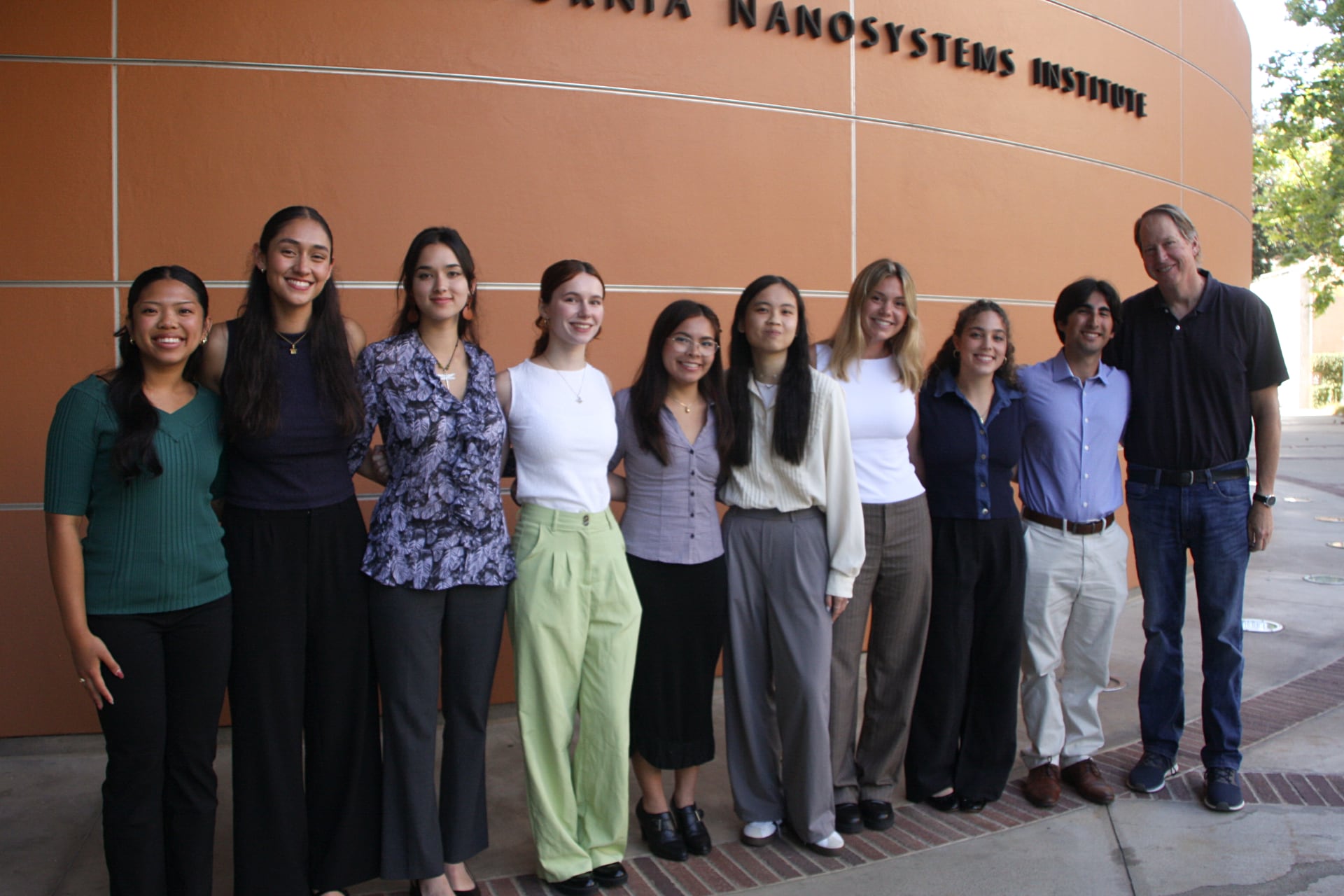
Environmental problems rarely exist within a single discipline. Challenges environmental science students are looking to address, such as climate change, biodiversity loss, public health, transportation, and sustainability, require solutions that integrate science, policy, economics, and community perspectives.
Recognizing this need for integrated solutions, the program relies on partnerships with a wide range of organizations to tackle these complex, real-world issues.
Participating organizations included the California Air Resources Board (CARB), the Center for Biological Diversity, UCLA Health, American Honda Motors, Heal the Bay, the Catalina Island Conservancy, the Scripps Institution of Oceanography,the Center on Race, Poverty, and the Environment, and the Sustainable Entertainment Alliance.
Noah Garrison, the Practicum program director and event organizer, spoke on how these varied partnerships create a mutually beneficial bond between students and clients. Students gain hands-on experience applying what they have learned in the classroom, while organizations receive fresh perspectives and research support on their environmental initiatives.
He emphasized that the program’s success depends on close collaboration between students and client organizations, creating opportunities for students to apply their knowledge while helping partners address real-world environmental challenges.
“All of whom are here today working with you to make things better,” Garrison said. “I think that’s an absolute theme of what the practicum is… and what our clients bring to this, is this desire and effort to make things in the world better.”
Through partnerships with their clients, student teams conduct research, engage with stakeholders, analyze data, and present recommendations intended to inform future decision-making.
For example, one of two teams partnered with CARB analyzed the first round of climate-risk disclosures submitted under California’s Senate Bill 261, a law requiring large companies operating in the state to report climate-related financial risks. Their analysis of 128 submissions found significant gaps in the quality, consistency, and comparability of corporate climate-risk disclosures. The team ultimately made a four point recommendation plan to improve transparency and accountability.
The practicum serves as more than just a series of projects; it is a professional springboard for students entering the field of environmental science. By participating, seniors acquire a diverse skillset that remains valuable long after they have completed their degrees.
It also enables incredible connection-building, leading many students to land jobs or connect others with opportunities.
For many alumni, the practicum remains one of the most influential experiences of their undergraduate education. Reflecting on conversations with former students, Hall said a common theme emerges time and again.
“They all mentioned the practicum as the experience that propelled them into the outside world,” he said.
As the Environmental Science Practicum marks its twentieth anniversary, its impact can be measured not only through the hundreds of projects completed over the years but also through the careers it has helped launch and the partnerships it has built.
Thousands of hours of applied environmental research have strengthened relationships between UCLA and organizations across California and beyond, while giving students the opportunity to contribute to meaningful environmental work before they graduate.
Meet the Author