
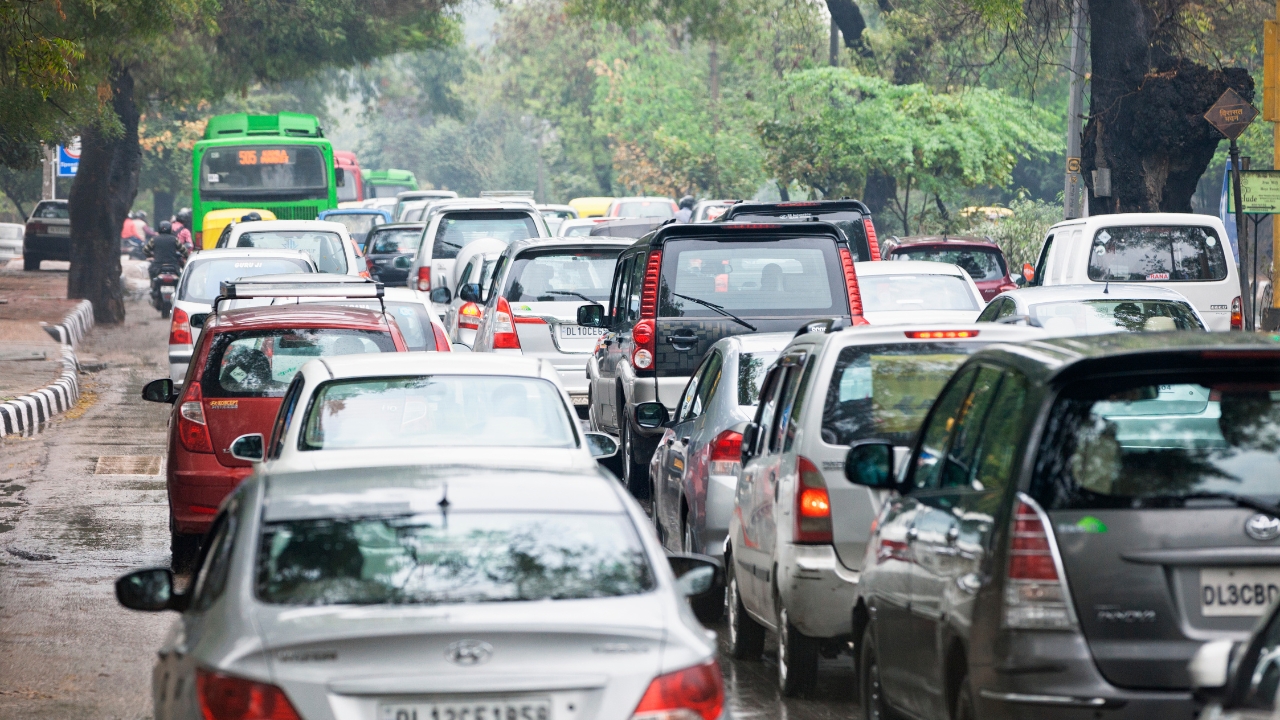
Deepak Rajagopal for The Hindu Businessline — CAFE norms are too lenient
Deepak Rajagopal, professor at UCLA’s Institute of the Environment and Sustainability, discusses India’s proposed fuel-economy rules — Phase III Corporate Average Fuel Economy (CAFE) standards — in his op-ed for The Hindu Businessline, explaining how the design of these standards shape what kinds of cars end up on the road.
He explains that setting emissions targets based on vehicle weight makes larger, heavier cars comparatively easier to comply with — an approach that can unintentionally favor SUVs over smaller, more efficient vehicles and deepen inequities in the market. “The proposed super-credits appear super-generous,” he writes, noting that allowing electric and hybrid vehicles to count as multiple units for compliance ultimately reduces the number of clean vehicles that need to be sold.
Rajagopal emphasizes that India’s EV market has matured enough that lenient standards and generous super-credits are no longer justified, and calls for stronger, clearer policy frameworks that resist industry pressure and deliver genuine efficiency gains. His piece underscores how policy details — like weight classes and credit multipliers — can have broad effects on affordability, innovation and consumer choice.
Read Rajagopal’s op-ed:
CAFE norms are too lenient – The Hindu BusinessLine
Units
Topics
RELATED POSTS

UCLA Ph.D. candidate Lorena De la Puente Burlando selected for Critical Minerals Research Lab

Featured in L.A. Times—Edith de Guzman, Ph.D. ’23, reimagines L.A. climate inequities through art at Descanso Gardens
