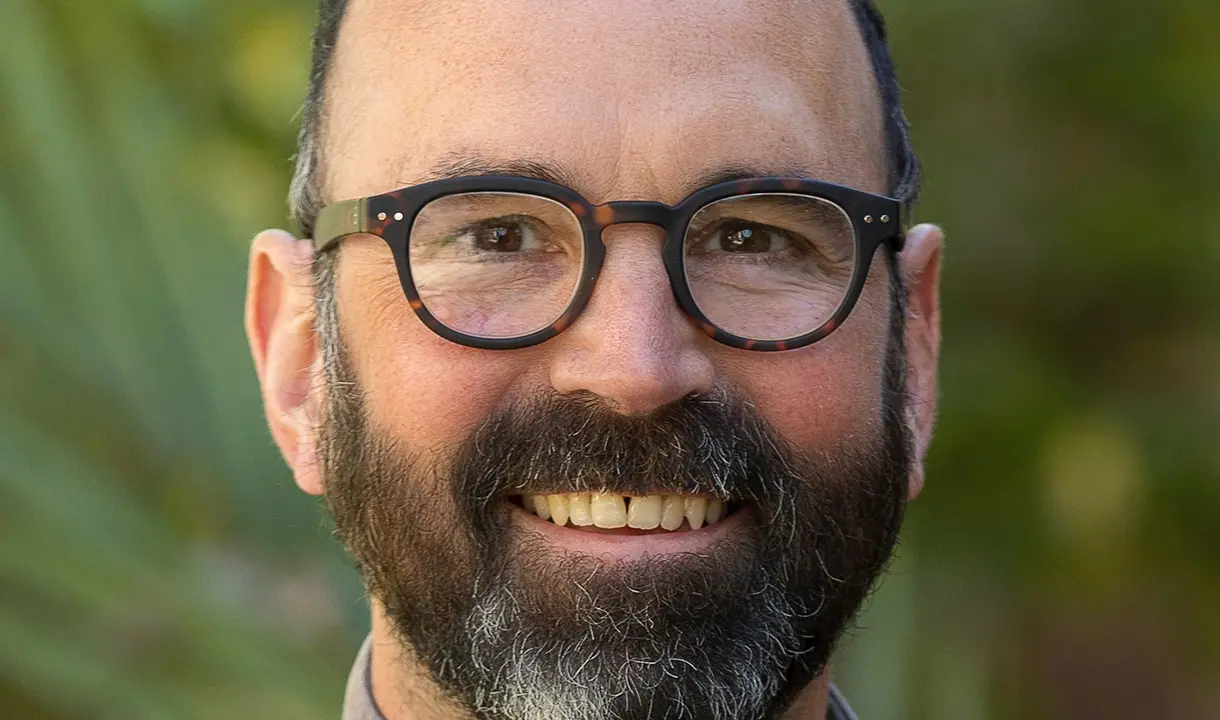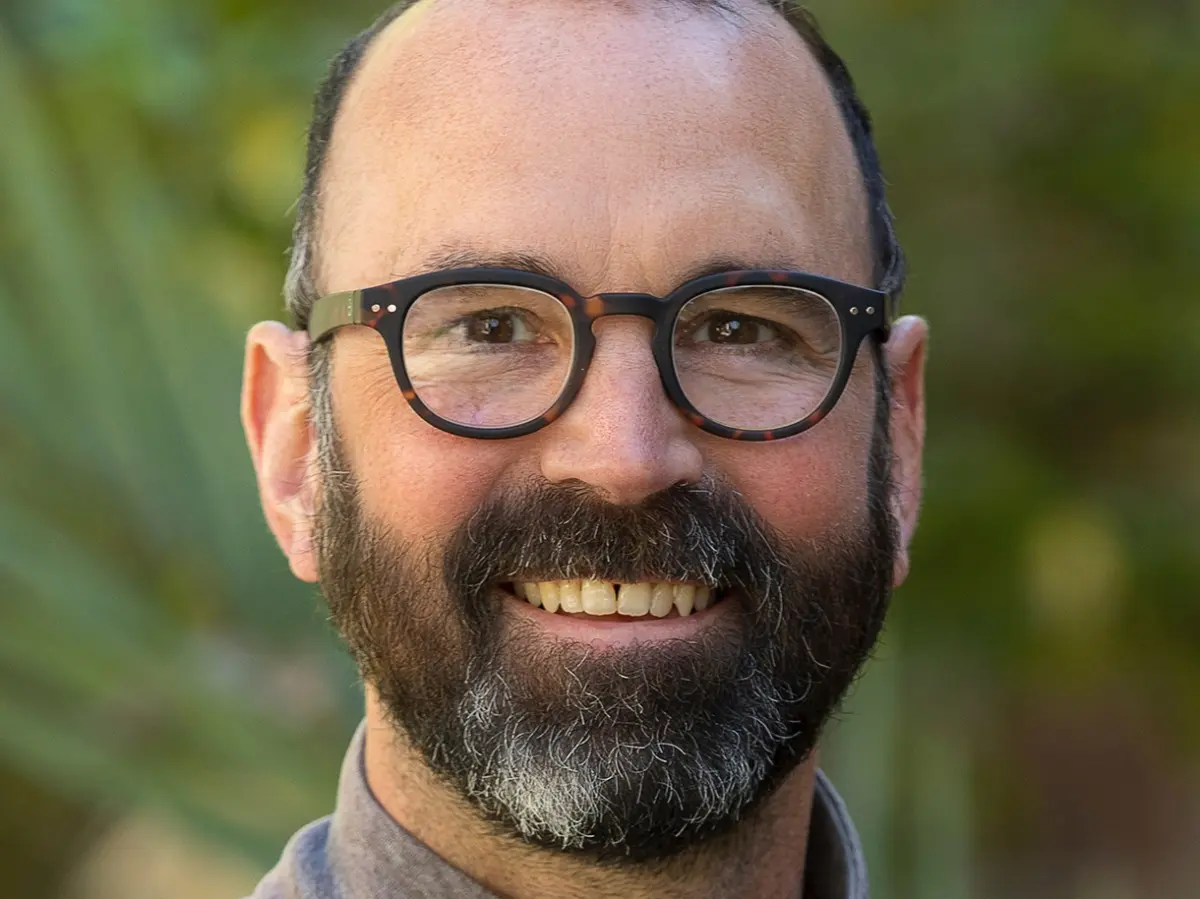
Alex Hall, In the LA Times discussing the drivers of a more active fire season
Fires ring Southern California and it’s only May. What’s going on?
Across California, 1,521 fires had burned 48,135 acres as of Wednesday, compared with a five-year average of 2,163 fires burning 23,867 acres at this point — significantly fewer fires but more area burned, Acuña pointed out. “What that tells me is, we have a lot more fuel on the ground that is lighting up more quickly and burning faster,” he said. “Combine that with hotter temperatures and more wind, and that’s how these fires are getting so big so fast.”
Climate change played a role in driving the abnormally warm temperatures that helped dry out fuels this spring, though it’s difficult to say to what extent without further research, said climate scientist Alex Hall of UCLA, who has found that global warming accounted for approximately 25% of the extreme vegetation dryness leading up to last year’s Los Angeles firestorms.
“Otherwise, I think the factors that led to this surprising explosion of fire in Southern California were due to a series of events that we’re familiar with from the historical record,” he said. Large fires in the spring typically coincide with an abnormally dry end to the wet season, and gusty winds are also known to raise fire risk, he said.