The New Paradigm for Climate Science
Aradhna Tripati, Associate Professor, UCLA Institute of the Environment and Sustainability

Aradhna Tripati, Associate Professor, UCLA Institute of the Environment and Sustainability

Robert Eagle Tripati, Assistant Professor, UCLA Institute of the Environment and Sustainability
Award-winning journalist Andy Revkin joined LENS for an intimate look at his evolution of environmental thinking and some potential outcomes for life on Earth.

Debate moderators have used immigration, gun control and abortion to contrast the ideological differences of Democratic candidate Hillary Clinton and her Republican counterpart Donald Trump. But they avoided climate change—an…
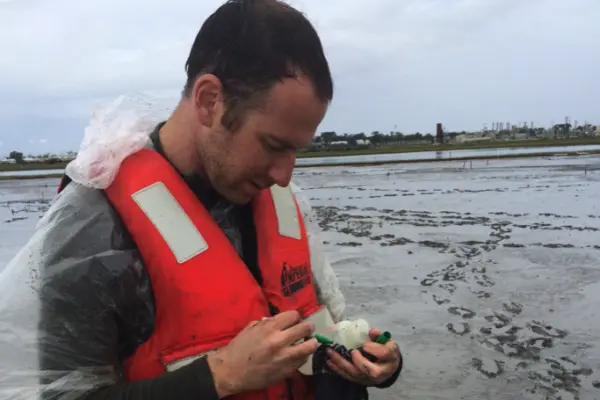
Jordan Rosencranz has been awarded a UCLA Dissertation Year Fellowship, which is designed to help students in the final writing stage of their doctorates. For his research, Rosencranz partnered with…
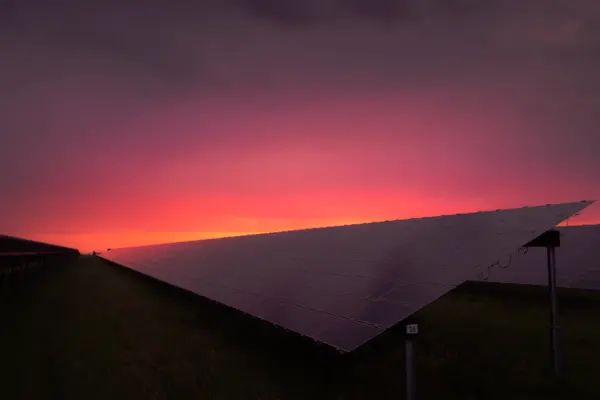
By Eric Daniel Fournier, M.A., M.E.Sc., Ph.D. In June of this year, the global news media reverberated with reports of a record shattering low bid for the world’s cheapest commercial…

Ten species of invasive insect account for $77 billion in annual global economic damages, according to the first in-depth study on the subject, published today in Nature Communications. Even that…
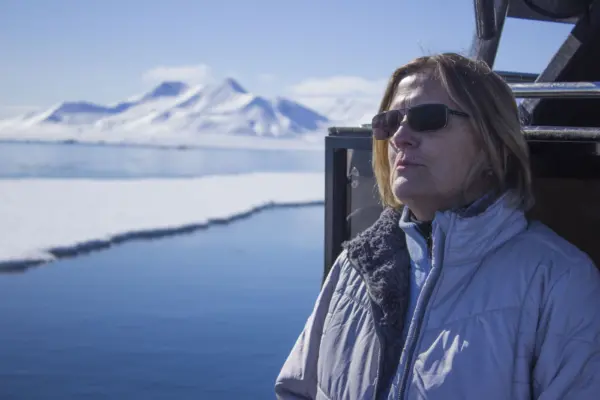
Sullivan is Administrator of the National Oceanic and Atmospheric Administration (NOAA) and the first American woman to walk in space. She’ll be at UCLA on October 18 to deliver the…
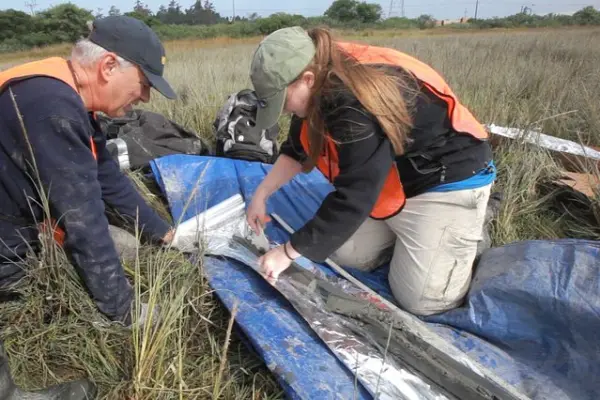
Clues from prehistoric droughts and arid periods in California show that today’s increasing greenhouse gas levels could lock the state into drought for centuries, according to a study led by…
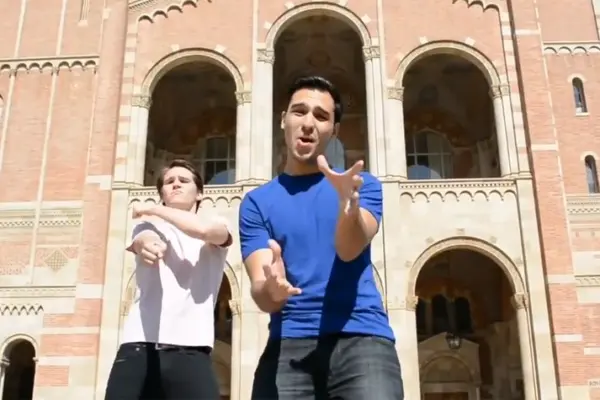
It’s also hard to imagine the rapper Macklemore ever reshaping his parody “Thrift Shop” into an ode to the Coriolis effect. But those are two of the entertaining student-made music…
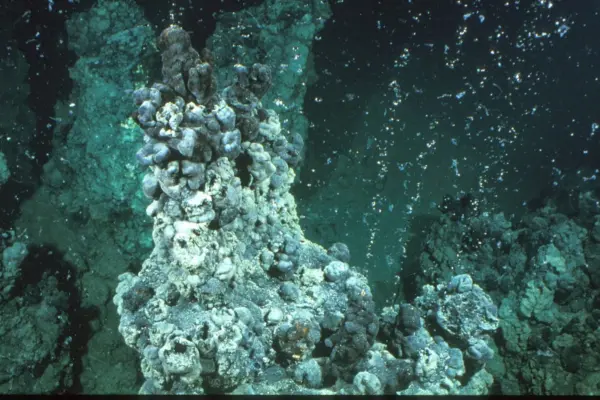
But it’s the interaction between the two that truly made life possible—and it may even hold solutions for climate change. As far as greenhouse gases measure up, methane is a…

I just finished my first year at UCLA, where I got to know eight graduating seniors quite well. I now feel that “youth as our hope” platitudes have merit. That…
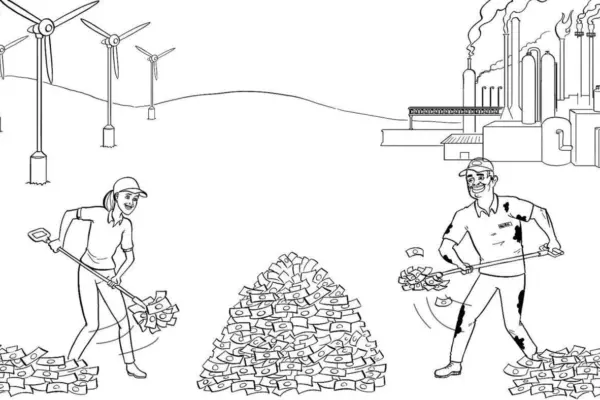
The public perception is that lobbyists fight for lax regulations, saving businesses money by allowing more pollution—often at great cost to public health and natural resources. That’s only one side…
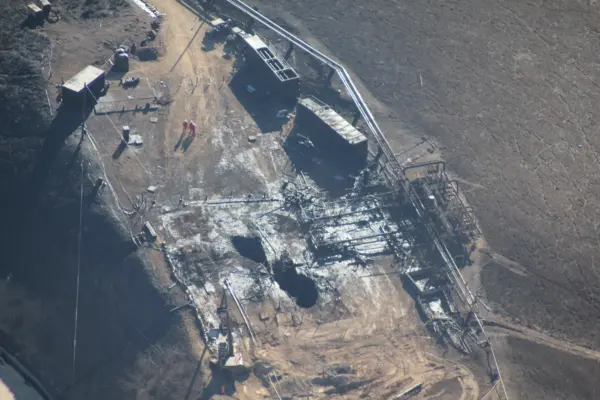
“Here in the Southland, we can help solve this part of the energy puzzle by using UCLA’s California Center for Sustainability Energy Atlas. The atlas displays aggregated electricity and natural…
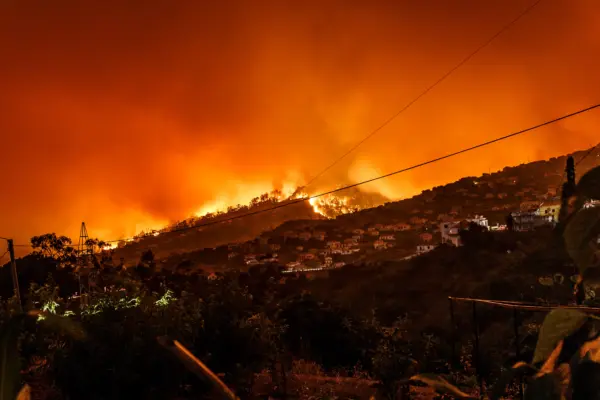
By Alex Ricklefs The song 4 Degrees, off the artist ANOHNI’s new album ‘HOPELESSNESS’, addresses the concerns of increasing climate change in a manner that most likely has never been…

The first Earth Day was covered for ten hours by The Today Show in 1970—a time when there was no cable television and network coverage meant a lot more than…

Daniel Swain elevates weather talk to the stratosphere. He’s a Ph.D student studying atmospheric patterns and extreme weather at Stanford University. He’s also the creator of the California Weather Blog,…

The stories of one famous tree—Methuselah, a 4,847 year-old California bristlecone pine—are the inspiration behind “Memory Rings,” an environmentally-themed play that will be staged next weekend by UCLA’s Center for…
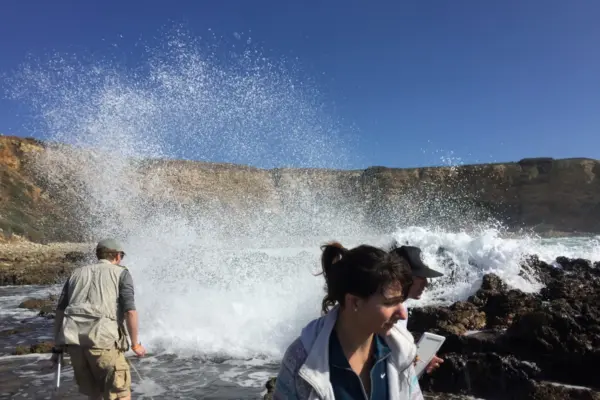
Time was of the essence, but they weren’t rushing to a music festival or spring break in Mexico—they just didn’t want to miss low tide. It’s a routine that Denita…

It was more than 16 million years ago, so times were different. But there was one important similarity with the world we live in today: The air contained about the…
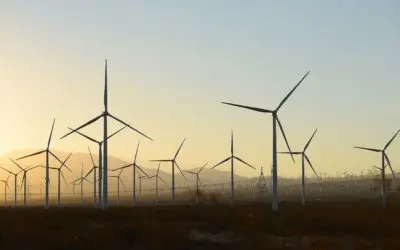
In front of a sold out crowd at UCLA, four experts debated the future of energy and the environment at Powering Earth 2050: Is California’s 100% Renewable Strategy Globally Viable?…
At tonight’s Oppenheim lecture—live streamed here at 7 p.m.—a panel of four experts will debate California’s plan to move to 100 percent renewable energy, and whether the strategy could work…
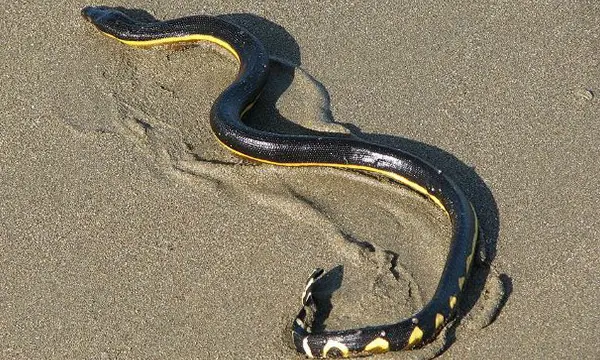
UCLA Newsroom recently asked La Kretz Center Director Brad Shaffer about why climate change makes it even more urgent to strengthen citizen science programs and connect them to established scientific networks.
