IoES News

Latest News

Zooming in on how climate change affects severe weather

UCLA weather expert Daniel Swain is part of a team that created a new four-step “framework” to more accurately test how climate change is pushing unprecedented weather events. It’s the latest study in a burgeoning field of climate science known as “extreme event attribution.” Testing their new framework, researchers found that human induced warming has increased the odds of severely hot weather across more than 80 percent of the globe.

Why I march for science

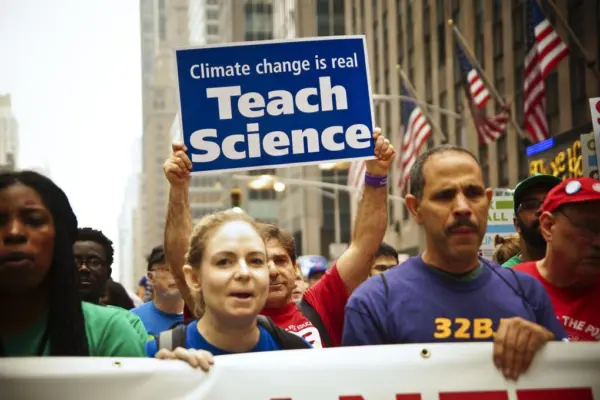
Stephanie Pincetl is one of the official speakers at Saturday's March for Science. Here's why she's marching.

Climate change puts California’s snowpack under the weather

The Sierra Nevada snowpack, which provides 60 percent of the state’s water via a vast network of dams and reservoirs, has already been diminished by human-induced climate change and if emissions levels aren’t reduced, the snowpack could largely disappear during droughts, according to findings in the study published today in the journal Geophysical Research Letters.

Oroville Dam crisis could be sign of things to come

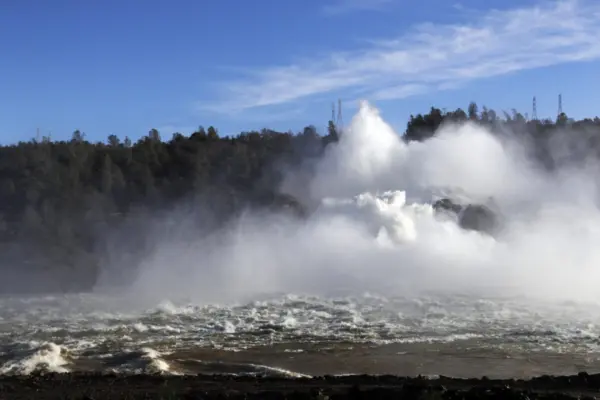
The recent crisis at Oroville Dam sheds light on an emerging problem for California's aging water resources infrastructure. Professor Alex Hall's research shows that, as temperatures warm in the Sierra Nevada, climate change could precipitate a deluge that will overwhelm a patchwork network of dams and reservoirs that supply 60 percent of the state's water.

Rising climate scientist honored by President Obama

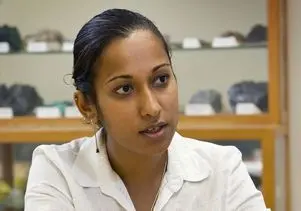
UCLA geochemist Aradhna Tripati received the highest honor the United States bestows on science and engineering professionals in the early stages of their careers—the Presidential Early Career Awards for Scientists…

Getting a better grip on gas taxes

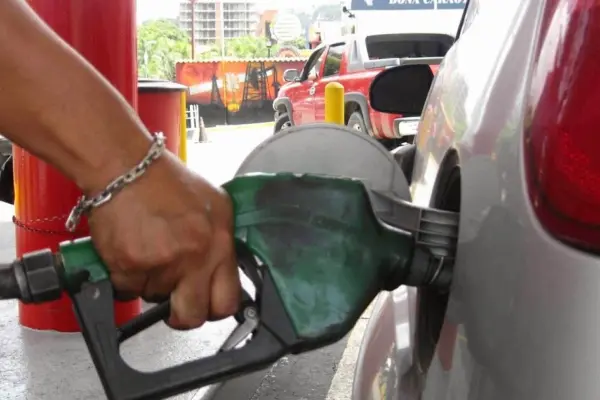
A study of gasoline taxes and subsidies in 157 countries shows global regression, even as a majority of countries made progress. It also offers a benchmark for holding governments accountable in the future.

Alex Hall receives American Geophysical Union Ascent Award

Alex Hall, UCLA professor of atmospheric and oceanic sciences and director of the Center for Climate Change Solutions, received a 2016 Atmospheric Sciences Ascent Award from the American Geophysical Union (AGU). The award…

NBC News: Energy Use Study

http://s3.amazonaws.com/TVEyesMediaCenter/UserContent/183862/4448778.5427/KNBC_01-13-2015_04.58.47.mp4

Post-carbon Cities – the Urgency of Now

Post carbon cities are post-waste cities that confront the reality of our limited resources and overtaxed planet. Compost will be a way of life, as will sophisticated recycling and supply chain management. We no longer assume unlimited energy and planetary resources. We understand that our margin for resource extravagance is now razor-thin and that we can’t just override the constraints of natural systems by applying more brute carbon based energy. Earth resources are finite; its atmosphere sensitive. Instead, we recycle and repurpose as much as possible. Post carbon is about doing more — and better — with less.