
IoES News
Latest News

A new generation of barriers to California’s public coast
The California Coastal Act promises that the coastline be open to all, but 40 years after its passage, new obstacles have emerged. And they'll take more than new beach paths to overcome.
Arctic oil and environmental legacy in the crosshairs
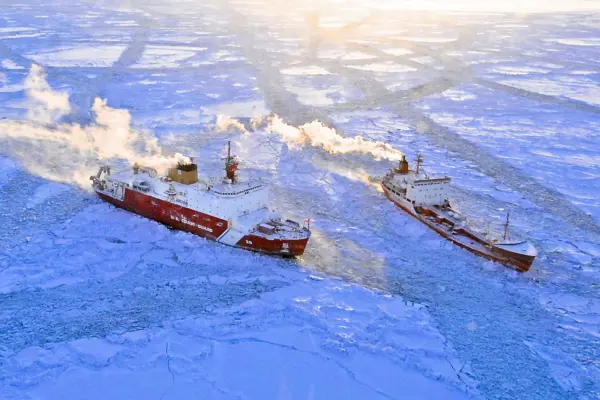
President Barack Obama's Arctic oil drilling ban and environmental legacy are in President Trump's crosshairs. Obama’s last days in the Oval Office included a flurry of new environmental protections. In his first days the incoming president is busy taking actions to dismantle them. President Barack Obama's environmental legacy and his Arctic oil drilling ban are in the crosshairs of the new president. Obama's last days in the Oval office included a flurry of environmental protections. The first days of the Trump administration efforts are being made to dismantle them.



Bait and switch: UCLA study finds fish fraud runs rampant
A new study from researchers at UCLA and Loyola Marymount University checked the DNA of fish ordered at 26 Los Angeles sushi restaurants from 2012 through 2015, and found that…
Study designed in La Kretz Center workshop included in Conservation Biology’s top papers list
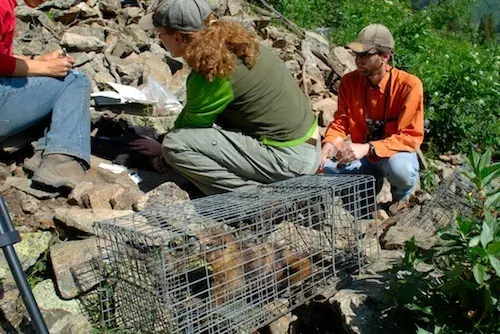
UCLA research on the role of behavioral ecology in improving wildlife conservation and management was cited as one of the most popular papers in a top science journal. “A systematic survey of…

New book co-authored by Brad Shaffer covers conservation risks faced by sensitive California species
One of the most important hotspots of biodiversity in the United States, California is home to many native amphibians and reptiles found nowhere else on earth. Climate change impacts, human development,…

California’s past and future coastal habitat
As conservationists brace for changes in habitat from a rise in sea level, it bears taking into account lessons from the past. When it comes to California, topography played a major…
Spotting conservation clues on the wing
A hunch that feathers contain good DNA samples is helping conservation efforts for America's declining songbird populations. It’s also connecting bird enthusiasts and researchers across the continent.

Eight scientific visions for a thriving planet
At Earth Now: Earth 2050, UCLA's top environmental thinkers gave short talks on the paths we must take to have a sustainable planet in decades to come.
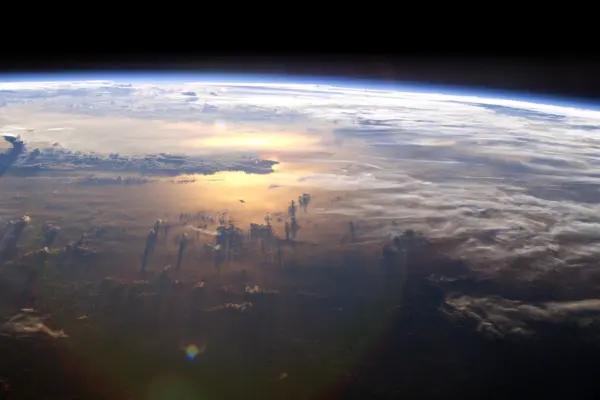
NBC News: Energy Use Study
http://s3.amazonaws.com/TVEyesMediaCenter/UserContent/183862/4448778.5427/KNBC_01-13-2015_04.58.47.mp4

Finding climate answers through a Sierra Nevada haze
A new study shows that temperatures in the Sierra Nevada could rise up to 10 degrees, threatening ecosystems, California's water supply—and increasing the risk of wildfires.
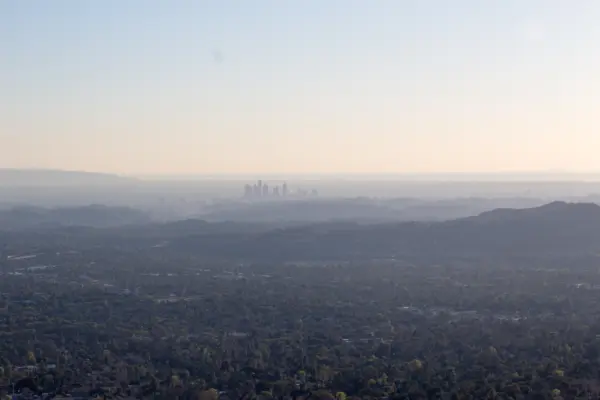
Post-carbon Cities – the Urgency of Now
Post carbon cities are post-waste cities that confront the reality of our limited resources and overtaxed planet. Compost will be a way of life, as will sophisticated recycling and supply chain management. We no longer assume unlimited energy and planetary resources. We understand that our margin for resource extravagance is now razor-thin and that we can’t just override the constraints of natural systems by applying more brute carbon based energy. Earth resources are finite; its atmosphere sensitive. Instead, we recycle and repurpose as much as possible. Post carbon is about doing more — and better — with less.
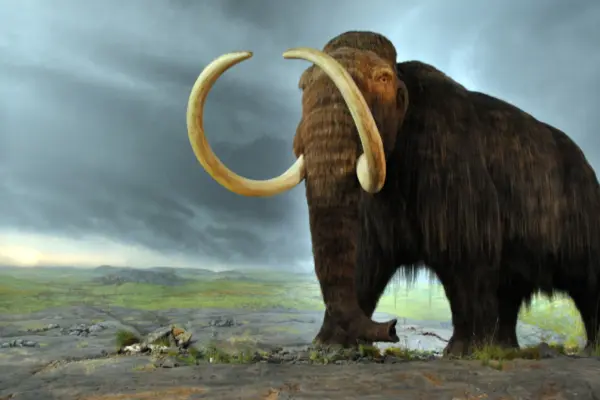
Future of the wooly mammoth
Is Earth's sixth mass extinction really underway? An expert panel including Stewart Brand, an advocate of de-extinction and co-founder of Revive and Restore, will discuss the causes and consequences of mass species loss and what can be done to protect endangered species.

Tiffany Yap comes to the rescue of salamanders
Tiffany Yap, a recent graduate of the Environmental Science and Engineering doctoral program, has already found herself in the academic limelight. Her research on the potential decimation of salamanders was…
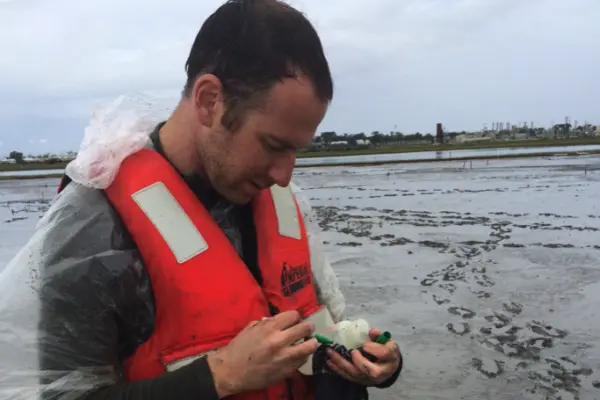
Dissertation Year Fellowship
Jordan Rosencranz has been awarded a UCLA Dissertation Year Fellowship, which is designed to help students in the final writing stage of their doctorates. For his research, Rosencranz partnered with…
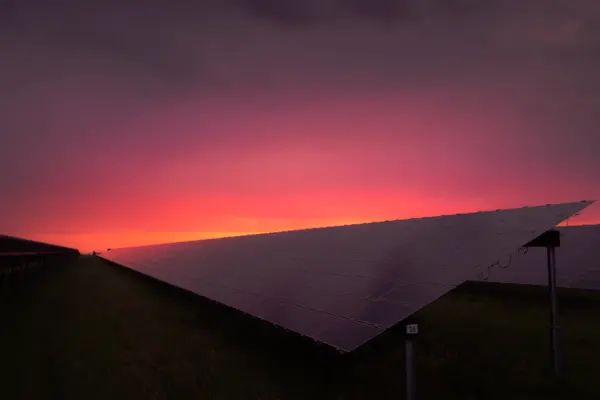
Cheap Solar is Great, but Don’t Forget About Storage
By Eric Daniel Fournier, M.A., M.E.Sc., Ph.D. In June of this year, the global news media reverberated with reports of a record shattering low bid for the world’s cheapest commercial…
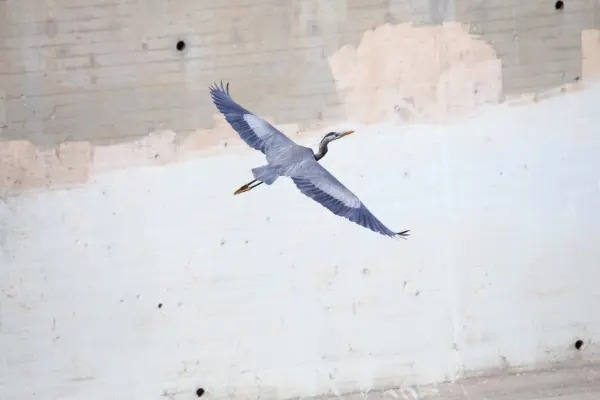
L.A. River is a living experiment
The L.A. River is getting a massive makeover. To many Angelenos, the cement-lined urban waterway has become a symbol of future hope that past environmental harm can be remedied. A…
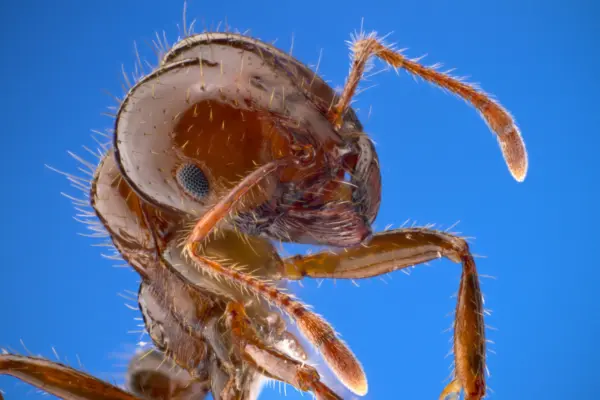
The $77 billion bug invasion
Ten species of invasive insect account for $77 billion in annual global economic damages, according to the first in-depth study on the subject, published today in Nature Communications. Even that…
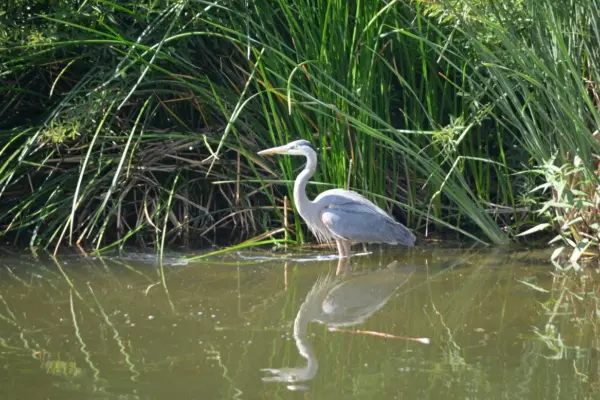
The future for wildlife in a revitalized L.A. River
Will the restored waterway once again be a habitat for native fish and plants? A UCLA La Kretz Center expert weighs in
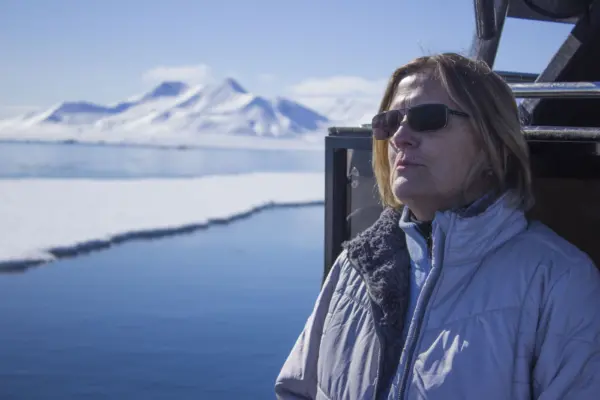
A planetary perspective from Kathryn Sullivan, head of NOAA
Sullivan is Administrator of the National Oceanic and Atmospheric Administration (NOAA) and the first American woman to walk in space. She’ll be at UCLA on October 18 to deliver the…
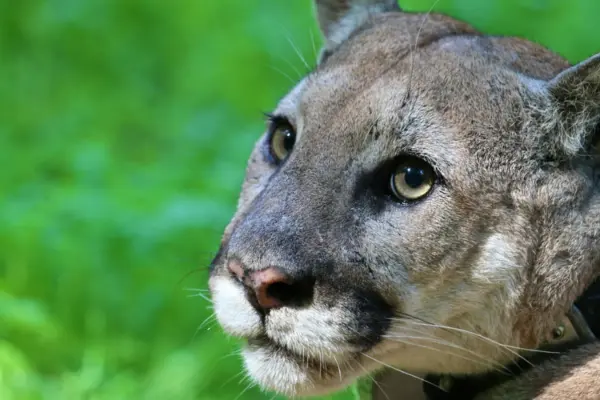
Local Mountain Lion Population Faces Precipitous Decline in Genetic Diversity Within 50 Years, Possible Extinction
A paper published by La Kretz postdoc John Benson and National Park Service scientists found that mountain lions in the Santa Monica Mountains face the possibility of extinction in the near future
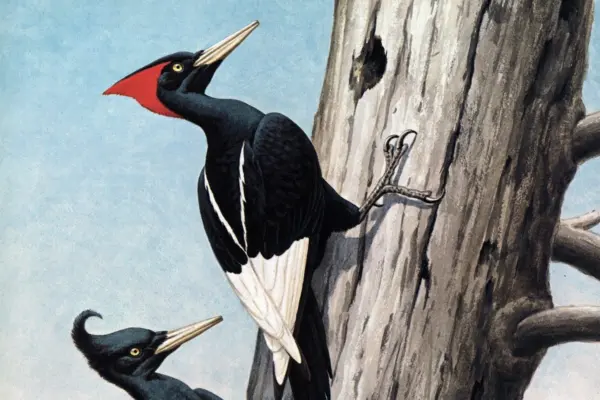
Human tales on extinction and endangered species
Ursula Heise was surprised by the animal’s intelligence and ability to communicate. She began observing birds and other animals in nature and thinking about their survival through the lens of…