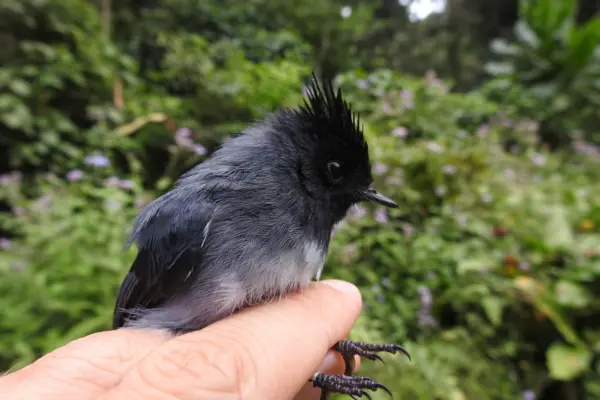
As the climate warms, birds in the East Africa mountains are getting bigger
UCLA-led research casts doubt on a long-held theory about warming and body size

UCLA-led research casts doubt on a long-held theory about warming and body size

Join us during the EEB Seminar Series to hear from La Kretz Postdoctoral Candidates Joseph Curti, Devon DeRaad, and Whitney Nakashima

Jan. 20,2024: Deep Impact features a post-screening conversation with Stephanie Pincetl, Professor, Director, California Center for Sustainable Communities Institute of the Environment and Sustainability, UCLA. Moderated by Sammy Roth, Climate Columnist, Los Angeles Times. Buy tickets now.
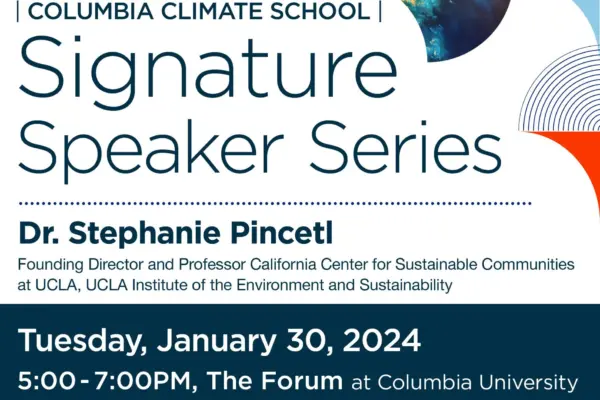
“What Would Be A Just Energy Transition?" Register now for the Columbia Climate School Signature Speaker Series with Stephanie Pincetl on Jan. 30 in NYC.

This project aims to combat extreme heat through a comprehensive Heat Ambassador initiative, focusing on educating and protecting heat-vulnerable communities. Greater Los Angeles – $2,999,999 Lead: University of California, Los Angeles/Los Angeles Regional Collaborative Partners: Fernandeño Tataviam Band of Mission Indians, Rising Communities, Los Angeles County Department of Public Health

CTR Team member, Jen Tinsman, a forensic wildlife biologist at the U.S. Fish and Wildlife Service, has been featured on “The Science Podcast.” Jen is at the forefront of the…
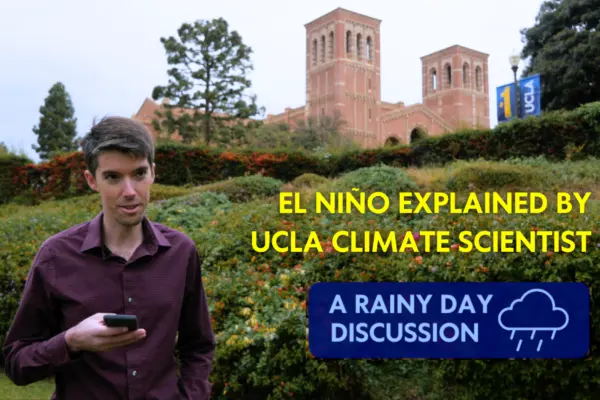
Originating in the Eastern Tropical Pacific Ocean off the coast of Peru, El Niño may seem like a distant force to Californians. But the weather phenomenon exerts a profound and far-reaching influence, intricately shaping the state's hydroclimate.

Connect with us on social media for key sustainability updates and to stay in the know about UCLA’s ongoing environmental research. Instagram @UCLAIoES Bluesky @UCLAIoES Facebook @UCLAIoES Threads @UCLAIoES TikTok…

Powerful genomic approach could boost efforts to slow illegal trade of pangolins
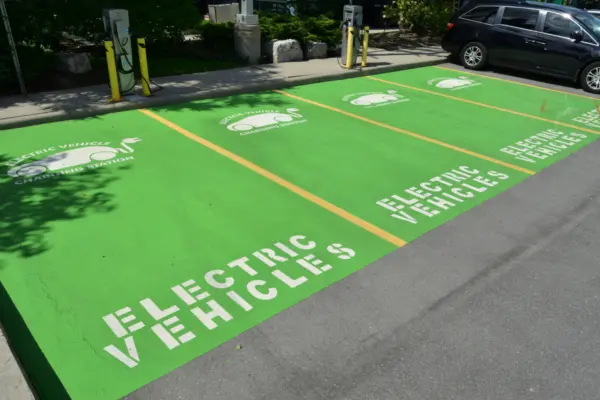
But that’s not the whole story. The traffic corridors that run through disadvantaged areas to spread those clean-air benefits remain a source of heavy pollution from gas-powered vehicles. The study…
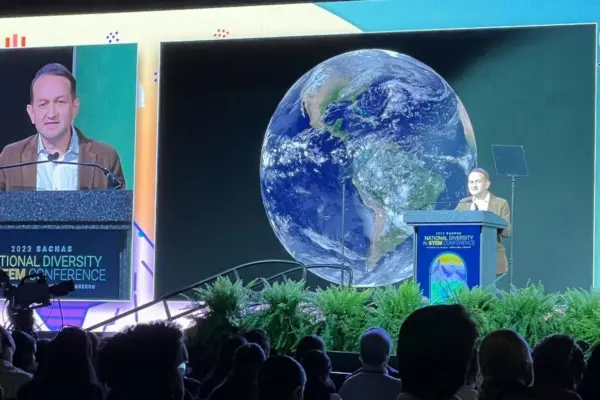
I am an associate professor in the Department of Ecology and Evolutionary Biology and co-director of the Center for Tropical Research in the Institute of the Environment and Sustainability. I…

In 2021, after the LA100 analysis laid out pathways for the city of Los Angeles to produce 100% renewable electricity, the City Council and Los Angeles Department of Water and Power committed…
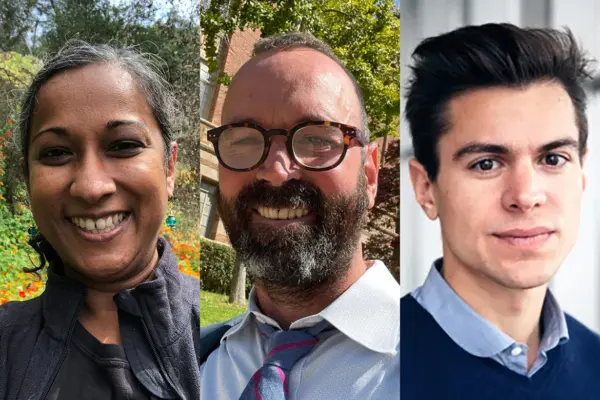
Three UCLA professors contributed to the Fifth National Climate Assessment, a report emphasizing the pervasive and inequitable nationwide harms of climate change, which was released by the White House on Tuesday. Co-authors…
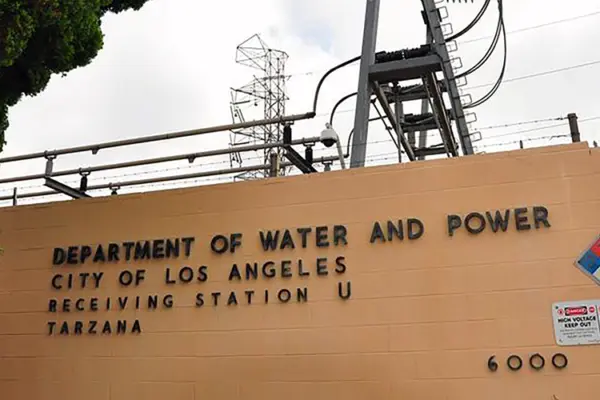
The public utility asked, and more than 20 UCLA faculty and researchers with expertise in engineering, environmental science, law, labor studies, public health, and public policy answer in a new report, LA100 Equity Strategies. Researchers, in partnership with Rachel Sheinberg, wrote Chapter 13: Energy Affordability and Policy Solutions, providing specific recommendations for robust, long-term, structural solutions to LADWP’s customers’ ability to pay their bills.
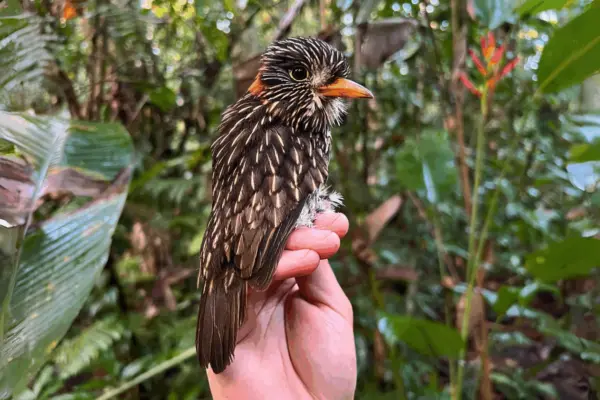
A UCLA-led international team also found high levels in carnivorous birds and those in aquatic habitats
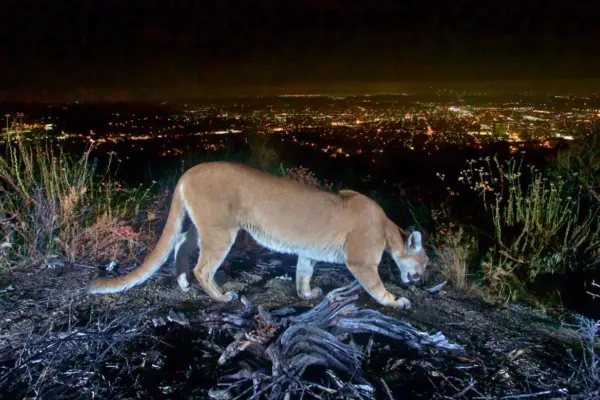
As ambush predators, mountain lions thrive under the cover of darkness. But what happens in Southern California, where artificial light makes every night twice as bright as if there were a full moon?
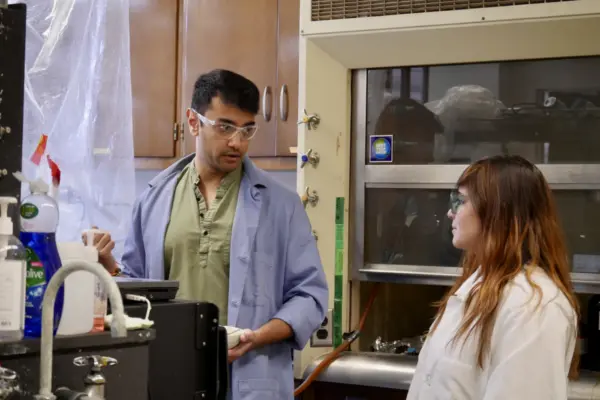
Alumni played major roles in global sustainability efforts across six decades

Research conservationist receives honor for efforts to protect West African forests from wildfire and other threats
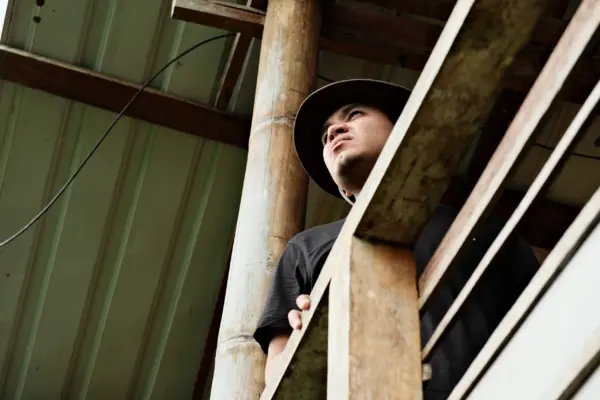
by 2023 Pritzker Award Finalist Juan Carlos Monterrey Gómez As the lead climate negotiator for Panama at COP26, I entered the fray determined to counter the apathy of decision makers and…
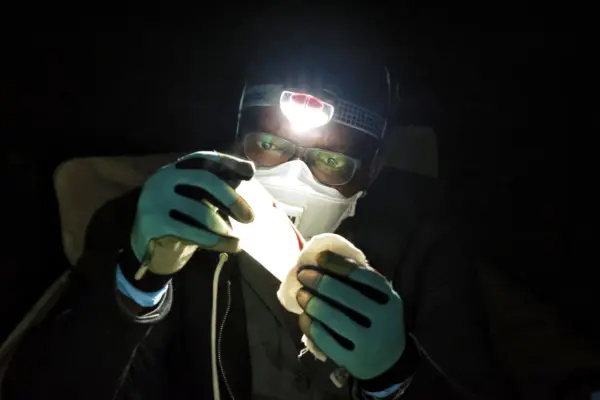
by 2023 Pritzker Award Finalist Iroro Tanshi Our world is on fire. Australia, Europe, Canada, California, and even my homeland, Nigeria and West Africa — all are witnessing climate-enabled wildfires…

by 2023 Pritzker Award Finalist Hana Raza I was born in the rugged mountains of Iraqi Kurdistan, where history has been a tale of persecution and resilience. The richness of…
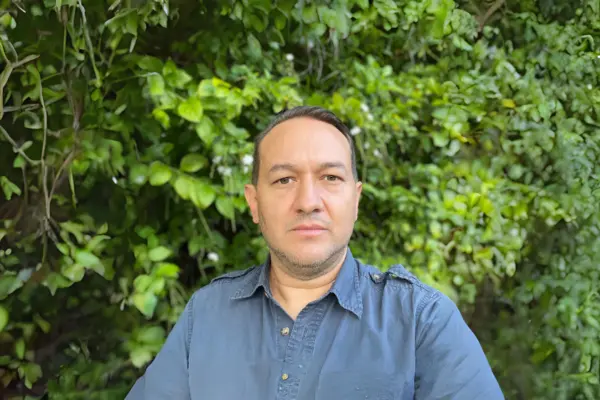
Felipe Zapata, an associate professor in UCLA’s Department of Ecology and Evolutionary Biology, has stepped into a new position as the co-director of the Center for Tropical Research. He will…
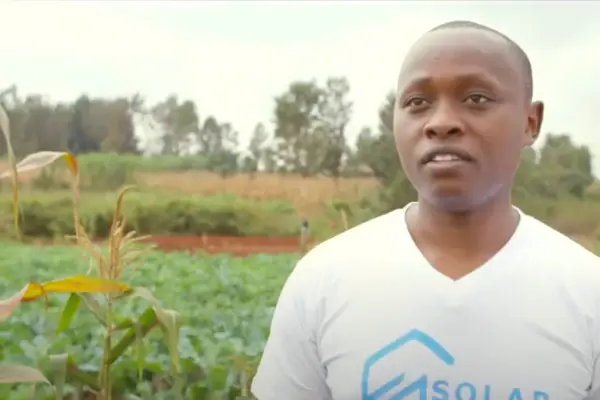
Kisilu will again visit UCLA on Thursday, October 26, when we’ll announce this year’s Pritzker Award winner from three finalists. We recently discussed his work in the past year and…
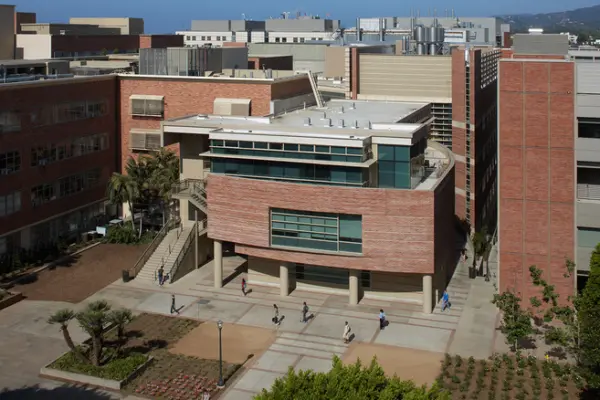
It has been interesting talking to prospective PhD students. Clearly motivated to engage with the issues of environment and increasingly that of environmental justice, it seems most wish to be able to measure impacts in order to better describe their effects on environmental justice communities. Few, if any, ask the why questions, questions about how these situations arise, about the structuring forces that created inequalities and profoundly unequal environmental impacts involving the poisoning of communities.