
Abalone Larvae Settlement and the California Crustose Coralline Algae Microbiome
Awardee: Zoe Saxer, Undergraduate with the Institute of the Environment and Sustainability
Awardee: Zoe Saxer
Bio:
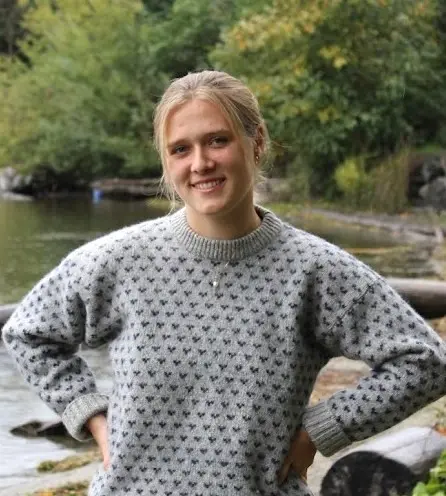
Zoe Saxer is a second-year Biochemistry/Environmental Systems and Society student at UCLA. Zoe is interested in the impacts of climate change on marine ecology at a microbial and molecular level. She currently conducts research as an undergraduate in UCLA’s Medina Lab and Sustainable LA Grand Challenge. She is originally from Seattle, Washington and loves to surf, camp, ski, and watercolor in her free time!
Project:
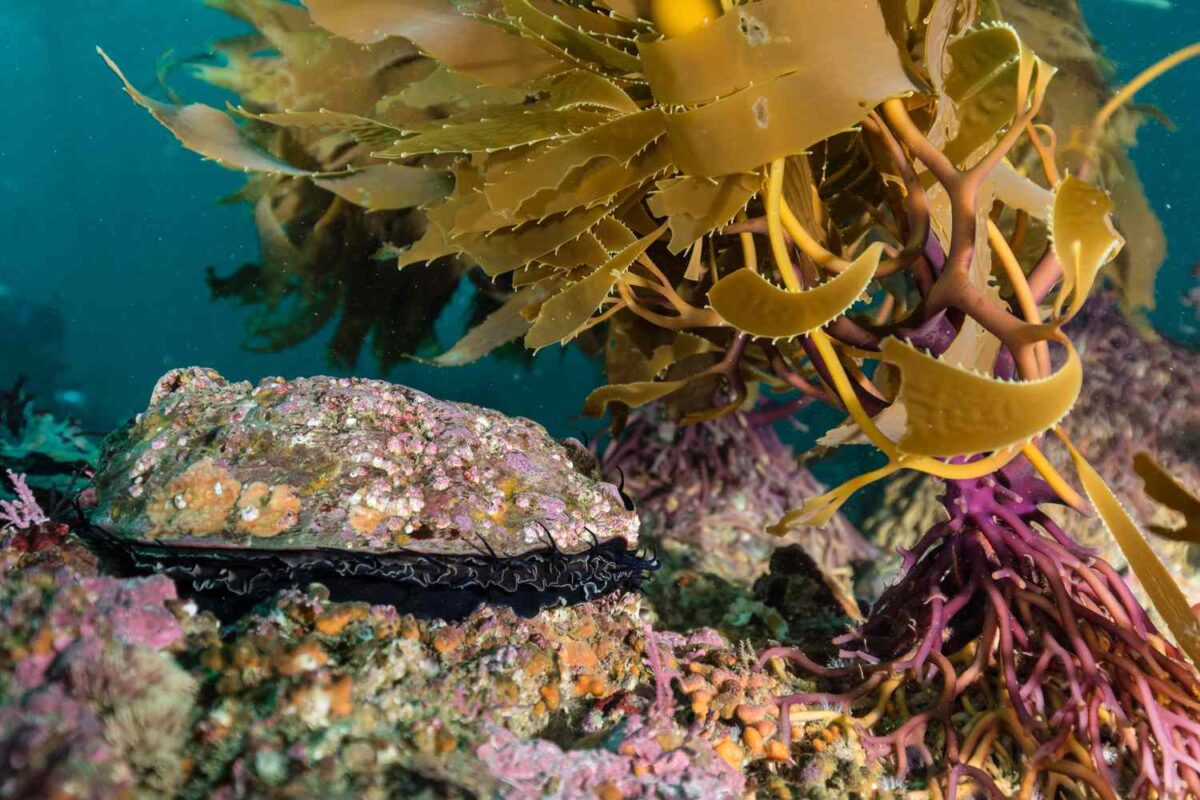
This project studies the role of California-specific species of crustose coralline algae (CCA) and its biofilm as a settlement substrate for abalone, a critically endangered invertebrate key to the health of California’s kelp forests and central to indigenous cultural traditions. The aim is to determine which CCA species are responsible for most successfully inducing red and white abalone (Haliotis rufescens and Haliotis sorenseni) larval settlement. Bacteria will be isolated from settlement-inducing CCA species to determine the bacterial taxons most productively inducing settlement. This research will contribute to broadening scientific knowledge of the abalone life cycle and the microbial factors at play in marine invertebrate settlement. These developments directly inform conservation efforts aimed at supporting extremely threatened California abalone populations.
Project Team
Project Type: Research Project
Year: 2026
SAR Research Topics
Status: Ongoing