
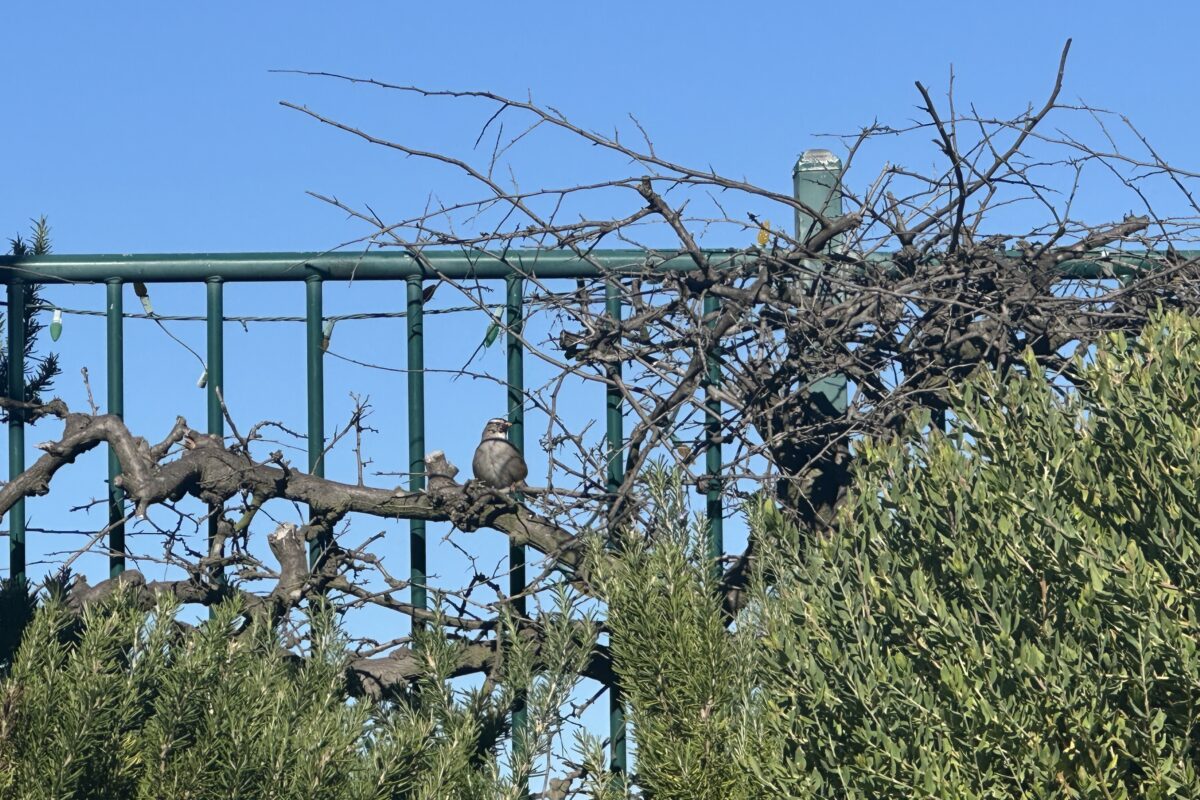
Ambient Temperature and Bird Flight Initiation Distance in Urban vs. Rural Population Areas
Awardee: Gauri Vishnoi; Undergraduate in Ecology, Behavior, and Evolutionary Biology department.
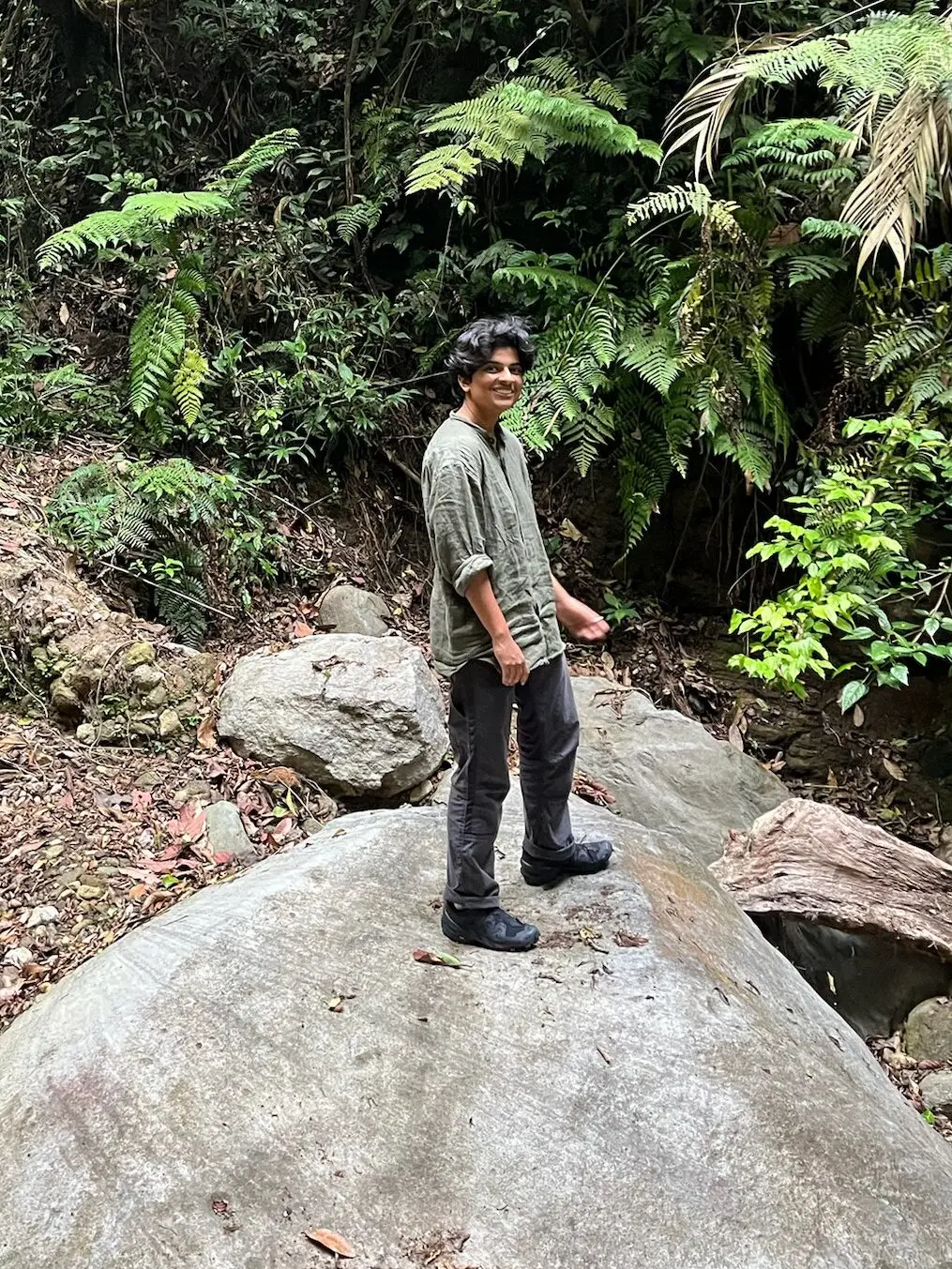
Awardee: Gauri Vishnoi
Bio:
Gauri Vishnoi is a fourth-year undergraduate pursuing a B.S in Ecology, Behavior, and
Evolution, with a minor in Evolutionary Medicine. He grew up spending time outside and
developed a deep passion for all wildlife, although he is partial to birds and snakes. He is currently
interested in animal behavior, specifically the shifts in anti-predator behavior of urban birds. In
the past he has worked as a field research assistant in Costa Rica, and in the future, would like to
continue working in tropical conservation and eventually pursue a PhD in conservation. In his
free time he loves to be outdoors, whether climbing, scuba diving, or backpacking.
Project:
Antipredator behavior in birds often shifts in urban environments, and these differences are
commonly measured using Flight Initiation Distance (FID). My research examines how ambient
temperature influences FID in urban and rural birds across Los Angeles. While urban birds
typically show shorter FIDs due to habituation and frequent exposure to humans, the role of
temperature in shaping these responses remains understudied. By exploring how temperature
interacts with habitat type to affect FID, my project aims to shed light on the phenotypic
plasticity of birds and how rising temperatures and expanding human development may
influence their survival and behavioral strategies.
Project Team

Project Type: Research Project
Year: 2026
SAR Research Topics
Status: Ongoing