
Ecology
Sage Hill protects one of the last remaining patches of native habitat on the UCLA campus. Here, visitors can experience coastal sage scrub and oak woodland ecosystems that once covered much of Los Angeles before urban development transformed the region.
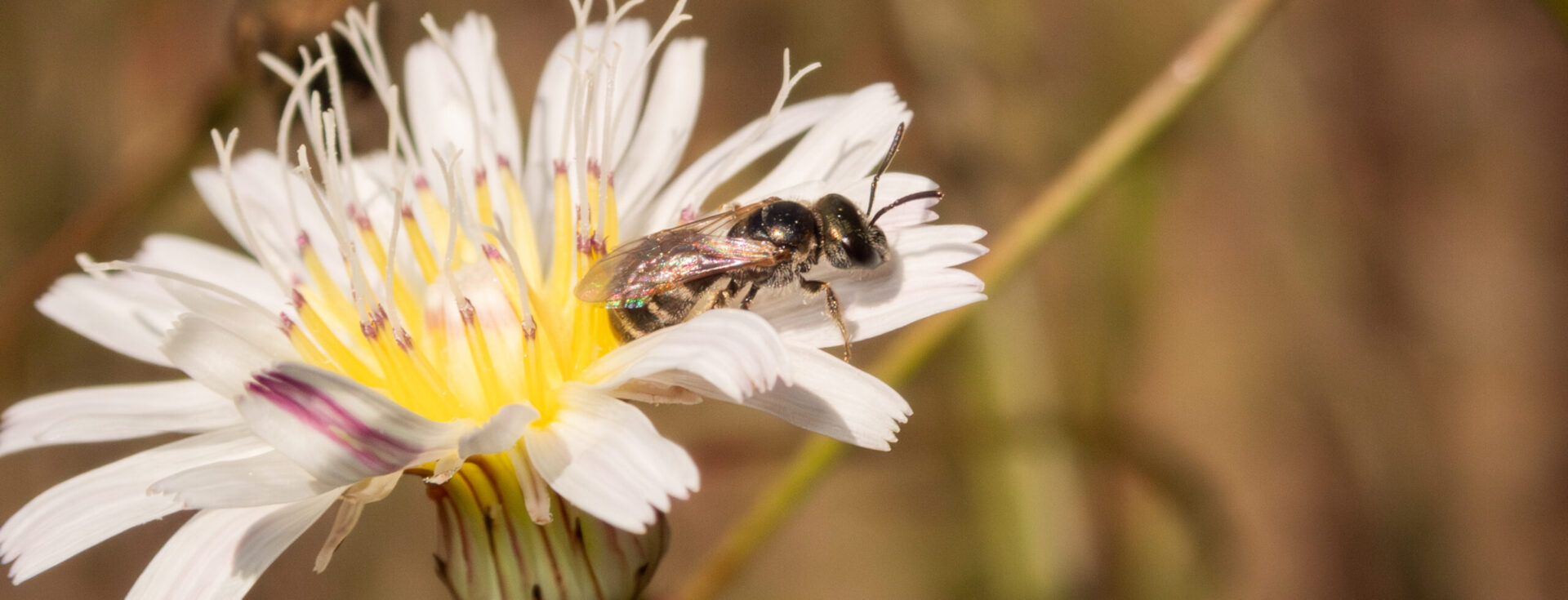
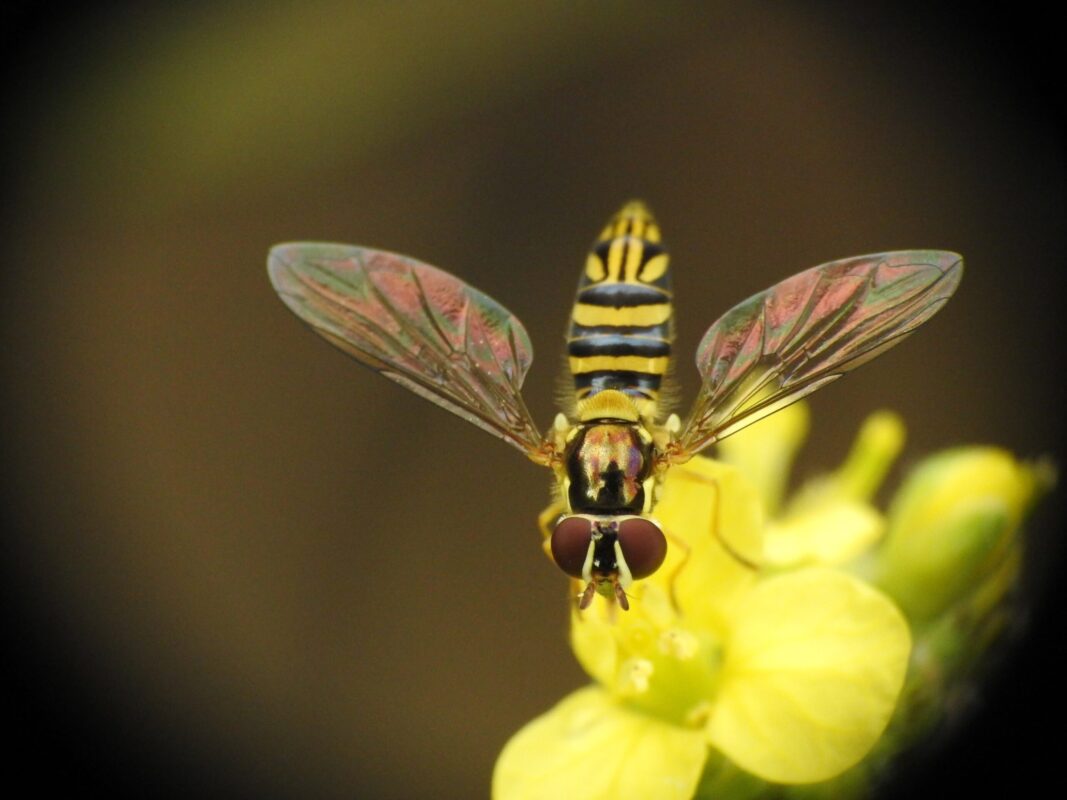
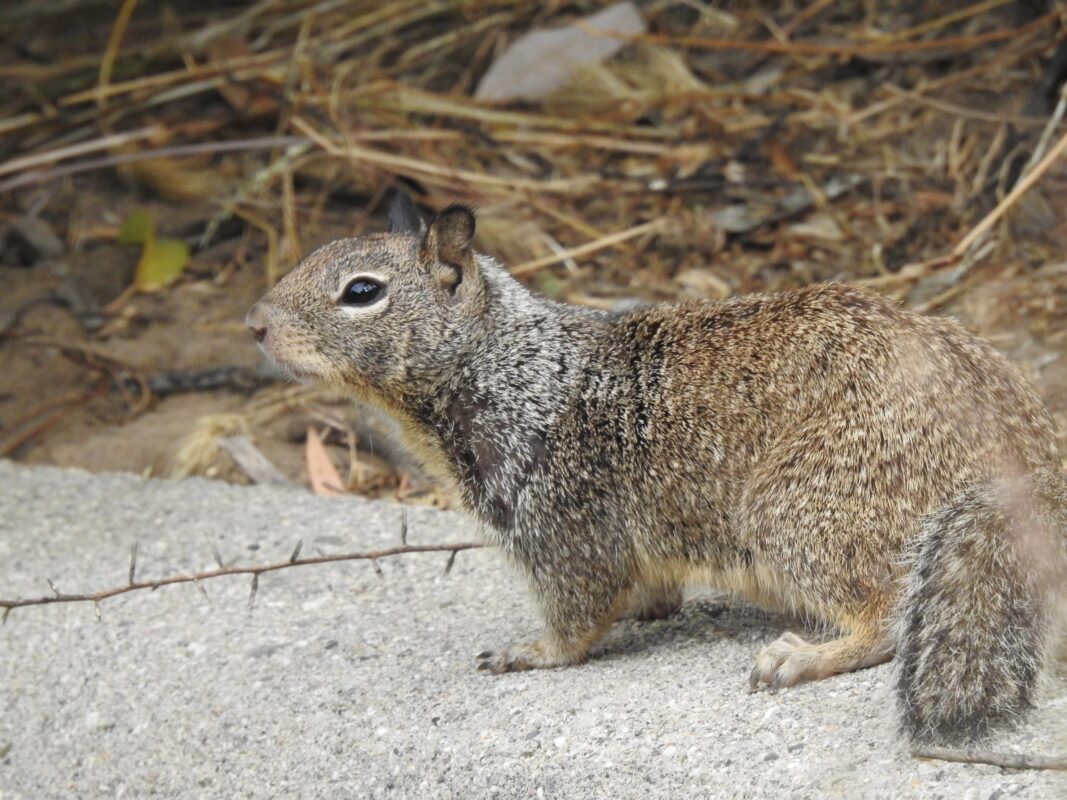
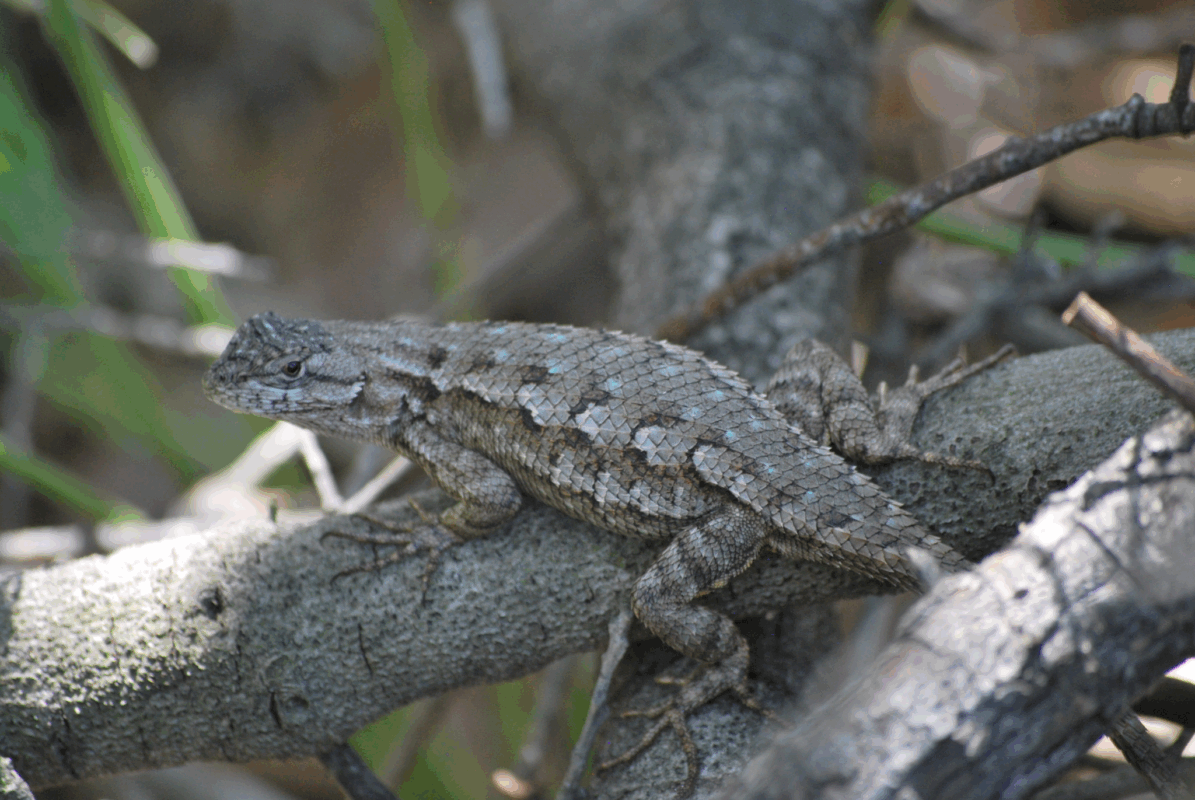
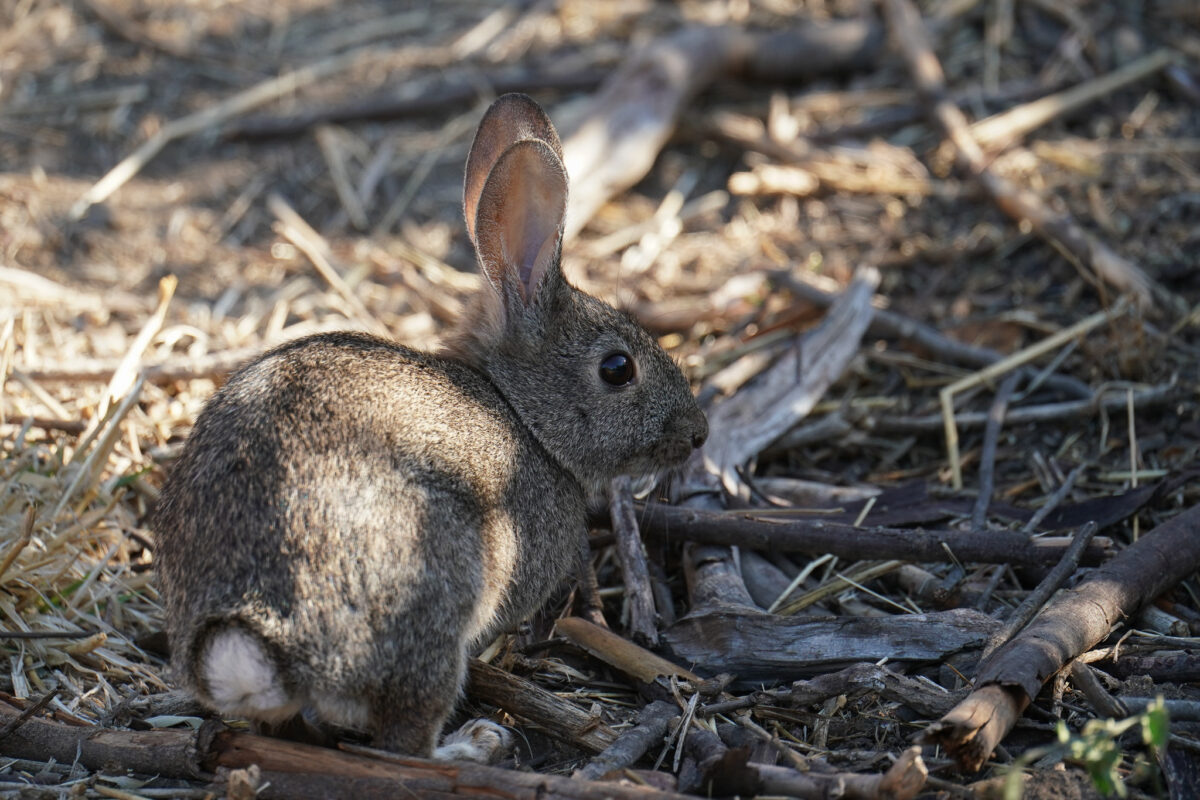
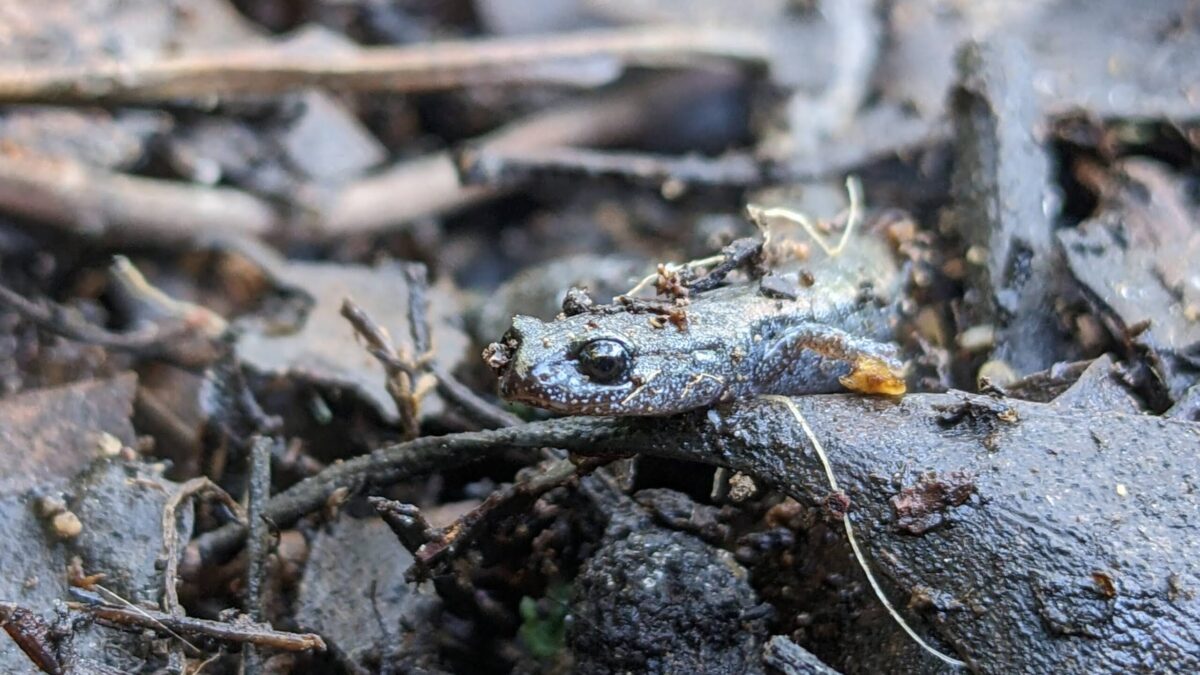
Despite its location in the heart of the city, Sage Hill continues to support a remarkable diversity of life — from native wildflowers and shrubs to birds, butterflies, reptiles, mammals, and amphibians. Species such as California ground squirrels, brush rabbits, western fence lizards, slender salamanders, and a wide variety of pollinators all find habitat within this small but resilient landscape.
This page serves as a gateway to explore the ecology of Sage Hill in more depth:
- Natural History – Learn how this landscape has changed over time and how Sage Hill survived as a remnant of pre-development Los Angeles.
- Plant Species List – A comprehensive vascular plant list compiled from historical herbarium records, academic studies, and community science observations.
- Bird Species List – A record of resident and migratory birds observed at Sage Hill, including historical and contemporary data.
- Research & Projects – Learn about past studies and student projects conducted at Sage Hill. Each entry includes a short summary of the project and its findings.
- iNaturalist Observations – Sage Hill has more than 750 documented species, recorded through community science. This page highlights a curated selection of recent observations. Visit the full Sage Hill iNaturalist project to explore the complete and continually growing record of biodiversity on campus.
Together, these resources highlight Sage Hill’s role as a living laboratory for teaching, research, and conservation — and as an important refuge for native biodiversity within Los Angeles.

Biodiversity Action Research Team (2015)
The Biodiversity Action Research Team conducted a comparative study of manicured and non-manicured landscapes across UCLA’s campus to assess how landscaping practices influence biodiversity. By surveying plant, bird, and insect species in six locations, the team found that areas with more diverse, native, and non-manicured vegetation supported significantly higher bird biodiversity and greater overall ecological resilience. Based on these findings, the team proposed targeted re-landscaping of select campus areas using native, drought-tolerant plants to enhance biodiversity, reduce water use, and create more sustainable and resilient campus ecosystems.
View Biodiversity Action Research Team 2015 Report (pdf)