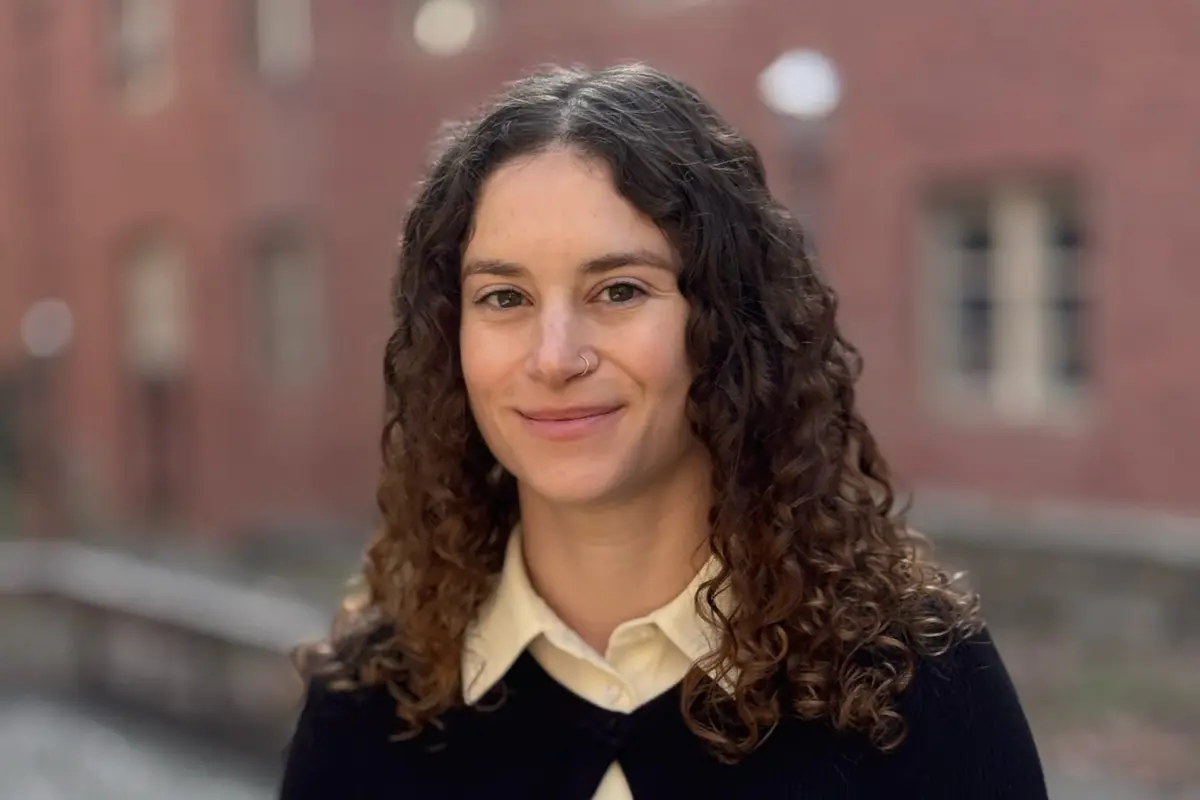
PhD Candidate Spotlight: Rachel Sheinberg and the Future of Equitable Energy
Rachel Sheinberg, a Ph.D. candidate at the UCLA Institute of the Environment and Sustainability (IoES) graduating this year, studies a critical challenge in the clean energy transition: who benefits, and who could be left behind.
Rachel Sheinberg, a Ph.D. candidate at the UCLA Institute of the Environment and Sustainability (IoES) graduating this year, studies a critical challenge in the clean energy transition: who benefits, and who could be left behind.
For the past 6 years, Sheinberg has researched renewable energy and electricity affordability in Los Angeles, ensuring that policies designed to address climate change also account for the communities they affect. Sheinberg’s research reflects the mission of IoES: approaching environmental challenges as technical, scientific, and social issues.

She studies with researchers across Public Affairs, Engineering, and Law at IoES and collaborates with the City of Los Angeles Department of Water and Power (LADWP) on the LA100 Equity Strategies Project. She leverages the opportunity to gain perspectives from diverse disciplines and communities to explore a clean transition without worsening inequalities.
As cities across the country move toward ambitious renewable energy goals, the challenge is no longer whether a transition is technically possible. The transition will affect how residents power their homes and pay their utility bills, making a solution that works for everyone essential to long-term success. Understanding and addressing those impacts has become a defining challenge of the clean energy transition.
“Programs that are not designed to explicitly address past inequities could potentially perpetuate them,” she said.
LA100 Equity Strategies
That approach became especially important in one of Los Angeles’ most ambitious sustainability efforts: the LA100 Equity Strategies project.
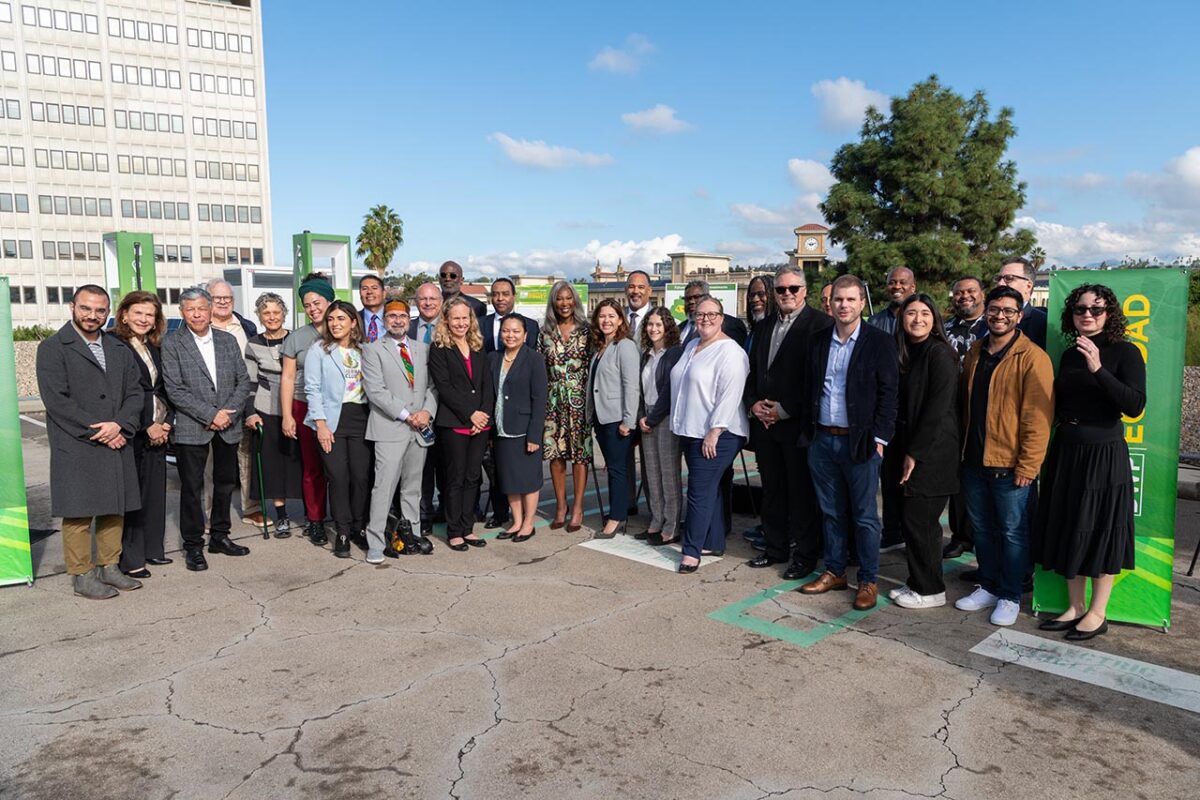
LAWDP, the largest municipal utility in the country, has been researching the feasibility of transitioning to a 100% renewable energy system. While prior studies confirmed that the transition is feasible, a transformation of this scale also requires community backing. To achieve this, the LA100 Equity Strategies report offers a clear understanding of how its impacts may be experienced differently across the city, as well as strategies to achieve the transition with an equitable impact.
The research also revealed that access to the benefits of clean energy was already skewed towards wealthier residents; of the $5.4 million spent on electric vehicle rebates between 2013 and 2021, only 23% reached underprivileged communities.
The strategies Sheinberg helped to develop focused on reducing these barriers for historically underserved communities. These recommendations in the LA100 Equity Strategies report included expanding low-income bill assistance, increasing access to cooling and weatherization programs, creating community solar opportunities, incentivizing the adoption of affordable electric vehicles, and prioritizing new grid investments in communities that need them most. She emphasizes that at the center of each strategy is sustained community engagement, ensuring local voices remain a part of the planning process.
“It was just kind of incredible timing that I was working here at UCLA while the city of LA and the utility here were planning to integrate equity into their renewable energy plan,” she said.
As part of that effort, she worked alongside an advisory board of 14 environmental justice organizations across Los Angeles, incorporating community concerns into planning for future energy infrastructure.
She then developed the Residential Energy Transition (RESET) tool alongside UCLA researchers Stephanie Pincetl, Eric Fournier, Spencer Mathews, Gregory Pierce, Lauren Dunlap, and Julia Skrovan. The tool translates years of research into a resource that demonstrates how electrification and energy pricing decisions affect households.
RESET is a game-changer and will be incredibly useful both to inform repairs with transparency and predictability during the transition and “to push change forward and be used as a tool by advocates,” she said.
Energy and Equity
Sheinberg’s interest in equity and energy emerged before graduate school, while working at a solar company in Massachusetts that focused on expanding renewable energy access. There, she saw firsthand that clean energy benefits were not equally accessible.
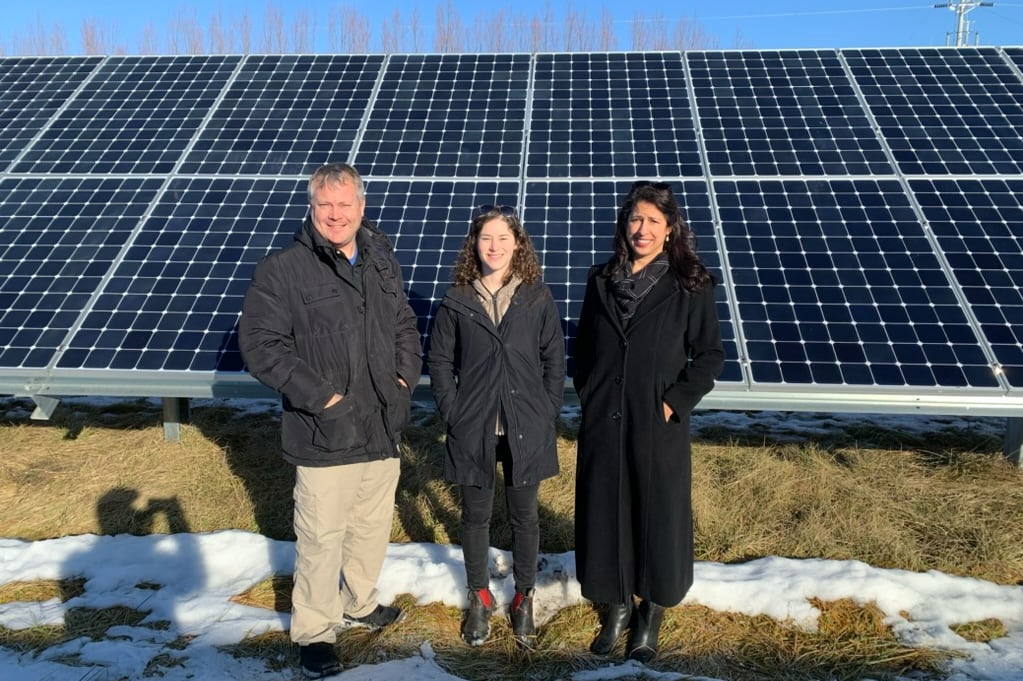
Rising electricity costs or new technologies may be manageable for some households, but for others, they can be significant burdens. Sheinberg realized that plans for a clean energy transition could not succeed if affordability and equity were treated as secondary considerations.
She found that “bringing equity into the conversation is actually… a benefit and not a hindrance to the climate conversation.”
This realization led her to UCLA and IoES, where she was drawn to the opportunity to work with people from all different backgrounds. Sheinberg feels that her “experience in graduate school as an IoES Ph.D. student has been very unique… because of its interdisciplinary nature.”
She describes one of the most valuable parts of that experience as “the opportunity and also the necessity of translating across disciplines,” connecting researchers, policy makers, engineers, and community organizations around shared goals.
Looking Ahead
As she prepares to begin a postdoctoral position at UCLA’s Luskin Center for Public Affairs, Sheinberg says one of the most rewarding aspects of her Ph.D. has been creating partnerships among researchers, utilities, and communities.
Looking ahead, she hopes “the inclusion of these community – based organizations and community voices in the planning process for infrastructure… continues.”
As cities move toward cleaner energy systems, Sheinberg’s work suggests the transition will ultimately be strongest when community voices are part of the process, ensuring that progress means moving toward both a more sustainable and equitable world.
Meet the Author