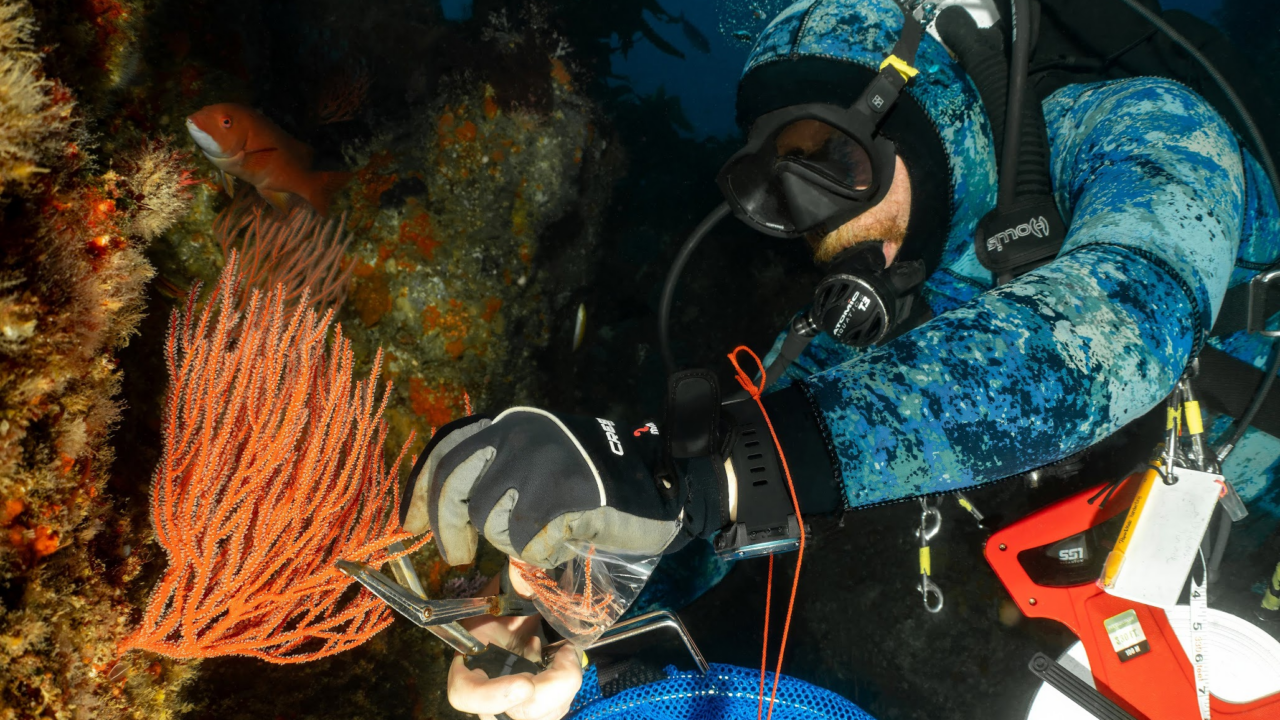
An expedition to Catalina Island’s deep reefs investigates rare California cold-water corals, using lab-based geochemical and molecular tools to understand how these fragile species build skeletons and endure ocean change.
The Bay Foundation practicum team assisted the Bay Foundation in the initial planning stages of the breakwater renovation by researching case studies of previously constructed living breakwaters, making recommendations on…
Increased levels of anthropogenic carbon dioxide (CO2) in Earth’s atmosphere have fundamentally restructured many marine ecosystems. As the atmospheric concentration of CO2 increases, more of the gas dissolves into seawater,…
Our oceans experience severe negative impacts from human-induced global warming. Much of the carbon dioxide emitted into the atmosphere from burning fossil fuels is absorbed by seawater. This leads to…
Principal Investigators: Will Berelson (University of Southern California) and Tina Treude (University of California, Los Angeles) The ocean is warming, as is the planet, and one consequence, direct or indirect,…
Integrating physiological threshold experiments, remote sensing, and climate modeling to characterize the sensitivity of coastal ecosystems to climate change
Coastal wetlands are among the most vulnerable ecosystems on the planet. Pressured in many cases by human development from the land, they also now face pressures due to sea level…
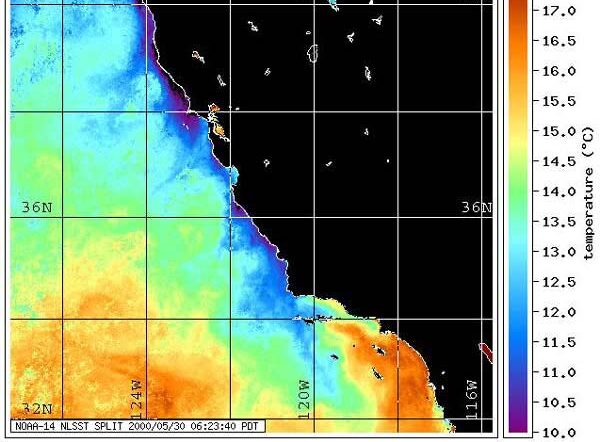
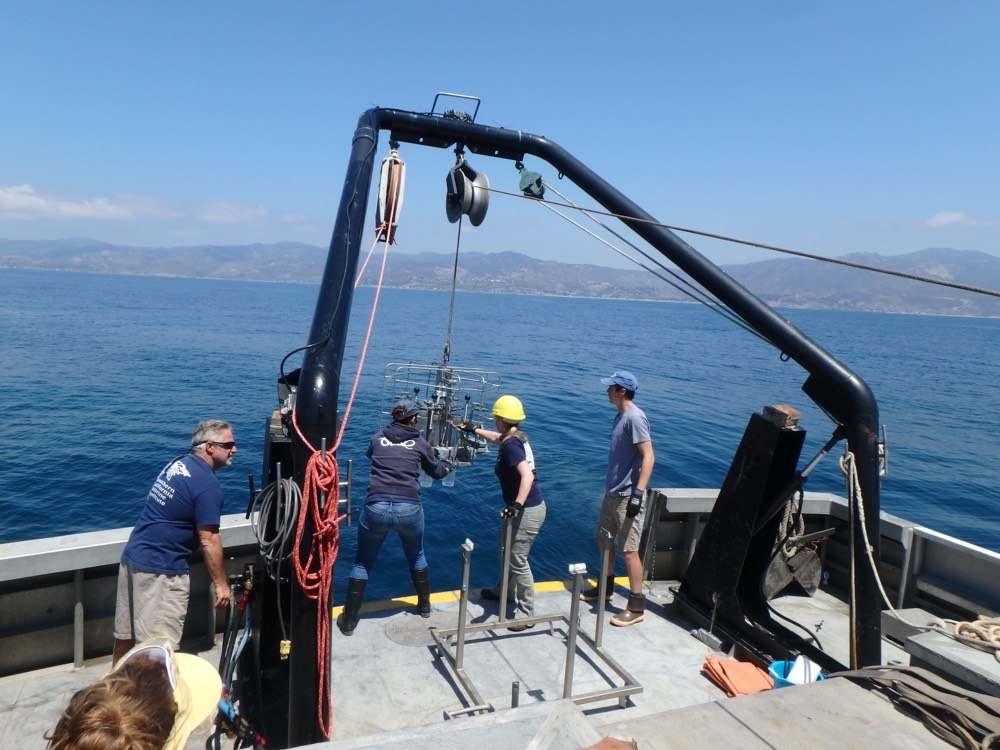
The following scientific questions will be addressed: (1) How do the cycles of carbon, oxygen, and nutrients function in the CCS in the presence of large-scale natural variability and anthropogenic…
Robert A. Eagle, Maxence Guillermic,Illian De Corte, Blanca Alvarez Caraveo, Colleen B. Bove, Sambuddha Misra, Louise P. Cameron, Karl D. Castillo, and Justin B. Ries
Journal of Marine Science and Engineering, 2022, 10(8), 1075, 2022.