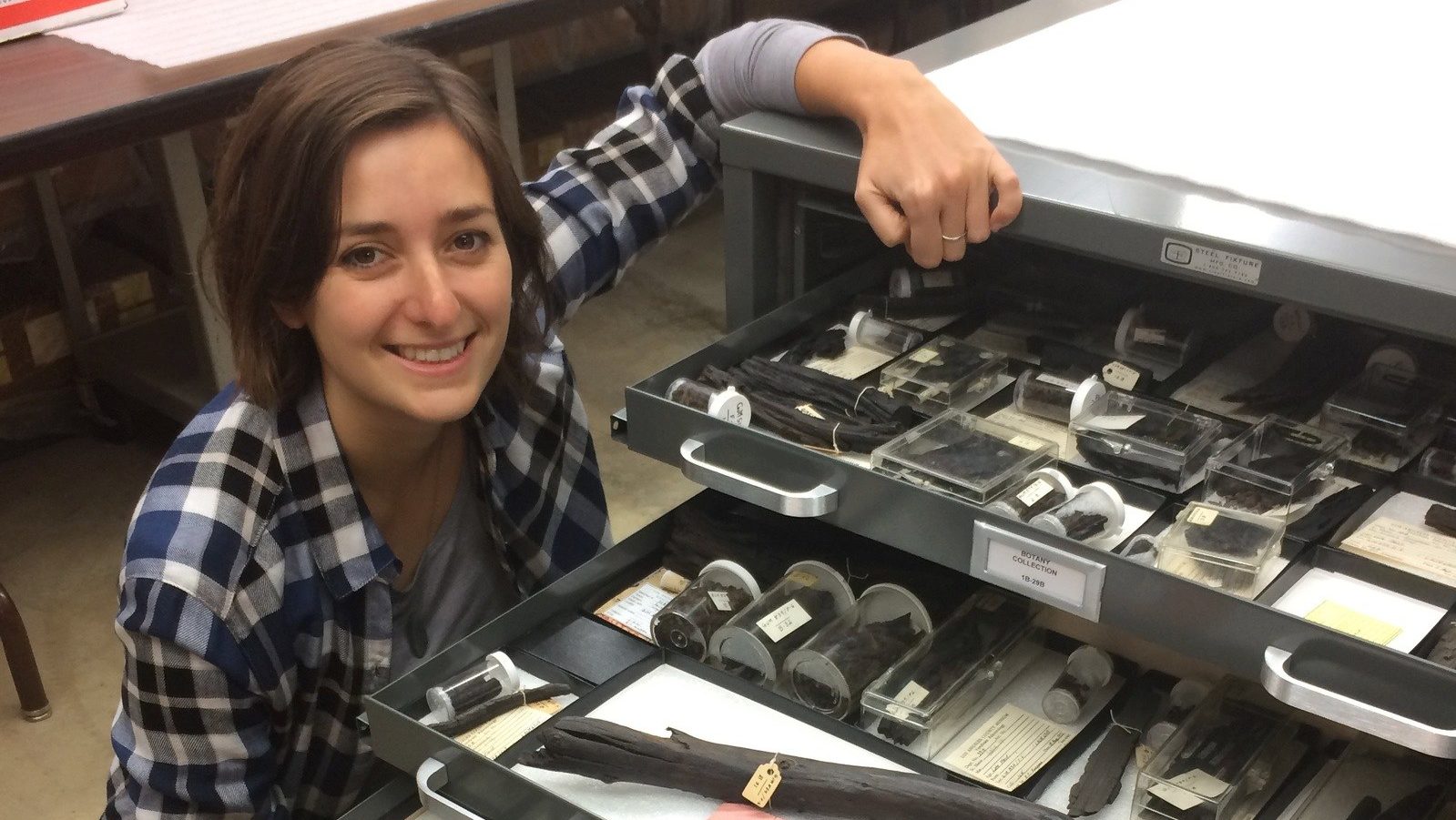
Awardee: Camila Medeiros. Camila's project aims to quantify the vulnerability of woody plant species to drought in key ecosystem types of California and model species’ relative sensitivities to drought under future climate chance scenarios.
Overview CTR believes that building in-country capacity is fundamental to achieving long-term conservation results in Ecuador. In keeping with this goal, we have provided training and collaboration to a broad…
Awardee: Jessie George. Jeesie is using plant remains from the La Brea Tar Pits to assess the impact of climate change on community ecology and extinction in Ice Age Los Angeles.
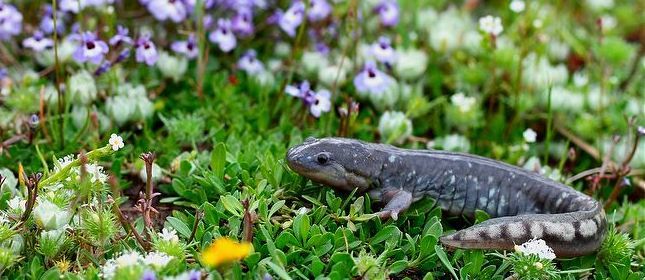
Awardee: Robert Cooper. Robert is using pond hydroperiod to attenuate the spread of non-native alleles through the range of the endangered California tiger salamander.
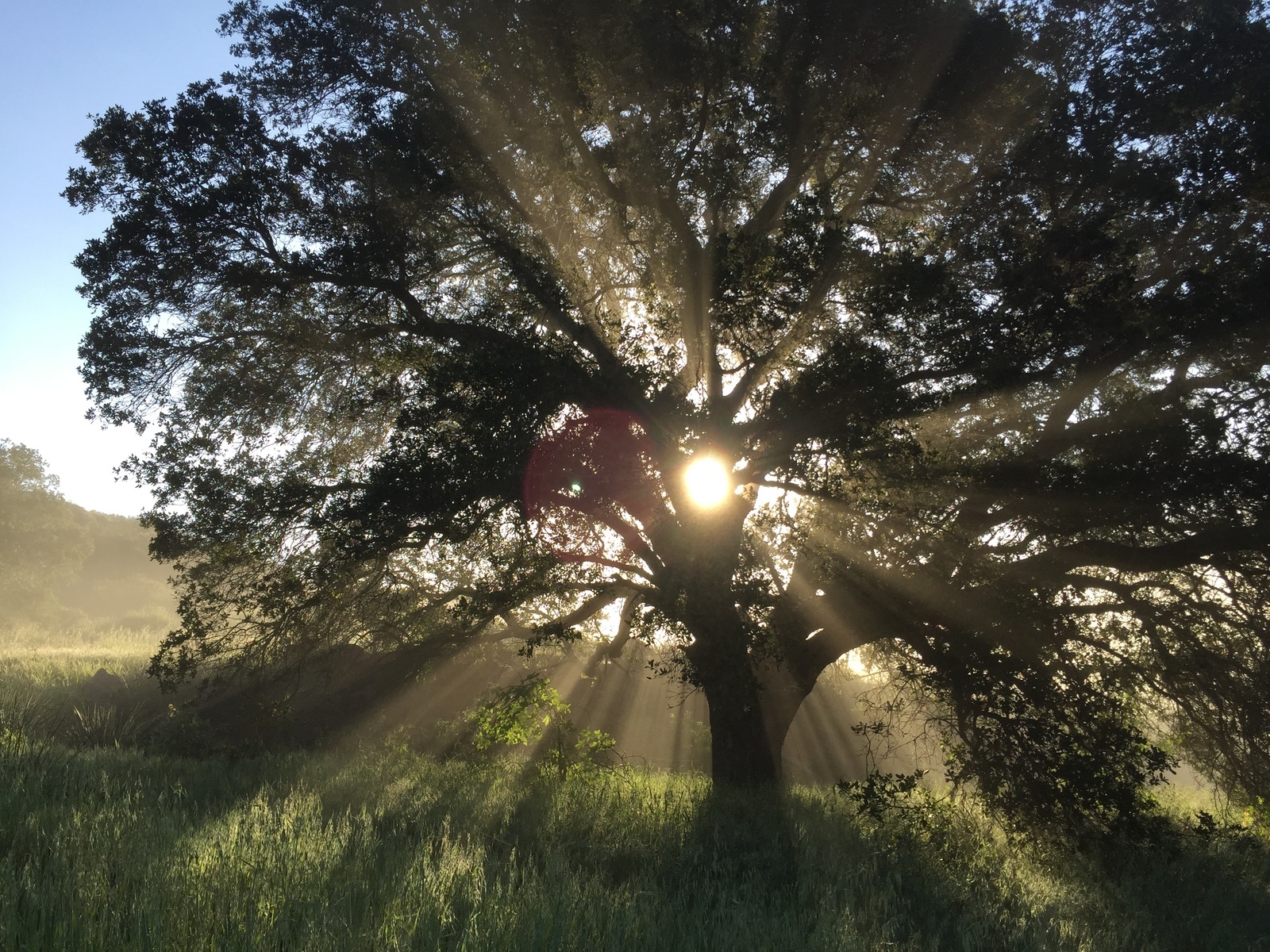
Rapidly changing climate in California and around the world has the potential to cause a mismatch between the environmental conditions that plants are adapted to and the environmental conditions they…
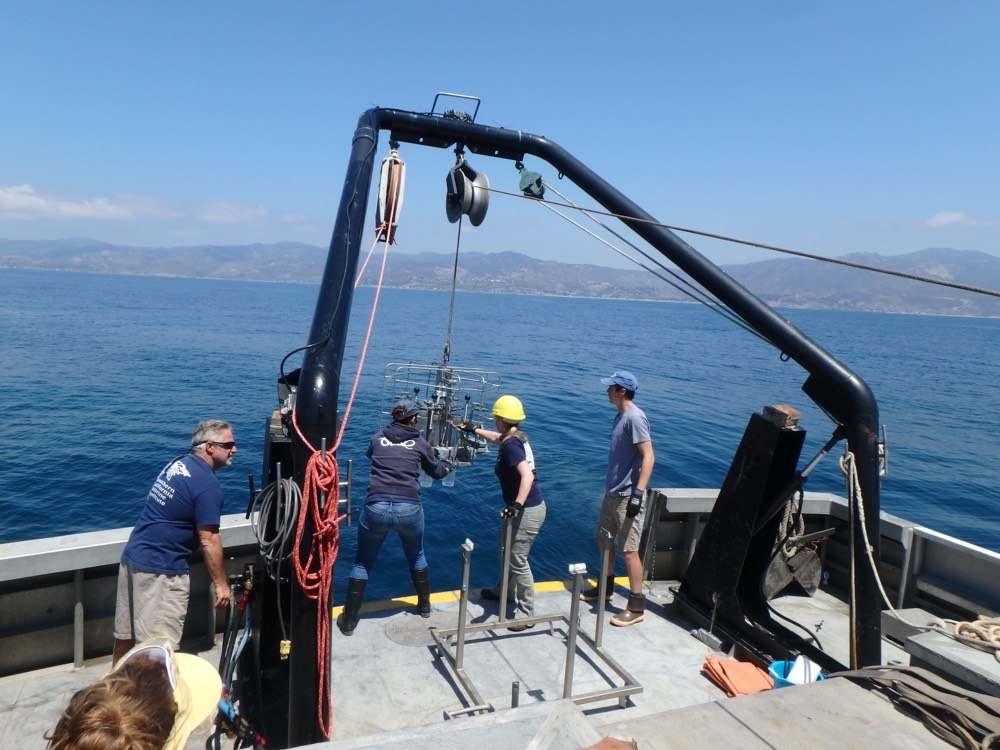
Principal Investigators: Will Berelson (University of Southern California) and Tina Treude (University of California, Los Angeles) The ocean is warming, as is the planet, and one consequence, direct or indirect,…
West Nile virus (WNV) has spread rapidly in North America, threatening wildlife and posing serious health risks to humans. In order to better understand how the distribution of WNV will further impact populations, we model the incidence of WNV infections under current conditions, and use these to predict where the disease may occur in the future.
Wondering what's in the air you breath? How does it affect your health? Find the answers to those questions and more here. The Institute of the Environment and Sustainability produces reports on different aspects of air quality in Los Angeles, such as particulate matter, toxic pollutants and public health impacts.
In 2016, the California Energy Commission (CEC) awarded an Electric Program Investment Charge (EPIC) grant to UCLA to accelerate the deployment of Advanced Energy Communities (AECs). In partnership with the…
Overview The UCLA Center for Tropical Research (CTR) is at the forefront of research and surveillance of avian influenza virus (bird flu or avian flu) in wild birds. CTR has…
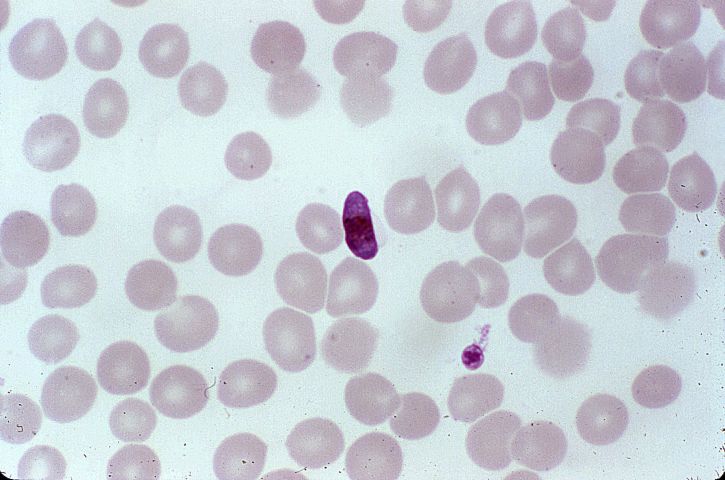
Malaria parasites use vertebrate hosts for the asexual stages of their life cycle and Dipteran vectors for both the sexual and asexual development, but the literature on avian malaria parasites remains biased towards bird-parasite associations. Our work samples vectors/birds to provide information about status of infection of both host and vector.
Southern California harbors some of the highest levels of biodiversity on the continent, yet is also home to millions of humans that compete for wildlife space and resources. In order to best balance these often competing components, researchers at the Center for Tropical Research are helping to construct a Los Angeles Biodiversity Atlas.