
Natural History of Sage Hill
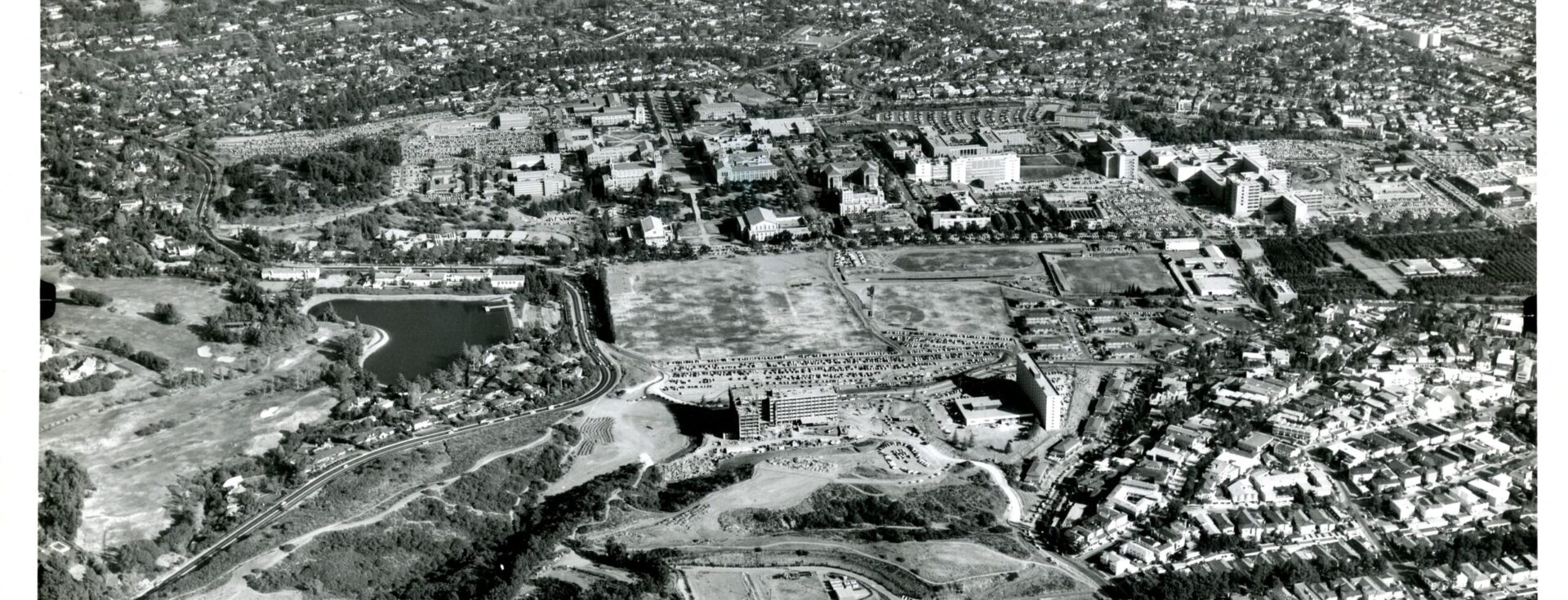
Before the UCLA campus was developed, this area of Los Angeles supported a rich mosaic of grassland, oak woodland, wetland, and coastal sage scrub habitats. Together, these ecosystems sustained a remarkable diversity of plants, birds, mammals, reptiles, amphibians, fungi, and invertebrates.
In the early 20th century, UCLA students and faculty documented some of the region’s native biodiversity, though many species were likely never recorded. As campus development expanded through the mid-1900s, most of these natural habitats were lost. By the 1960s, only a few remaining patches of native landscape survived on campus, including Sage Hill and Stone Canyon Creek.
The species lists below draw from a combination of historical records and contemporary observations. Sources include early herbarium collections, Alice M. Vogel’s 1968 master’s thesis, The Coastal Sage Biological Assessment (1997), 419 Acres: UCLA’s Natural History by Dr. Travis Longcore and Catherine Rich, the UCLA Campus Plants webpage by Dr. Wayne Dollase, Birds of the Campus by Professor Loye Miller, and recent community science observations from iNaturalist and eBird.