The EITI, which was founded in 2003, and which the United States joined in 2014, sets a global standard for governments to disclose their revenues from oil, gas, and mining assets, and for companies to report payments made to obtain access to publicly owned resources, as well as other donations.
“It put more information in the hands of the public,” said Michael Ross, executive director of the Project on Resources, Development, and Governance at the University of California Los Angeles.
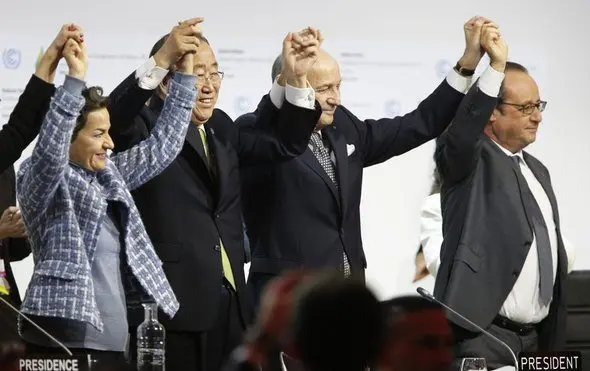
“The COP president typically has a fair amount of power to set the tone for negotiations,” Horowitz explains. “I expect we’ll see a lot at this COP that relates to the priorities of small island nations.” These nations are extremely vulnerable to rising oceans—their fate is tied to the success of the Paris accord. “They could be among the first to lose significant sovereign territory,” Horowitz says. They will likely push for greater greenhouse gas reductions as well as emphasize adaptation to climate change and paying for losses and damages.
Parfrey is part of a regional climate action and sustainability collaboration at the University of California, Los Angeles, where professor Alex Hall led a groundbreaking study that found climate change will push up temperatures by an average of 4 to 5 degrees by the middle of the century. The number of days where temperatures climb above 95 degrees will roughly double on the coast, triple in downtown Los Angeles and quadruple in the valley.
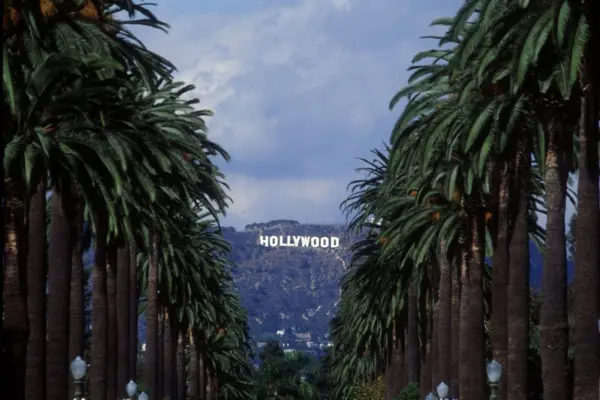
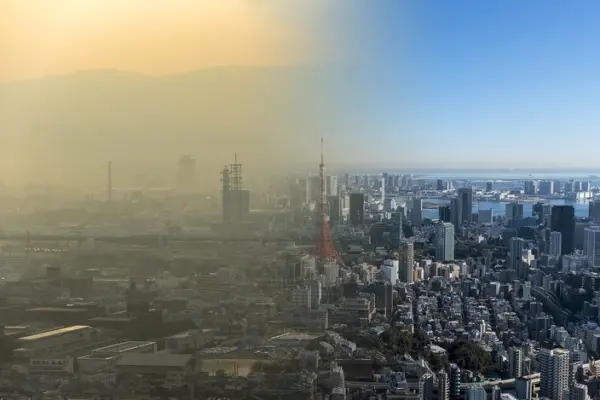
Los Angeles is the poster child for a city that has worked hard to dramatically reduce its air pollution levels. Over the past 50 years, most pollution levels are down more than 75 percent compared to their highs, and that’s despite massive population and economic growth, according to Paulson.
'No other city comes close,' she said.
Los Angeles saw tremendous economic development over the past century. But as more people moved in, the city’s blanket of smog grew thicker and thicker. The main culprits were, and still are, vehicle emissions, fumes from industrial plants and the city’s proximity to two of the country’s largest ports.
The Broad museum featured IoES Faculty Member Aradhna Tripati in their #infiniteLA video series in relation to Yayoi Kusama’s Infinity Mirror exhibits.
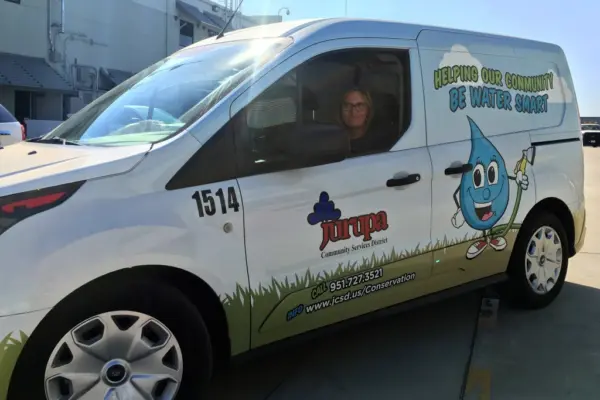
Experts said conservation is simply a tougher sell after a rainy winter. Conservation feels less urgent and competes with countless other advertisements, news stories and distractions. But that messaging can’t…
If greenhouse-gas emissions continue on roughly their current trajectory, then Northern California’s temperatures will warm by between 6 and 11 degrees Fahrenheit by 2100. “That’s approximately the current temperature difference…
“There are some variations in the atmosphere are really really hard to foresee more than a couple of weeks in advance,” said Daniel Swain, a climate scientist at UCLA. “But…
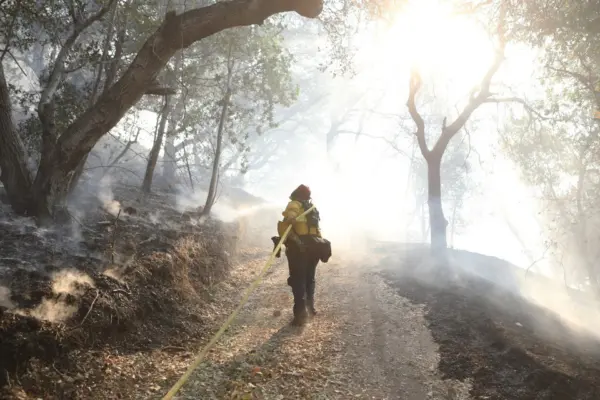
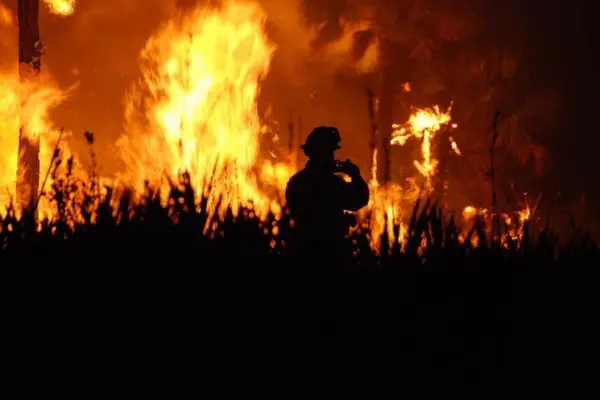
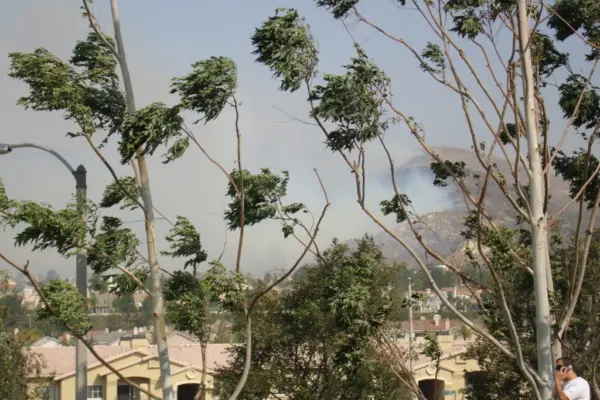
Global warming might have had a hand in California’s recent string of deadly wildfires, UCLA researchers said this week. Climate change is producing “the worst of all possible worlds, and…
“There’s certainly a sense that climate change is broader in scope than what nuisance law has ever addressed before,” says Sean Hecht, co-executive director of the UCLA law school’s Emmett Institute on Climate Change and the Environment. “But it couldn’t be that if the nuisance gets bigger and bigger that courts are less and less likely to impose a remedy. That flies in the face of reason.”
“California has experienced its record warmest summer, which comes immediately on the heels of what was quite a wet winter, actually. And counterintuitively, that sequence, that transition from very wet…
The misleadingly named “National Monument Creation and Protection Act,” which narrowly passed the House Natural Resources Committee last week, is an assault on our public land heritage. H.R. 3990 would…
The Los Angeles Times featured quotes from IoES Faculty Member, Daniel Swain, about the intensity and climate science that made the Northern California fires extremely destructive.
UCLA’s Daily Bruin published an informative article detailing IoES’s new Ph.D in Environment and Sustainability that showcased the differences between the Ph.D and the D.Env in Environmental Science and Engineering…
“‘Increasing frequency and intensity of extreme heat waves is one of the clearest hallmarks of our warming climate, and it’s likely that ‘extreme’ temperatures like those experienced this summer will…
The City of Malibu Arts Commission helped sponsor the event, which was moderated by Jon Christensen, senior fellow and journalist-in-residence at the UCLA Institute of the Environment and Sustainability, Laboratory for Environmental Narrative Strategies and Center for Digital Humanities.
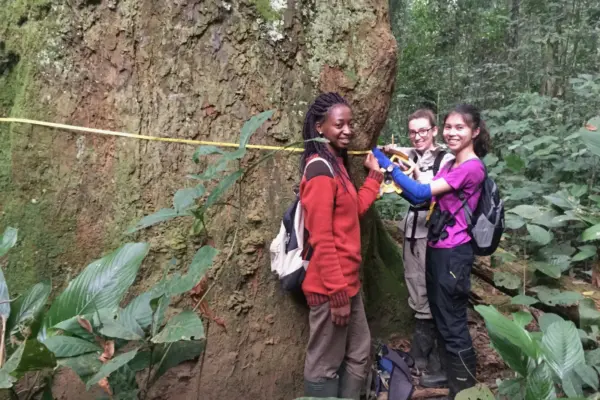
The Congo Basin Institute at UCLA has received a grant from the Leonardo DiCaprio Foundation (LDF). This gift will expand conservation and restoration efforts at Bouamir Research Station in Cameroon,…
Alex Hall, faculty of IoES was featured in UCLA Chancellor Gene Block’s year in review publication. The review showcased Hall’s March 2017 study about the potential reduction of snowpack and…
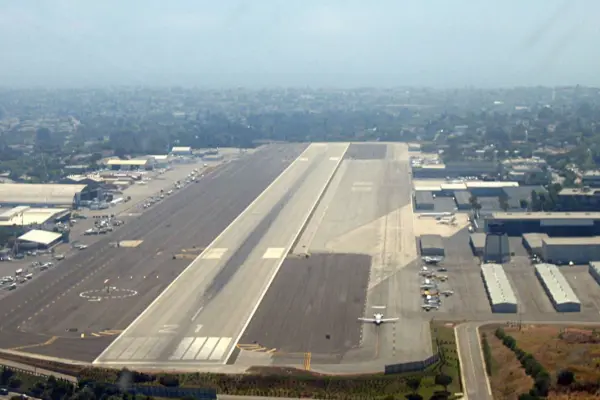
Suzanne Paulson, Santa Monica Airport Commissioner and UCLA professor, is asking for permission from the City of Santa Monica to conduct a study on the change in pollution levels before…
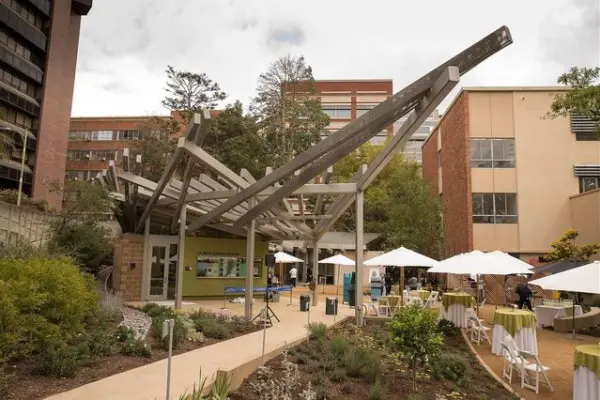
The botanical garden will have an open house on September 26, 2017 to showcase their expanded garden, improved pathways, redesigned stream, new $5 million La Kretz Garden Pavilion, and more. Philip…
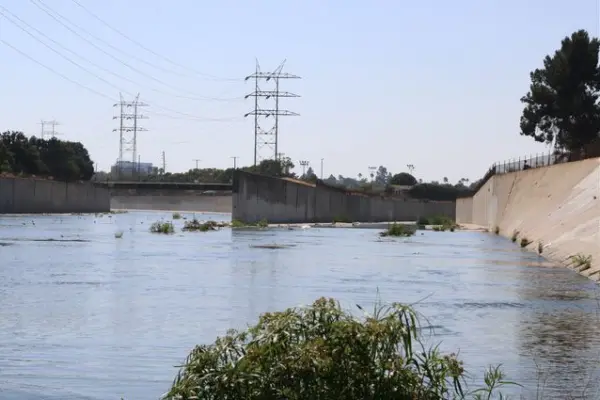
Using 60 years of data, IoES partnered with the Colorado School of Mines to model flow changes and water quality of the river. As part of the Sustainable LA Grand…
IoEs, HR&A Advisors, Stamen Design, and Stanford Sustainable Urban Systems will be supporting Team Uplift consisting of Gensler, Arup, and Margie Ruddick Landscape– one of ten teams recieving $250,000 from…
Fellowship applications are now open for advanced PhD and professional students and post-docs to spend a year conducting research related to health (defined broadly) at CBI’s campus in Cameroon through…