The results of their study, “Mapping the global potential for marine aquaculture,” published in the journal Nature Ecology and Evolution on 14 August, demonstrates the oceans’ vast potential to support aquaculture, director of the UCLA Institute of the Environment and Sustainability and report co-author Peter Kareiva said.
“We need to find more protein for our growing population, and we have pretty much tapped out wild fish as protein sources,” he said. “This study shows that farming fish in the ocean could play a huge role in feeding people without degrading our ocean or overfishing wild species.”
Stephanie Pincetl, a professor at the UCLA Institute of the Environment and Sustainability, said the ultimate decision on whether the project moves forward will depend on how broadly a judge interprets the developer’s obligations under the California Environmental Quality Act.
“Newhall … complied with the letter of the law," she said. “It’ll depend on the judge and if the judge is willing to look at the larger set of impacts and not rule in a very narrow way.”
Sky-watching weather in parts of Los Angeles is expected to be less than ideal. A cutoff low weather system is working to eclipse the historic eclipse today by bringing low clouds to the coast.
Meat production has well-documented impacts on the environment, as Okin notes in a study he published this month in the journal PloS ONE: “Compared to a plant-based diet, a meat-based diet requires more energy, land, and water and has greater environmental consequences in terms of erosion, pesticides, and waste.”
Meat-eating cats and dogs create the equivalent of about 64 million tons of carbon dioxide a year, about the same climate impact as a year’s worth of driving from 13.6…
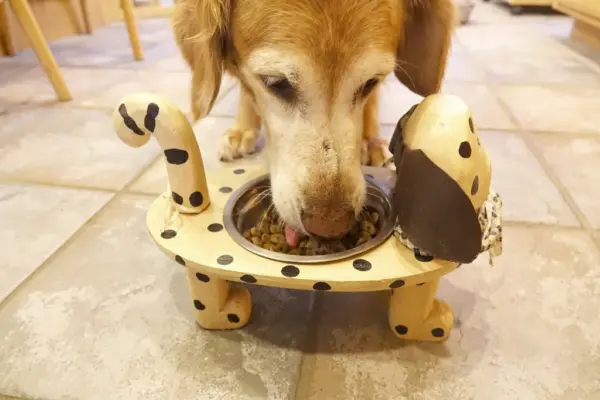
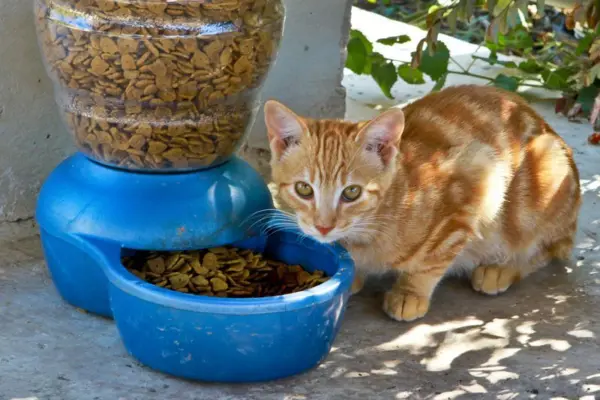
In his paper published last week, UCLA professor Gregory S. Okin found that meat-eating dogs and cats create the equivalent of 64 million tons of carbon dioxide per year based on the energy consumption required to produce their food, or the same impact as driving 13.6 million cars.
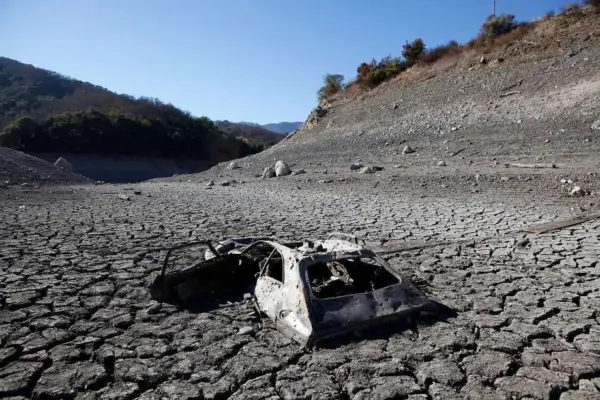
"One of the clearest signals that is summarized in this report is that California is already a warmer place than it used to be", said Daniel Swain, a climate scientist at UCLA whose work is cited in the report.
UCLA researchers say that meat-eating pets meat might have unexpectedly large effects on climate change. Pets generate 64 million tons of carbon dioxide a year, UCLA geography professor Gregory Okin…
Armed with a survey estimating that Americans owned 77.8 million pet dogs and 85.6 million pet cats in 2015, Gregory Okin started investigating pets' food needs.
In a study released Wednesday, a geography professor at UCLA calculated that the meat-based food Americans’ dogs and cats eat – and the waste those pets produce – generate the equivalent of about 64 million tons of carbon dioxide a year.
Elsewhere in California, summer has been searing, according to Daniel Swain, a climate scientist at the Institute of the Environment and Sustainability at UCLA, whose California Weather Blog provides perspectives on the state’s weather, climate, and regional environmental change.