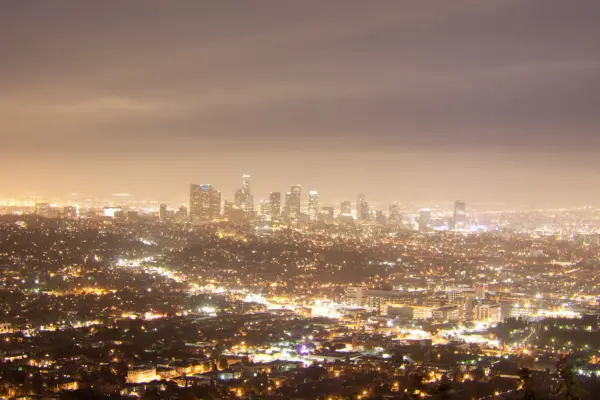
How to dim the consequences of global light pollution
The harm excessive light causes animals and humans, plus mitigation solutions, are detailed in a new report

The harm excessive light causes animals and humans, plus mitigation solutions, are detailed in a new report
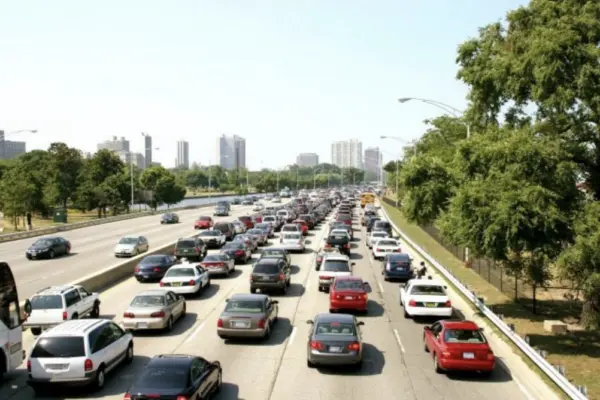
UCLA Professor and Center for Clean Air Director Suzanne Paulson and UCLA Ph.D. candidate Viraj Sawant have made significant strides in understanding and addressing the impacts of near-roadway air pollution (NRAP) on public…
An atmospheric river is bringing two big storms and potential flooding toward California — along with several live Q&As with UCLA climate scientist Daniel Swain.

Authored by the team at CCSC about the UCLA Energy Atlas. "This book covers a remarkable breadth of topics across a compact seven chapters. The breadth is necessitated by the subject matter and authors’ ambition to construct an 'energy atlas' for the state of California from the most granular data available. The content covered will be of interest to a wide readership, particularly policymakers and researchers in the energy, built environment and policy domains. It is accessible enough to be read by non-specialists and would be of interest to anyone working or interested in the built environment or planning and the role of individuals and individual buildings in the wider transition to net zero."
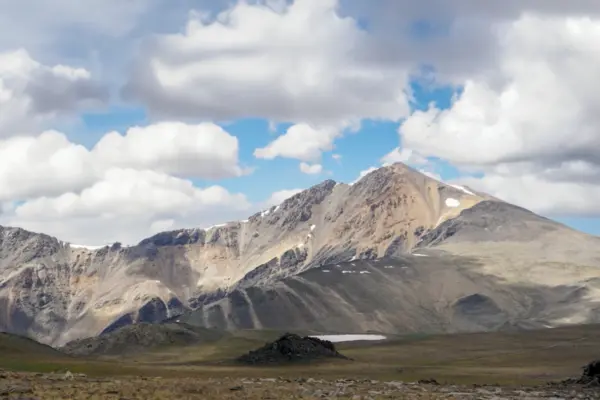
It’s 6 a.m. — first light at the White Mountain Research Center, UCLA’s high-altitude research laboratories some 300 miles north of Los Angeles. The skies are brutally scarlet, the views…
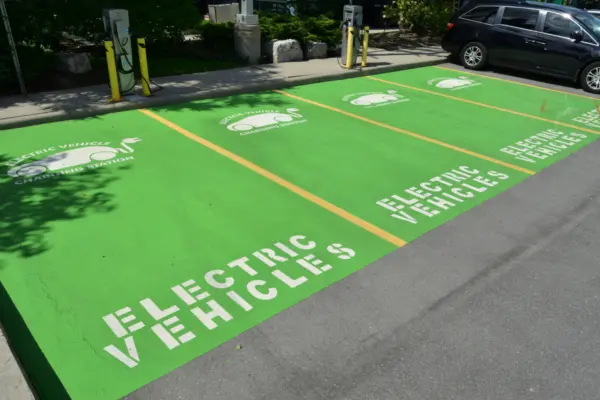
But that’s not the whole story. The traffic corridors that run through disadvantaged areas to spread those clean-air benefits remain a source of heavy pollution from gas-powered vehicles. The study…
The public utility asked, and more than 20 UCLA faculty and researchers with expertise in engineering, environmental science, law, labor studies, public health, and public policy answer in a new report, LA100 Equity Strategies. Researchers, in partnership with Rachel Sheinberg, wrote Chapter 13: Energy Affordability and Policy Solutions, providing specific recommendations for robust, long-term, structural solutions to LADWP’s customers’ ability to pay their bills.
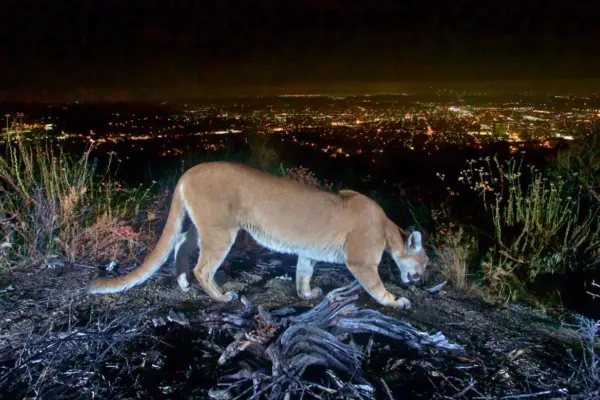
As ambush predators, mountain lions thrive under the cover of darkness. But what happens in Southern California, where artificial light makes every night twice as bright as if there were a full moon?
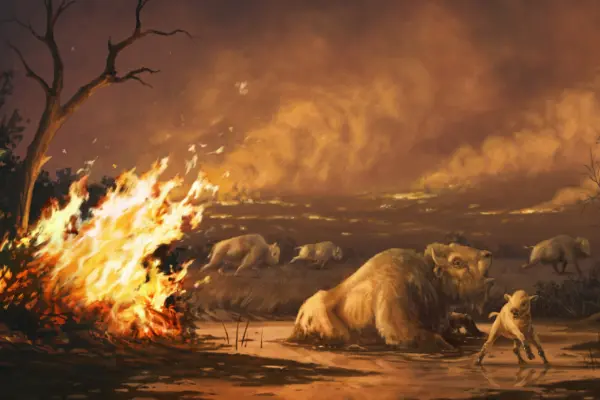
Research by UCLA and La Brea Tar Pits scientists upends theory that saber-toothed cats, other large mammals were hunted out of existence
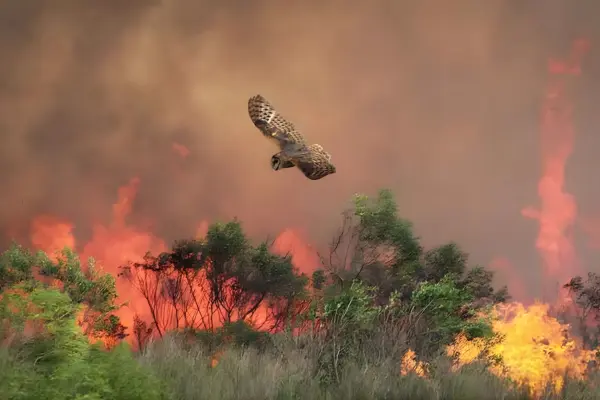
All are invited to participate in new program from UCLA and Natural History Museum of Los Angeles County
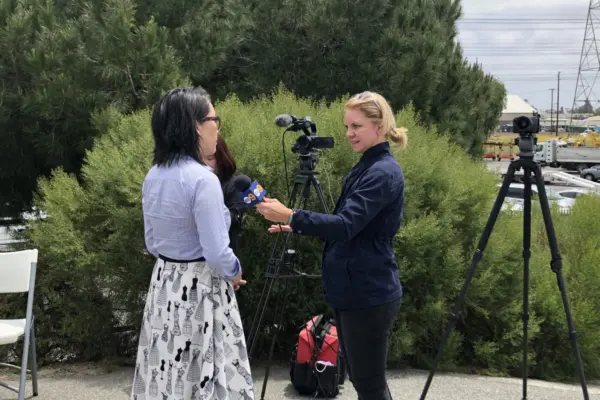
Project by Laboratory for Environmental Narrative Strategies at UCLA informs underserved communities on public works
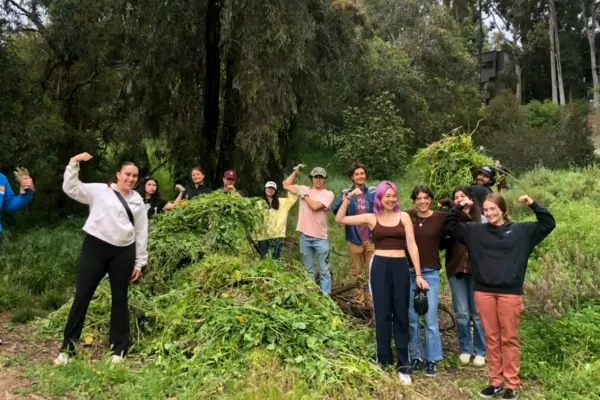
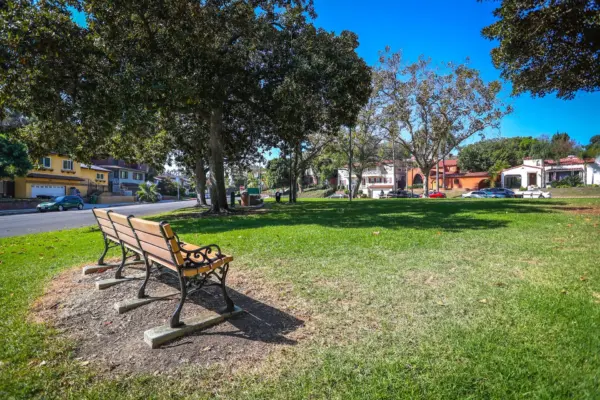
UCLA-led study reveals a ‘geography of inequality’ across region’s coastal areas
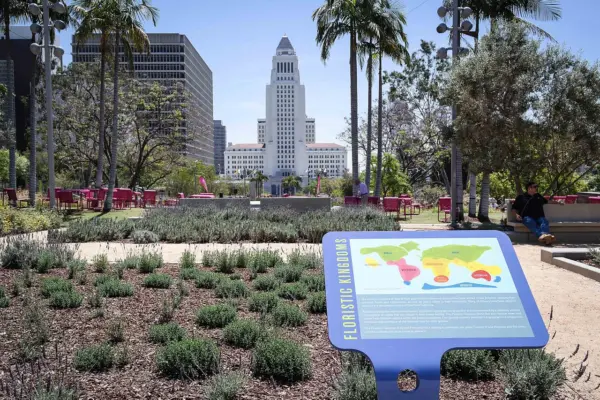
Who gets to make those decisions (and how) is the focus of ethnographer Alesia Montgomery, a new faculty member at UCLA Institute of the Environment and Sustainability. Racialized, low-income communities…

Dr. Mikhail Chester hosts Dr. Stephanie Pincetl, whose work engages a multitude of disciplines (from engineers to urban planners to economists) to advance urban sustainability science and decision-making for water, energy, transportation, and land use systems. She explores how understanding and synthesizing these diverse systems surrounding our complex urban systems opens opportunities for future alternatives.
With climate change making heat waves longer and more severe, Los Angeles County has for several years provided cooling centers — many of which are in libraries, parks or other…

Levels and sources of contamination vary by location, UCLA-led study finds
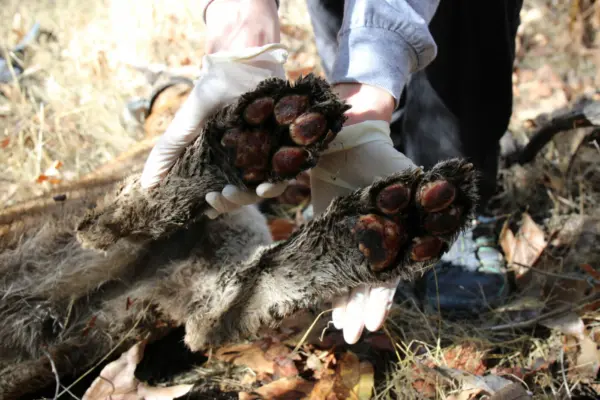
UCLA and National Park Service researchers studied the cougars’ movements before and after the Woolsey Fire
Extreme heat disproportionately harms already-vulnerable communities and individuals

Panel discussion by the California Association of Realtors:Panel discussion by the California Association of Realtors: featuring CCSC's Director Stephanie Pincetl, Karen Collins, Assistant Vice President, The American Property Casualty Insurance Association and Chief Jim McDougald, Division Chief, State of California Department of Forestry and Fire Protection. California’s commitment to advancing ambitious climate goals cannot ignore the impact of wildfires on communities across the state and the need for protection, policies, and resiliency measures to mitigate the most damaging effects of climate change. As wildfires and heat waves become commonplace concerns in the state, it’s clear that California needs a comprehensive action plan to reduce wildfire risk, improve environmental conditions, adapt insurance needs, and accelerate action to combat climate change. Additionally, it’s important to consider how we can empower property owners, homeowners, local governments, and pertinent stakeholders to proactively reduce wildfire hazards to minimize the loss of property and life and be active participants in advancing effective solutions. Among the key approaches to wildfire resiliency and preparation is collaboration with the insurance industry to ensure protective policies are available and affordable for all Californians who are at risk of climate change-intensified wildfires. Join us for a wide-ranging discussion that will cover such topics, including climate change trends, efforts to build resiliency to protect communities, and the future of housing development in a wildfire-prone state.
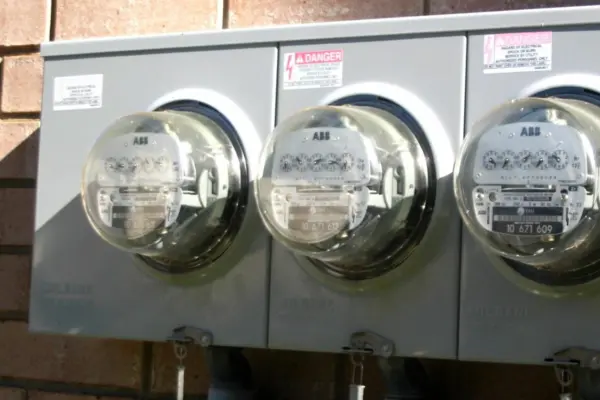
UCLA-led study finds products’ energy savings estimates are often inaccurate
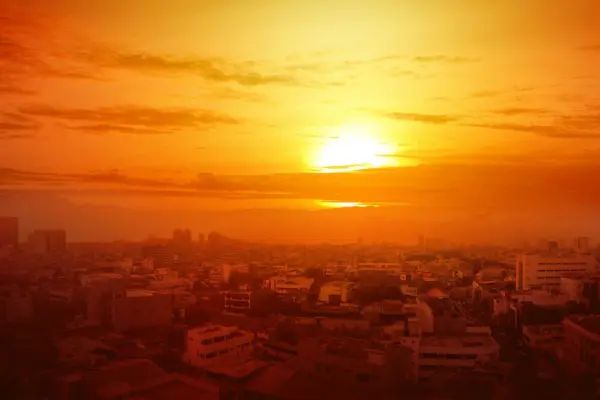
Rerouting 10% of Phoenix’ bus fleet could reduce exposure to extreme heat by 35%
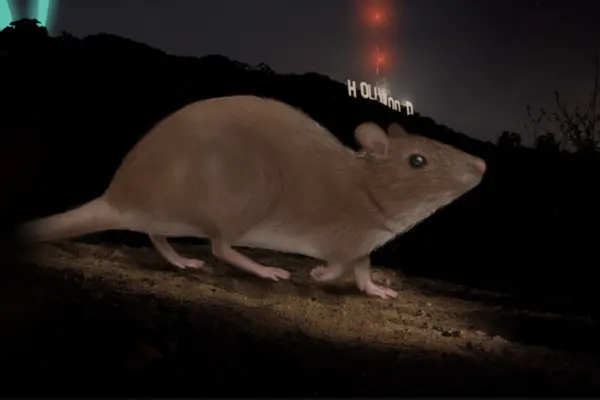
Just witness the excitement around sightings of the city’s famous wild animals. One recent Los Angeles Times headline read, “Famed mountain lion P-22 makes dramatic appearance in Beachwood Canyon backyard.”…
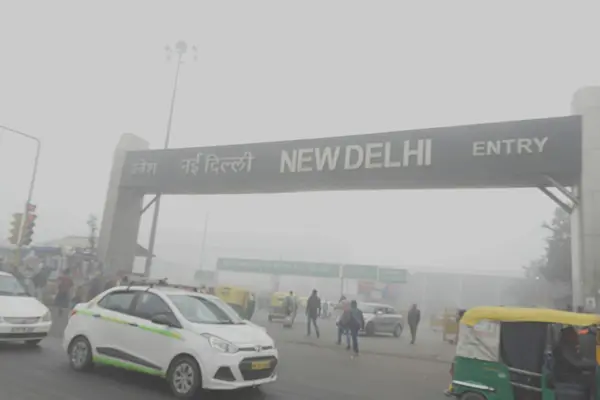
UCLA-led research shows how the transition could improve public health and save money