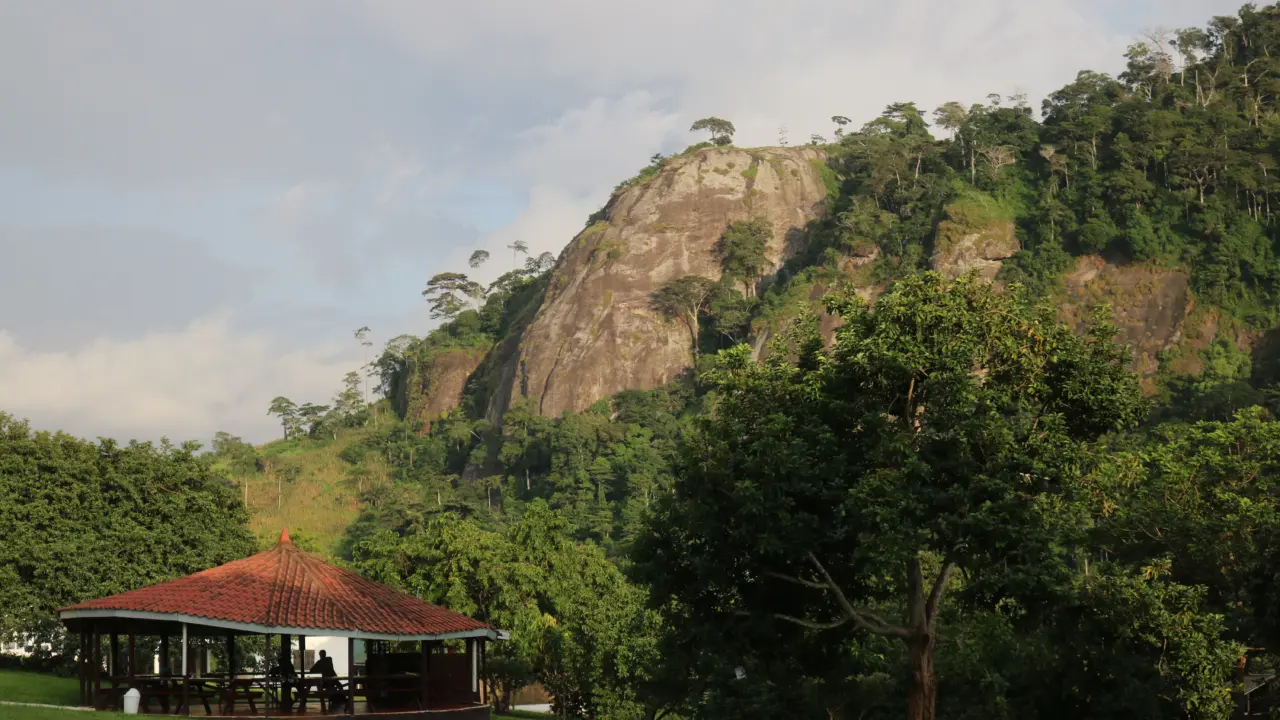
Congo Basin Institute
As UCLA's first foreign affiliate, the Congo Basin Institute in Cameroon provides a vital space for training and scientific research in Africa.

As UCLA's first foreign affiliate, the Congo Basin Institute in Cameroon provides a vital space for training and scientific research in Africa.
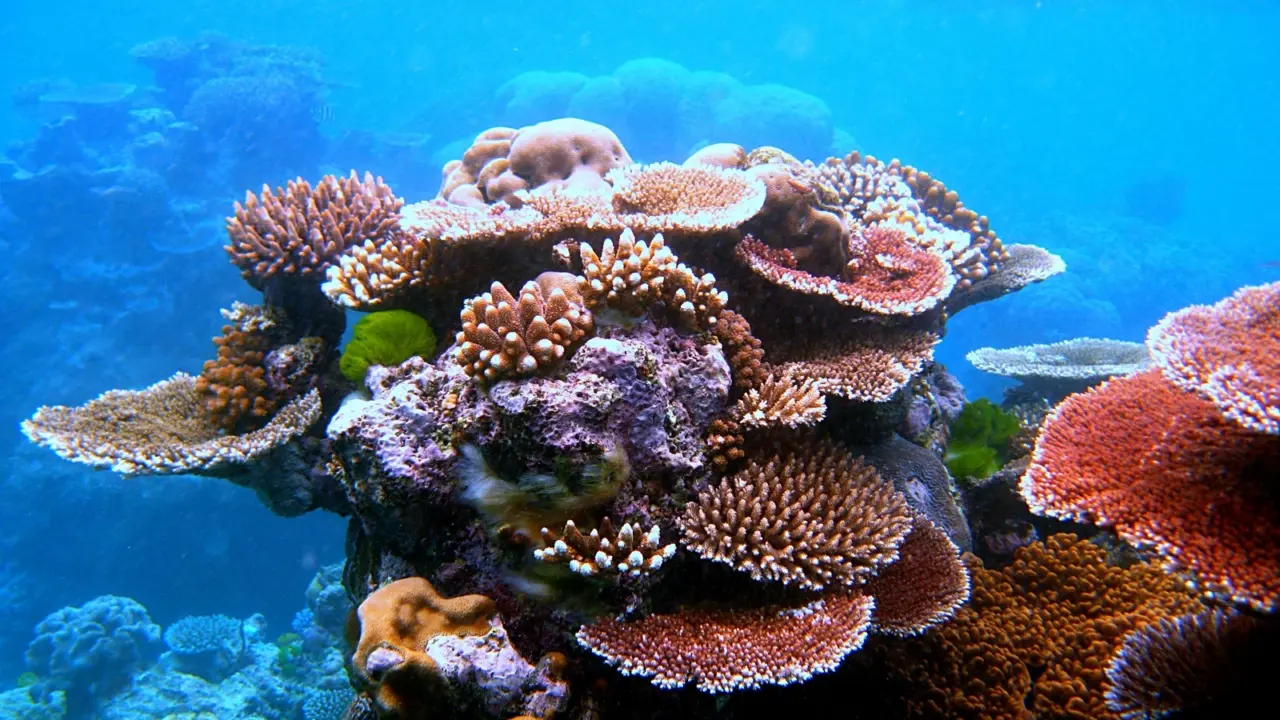
Region: Seas of the Coral Triangle (a region comprised of the Philippines, Malaysia, Indonesia, East Timor, Papua New Guinea, and the Solomon Islands) Paul Barber is an affiliated faculty member of…
Awardee: Emily Ryznar. Emily seeks to investigate the facilitative mechanisms and importance of CCA and its microbiome as contributors to increased invertebrate diversity and community stability in California’s rocky reefs.
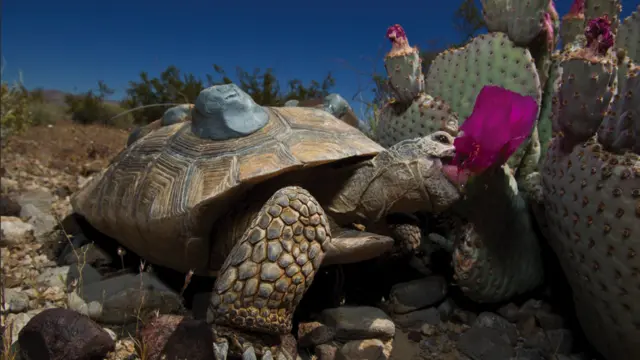
At the La Kretz Center, scientists are working toward a win-win between green energy and endangered species conservation in the Mojave Desert.

Within the climate science community, a variety of techniques are used to "downscale" information from global climate models and produce fine-scale projections of future climate, but the relative strengths and weaknesses of these techniques are not well-understood. In this project, we are comparing downscaling techniques and establishing best practices.
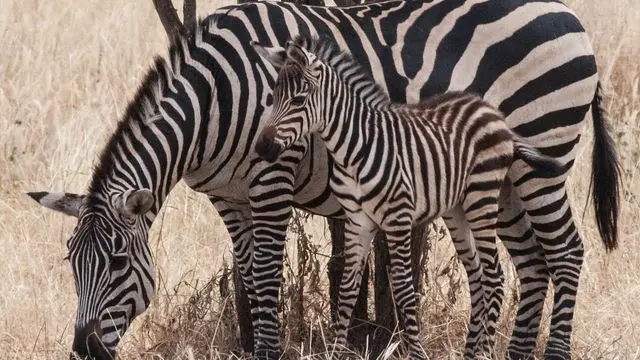
In this research, species distribution modeling is used as a tool to understand the environmental determinants that control the distribution of species and to obtain spatial patterns on the species’…
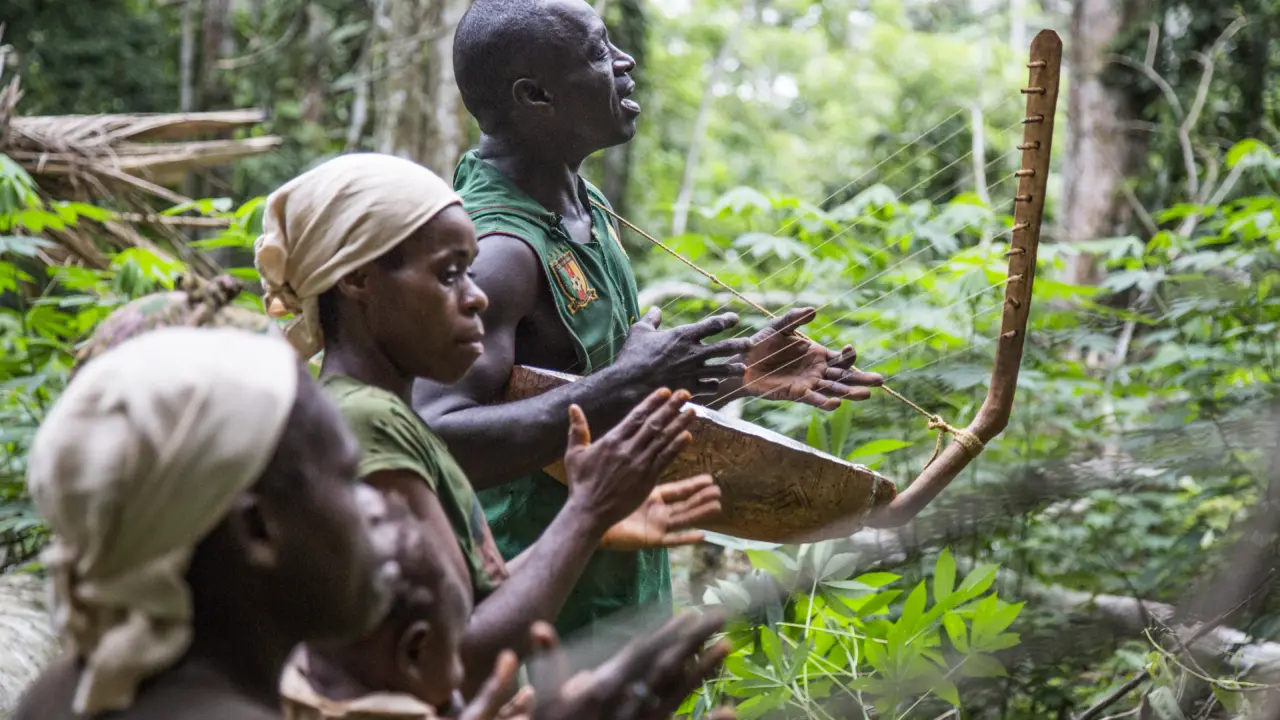
For the past 20 years, we have been conducting research in the Dja Biosphere Reserve and adjacent areas. The Dja Biosphere Reserve is a UNESCO World Heritage site located in…
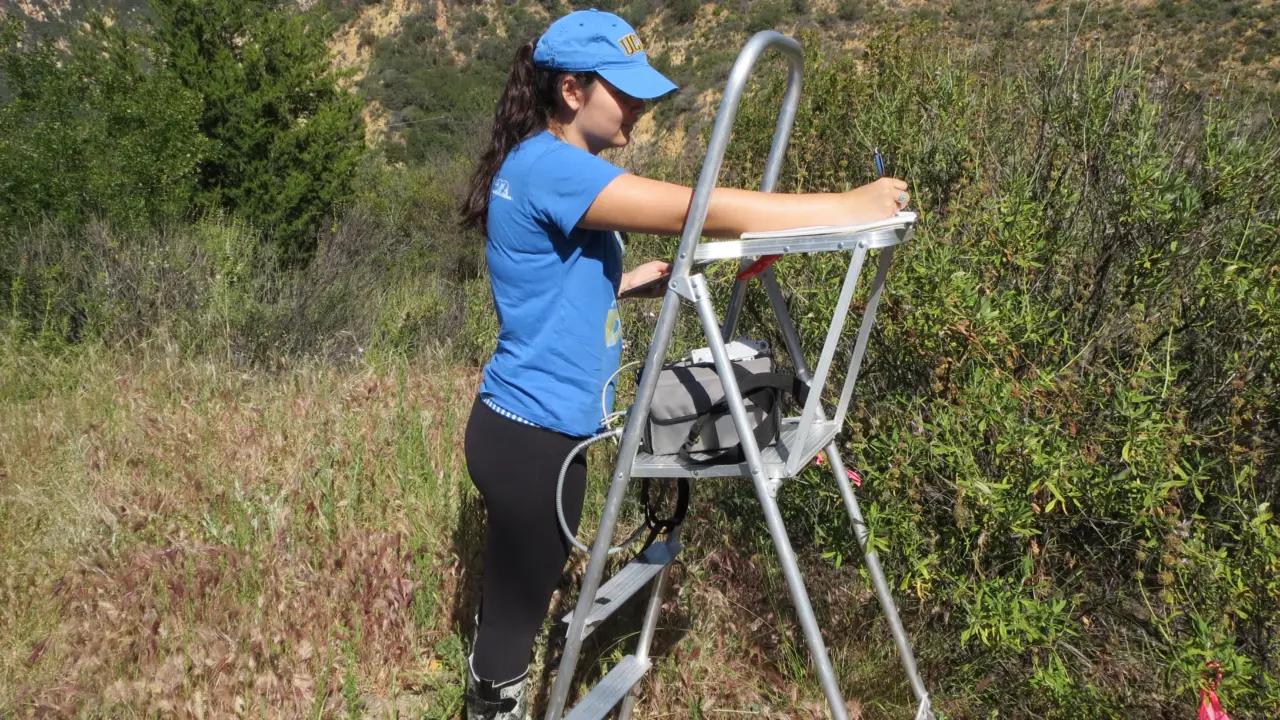
Awardee: Ariel Pezner. Ariel's research focuses on the effects of drought on the chlorophyll fluorescence of four drought deciduous and evergreen plant species native to Southern California.
The Center for Tropical Research is investigating what may be the environmental drivers of infectious diseases, and what might trigger outbreaks during particular times or conditions. In collaboration with Dr. Rick Schoenberg, chair of the the Department of Statistics at UCLA, our team is using novel models to understand ebola outbreaks.
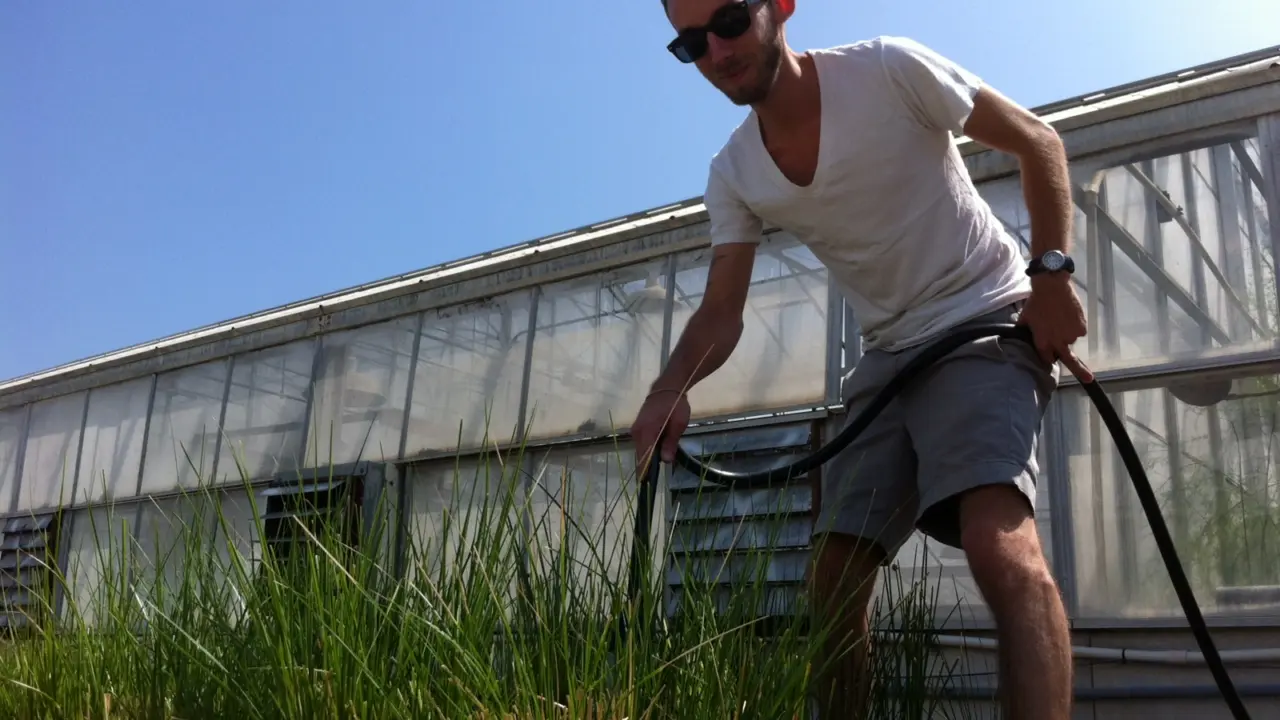
La Kretz postdoc Dr. Justin Valliere is currently exploring potential adaptation to nitrogen pollution and climate in common invasive plant species of California. This study will have important implications for invasive plant management under predicted global change.
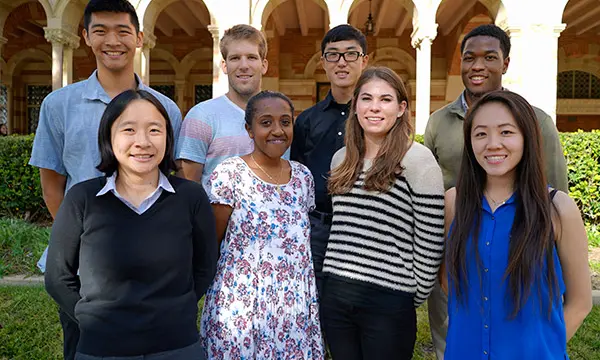
In this project, which was also a practicum project, we examine the preferences of consumers over different eco-label attributes for cleaning products. To accomplish this goal, we designed and implemented…
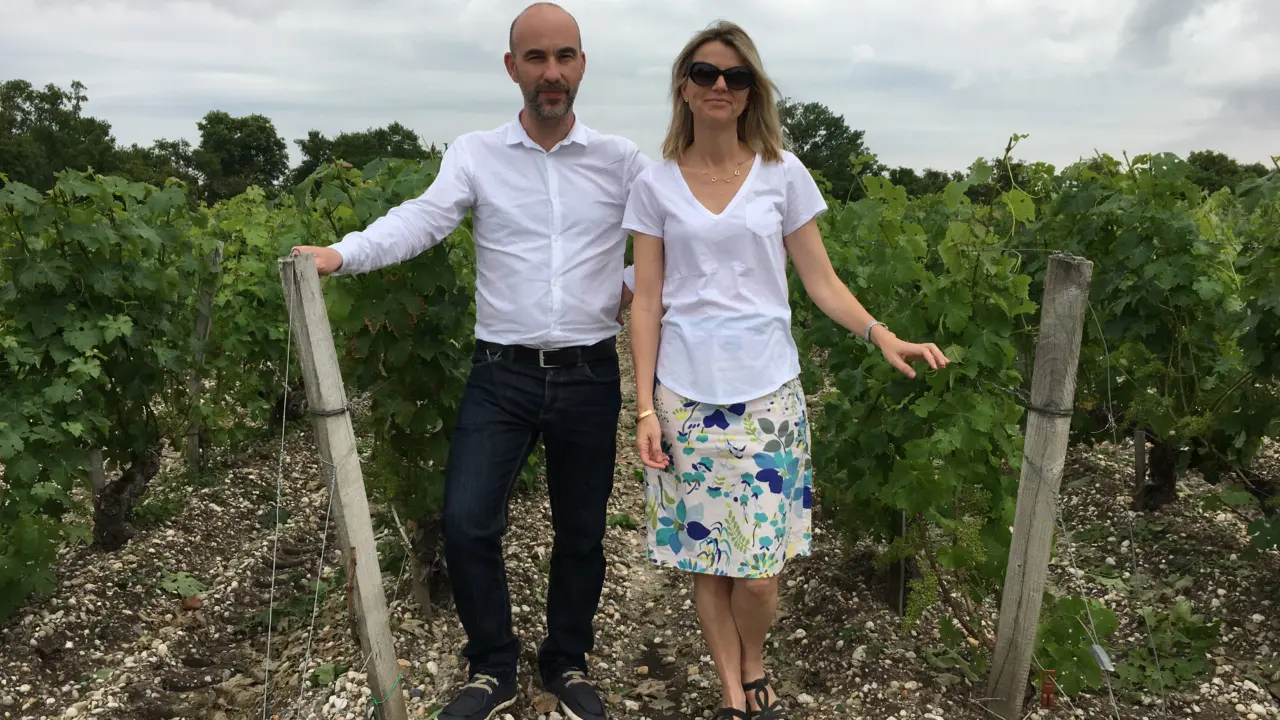
Eco-labels are part of a new wave of environmental policy that emphasizes information disclosure as a tool to induce environmentally friendly behavior by both firms and consumers. Little consensus exists…