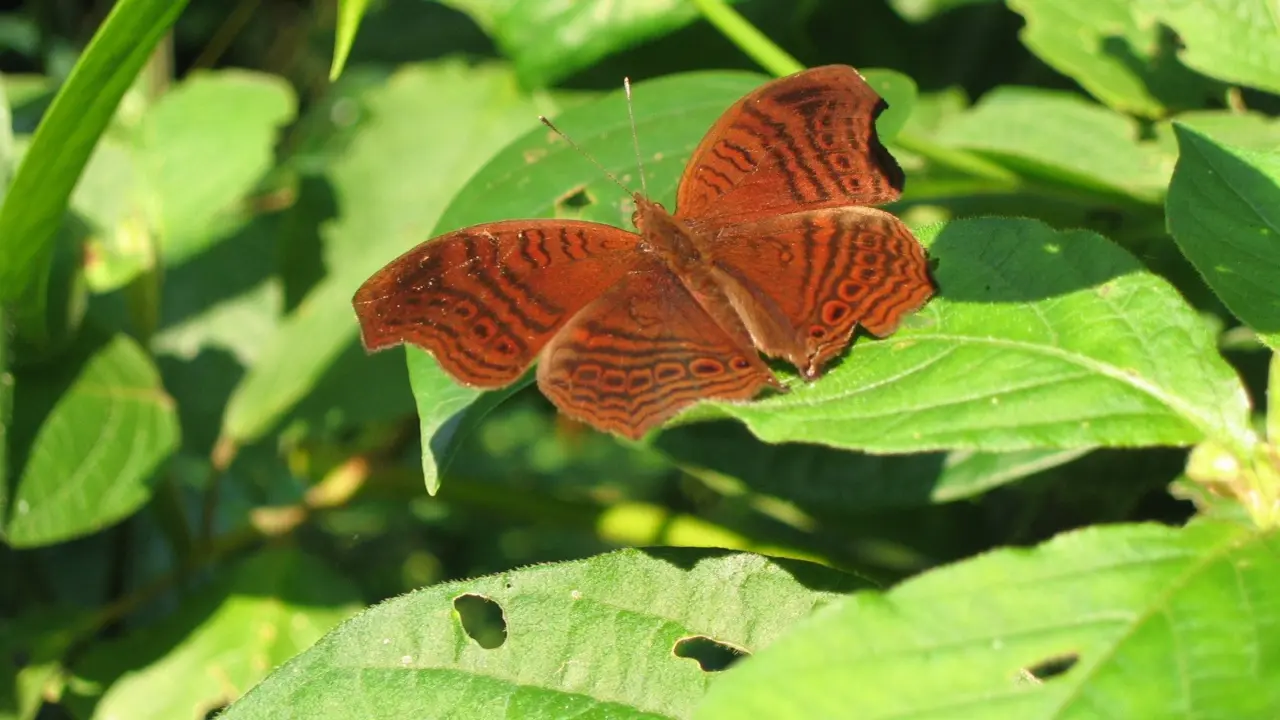
Southern California harbors some of the highest levels of biodiversity on the continent, yet is also home to millions of humans that compete for wildlife space and resources. In order to best balance these often competing components, researchers at the Center for Tropical Research are helping to construct a Los Angeles Biodiversity Atlas.
The Center for Tropical Research recently launched the Bird Genoscape Project, an effort to map the population-specific migratory routes of 100 species of migratory songbirds by harnessing the power of genomics.
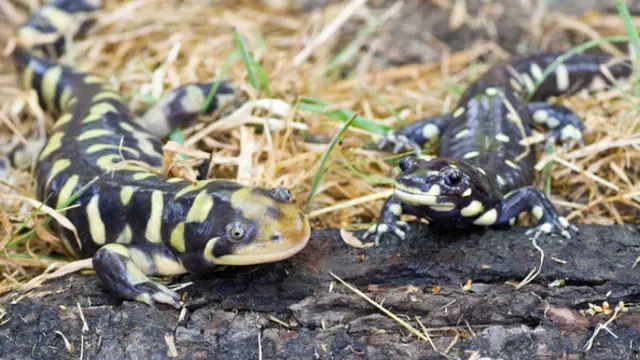
Researchers at the La Kretz Center are developing a framework for protecting the genetic integrity of the endangered California tiger salamander from invasive non-natives.
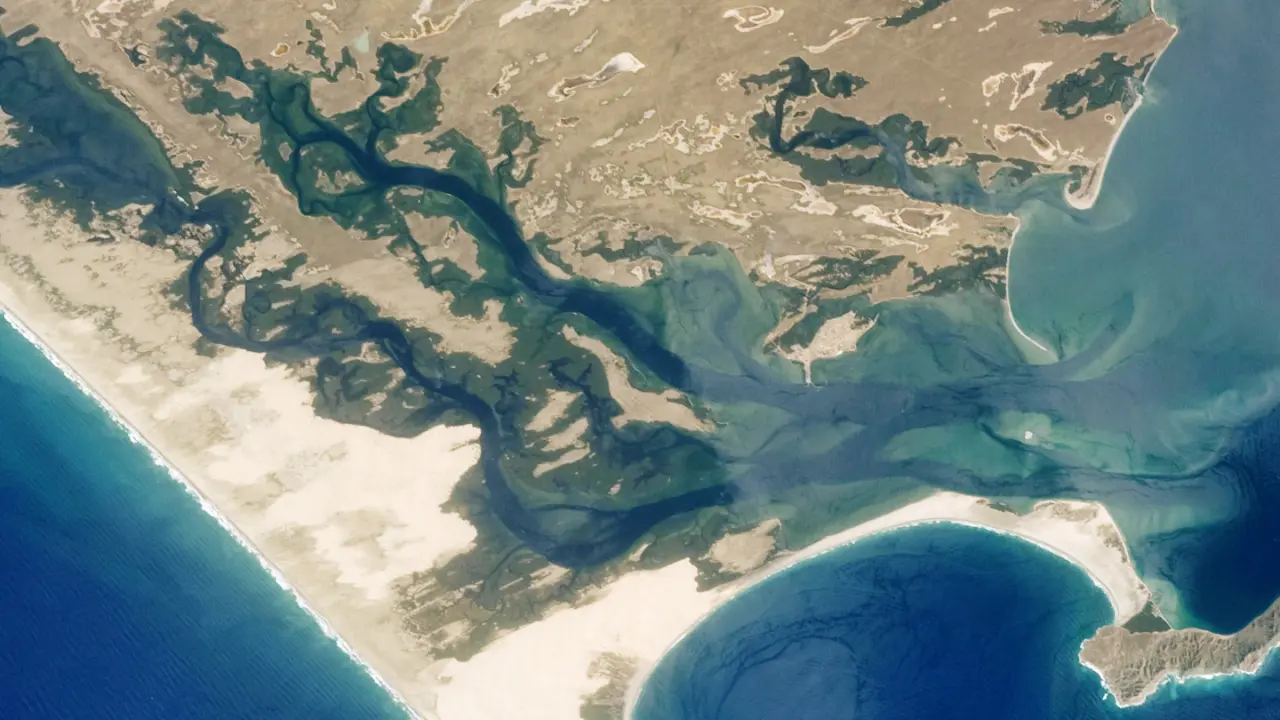
Awardee: Tiara Moore. Tiara is conducting a yearlong study to determine if there is a relationship between nutrient-stimulated eutrophication and estuarine acidification in the highly eutrophic Carpinteria Salt Marsh Reserve.
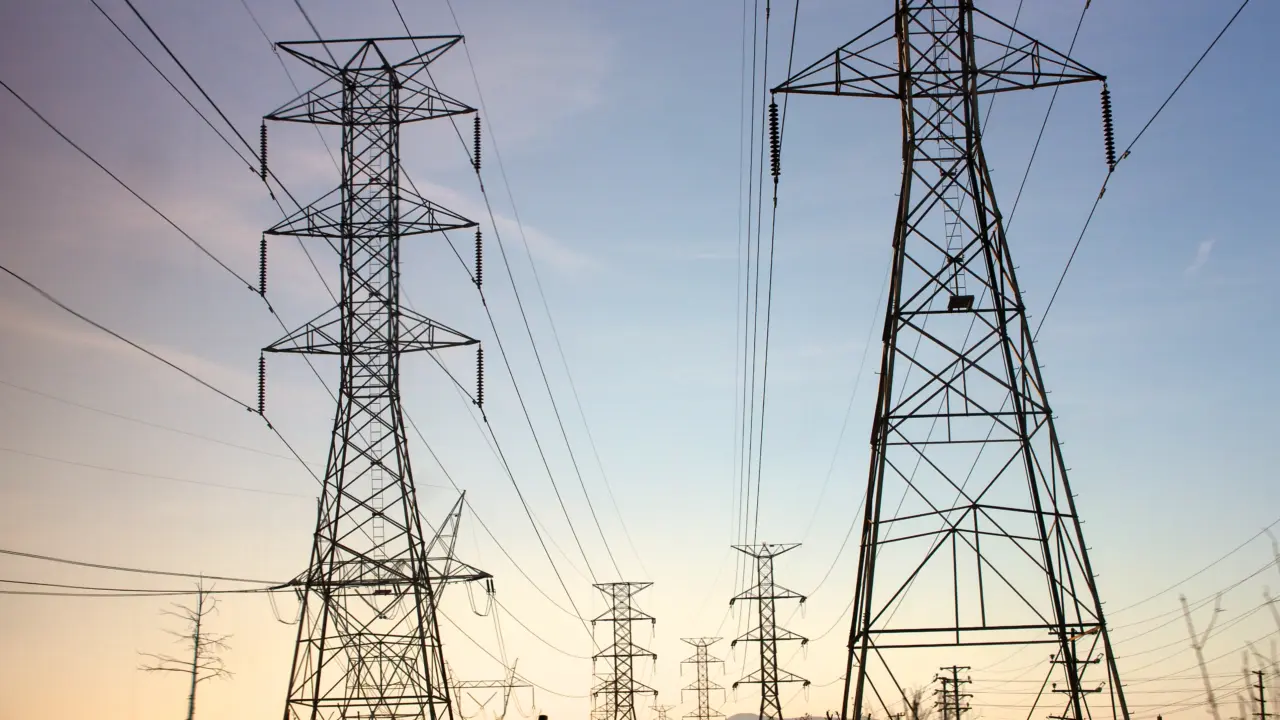
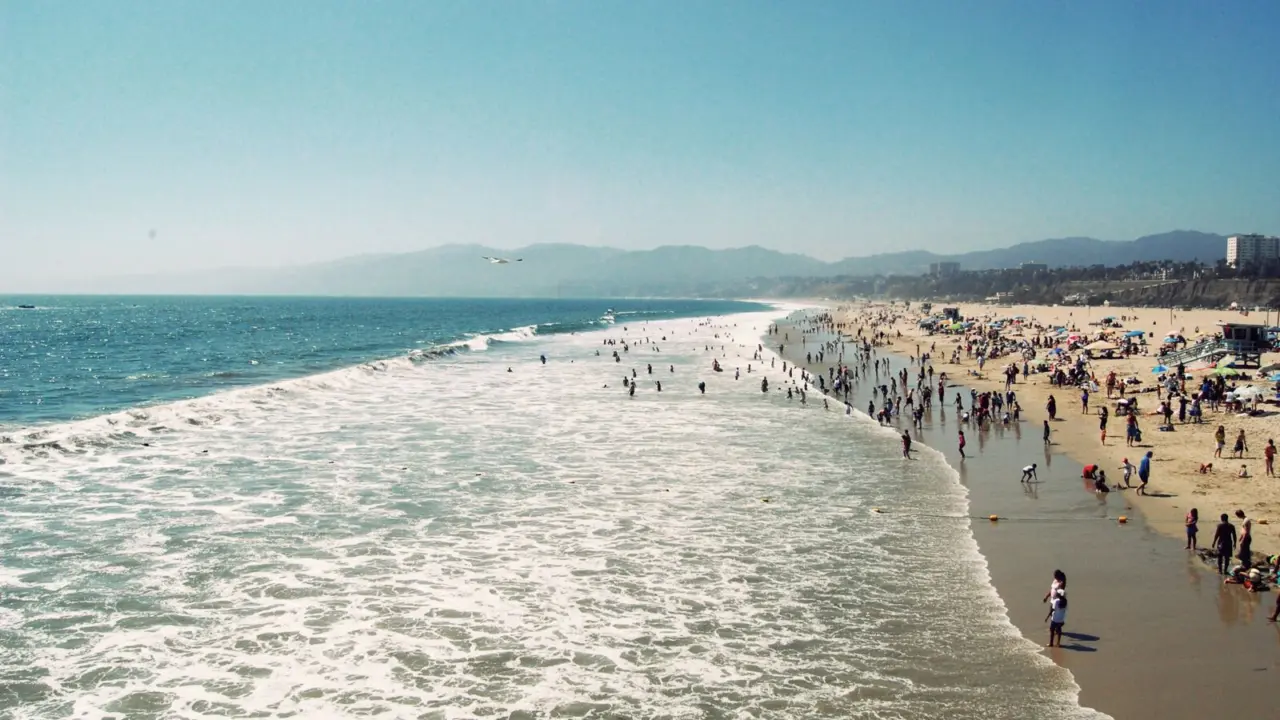
In this project, UCLA and Arizona State University researchers developed a sophisticated and in-depth description of future electricity demand, grid response, and vulnerability due to increased heat events in Southern California Edison territory under current and future climate scenarios. The project's findings enable innovative grid management and operation strategies and identify adaptation guidance.
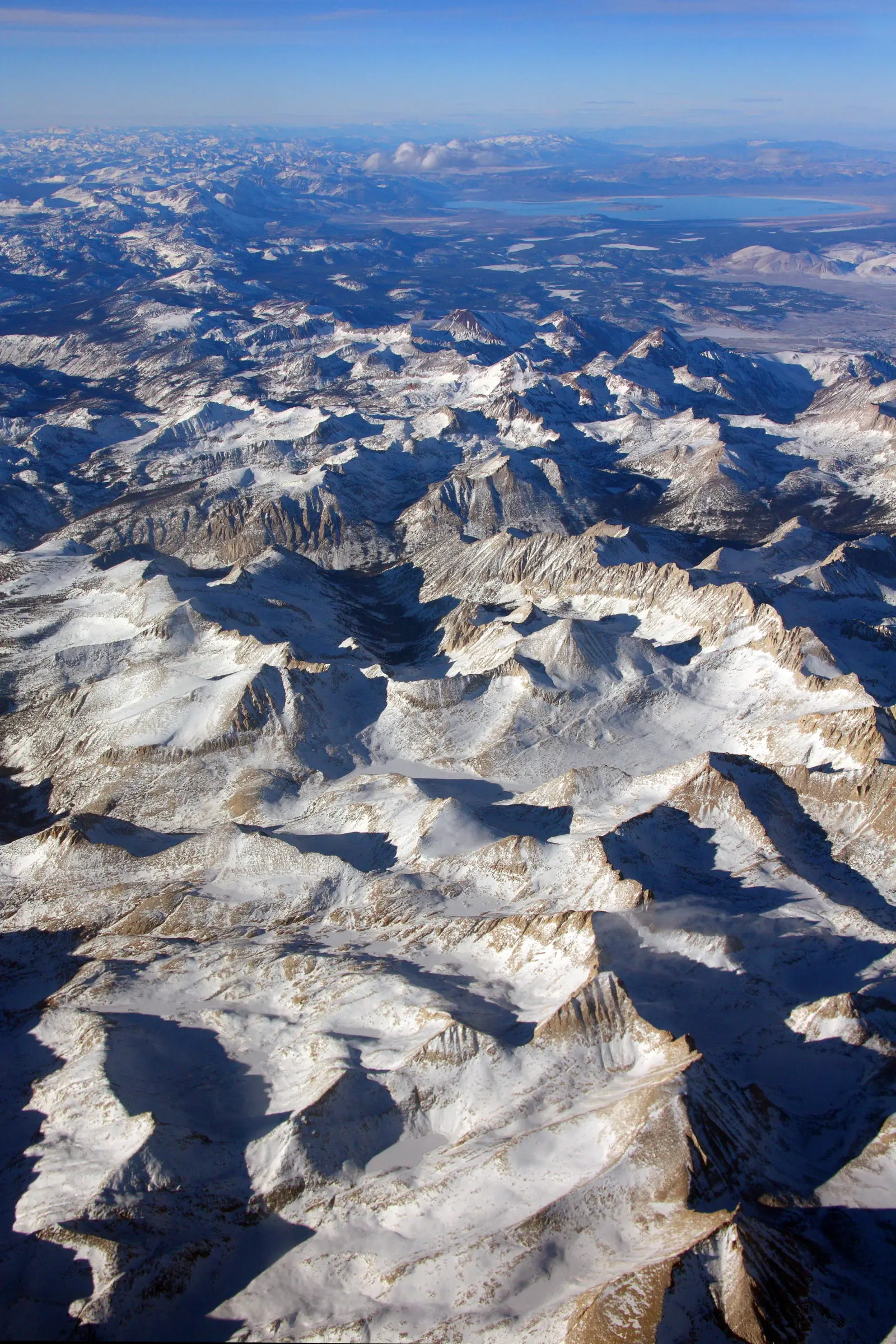
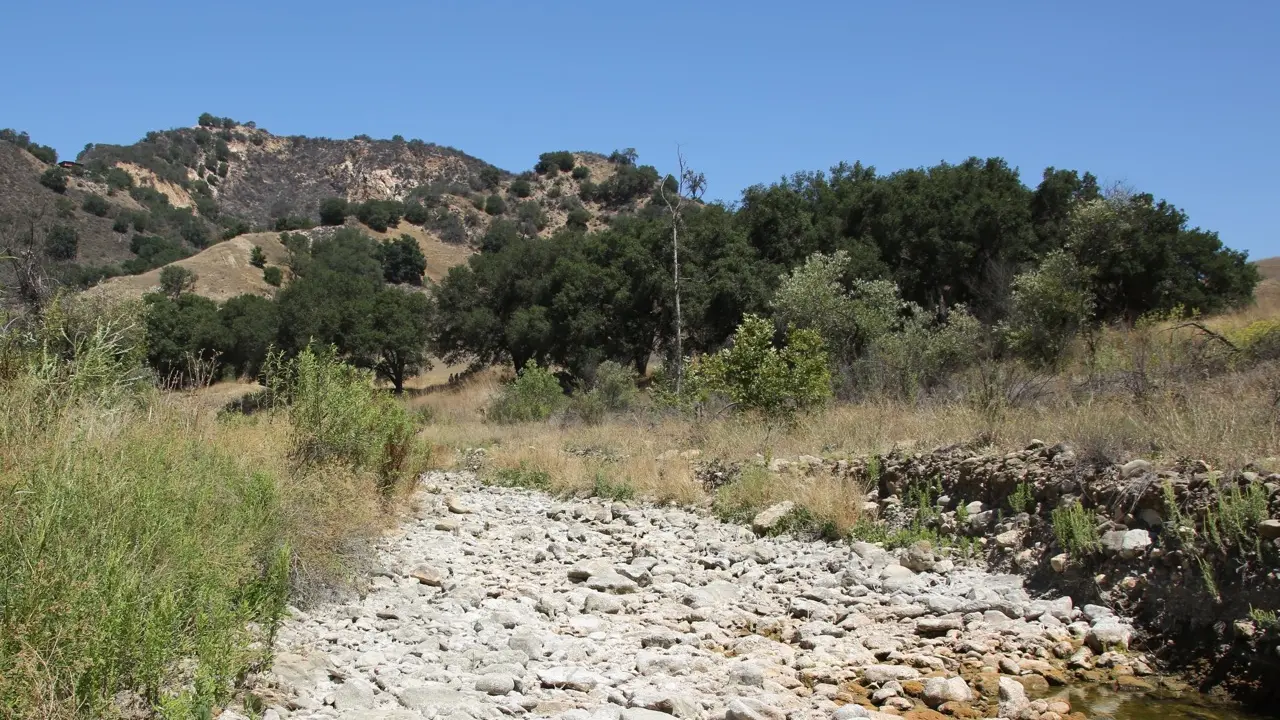
Using an innovative technique to produce high-resolution future climate projections, our team is answering key questions about the fate of the Sierra Nevada snowpack, a critical natural resource that not only supports an iconic ecosystem but also provides freshwater to millions of Californians.
Global climate disruption is affecting the planet in ways never experienced in human history. LENS is collaborating with the UC Office of the President to produce a series of six…
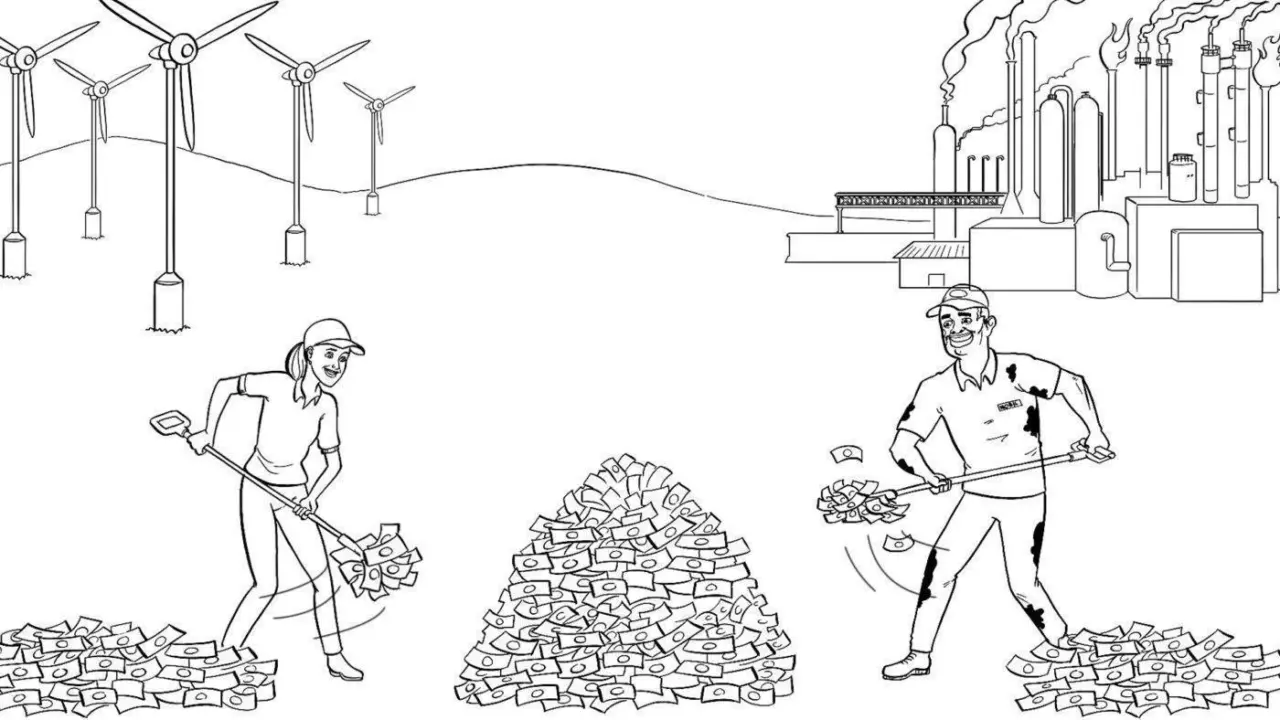
Between 2006 and 2009, firms spent over a billion dollars lobbying on climate-related bills and issues. Such spending is largely perceived as a strategy by industry to oppose regulation. Research…
Integrating physiological threshold experiments, remote sensing, and climate modeling to characterize the sensitivity of coastal ecosystems to climate change
Our community outreach includes visiting schools, hosting groups for tours, mentorship, and research experience for high school students and teachers and members of the public.