
UCLA’s Energy Atlas expands to provide consumption data for most of Southern California
Online tool updated to include solar capacity, as California aims for 100% renewable energy

Online tool updated to include solar capacity, as California aims for 100% renewable energy
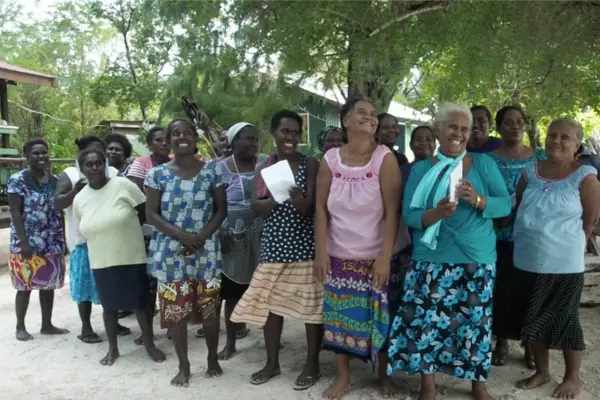
In countries with coastlines, there’s a literal ocean of opportunity that remains untapped. This opportunity — known as the blue economy — includes major industries such as fishing, shipping and…
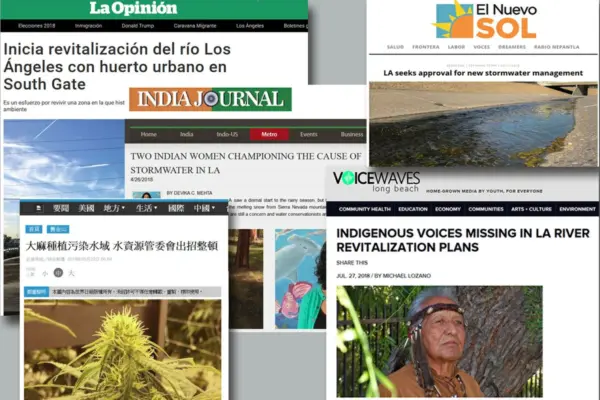
The stories, which appeared in newspapers, on television, and in online publications, were produced with support from a fellowship and training provided by UCLA’s Laboratory for Environmental Narrative Strategies and Ethnic Media…

Plastic pollution is a global crisis that results in wildlife entrapment, water and food contamination, and human health problems. Globally, only 9% of plastics produced are recycled; the rest is…
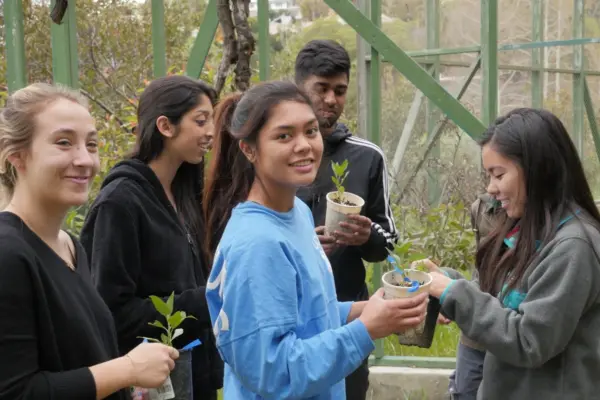
Senior Valeree Catangay recognized with the Brower Youth Award for her advocacy
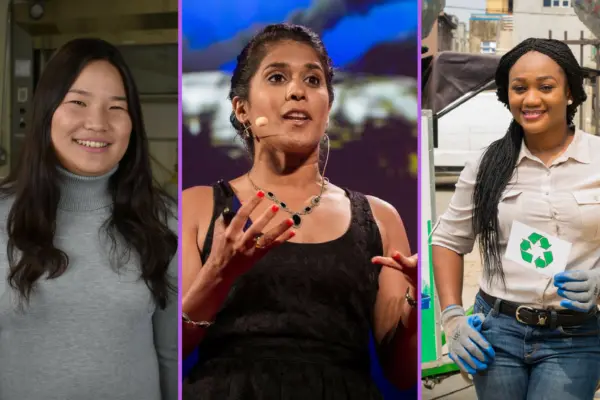
UCLA Institute of the Environment and Sustainability is proud to announce the 2018 Pritzker Emerging Environmental Genius Award finalists, as selected by a faculty committee. Chioma Ukonu, Asha de Vos…

Eleven years later, Barack Obama’s environmental vision still requires diversity in science
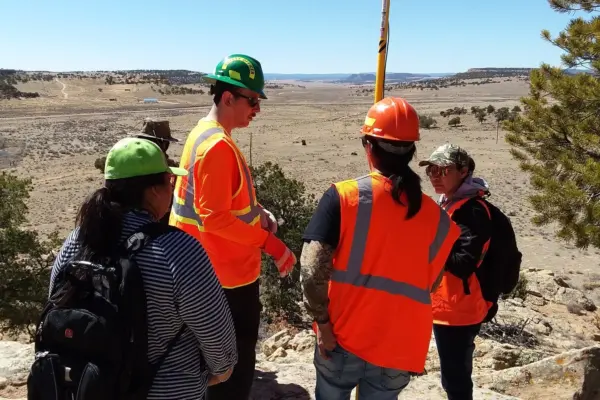
UCLA Institute of the Environment and Sustainability alumnus Jason Post bridges that gap with science education — he was recruited to Navajo Technical University by their Environmental Science and Geographic…
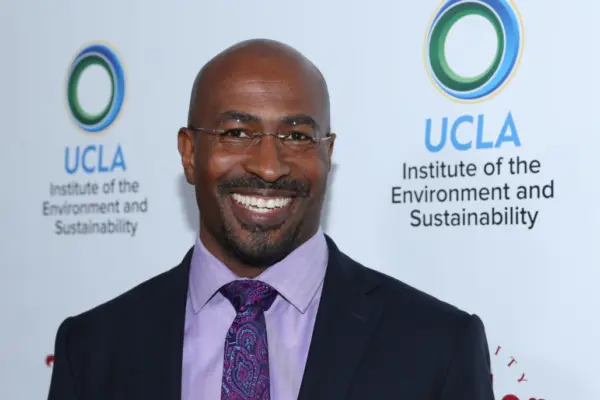
At the 2018 "SeaCO2Change" gala, Van Jones, and Keely Shaye and Pierce Brosnan issued a call to action while helping raise $1.3 million for research, education and improving diversity in the environmental field. Watch their full speeches here.
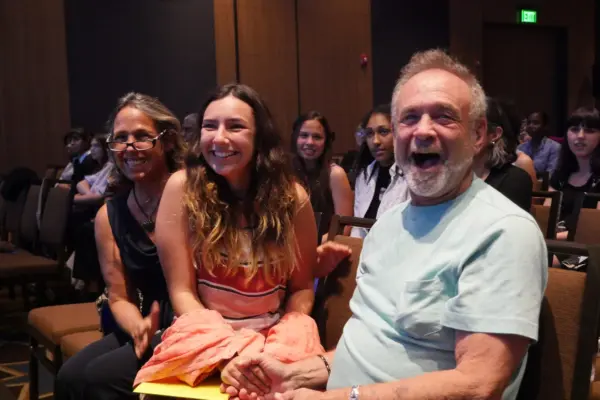
Film contest GreenShorts expands to reach and teach more SoCal high school students

But times are changing, and cities across California have begun to push back with lawsuits. These recent legal actions were the focus of a January 23 panel discussion hosted by…
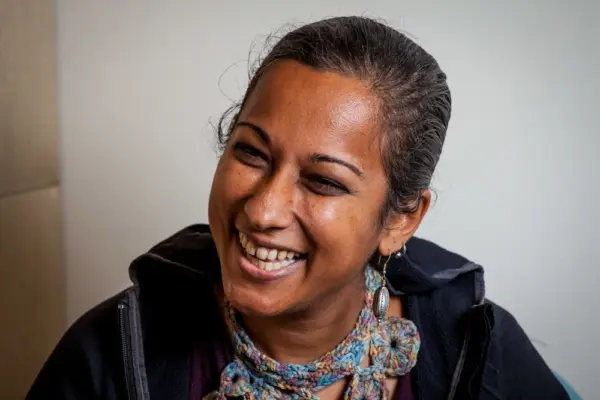
The Geological Society of America awarded UCLA’s Aradhna Tripati the 2017 Bromery Award for Minorities, which is given to a minority who has “made significant contributions to research in the geological…
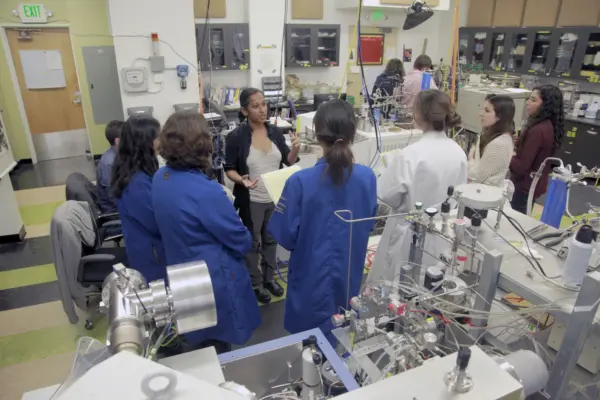
Fueled by her experiences, Aradhna Tripati has helped create the Center for Diverse Leadership in Science, which will provide opportunities for underrepresented minorities.

How Trump’s immigration policies will raise the prices of artichokes by Desiree Samler The first thing most people see when they enter a grocery store is a bountiful display…
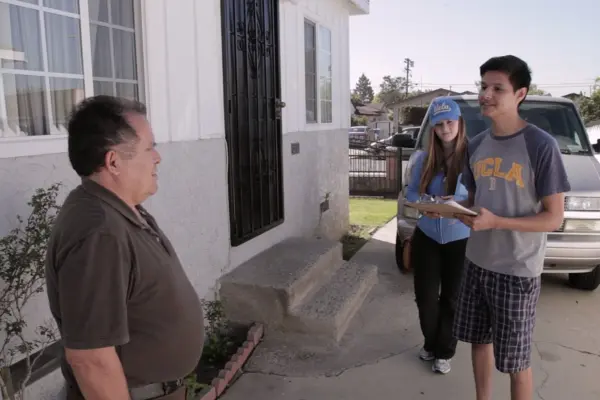
A UCLA student-led survey uncovered stark disparities in public health outcomes for L.A. neighborhoods with oil and gas drilling.
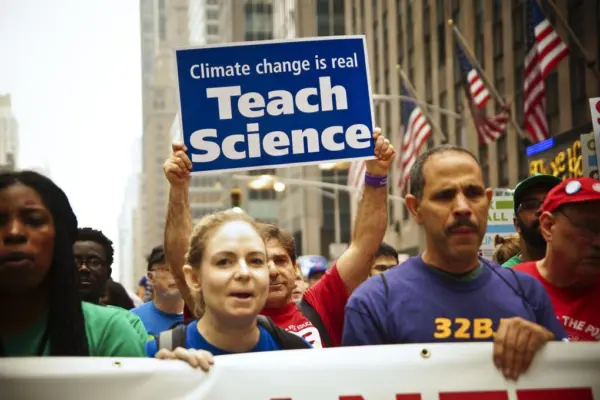
Stephanie Pincetl is one of the official speakers at Saturday's March for Science. Here's why she's marching.
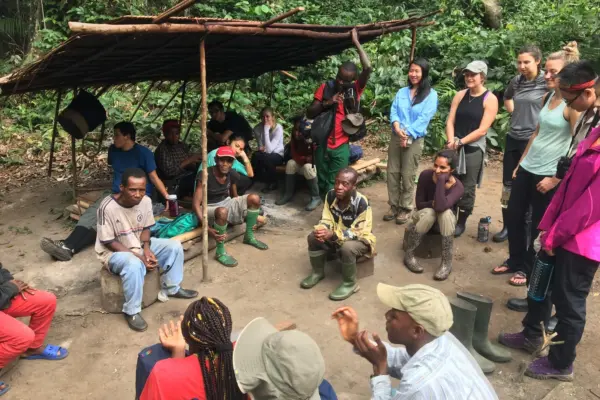
UCLA's Congo Basin Institute led a team of UCLA and Cameroonian students into a rain forest in central Africa to reopen a field station in a jungle with a thriving ecosystem with birds, elephants and monkeys.

The California Coastal Act promises that the coastline be open to all, but 40 years after its passage, new obstacles have emerged. And they'll take more than new beach paths to overcome.
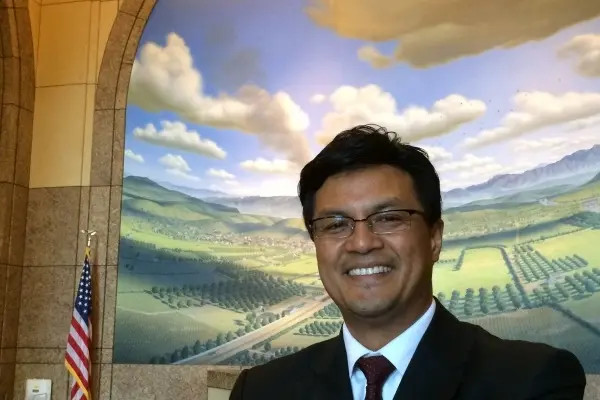
Cris Liban was presented with the Philippines' highest civilian award for those working overseas for his work at L.A. Metro, where he serves as Executive Officer for the Environment and Sustainability. Through his work, Liban seeks to connect communities and improve lives.

Dr. Pincetl’s latest post in the Nature of Cities. I have been reading an extraordinary book by Marwa Al-Sabouni: The Battle for Home: the Vision of a Young Architect in…
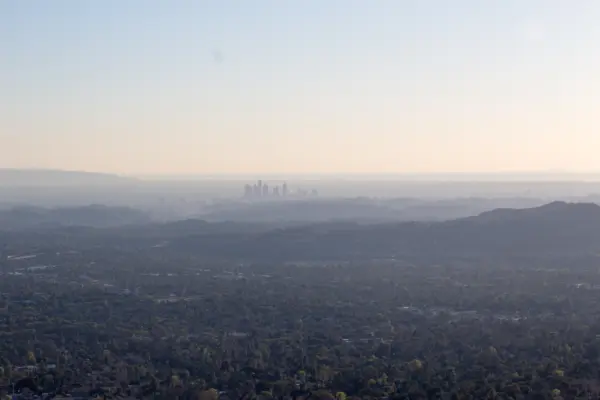
Post carbon cities are post-waste cities that confront the reality of our limited resources and overtaxed planet. Compost will be a way of life, as will sophisticated recycling and supply chain management. We no longer assume unlimited energy and planetary resources. We understand that our margin for resource extravagance is now razor-thin and that we can’t just override the constraints of natural systems by applying more brute carbon based energy. Earth resources are finite; its atmosphere sensitive. Instead, we recycle and repurpose as much as possible. Post carbon is about doing more — and better — with less.
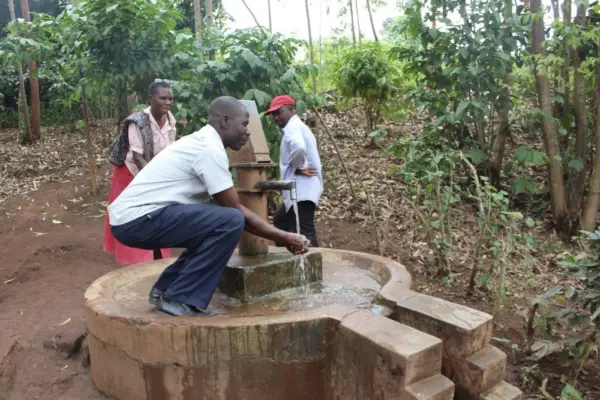
The borehole well has an electric-powered pump, so power outages also mean water outages. I had bottled water to drink, but then I realized that no power means I can’t…
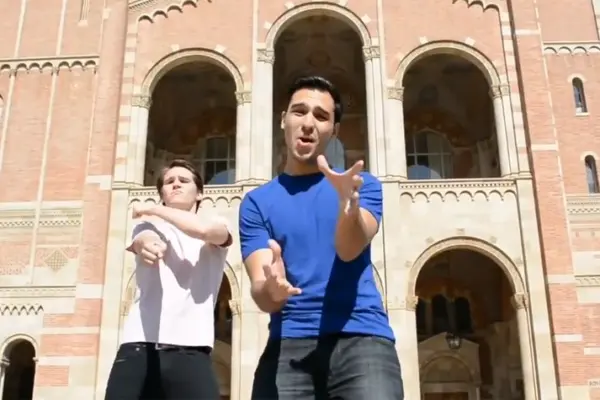
It’s also hard to imagine the rapper Macklemore ever reshaping his parody “Thrift Shop” into an ode to the Coriolis effect. But those are two of the entertaining student-made music…
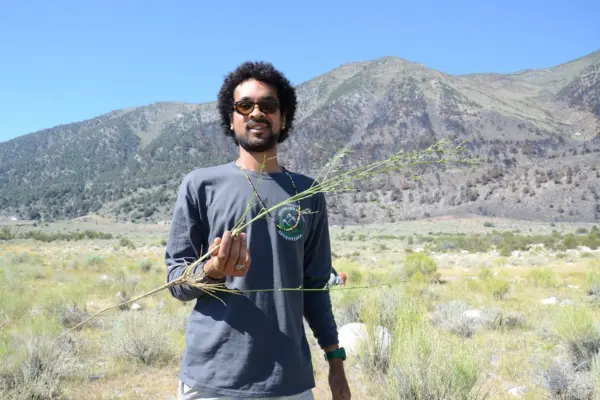
Just ask Osceola Ward, a UCLA graduate student who teaches disadvantaged kids to advocate for their communities and their futures. Ward wanted to be a lawyer, but his plans changed…