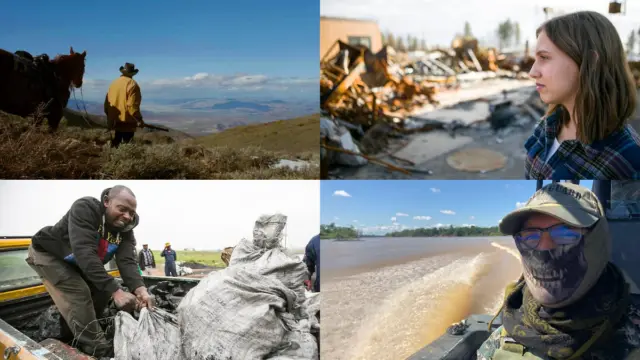
Environmental Storytelling Collaboration with KCET
LENS has partnered with KCET, the nation's largest independent public media company to produce engaging, research-driven environmental stories.

LENS has partnered with KCET, the nation's largest independent public media company to produce engaging, research-driven environmental stories.
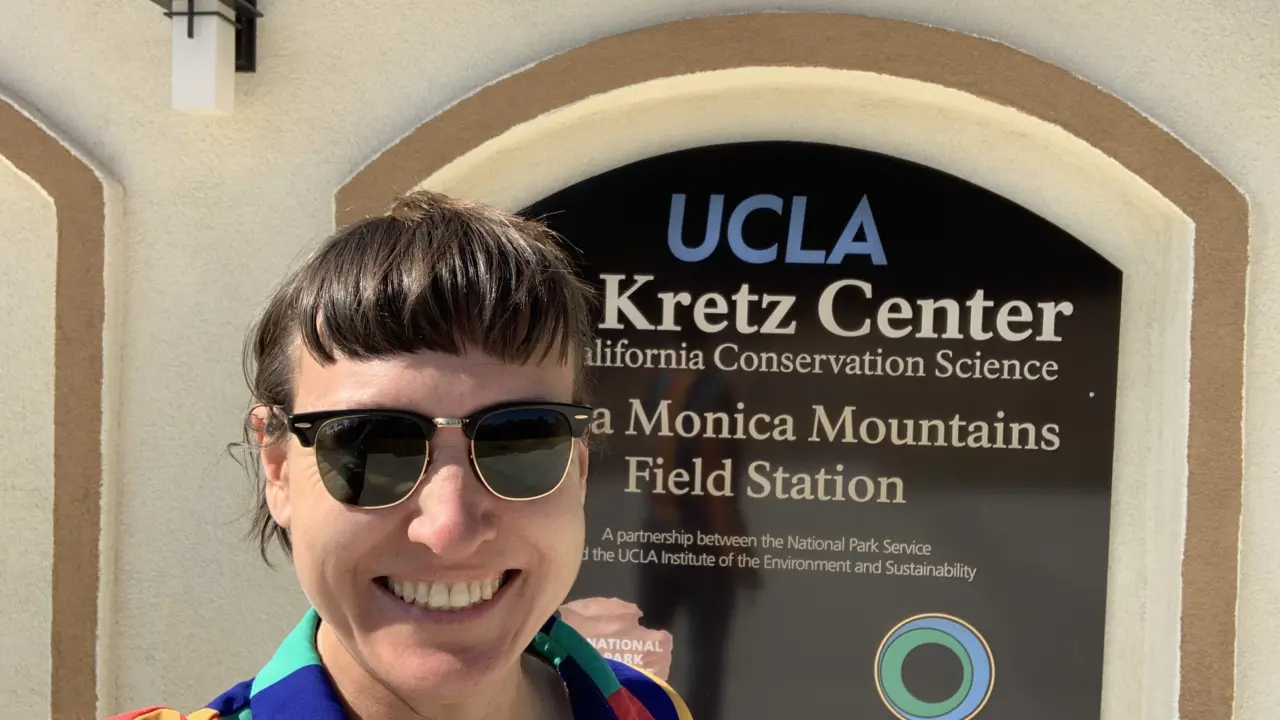
Rachel is a La Kretz Center Postdoctoral Fellow working with Dan Blumstein and Seth Riley on the effects of fire on mountain lions in the Santa Monica Mountains National Recreation…
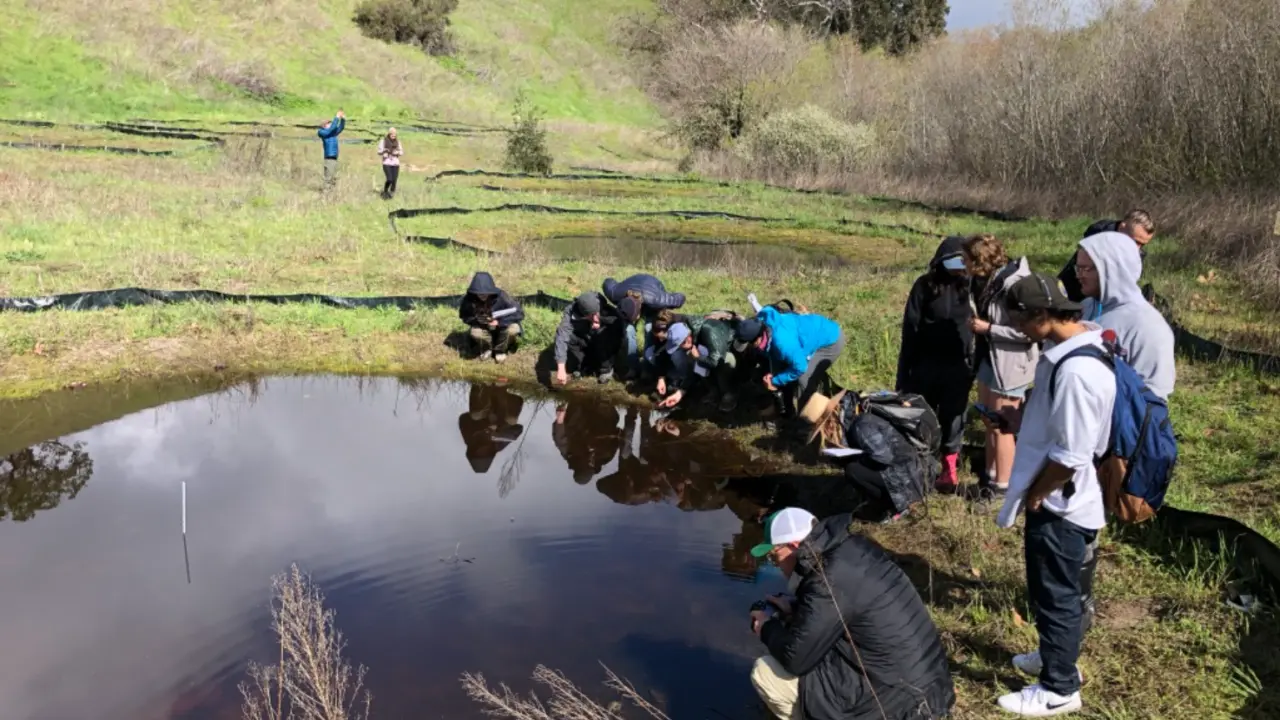
Awardee: Robert Cooper, PhD student in the Shaffer and Grether labs. Robert uses genomics to understand the ecological and evolutionary consequences of recent hybridization between the endangered California tiger salamander and a non-native salamander.
The U.S. Fish and Wildlife Service (USFWS) administers the Endangered Species Act, working with experts in the scientific community to identify species on the verge of extinction and to build…
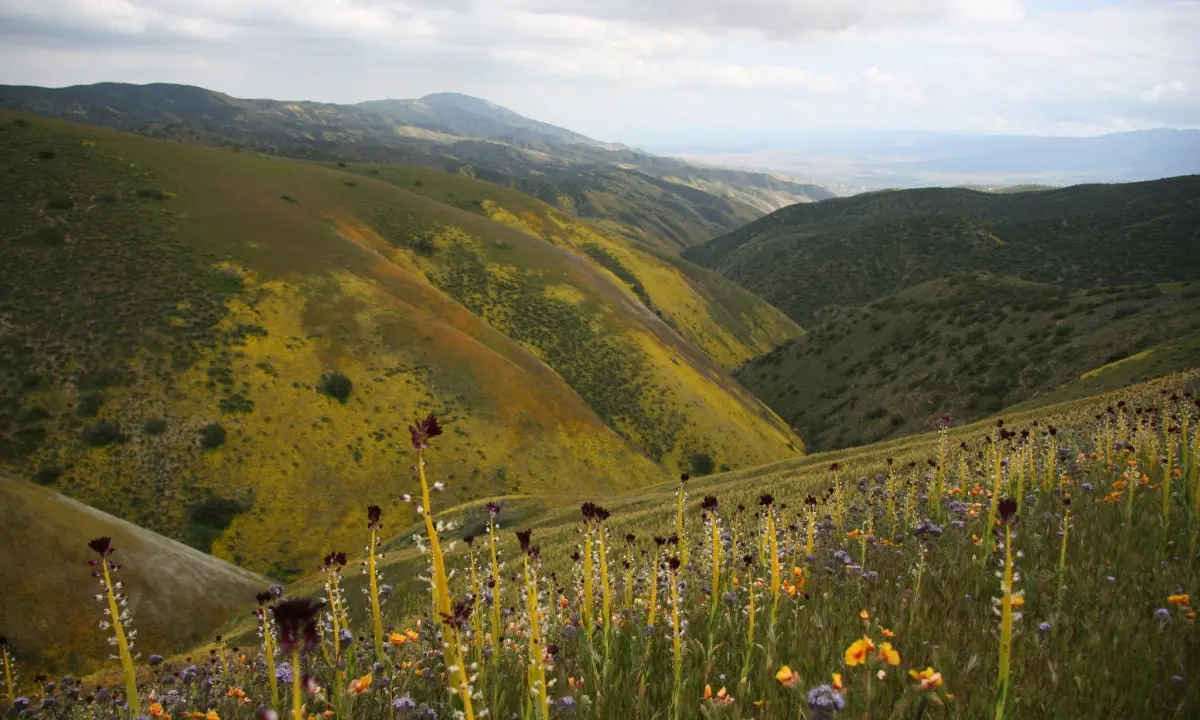
The U.S. Geological Service provides science about the natural hazards that threaten lives and livelihoods; the water, energy, minerals, and other natural resources we rely on; the health of our…
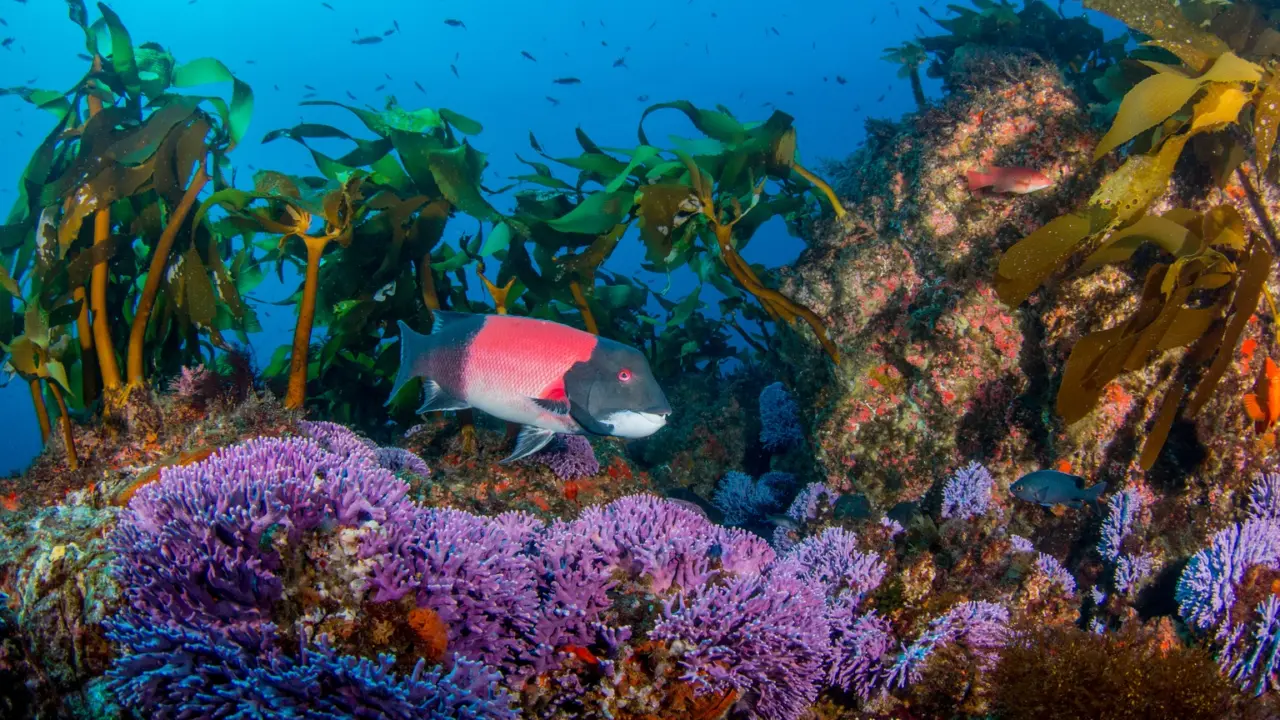
Awardee: Zack Gold, Ph.D. Candidate in Professor Paul Barber’s lab. Zack researches the effects of multiple human stressors on marine ecosystems using novel environmental DNA (eDNA) techniques.
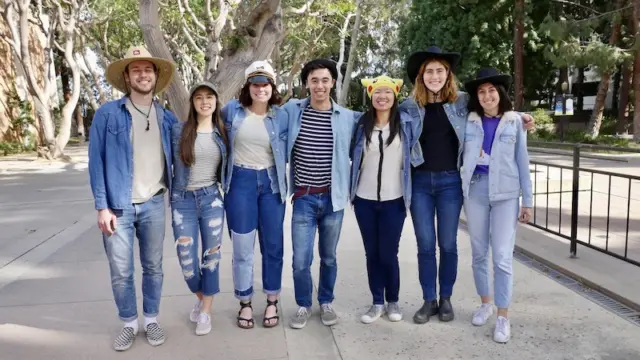
Our mission is to collaborate with the Theater, Film and Television School at UCLA to encourage sustainability on their campus and in their quarterly productions. To begin our…
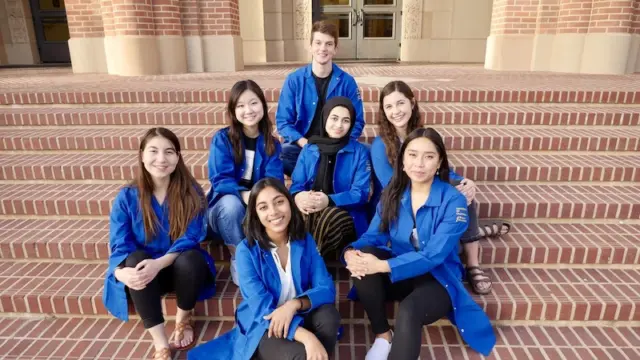
The approximate energy laboratories use is estimated to be ten times more energy and four times more water than offices in addition to generating 5.5 metric tons of plastic…
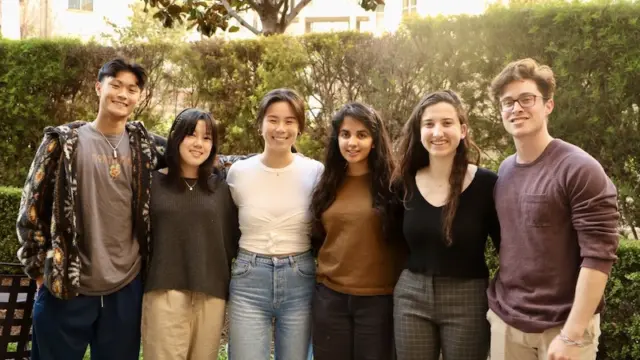
Bioplastics share many of the same drawbacks that make traditional, petroleum based plastics hazardous to the environment. Bioplastics will not degrade under any sufficiently short timescale unless handled…
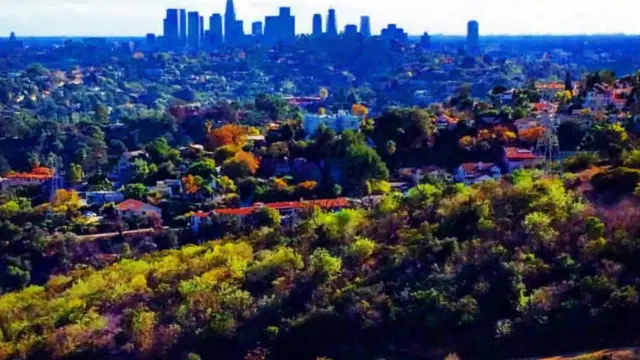
Home to more than ten million people, the Los Angeles metropolitan area accommodates one of the largest urban populations in the world. The vast majority of its landscape has been…
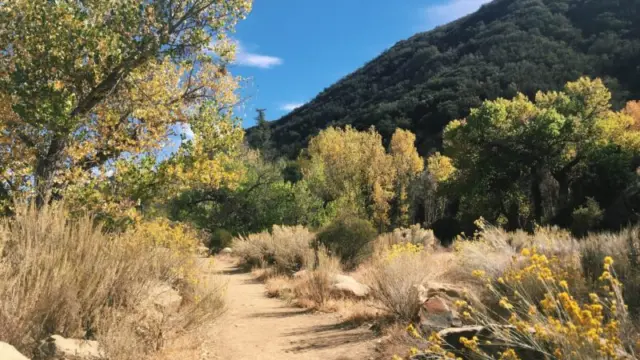
Home to more than ten million people, the Los Angeles metropolitan area accommodates one of the largest urban populations in the world. The vast majority of its landscape has been…
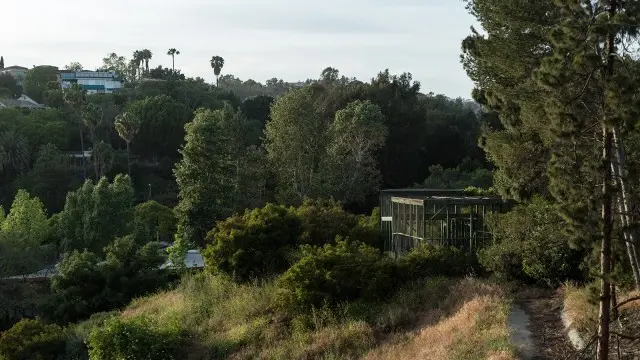
Native flora and fauna have become an increasingly rare sight within heavily urban communities. In cities, both flora and fauna communities frequently show drastically altered species composition, abundance, and richness,…