
Center for Tropical Research
News

TED Talk: How we can stop Africa’s scientific brain drain
Learn about how Kevin Njabo’s journey as a conservation biologist led him to work as a director of the Congo Basin Institute, a UCLA project in Cameroon that works with…

Searching for Birds in the Kumawa Mountains
CTR Senior Research Fellow Borja Milá, shares footage from a month-long ornithological expedition to the pristine Kumawa Mountains, in West Papua New Guinea. The expedition took place in the fall…
Work and Study in Africa Under The Judith Boyajian Travel Fellowship
The UCLA African Studies Center invites undergraduate and graduate students to apply for the Judith Boyajian Travel Fellowship. Spend the summer in Africa The Judith Boyajian Travel Fellowship is designed…
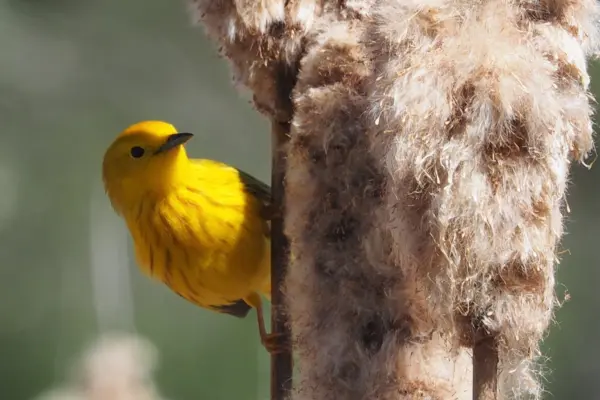
Genetic mapping shows migratory birds’ vulnerability to climate change
Research focusing on yellow warbler looks at species’ challenges and capacity to adapt
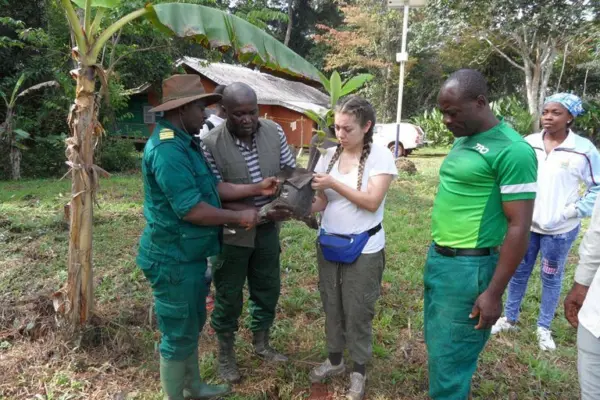
Waning plantain yields in rural Cameroon hurt college attendance
“. . . you almost never see a statistical significance that strong. It was compelling,” stated Trevon Fuller, assistant adjunct professor at the Center for Tropical Research to Mongabay in…

Rainfall can indicate that mosquito-borne epidemics will occur weeks later
IoES researchers Trevon Fuller, Ryan Harrigan, and Thomas Smith found that Zika and Chikungunya outbreaks generally occur three weeks after heavy rainfall. This study can help health officials prepare for…
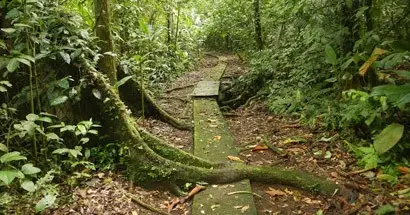
OTS Field Ecology Course in Costa Rica
Course dates: December 28, 2017 – January 23, 2018 Application deadline: APPLY NOW: rolling admission until filled Field Ecology: Skills for Science and Beyond is an intensive, four-week course that…
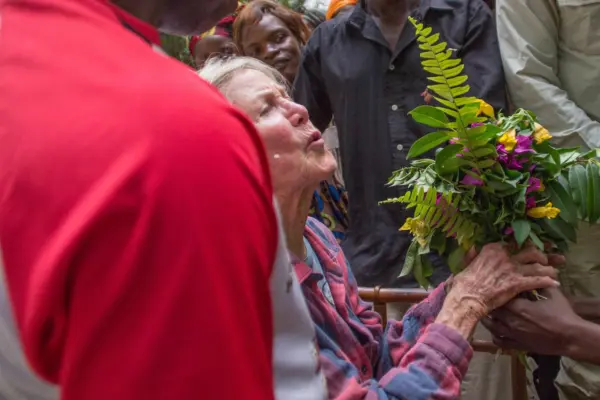
Visiting Bouamir: a photo essay
She’s spent a lifetime traveling and trekking, and the decades of backpacking, rock-climbing and the slow march of time have taken their toll. She’s had two hip replacements, and then…
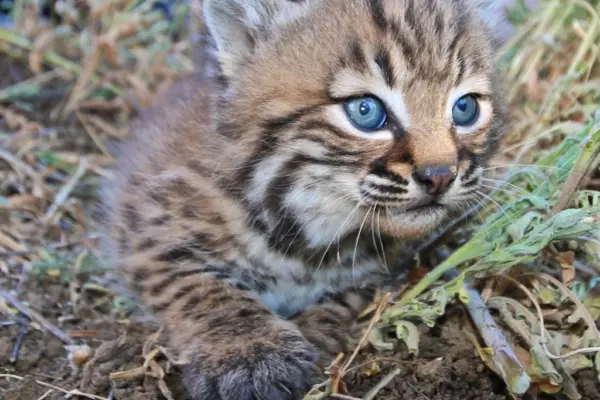
How the 101 freeway is changing the way our local wild animals evolve
“The fact that we have already observed and recorded genetic differences between the north and south of the 101 populations means that those things are not moving across that highway often," said Harrigan. "This is the sort of stuff of evolution."