Co-author Professor Victoria Sork, from the department of ecology and evolutionary biology at the UCLA explained why the team of researchers felt there was a need to carry out the…
Alan Barreca and a colleague used estimate shifts in daily birth rates from United States counties over a 20-year span, a sample including 56 million births. “We estimate that birth…
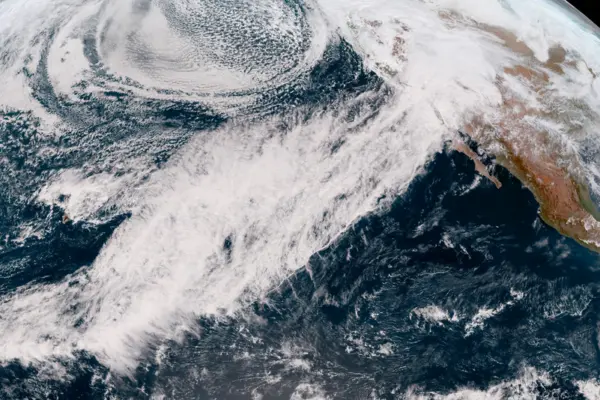
An atmospheric river is a formidable band of moisture (sometimes dubbed a “river in the sky”) that streams over the Pacific Ocean and into the Western U.S., often dousing California.…
Research by Alan Barreca shows that extreme heat correlates with more premature births. “We realized that the way people had worked at studying the health impacts of extreme heat in…
Alan Barreca and colleagues used data from global climate models to calculate how future increases in extreme heat are likely to shorten pregnancies. Each additional hot day is likely to…
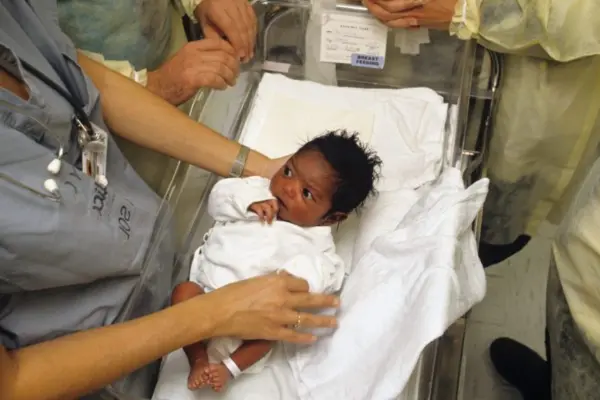
Hot weather increases the risk of early childbirth, which in turn is linked to worse health and developmental outcomes for children, a major new study by Alan Barreca has found.
Hot weather due to climate change is directly linked to shortened pregnancies and early labor in the U.S., a newly released study by Alan Barreca suggests.
California authorities are addressing the problem of lead in drinking water at public schools through a statewide program to test pipes and upgrade plumbing, but experts warn the threat goes…
From the Mbororo pastoralist community, Ibrahim is an expert in how indigenous peoples and particularly women adapt to climate change. She wants to highlight the impact a warming planet is…
“I’m an economist who has spent much of my decadelong career investigating how weather affects human health, with a focus on child and maternal health. I got started down this career…
Researchers examined 56 million births from 1969 to 1988 and correlated that data to weather data in the areas where the births occurred. They found a spike in deliveries on…
Hot weather can cause a spike in the number of babies being born early, a phenomenon that may harm infant health and is likely to get worse as temperatures climb…
Heatwaves may increase the number of babies born early, scientists have warned, after finding a spike in early births when temperatures reach 90F (32.2F) or above. Researchers at the University…
“Electrification and access to air conditioning should be a part of any effort to protect pregnant women and infants in developing countries,” said Allan Barreca, lead researcher with the University…
Shorter gestational periods have been linked to negative health and cognitive outcomes later in life. The authors, Dr Alan Barreca from UCLA, and Dr Jessamyn Schaller of the National Bureau…
A UCLA study by Alan Barreca suggests that climate change is causing many women to have shorter pregnancies than they would normally, which could pose risks for infant health and…
Rising temperatures might help trigger premature birth, a new study by Alan Barreca finds, suggesting that global warming could deliver more “preemie” babies. “These findings are important given the emerging…
Barreca writes for The Conversation on his latests research on climate change and early child birth. “About a quarter of children in the United States are born two to three…
Alan Barreca’s evidence suggests that heat exposure increases delivery risk for pregnant women. Acceleration of childbirth leads to shorter gestation, which has been linked to later health and cognitive outcomes.
The key finding was that birth rates spiked right around the days the temperature exceeded 90 degrees. After the hot weather passed, birth rates fell. “That’s enough to take somebody…
This Is Not A Drill has been written to clarify, inform, inspire and equip the people who are undecided yet interested in moving deeper into the climate action zeitgeist Extinction…
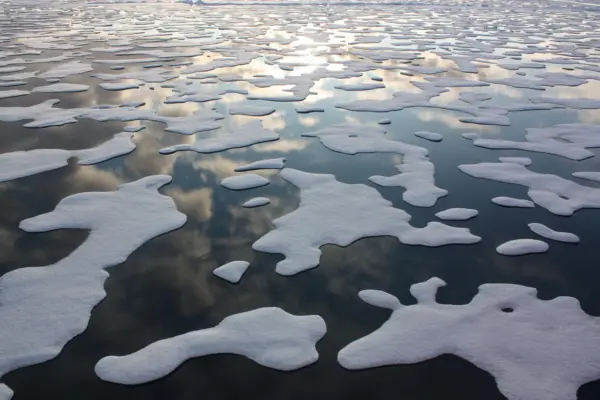
According to Chad Thackeray’s research from the University of California, the Arctic Ocean will be nearly ice-free for part of each year beginning sometime between 2044 and 2067 if current…