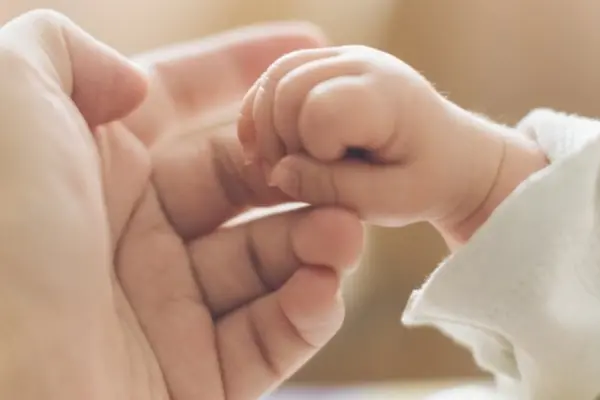
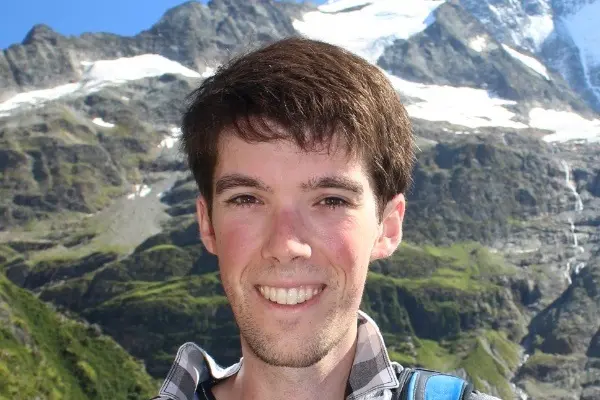
Barreca writes for The Conversation on his latests research on climate change and early child birth. “About a quarter of children in the United States are born two to three…
Alan Barreca’s evidence suggests that heat exposure increases delivery risk for pregnant women. Acceleration of childbirth leads to shorter gestation, which has been linked to later health and cognitive outcomes.
The key finding was that birth rates spiked right around the days the temperature exceeded 90 degrees. After the hot weather passed, birth rates fell. “That’s enough to take somebody…
This Is Not A Drill has been written to clarify, inform, inspire and equip the people who are undecided yet interested in moving deeper into the climate action zeitgeist Extinction…
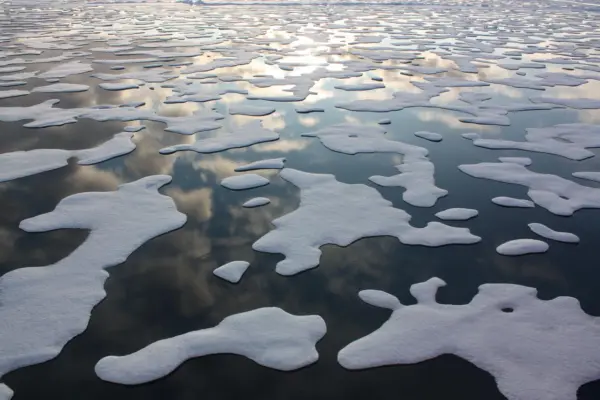
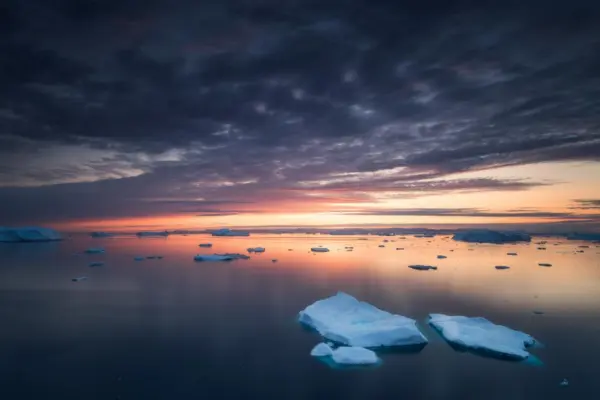
According to Chad Thackeray’s research from the University of California, the Arctic Ocean will be nearly ice-free for part of each year beginning sometime between 2044 and 2067 if current…
Alan Barreca’s research has found that extreme heat makes babies rush to the exit sooner, leading to an average of 25,000 US infants a year born a little early due…
“We saw a spike in births on hot days,” said study author Alan Barreca, an associate professor in environmental economics at the University of California, Los Angeles. For example, Barreca…
The study by Alan Barreca, published Monday in the journal Nature Climate Change, found that on days when temperatures soar past 90 degrees Fahrenheit, birth rates increase 5%. A 5%…
According to a new study published in Nature Climate Change, rising temperatures may have a direct impact on human gestational time, increasing the risk of early delivery. To study this effect,…
Alex Hall and researchers at U.C.L.A. have forecast that Los Angeles is likely to see a sharp increase in the number of days of extreme heat — defined as 95 degrees…
A new study by Chad Thackeray and Alex Hall at UCLA narrows down forecasts for an “ice-free” Arctic to between 2044 and 2067. The researchers used a new approach using…
You may not have planned to stay home for the holidays—but our country’s current weather situation might keep you there. Two powerful storms have been forming on both coasts, which…
“This may be the rare situation where rainfall puts out a coastal Southern California wildfire,” said Daniel Swain, a climate scientist with UCLA and the National Center for Atmospheric Research.
Neither Beijing nor Los Angeles is known for its clean air, but Beijing’s air quality is significantly worse. “Los Angeles used to be nearly as polluted as Beijing is today,”…
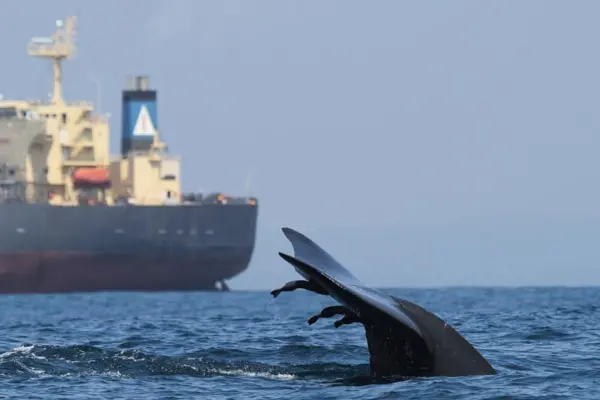
Sri Lanka is an island nation with more than 8000 square miles of territorial waters, home to 29 documented species of marine mammals, including five large whale species – but…
Ann Carlson writes for Legal Planet: “…We will not have expansive policy to tackle climate change until Congress acts. And Congress won’t act unless the Democrats can take the Senate…
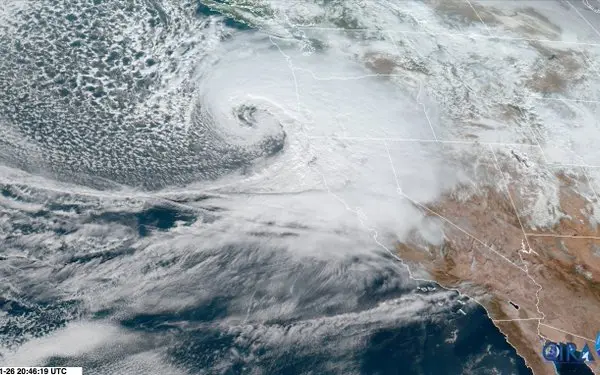
Daniel Swain, a climate scientist at UCLA and author of the Weather West blog, posted a satellite image of the cyclone and tweeted admiringly of it. “Gorgeous GOES-17 imagery depicting explosively deepening…
A “bomb cyclone” has unleashed blizzard-like conditions in Southern Oregon and northern California. The storm developed rapidly as it approached land, bringing a quick transition into windy weather with high…
New research led by UCLA evolutionary biologist Victoria Sork examines whether the trees being replanted in the wake of California’s fires will be able to survive a climate that is…
Neither Beijing nor Los Angeles is known for its clean air, but Beijing’s air quality is significantly worse. “Los Angeles used to be nearly as polluted as Beijing is today,”…
Using amateur video shared on social media, marine biologist Asha de Vos identified the animal as a southern elephant seal, named for its nose that resembles an elephant’s trunk. The…
Many are worried insurance may become unaffordable or unavailable in high-risk wildfire areas, making it impossible for homeowners to obtain mortgages. Sean Hecht examines the question as it applies to…
New research led by UCLA evolutionary biologist Victoria Sork examines whether valley oak trees being replanted in the wake of California’s fires will be able to survive a climate that…