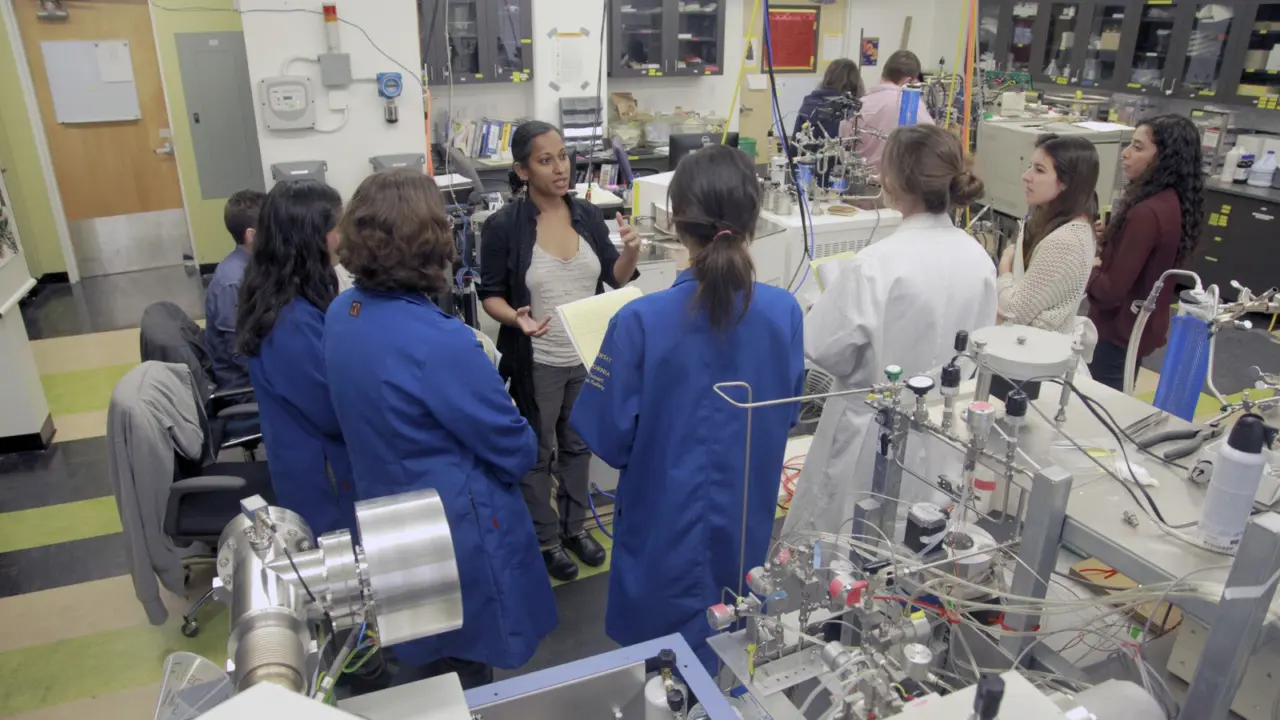
New center raises everyone’s voices for environmental science
Fueled by her experiences, Aradhna Tripati has helped create the Center for Diverse Leadership in Science, which will provide opportunities for underrepresented minorities.

Fueled by her experiences, Aradhna Tripati has helped create the Center for Diverse Leadership in Science, which will provide opportunities for underrepresented minorities.
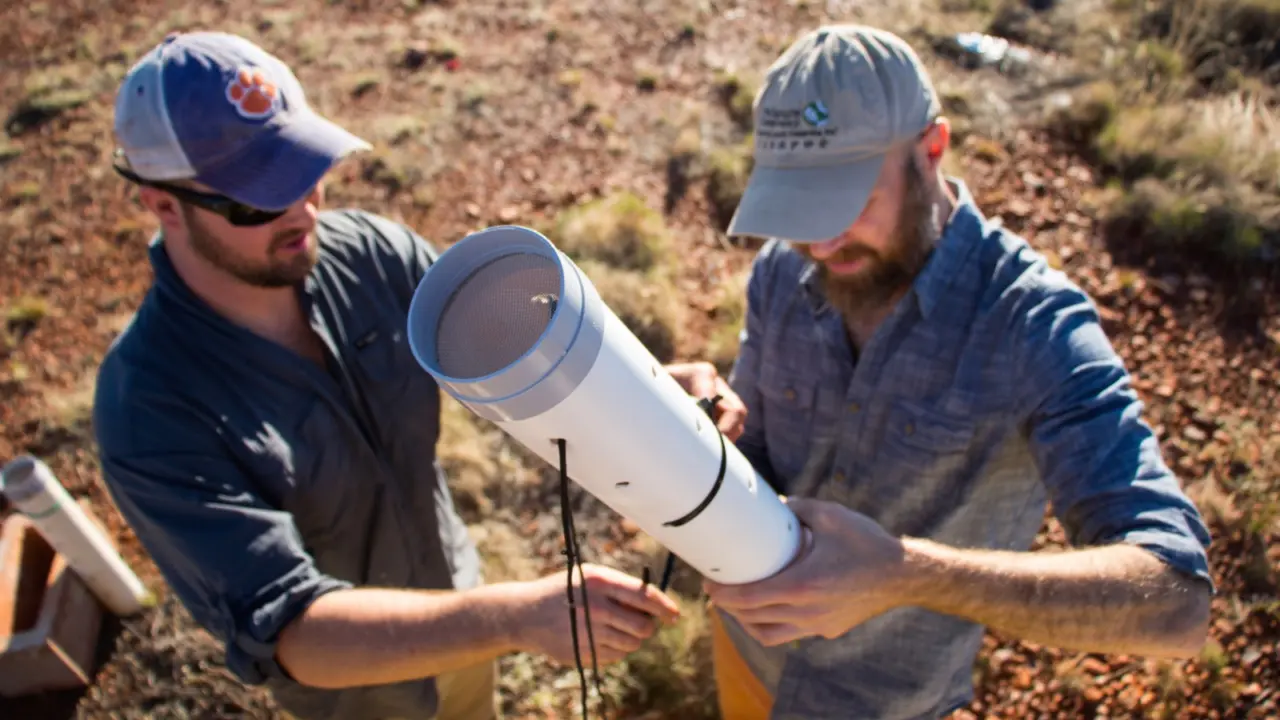
The first major environmental award to target the under-40 crowd hopes to invest in novel solutions for the planet.
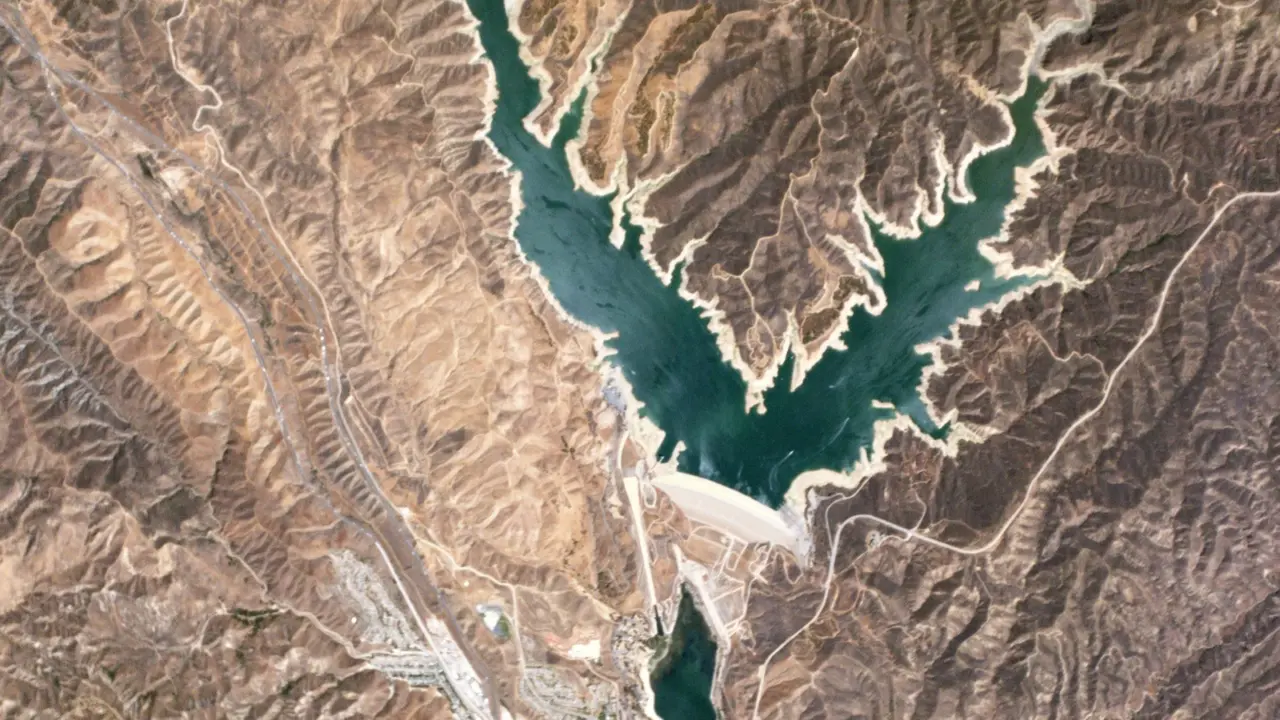
UCLA researchers created a comprehensive model to find out how L.A. County can reduce its reliance on imported water.

UCLA environmental science major Alex Wolfson envisions his future as a funny scientist.
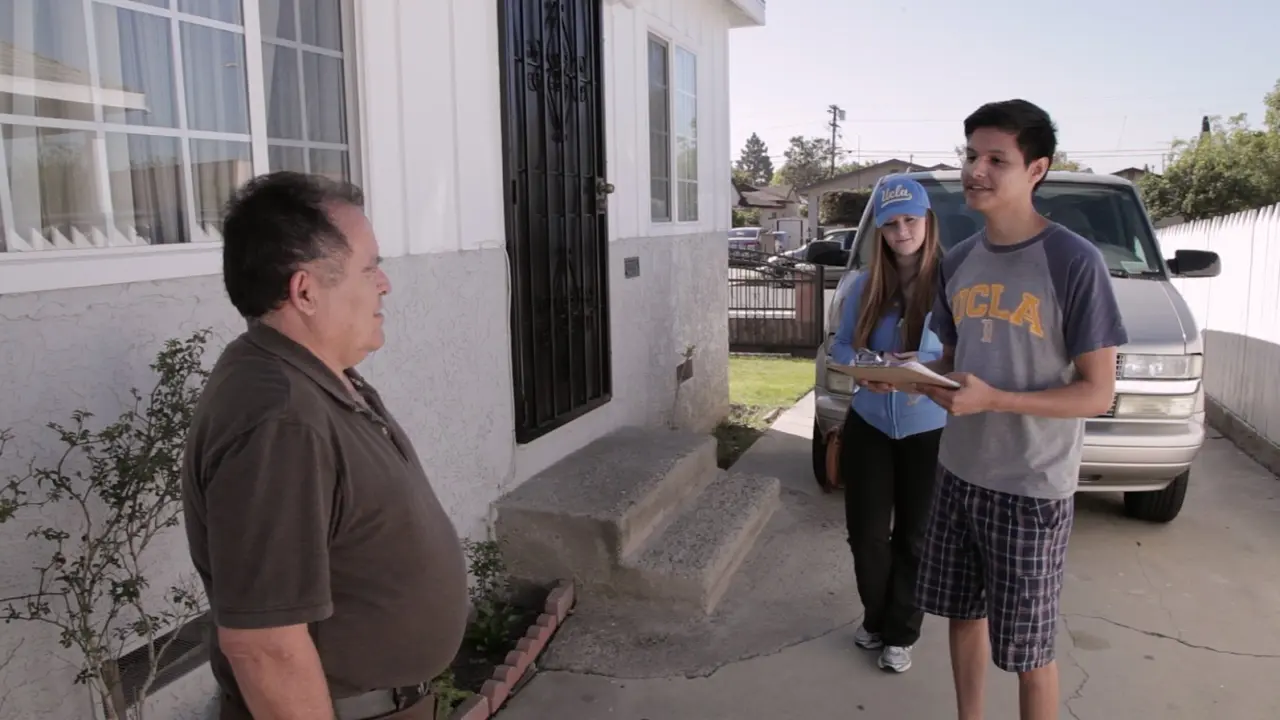
A UCLA student-led survey uncovered stark disparities in public health outcomes for L.A. neighborhoods with oil and gas drilling.
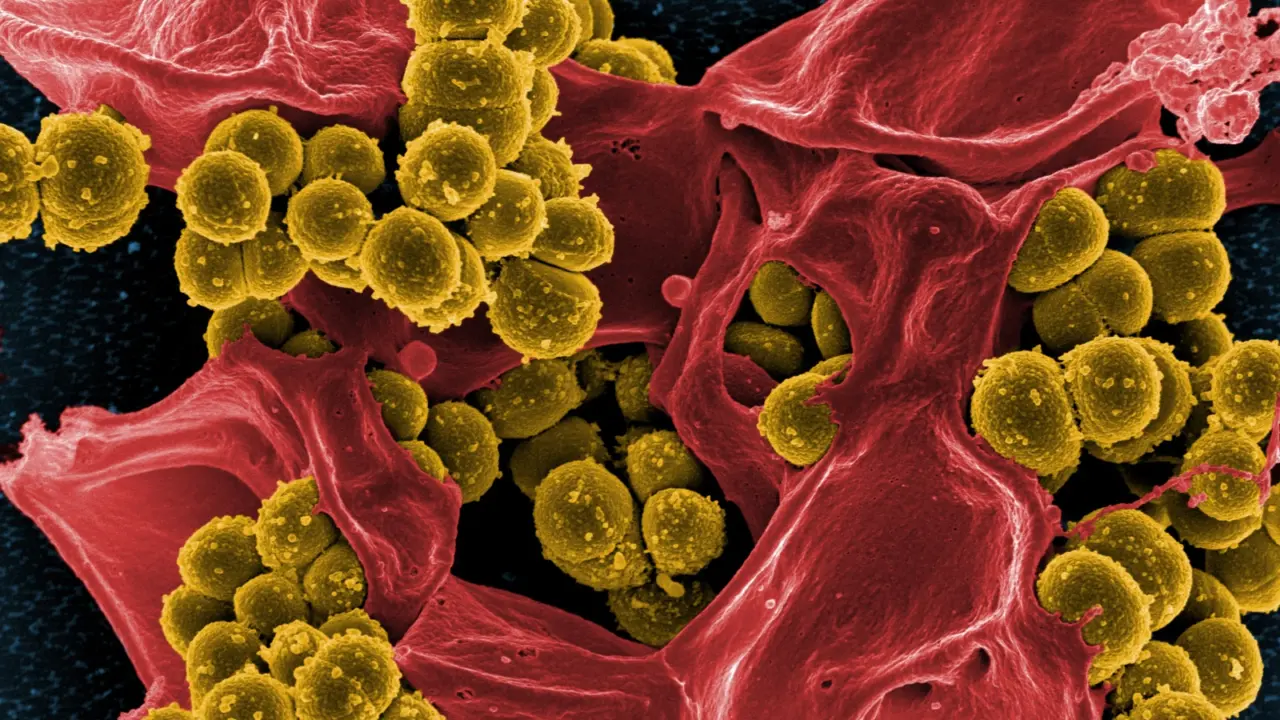
Overuse of antibiotics has led to superbugs that resist even powerful last-line-of-defense antibiotics. UCLA researchers have learned that antibiotic resistant genes are everywhere, including places people are encouraged to go for fun—parks.
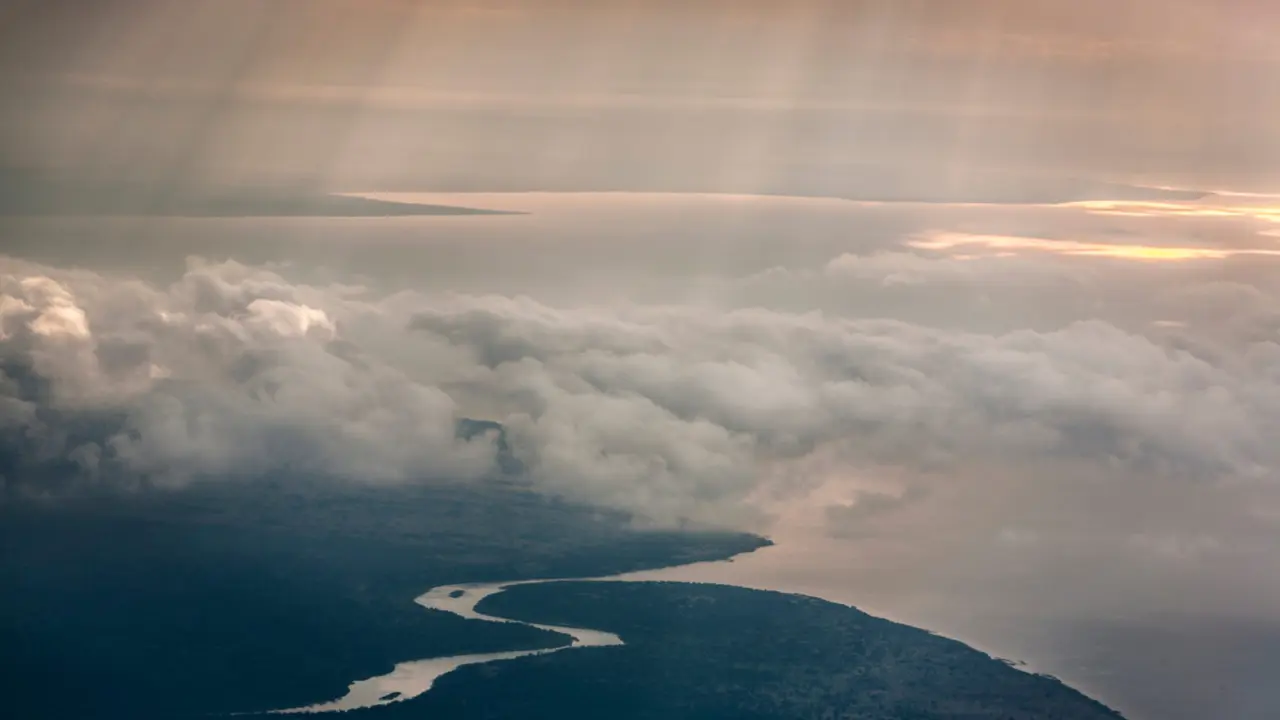
Using satellite and laser detection, a new carbon density map of the Democratic Republic of the Congo empowers global efforts to stem climate change and deforestation.

The International Olympic Committee (IOC) wants prospective host cities to provide game plans that ensure all future Olympics and Paralympics are sustainable low-carbon events. For the two cities vying to host the 2024 games, Los Angles and Paris, it may come down to which has the green edge.
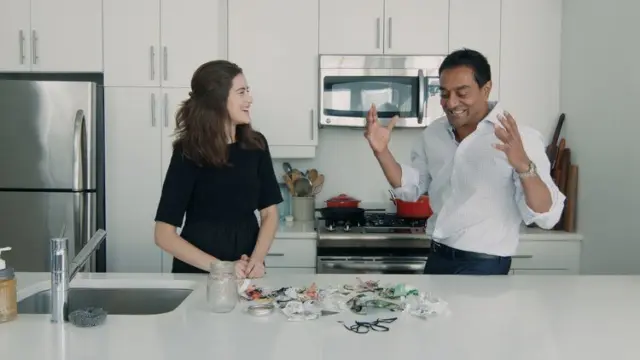
The program playfully approaches the critical global issue in episodes that are just seven to 10 minutes long. The first two on thinking about climate change and going green have…
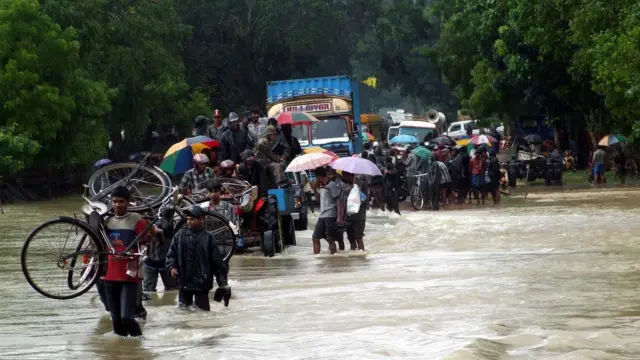
UCLA weather expert Daniel Swain is part of a team that created a new four-step “framework” to more accurately test how climate change is pushing unprecedented weather events. It’s the latest study in a burgeoning field of climate science known as “extreme event attribution.” Testing their new framework, researchers found that human induced warming has increased the odds of severely hot weather across more than 80 percent of the globe.
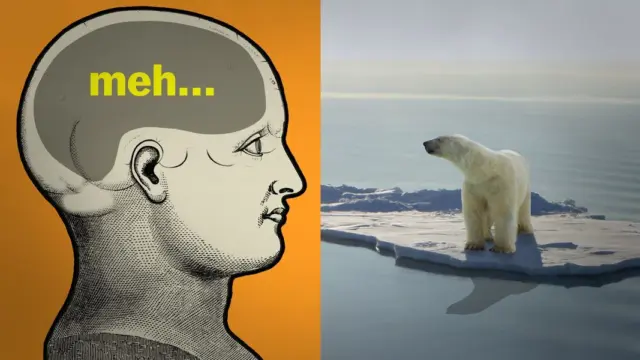
First episode of ‘Climate Lab’ airing today asks why humans are so bad at thinking about climate change.
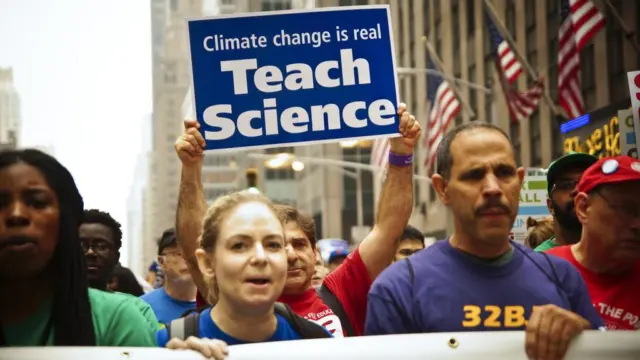
Stephanie Pincetl is one of the official speakers at Saturday’s March for Science. Here’s why she’s marching.
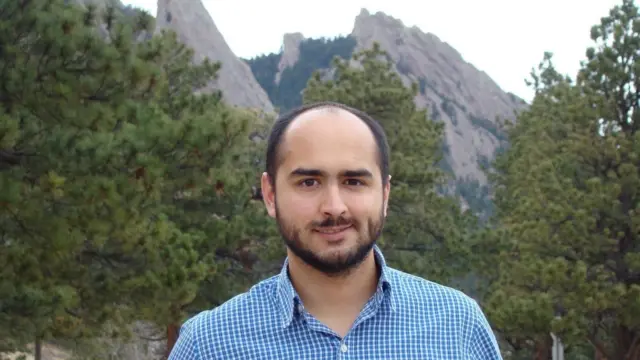
With specialties ranging from environmental economics to atmospheric science, three new hires add legitimate climate change muscle to UCLA Institute of the Environment and Sustainability.
UCLA Law School’s Ted Parson weighs in on climate geoengineering—and some of its sticky governance problems he’ll be tackling in a new project.
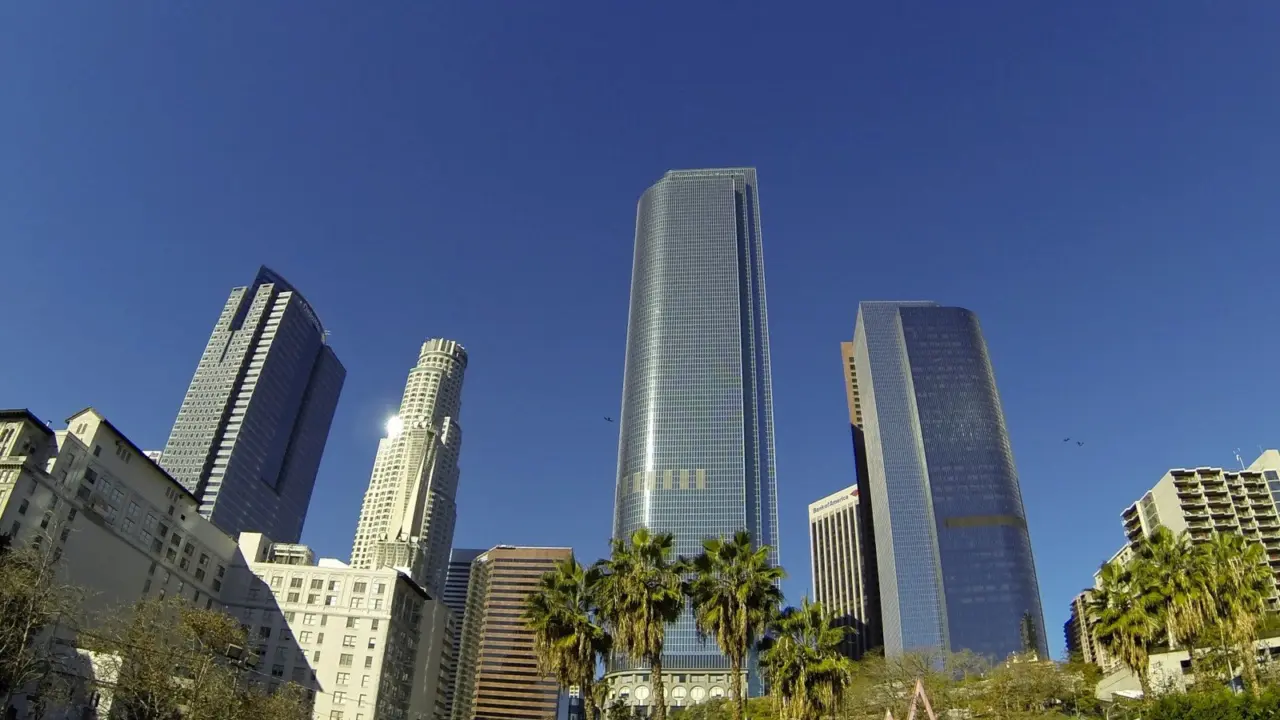
UCLA study shows building certification programs like LEED reduce carbon emissions, but smaller buildings get left behind.
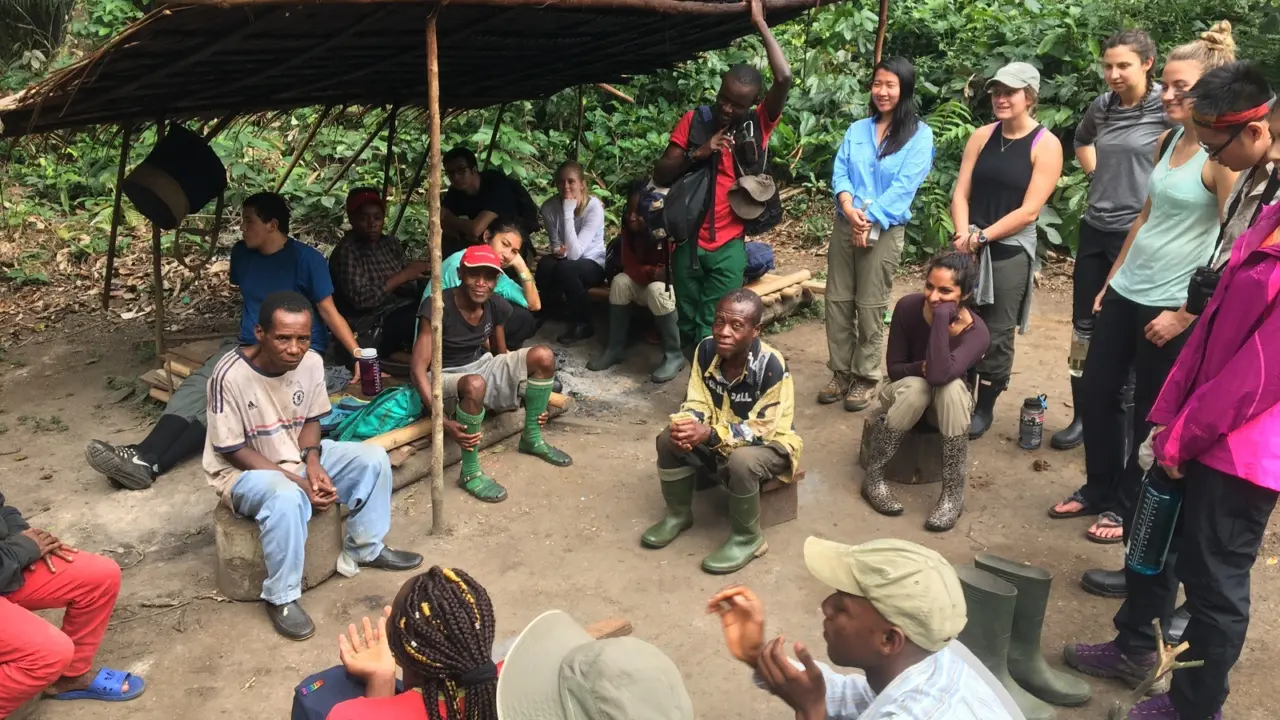
UCLA’s Congo Basin Institute led a team of UCLA and Cameroonian students into a rain forest in central Africa to reopen a field station in a jungle with a thriving ecosystem with birds, elephants and monkeys.
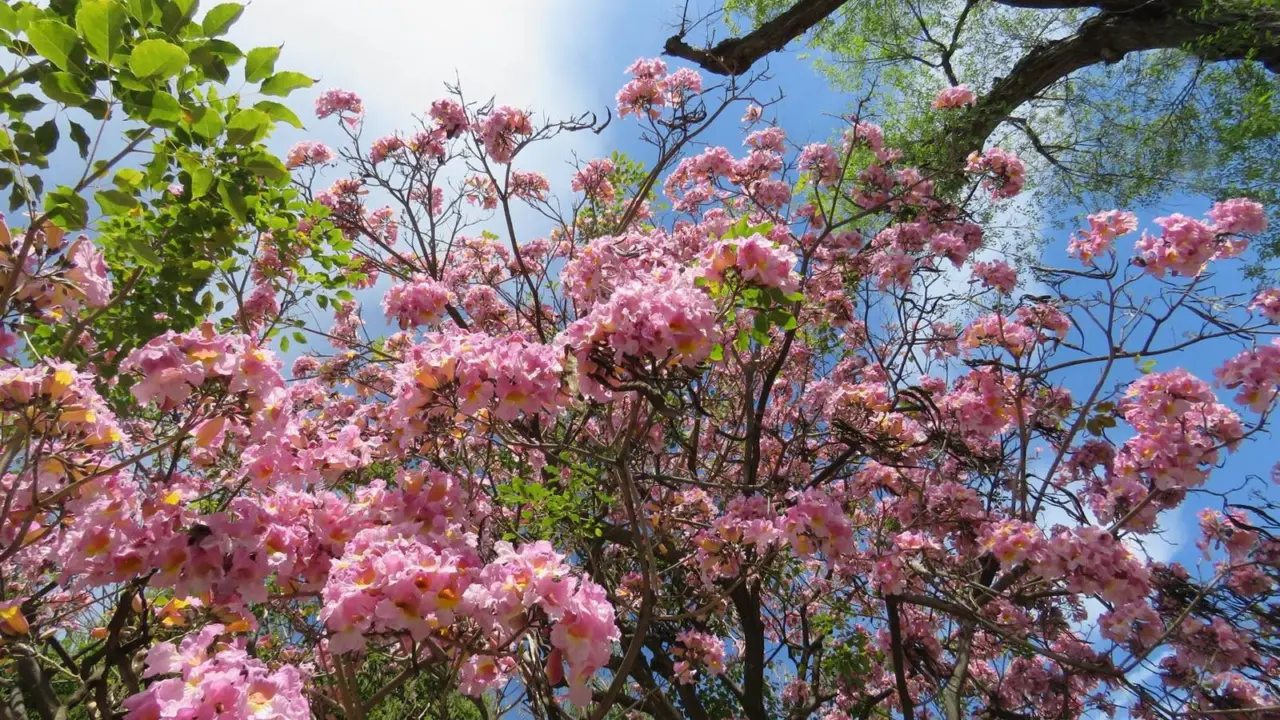
From the Santa Monica Mountains to the Sierra Nevada, UCLA conservation biologists watch as wildlife responds to a welcome surge of wet weather after years of intense drought.
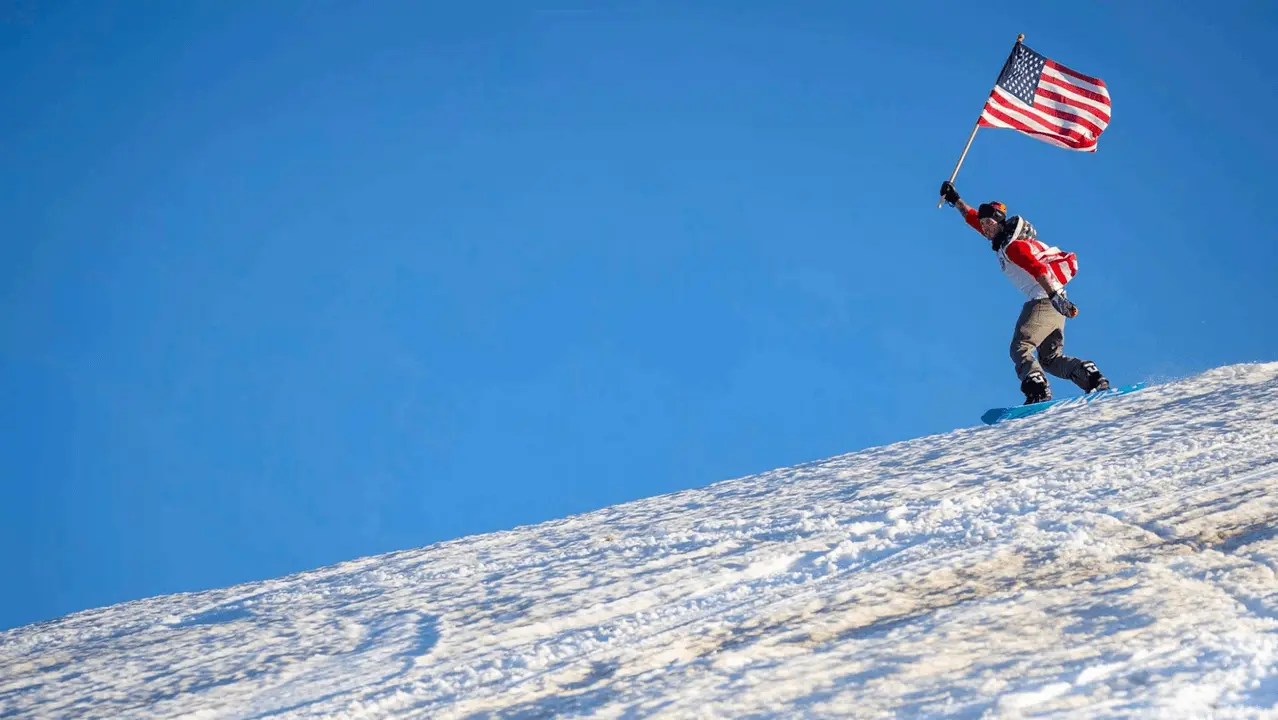
The Sierra Nevada snowpack, which provides 60 percent of the state’s water via a vast network of dams and reservoirs, has already been diminished by human-induced climate change and if emissions levels aren’t reduced, the snowpack could largely disappear during droughts, according to findings in the study published today in the journal Geophysical Research Letters.

Introducing the augural IoES Environmental Oscars—where researchers and other experts rate this year’s Academy Awards best movie nominees on their environmental content.
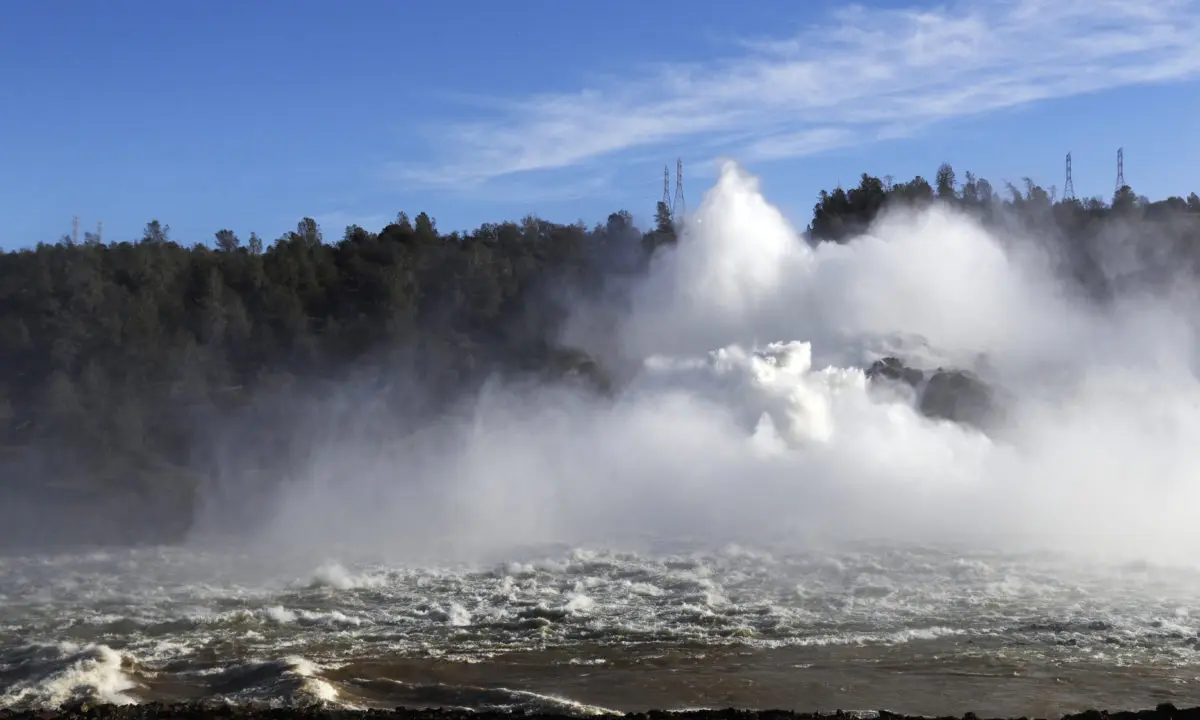
The recent crisis at Oroville Dam sheds light on an emerging problem for California’s aging water resources infrastructure. Professor Alex Hall’s research shows that, as temperatures warm in the Sierra Nevada, climate change could precipitate a deluge that will overwhelm a patchwork network of dams and reservoirs that supply 60 percent of the state’s water.
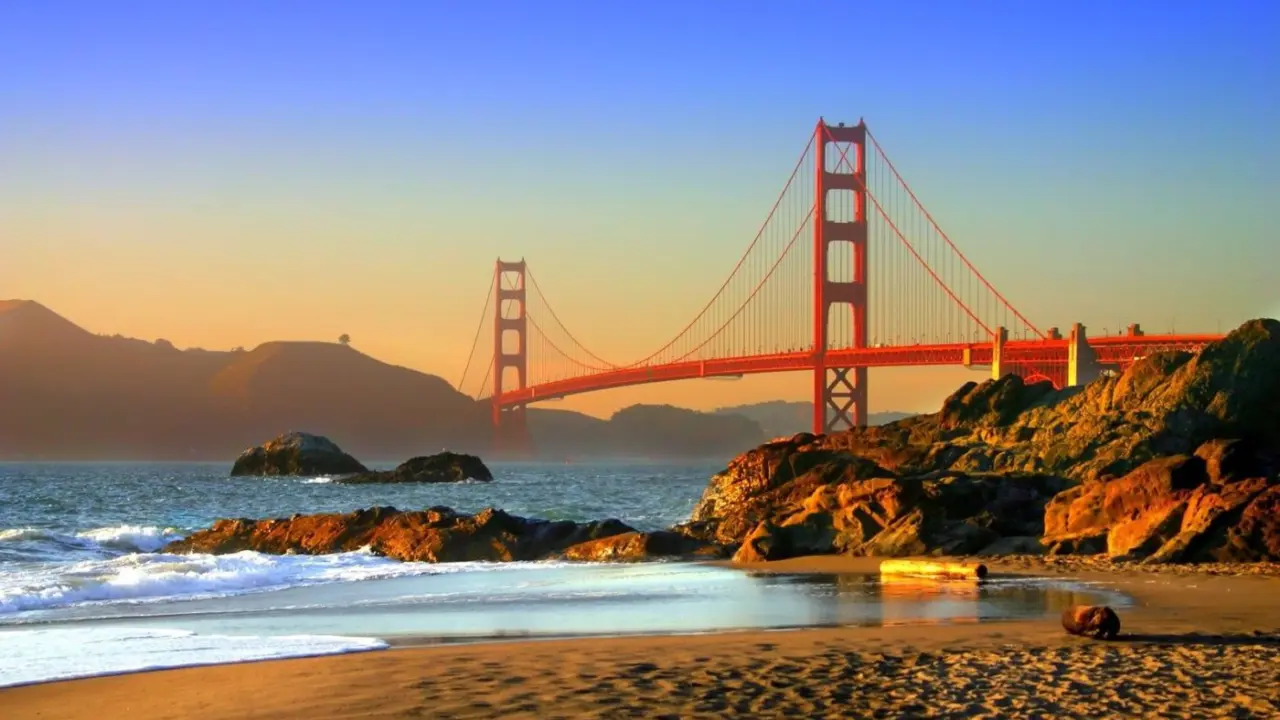
The California Coastal Act promises that the coastline be open to all, but 40 years after its passage, new obstacles have emerged. And they’ll take more than new beach paths to overcome.