UCLA alum and longtime benefactor Morton La Kretz donated another $15 million toward renovation of the Westwood campus’ Botany Building, padding the $5 million he previously gave to the project,…
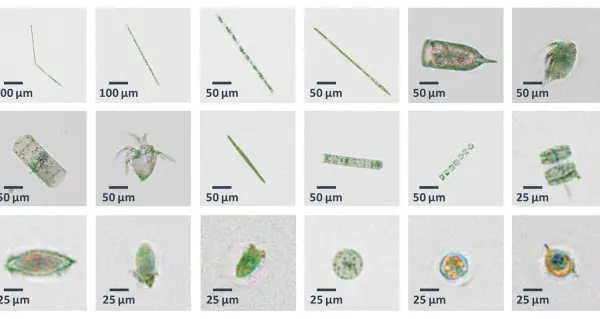
At 6:30 a.m., before summer crowds swarm the beach, Aydogan Ozcan and his research team arrive below the Santa Monica Pier. One researcher scoops up ocean water with a jar…
If the 20th century was the century of mass migrations, the 21st century will be the century of the children of immigrants. The reality is that the children of immigrants are the only sector of the population in nearly all high-income countries that is growing, and we must seek to integrate them.
“The Central Valley supported Trump over Hillary Clinton and its auto dealers have been plaintiffs in cases challenging California’s emissions standards,” said Ann Carlson, a University of California at Los Angeles law professor. “This is ironic because the auto standards Trump wants to repeal would go along way toward cleaning up the valley’s air pollution.”
“There’s no question that people with preexisting lung diseases, particularly asthmatics, have had a harder time this year than they would have in previous years where there weren’t so many exceedances,” said Michael Jerrett, who chairs the Department of Environmental Health Sciences at UCLA’s Fielding School of Public Health.
"David Neelin, UCLA professor of atmospheric and oceanic sciences, is leading a new multi-institutional research project that has been awarded a $1.63 million grant by NOAA Research’s MAPP Program to create a one-stop shop of diagnostic tools for scientists to help streamline the process for improving their weather and climate models. “Diagnostics” refers to finding the best way to analyze observations and make sure every step of the physical process is well understood and represented in the scientific models".
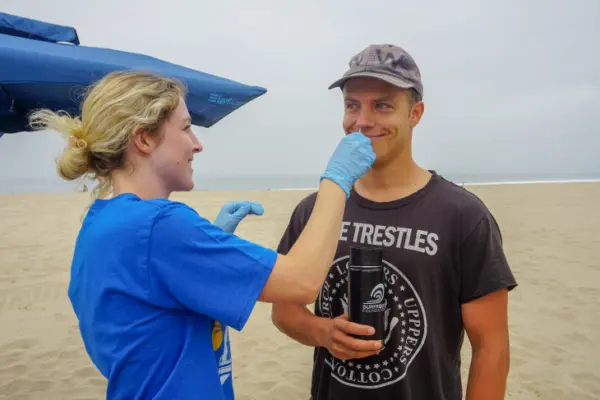
UCLA scientists are studying two strains of antibiotic-resistant bacteria at 17 beaches along the California coast. However, "you can't do an experiment where you purposely put [regular] people into an environment with antibiotic-resistant bacteria," said Dr. Jennifer Jay, a professor of civil and environmental engineering and the project's lead researcher. This makes surfers the perfect subjects to test for the bacteria strains. The experiment will be testing 40 surfers and 40 non-surfers to examine the movement and impact on germs.
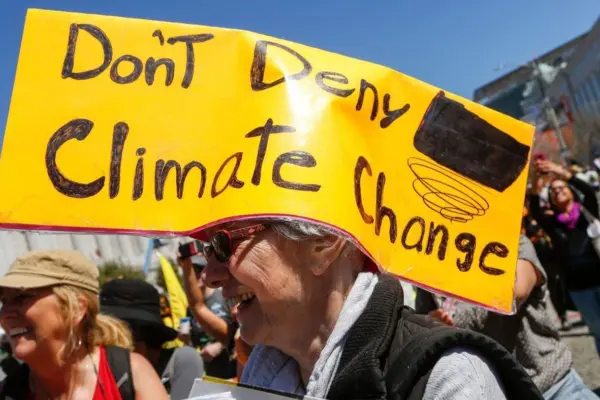
The world gathered in San Francisco, CA to make its own path and take action against climate change. People doubt what a single state can do, however, “California is big enough and splashy enough, and Jerry Brown is famous enough, that people are paying attention to what California is doing about it,” said Ann Carlson, UCLA environmental law professor.
A complex species and river management issue has “been reduced to a simple symbolic battle — a battle involving a choice between evil dams and the certain loss of an iconic species,” wrote Peter Kareiva, Director of UCLA's Institute of the Environment and Sustainability.
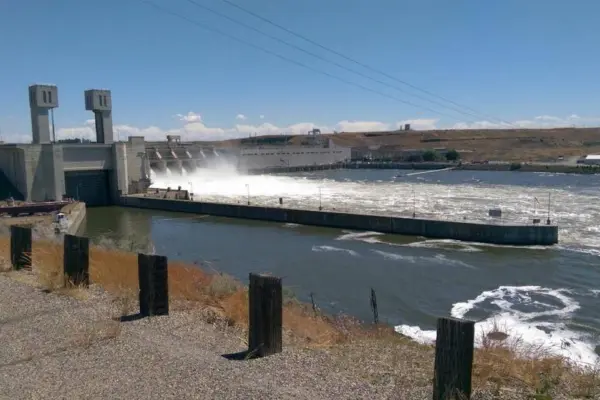
There has been commotion over the four lower Snake River dams, especially with the image of an endangered killer whale pushing her dead calf along the Washington coast. Opposition comes together to fight the dams. “There is no doubt that dams have caused salmon declines, but the operators of the dams have spent billions of dollars to improve the safety of their dams for salmon, and it is not certain the dams now cause higher mortality than would arise in a free-flowing river,” said Peter Kareiva, director of UCLA Institute of the Environment and Sustainability.
With countries across the globe in flames, scientists realize their knowledge on fires is becoming outdated and new studies are necessary. One study conducted by University of California campuses focuses on the future of fires, ecosystems, and climate in California. This should allow scientists to analyse how more extreme and variable weather will affect wildfires and how ecosystems will respond to them, says Alex Hall, a climate scientist at UCLA and the project’s principle investigator.
Though the Snake River dams are the most efficient and productive agricultural operations, there are disputes with the dams hurting the salmon. Peter Kareiva, a well-respected conservation ecologist and worked with NOAA fisheries views salmon recovery and dam removal as entirely different things. The opposition's objective is dam removal, not fish recovery.
It is thought that the efficient irrigation is actually using more water. Stephanie Pincetl said that it cannot all be blamed on efficient irrigation. California’s flood control policies contributed to decreased groundwater levels because they “essentially eliminate” winter flooding that used to recharge ground water. “There are confounding factors, and efficient farming is one piece of the problem.”
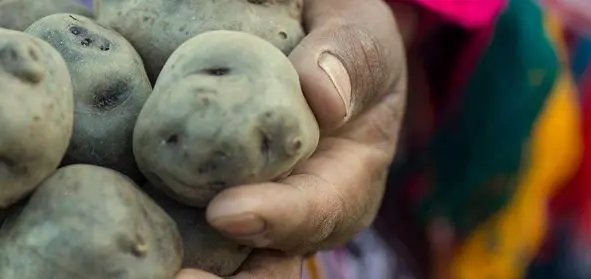
Published as part of an environmental storytelling partnership with UCLA's Laboratory for Environmental Narrative Strategies (LENS), with extensive contributions from faculty and MFA students in UCLA’s documentary film program in the School of Theater, Film and Television. The third storyline explores current innovations and visions for ecological, equitable food systems, specifically on the global potato timeline.
“We are living in a world that is not just warmer than it used to be,” Daniel Swain, a climate scientist at UCLA, told The New York Times. “We haven’t reached a new normal. This isn’t a plateau.” Climate change is contributing to burning areas all around the world and hurting the local people. Though globally, this year has been the worst heat wave and fire season, we are seeing backward action from politicians, only increasing their support for high carbon emitting industries.
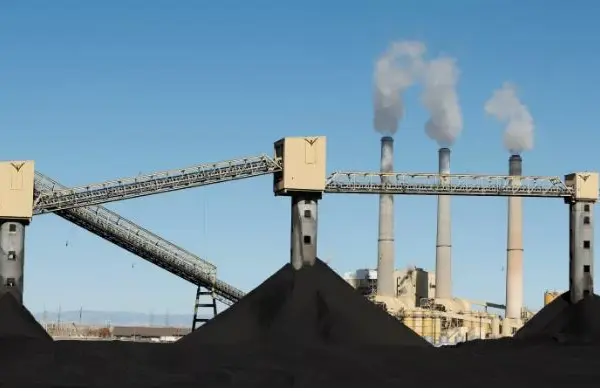
The Trump administration released new proposal – Affordable Clean Energy rule. It is a lifeline for coal and does not include pollution goals. The EPA stated that the rule would increase pollution and put public health at risk, especially low income communities. UCLA law professor Cara Horowitz notes any arguments the administration makes in court defending the rule “will be made against the backdrop of EPA’s own determination that carbon dioxide pollution is a danger to public health.”
With the multiple extreme weather events, 37 world-renowned scientists including UCLA's Alex Hall came together and signed a letter urging the state legislators to sign Bill 100 - 100 Percent Clean Energy Act of 2018, setting the goal that all of California’s electricity come from carbon-free resources by 2045.
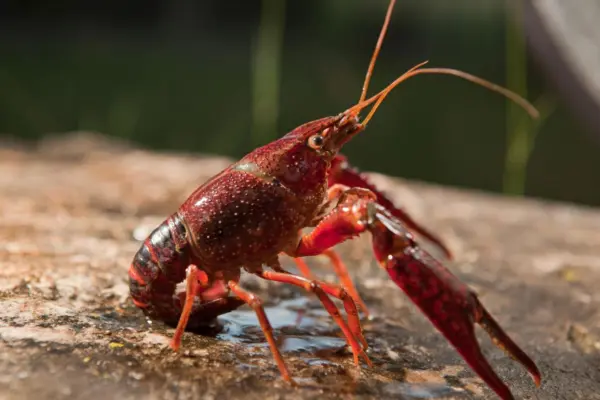
UCLA research scientist and lead author on the new study, Gary Bucciarelli, found that the invasive crayfish in the Santa Monica Mountains streams is linked to growing mosquito population. They disrupt the ecosystem, scare off mosquito larvae predator, dragonflies, and put people at higher risk of disease.
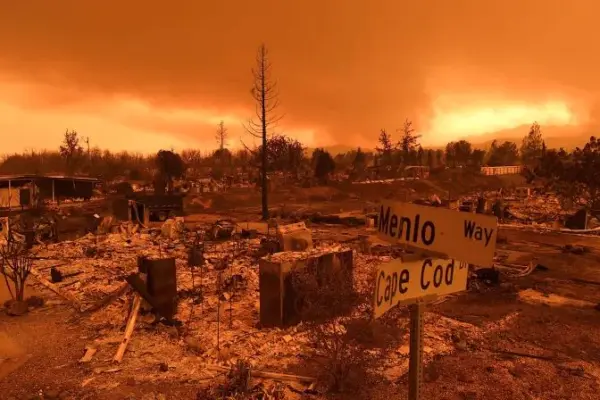
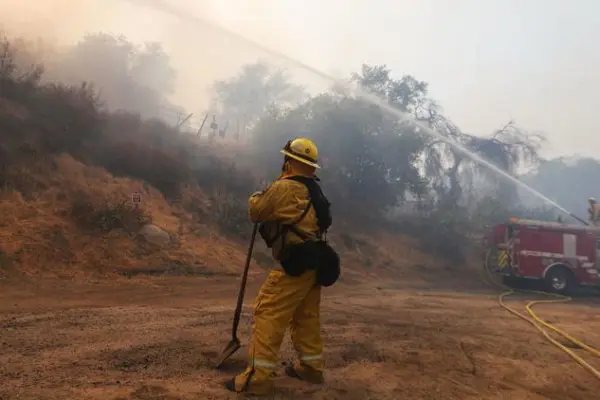
The West US has been experiencing unusually large wildfires, reaching the largest in California history with the Mendocino fire, outside of the fire season. The hot temperatures and wildfires are expected to continue through the fire season of September and October. Three leading climate and fire scientists, including UCLA's Daniel Swain, state climate change as a threat multiplier, extending the fire season and contributing to the large record breaking fires.
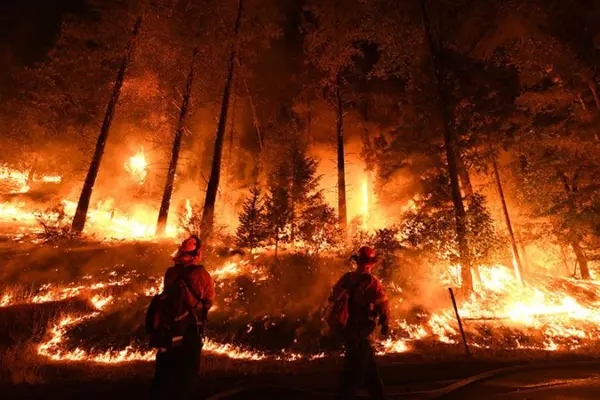
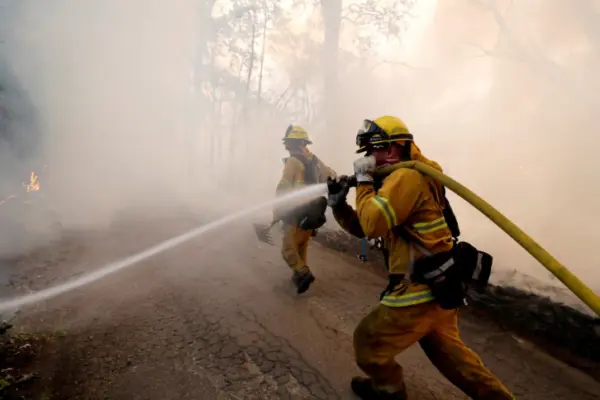
LA Times' Joseph Serna goes into detailed what happened with the Carr Fire from fire movement and growth to evacuations and casualties. The city was devastated by the unpredictability and strength of the fire. Now, California needs to update their knowledge on fire behavior and how to efficiently warn and evacuate people for when a big natural disaster repeats.
“I remember when you could wear a coat here,” we’ll say to children who know nothing beyond T-shirts and shorts. “I remember when we had seasons, before all of this was summer.” – @LAmag's @lizohanesian
The National Oceanic and Atmospheric Administration reports that 3,092 record daily high temperatures, 159 monthly heat records and 55 all-time highs were set during July worldwide. “We’re now seeing decades-old scientific predictions being validated in the real world, right before our eyes,” says Daniel Swain, UCLA climate researcher.
Listen to Nature Heredity August 2018 podcast, featuring UCLA's Brad Shaffer and Dr. Evan McCartney-Melstad. They spoke on their application of genomic methods to studying and potential conservation of a Californian frog – a candidate for listing of federal and state endangered species act.
“Depending on the final number, this might actually be the strongest ‘tornado’ in California history, even if it wasn’t formally a tornado,” said UCLA climate scientist Daniel Swain. The Carr Fire fire tornado reached over 165 mph and trapped and took a firefighter's life.