IoES in the News

Trump administration and California are on collision course over vehicle emissions rules

"UCLA law scholar Ann Carlson has explained in detail, this argument has already been explicitly rejected by two different federal courts, each of whom concluded that California’s greenhouse gas tailpipe standards are not pre-empted by EPCA because protecting public health by regulating greenhouse gas emissions is not the same thing as increasing energy efficiency by regulating fuel economy."

Featured Faculty: Ann Carlson

Bloomberg

With Wildfires Blazing, California Shuns Trump’s Clean-Air Plan

Trump's administration looks to revoke California's authority to regulate tailpipe emissions. “There’s a great irony in Trump releasing this plan just as California is burning,” said Ann Carlson, UCLA environmental law professor. “We’re already seeing catastrophic forest fires as a result of climate change, and the administration’s answer is that everyone should drive a Hummer.”

Featured Faculty: Ann Carlson

The Washington Post

Trump begins his biggest assault yet on the environment

Trump's biggest assault on the environment yet – UCLA environmental law professor, Ann Carlson, and co- executive director of the Emmett Institute, Cara Horowitz, wrote an op-ed addressing EPA's new proposal. The proposal looks to revoke California's authority to cut car tailpipe emissions regardless of CA being a leader in improving air quality.

Featured Faculty: Cara Horowitz and Ann Carlson

Forbes

Community Choice Is Driving California’s Precocious Energy Revolution

“The rise of CCAs (Community Choice Aggregators) has had both direct and indirect positive effects on overall renewable energy consumed in California, leading the state to meet its 2030 RPS targets approximately ten years in advance,” write Luskin Center director JR DeShazo. People in CCAs are using their purchasing power to push larger utilities to work toward increasing renewable energy.

Featured: J.R. DeShazo

Time

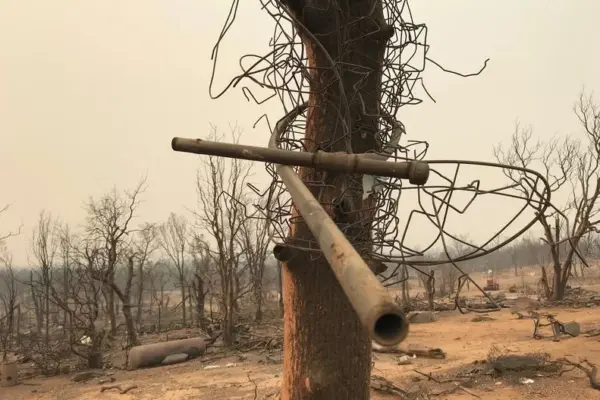
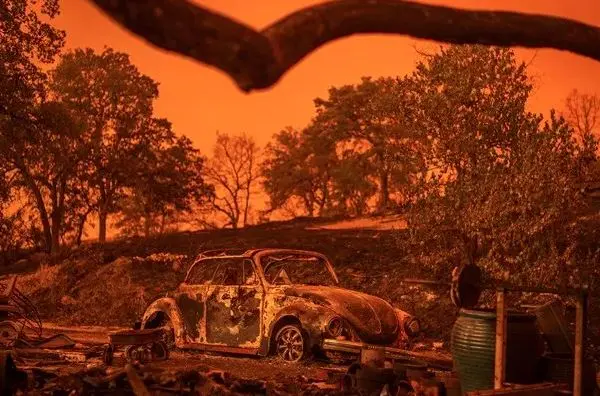
A Rare ‘Fire Tornado’ Devastated a California Neighborhood. Here’s What It Was Like Seeing the ‘Apocalyptic’ Aftermath

“Some fire scientists would roll their eyes at the term ‘fire tornado,'” says Daniel Swain, a climate scientist at the University of California, Los Angeles. “But they aren’t rolling their eyes on this one.” Craig Clements, an associate professor at San José State University, went to investigate the site and "what was left was unlike anything he’d ever seen." 

Featured: Daniel Swain

The New York Times

What’s Different About California’s Fires This Year?

“What has been really unusual in the Western U.S. this summer has been the sustained heat,” said Alex Hall, UCLA climate scientist. “It really pulls water out of vegetation, and that sets up conditions for big fires,” – building up the largest fires and fire season in California history.

Featured Faculty: Alex Hall

Los Angeles Times

The common thread in California’s wildfires: heat like the state has never seen

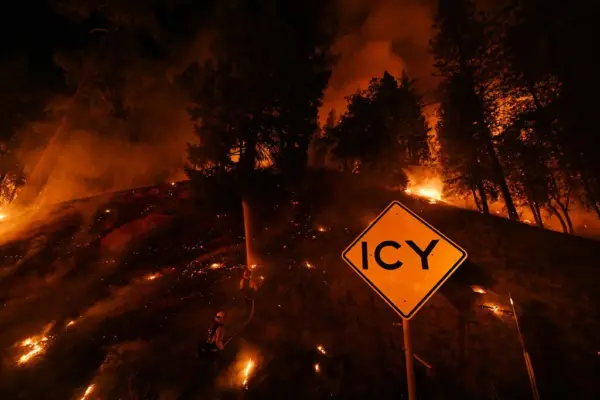
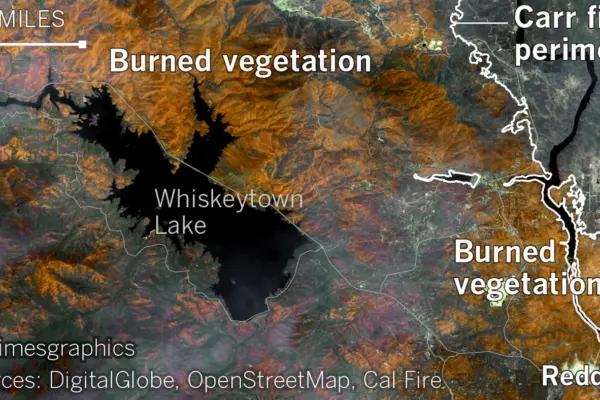
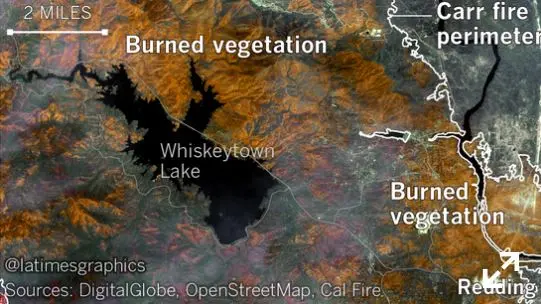
Climate change is creating the perfect dry conditions that allow wildfires to ignite and thrive. “This fire vortex, this pretty terrifying tornado-like feature, and I don’t say that lightly… was made possible by the extreme heat produced by this fire,” said Daniel Swain about the Carr Fire. 

Featured: Daniel Swain
The Bakersfield Californian

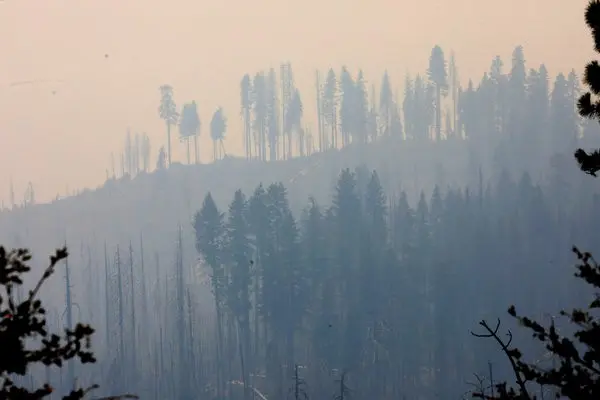
Record-breaking heat brings unprecedented destruction from California fires

“The temperatures have just been almost inexorably warmer all the time... burn more intensely if the fuels are extremely dry,” said UCLA's Daniel Swain. The heat wave created the dry conditions for wildfires to explode and burn throughout California.

Featured: Daniel Swain
The San Diego Union-Tribune

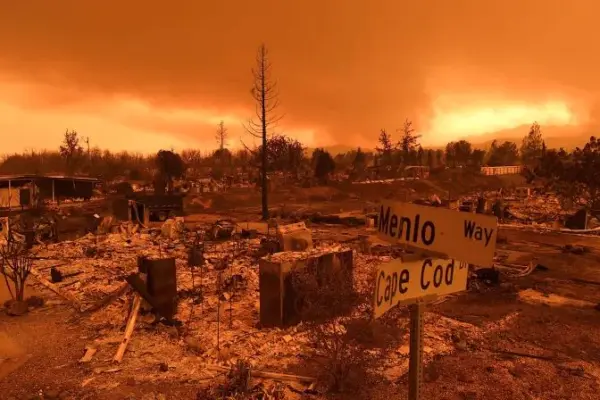
The common thread in California’s wildfires: heat like the state has never seen

The warm and dry season outweighs the wet season. California is in one of its biggest fire season. Northern California saw its wettest winter on record in 2016-17, followed by its warmest summer. That led to extremely dry vegetation by the fall — just before the devastating Santa Rosa fire hit, UCLA's Daniel Swain said.

Featured: Daniel Swain
The New York Times

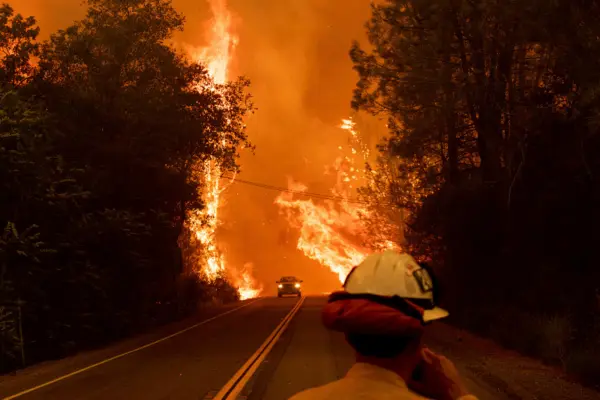
Vanishing in the Wild, These Salamanders Found Refuge in a Convent

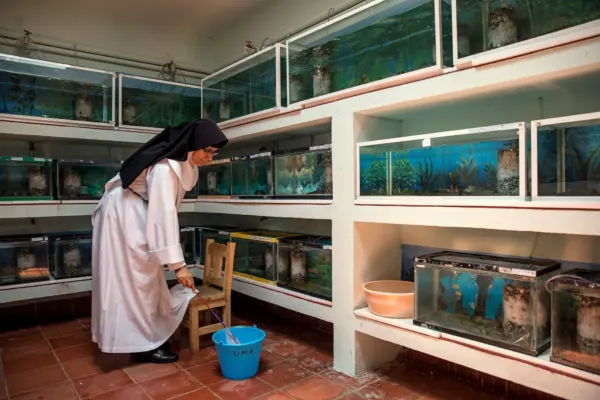
Nuns bring local salamander colony back to life. Ambystoma dumerilii once thrived in Lake Pátzcuaro in Mexico, however, as the lake declined, so did the number of salamanders. The nuns took notice and brought them into the convent. The convent now house about 300 salamanders and UCLA's Dr. Brad Shaffer said, "if they’re relatively unrelated, is a very, very healthy, large stock to be working from" to bring back the endangered species.

Featured Faculty: H. Bradley Shaffer

USA Today

A hellish July validates climate change forecasts

“We’re now seeing decades-old scientific predictions being validated in the real world, right before our eyes,” said UCLA climate scientist, Daniel Swain. We can no longer afford to be skeptic…

Featured: Daniel Swain

The Mercury News

Why planes can’t fight Shasta’s deadly Carr Fire

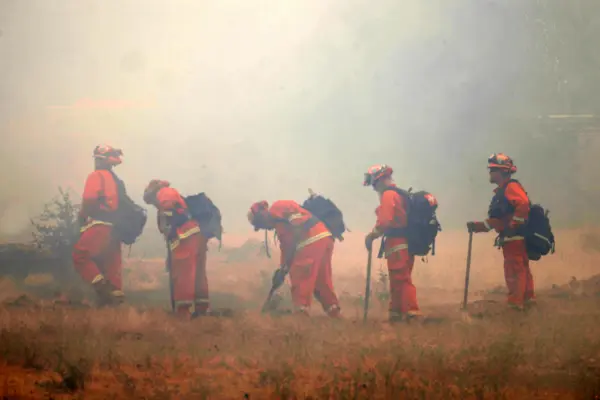
A heavy layer of smoke, called an inversion, is covering and making the ground invisible to fire fighting aircraft. Because Sacramento Valley "is a bowl, surrounded on three sides by mountains. It is only open to the south... The air is stagnant at the top, the north end, of the valley,” said UCLA climate scientist Daniel Swain. Without visibility, the fire fighting aircraft cannot navigate through the smoke and fly safely.

Featured: Daniel Swain

EcoWatch

California’s Carr Fire Grows Larger and More Deadly

“We have these long, hot, dry summers that are getting progressively drier… We’re not at the end of summer yet,” Swain told The Sacramento Bee about the conditions that have…

Featured: Daniel Swain

UCLA School of Law adds specialization in environmental law

UCLA School of Law now offers a specialization in environmental law. Sean Hecht, co-executive director of the Emmett Institute on Climate Change and the Environment said the addition was pushed not only by administrative planning, but student interest as well.

Featured: Sean Hecht

KCRW

Wildfires from California to the Arctic — it could get worse

Are wildfires all around the world the new normal? UCLA professor Glen MacDonald said, this is not the new normal, this is only a stepping store. He joined Madeline Brand on KCRW's Press Play to talk about the global wildfires and it is featured in the third section under "Fires burning all over the world: We might look back and say 'those were the good old days'".

Featured Faculty: Glen MacDonald

The New York Times

California Today: Ferguson Fire Forces Largest Closing of Yosemite in Decades

“Over decades there has been a trend toward less moisture in the soil and forest, and that is affecting how dry the vegetation is becoming in summer,” said UCLA's Daniel Swain in the New York Times. These trends are ultimately increasing the risk of wildfires and contributing to Yosemite's largest closing.

Featured: Daniel Swain