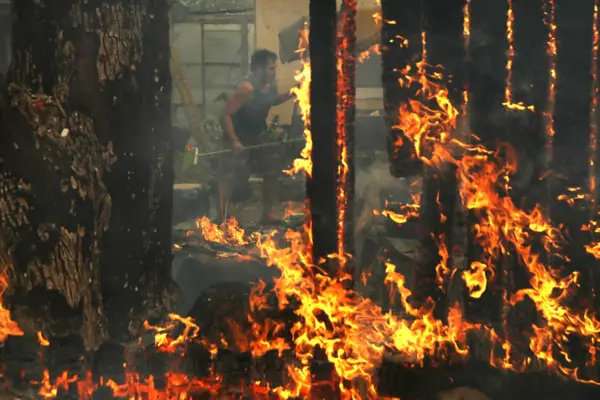
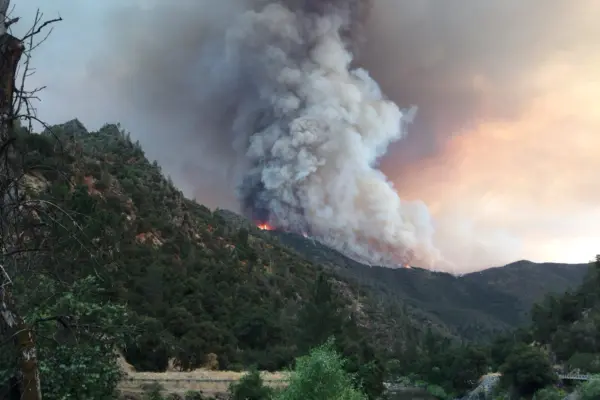
CBS SF BayArea covered the Carr Fire as it spiraled into a fire tornado. UCLA climate scientist, Daniel Swain, explained the phenomenon and said, “it allows fire to jump over barriers..It causes it (the fire) to do crazy, very unpredictable things.”
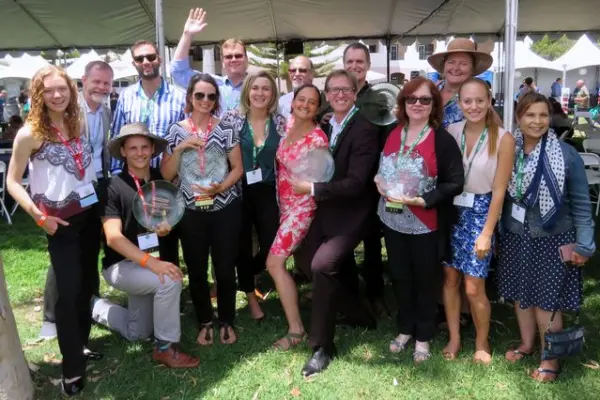
Yale shows pride in three alumni finalists in the Pritzker Awards. These three women are taking environmental problems head-on – transforming the food industry, strengthening community initiatives, and bringing affordable solar energy to low-income communities.
What is Los Angeles doing to reduce blackouts during these heat waves? Lauren Hunt joined Madeline Brand on KCRW's Press Play to speak on what the city and utility companies are working on and what you can do to help reduce blackouts and your carbon footprint.
With climate change increasing the frequency of wildfires, who is liable for the damages? UCLA's Sean Hecht joined Libby Denkmann on KPCC's AirTalk and explained who is being held liable now and how that may shift in the future.
Trump is trying to push back and cap the fuel-efficiency standards. UCLA law professor, Ann Carlson, said,“This proposal is an extraordinary repudiation of sensible climate policies, an assault on California’s…
Trump is attacking California’s anti-pollution powers and trying to freeze the standards for auto industry. California fights back and Ann Carlson, UCLA law professor, evaluated on the strength of their…
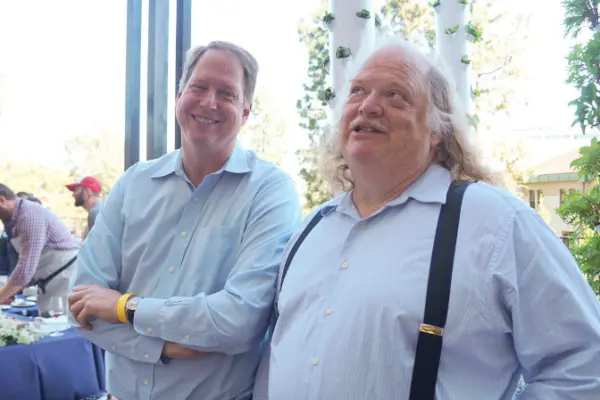
UCLA's Mark Gold celebrates Pulitzer-winning restaurant critic and his older brother, Jonathan Gold, for the LA Times. Mark talks about his brother's ability to capture the complexities of LA — and his role in shark conservation. Jonathan, who passed away last week, used his knowledge on shark fin soup and its cultural and historic background to sway the CA Senate in banning shark consumption.
Dan Blumstein joined Nathan Rott on NPR's summer series to speak on how the spring is consistently starting early and explains what characteristic animals need to adapt to earlier spring times.
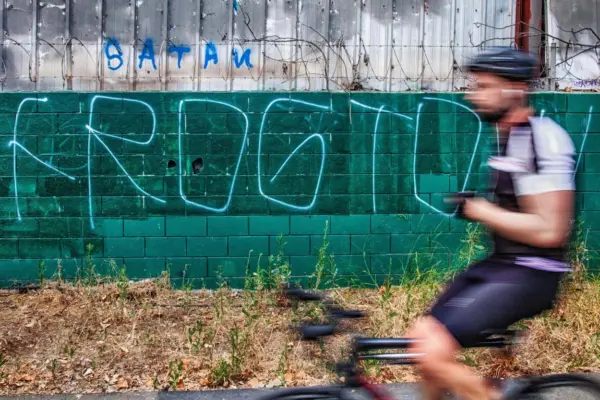
With the revitalization of the LA River, the nearby city, Frogtown, fears the consequences. "Green gentrification" is the idea that the new green spaces will change the neighborhood by increasing the property value and pushing out the community. “The danger here is that the fear of green gentrification could lead to opposition to parks and open spaces in neighborhoods that are particularly poor. We know that the exposure to nature and the ability to be outdoors is good for people. These are neighborhoods that need more parks, need more access to nature and have historically not had that,” said UCLA professor, Jon Christensen.
Jen Schwartz from Scientific American looks into a resident's experience of living in a New Jersey floodplain after Superstorm Sandy. It was the third time that the neighborhood was hit with floodwaters within 3 years and their homes needed constant fixing and updates. UCLA's Liz Koslov wrote, "the complexity and ambivalence of retreat serves as a reminder that there are no easy solutions and that it is not possible to rebuild forever or to wall ourselves off from the problems we face."
Fire. It’s a powerful — but natural — part of nature in California and the western United States. UCLA prof Alex Hall joined PBS SoCal’s David Nazar to talk about how climate change is affecting wildfire… creating a new reality we must adapt to.
Sustaining California is a new show that takes a deep look at sustainability issues that affect our lives — bringing together experts, business leaders, government officials and people from communities across the state.
"UCLA has been awarded four best practice awards in the 14th annual Higher Education Energy Efficiency and Sustainability competition. Among the honors was recognition for the Sustainable LA Grand Challenge, a campus wide research initiative that aims to transition Los Angeles County to using 100 percent local water and 100 percent renewable energy by 2050."
Industries are creating green initiatives, however, some programs are not bringing results and these industries are they are fighting environmental regulations behind the scenes – “talking green while lobbying brown.”…
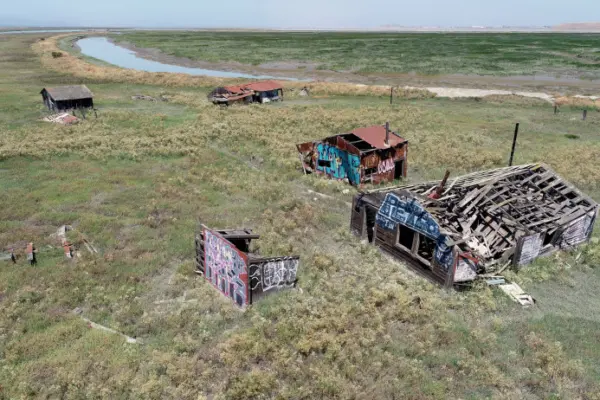
Drawbridge, in the Bay area, used to be a populated island town in the 1880's to early 1990's. Now the buildings are sacred and the remaining structures are battling the elements. UCLA professor, Glen MacDonald, described the city as a “a memorial to past human aspirations and a memorial to failure." It was poorly built right above sea level without thought of sustainability. Nature is now regaining control over the area.
"The Ferguson Fire in Maricopa County spread to 9,266 acres, with hundreds of firefighters assisted from the air battling the blaze that is only 2 percent contained... Daniel Swain, a climate scientist at the University of California at Los Angeles, believes the fire could pose a major threat to the 1,200 square mile park," wrote Tom Porter and Reuter in Newsweek.
When the high temperatures hit, people usually do not think of air pollution. UCLA professor, Yifang Zhu, in Health Line explains how "potent and potentially dangerous levels of air pollution" can become during warm months and the importance of being aware of the "Spare the air" days.
The Supreme Court agreed to hear the case, Gundy v. United States, and Kavanaugh may be the deciding vote. "'This is a really important sleeper case,' said Sean Hecht, a law professor at University of California, Los Angeles who has been tracking the Gundy proceedings... If the court rules very broadly, the justices could throw into question numerous legal provisions that currently give the EPA and other agencies latitude to set policy."
UCLA's Daniel Swain's research found that there will likely be a "really big increase in wet events" because climate change is causing there to be more moisture in the atmosphere. We need to prepare for these severe events. River Partners is a conservation group restoring farmland in the the Central Valley. Their executive vice president, Julie Rentner, said, “there’s always an opportunity to use vegetation and this green infrastructure to lower flood risk — move the water where it will do the most good and redirect it from places that will do the most harm. And you can do that in a way that is durable and sustainable over time.”
“We urge Governor Brown to show science-based climate leadership and protect California communities by addressing California’s own dirty oil extraction,” said UCLA's Dr. Aradhna Tripati. She is one of the twenty-six climate scientists coming together to call Governor Brown to action to divert from oil and gas to meet Paris Agreement goals and help communities harmed by the industry.
“This has been an extraordinary heat wave,” said UCLA's climate scientist Daniel Swain in Scientific American. Not only were the high temperatures extraordinary in California for the July heat wave, the time of the year, high temperatures moving into the night, and humidity levels were as well.
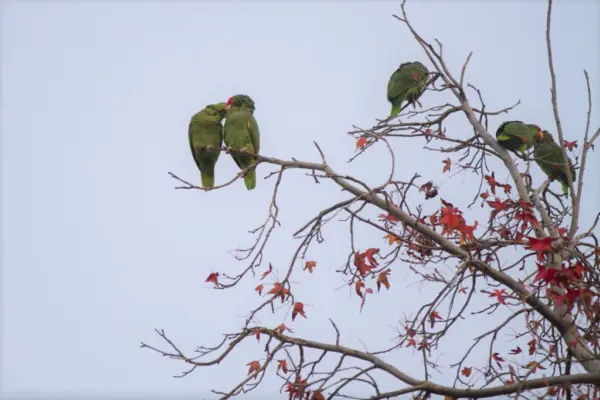
UCLA's Ursula Heise joined A Martinez on KPCC’s Take Two to talk about the thriving population of abut 3,000 Red-Crown parrots in Pasadena, a species that is endangered in Mexico. She explores the possibility of cities as an artificial ecosystem — and how they can be made more hospitable for people and wildlife.
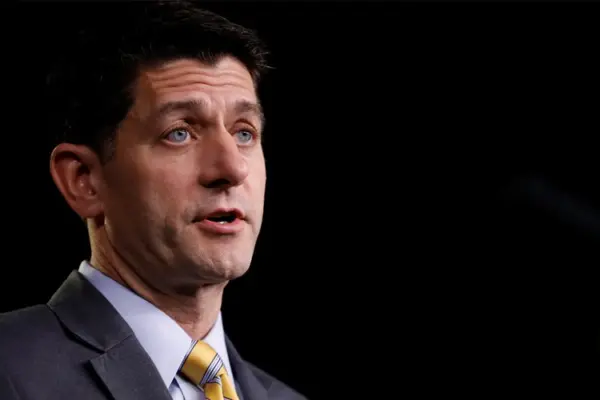
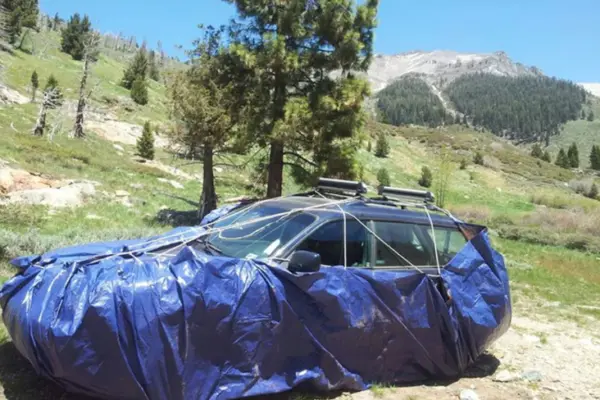
Paul Ryan reported that his (R-Wisc.) Chevrolet Suburban was home to a family of woodchucks during the winter. During their stay, they bit through the wires and the car no longer runs. UCLA's professor, Daniel Blumstein, explained why they would in the car and showed them sympathy. “We’ve got marmots climbing in cars and being driven around and sometimes getting killed and eating cars and destroying wiring... But usually they’re going for the radiator fluid, somehow. And it can’t be good for them.”
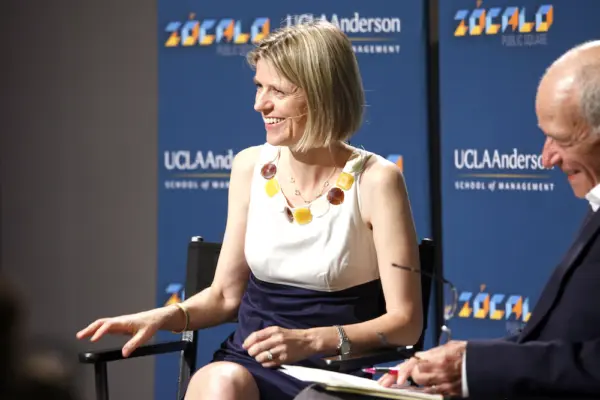
Transforming "green into gold": UCLA economist Magali Delmas joined Zocalo Public Square to discuss how companies can better reach consumers with green products. In her new book, "The Green Bundle: Pairing the Market with the Planet,” she points out that most people are convenient consumers — it's not enough for a product to be simply be good for the planet. The key? Bundling the environment with personal benefits.
Paul Ryan says his car was eaten by woodchucks. The Verge and UCLA professor, Daniel Blumstein, explore ways to prevent marmots from inhabiting your car and biting through the wires —…