Bay Nature
José González in Bay Nature
Pritzker nominee and Latino Outdoors founder, José González writes about “The Consequences of Lines on a Map” in Bay Nature.
Featured 2018 Pritzker Award Nominee: José González

Bay Nature
Pritzker nominee and Latino Outdoors founder, José González writes about “The Consequences of Lines on a Map” in Bay Nature.
Featured 2018 Pritzker Award Nominee: José González

Reuters
Dan Hammer, 2017 Pritzker award winner, is leading a project to make sense of Earth imagery — to help people “read” images like they read the news. Hammer, of Earthrise Media, worked…
Featured 2017 Pritzker Award Winner: Dan Hammer
Daily Bruin
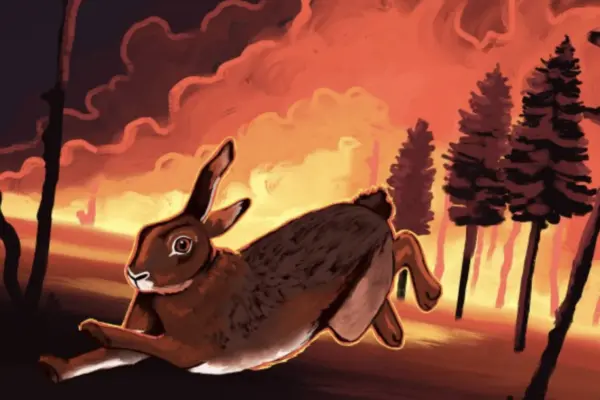
Glen MacDonald, a distinguished professor in the department of geography and the department of ecology and evolutionary biology, said wildfires are common during winter in California, but have been starting…
Featured Faculty: Glen MacDonald and H. Bradley Shaffer
KQED
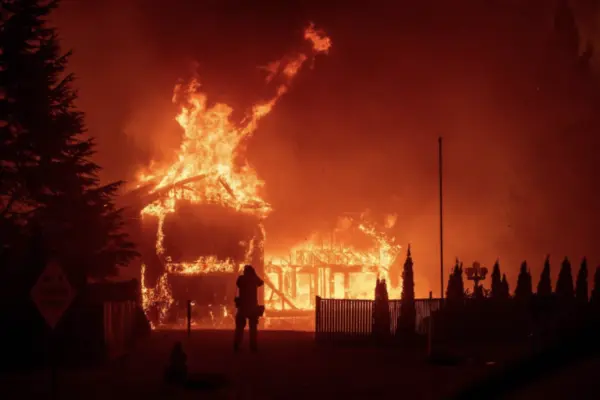
Last year was California’s most destructive fire season — until this year. The Golden State is in the midst of what Daniel Swain, a climate scientist with UCLA and the…
Featured: Daniel Swain
Legal Planet
Featured Faculty: Ann Carlson
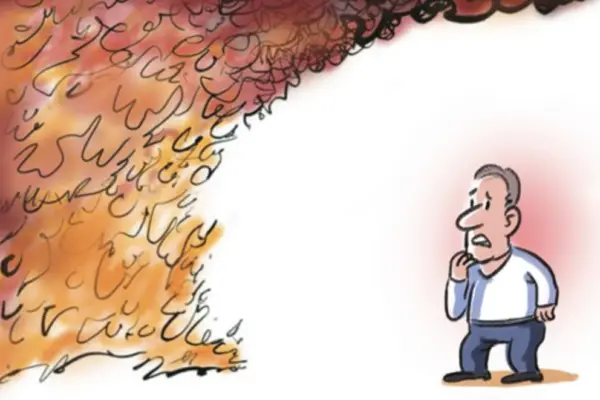
US officials have yet to draw conclusions on the cause of the inferno. There is no doubt that the dry Mediterranean climate of California is susceptible to wildfires, but the…
Featured: Daniel Swain
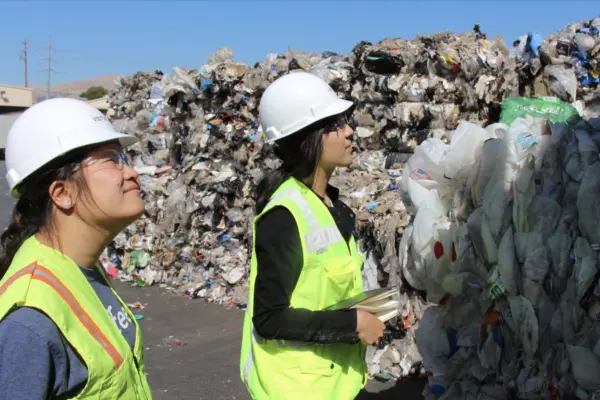
Pritzker winner Miranda Wang is the cofounder and CEO of BioCellection, a company that focuses on recycling polyethylenes, the most common but least recyclable type of plastic. Most polyethylenes, like…
Featured 2018 Pritzker Award Winner: Miranda Wang
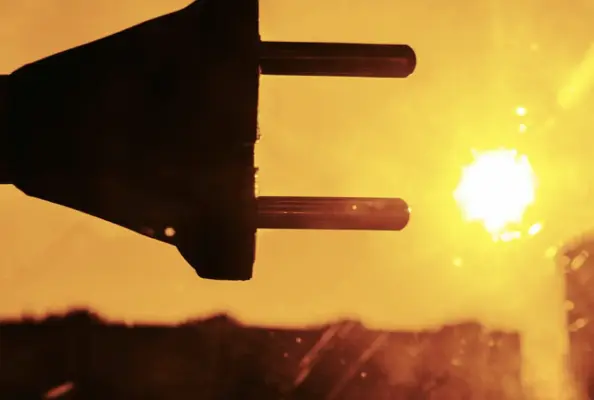
“We need to move to a decarbonized economy, and that will require significant changes in land use, among other factors,” said Stephanie Pincetl, project principal investigator, professor in residence and…
Featured Faculty: Stephanie Pincetl
PBS SoCal
Studies show that what’s coming is ominous. By mid-century, the four to six weeks of extremely hot weather recorded in the San Fernando Valley each year might double, said Alex…
Featured Faculty: Alex Hall
Daily Democrat
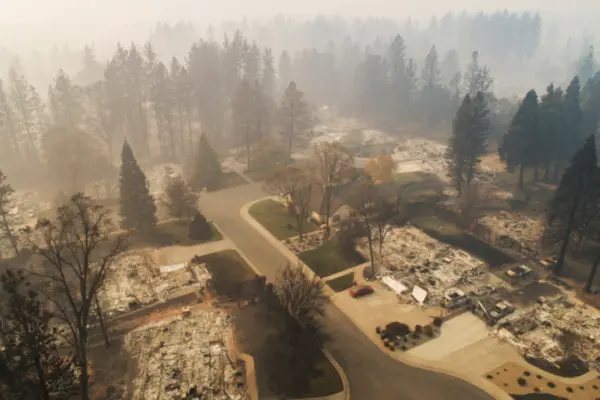
While 3 degrees of warming in the past 40 years might not seem like a lot, it makes a big difference in the moisture levels of plants, said Daniel Swain,…
Featured: Daniel Swain
East Bay Times
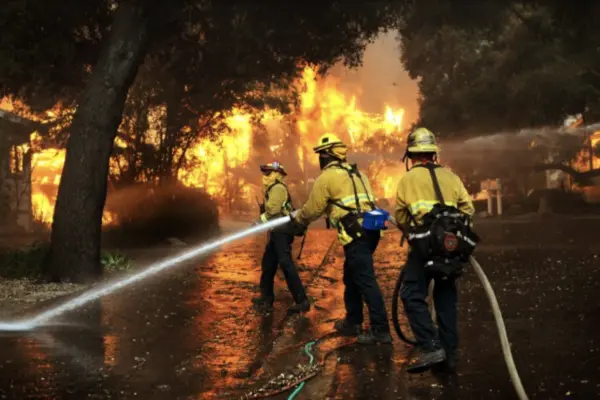
While 3 degrees of warming in the past 40 years might not seem like a lot, it makes a big difference in the moisture levels of plants, said Daniel Swain,…
Featured: Daniel Swain
The Weather Network
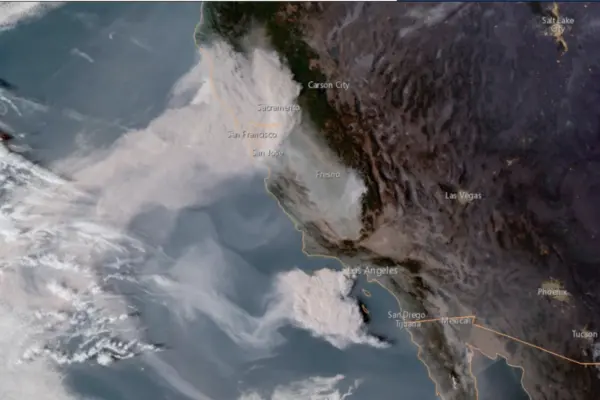
Glen MacDonald, a UCLA distinguished professor of geography and of ecology and evolutionary biology in the UCLA Geography Department points out in one of his current research publications, that the…
Featured Faculty: Glen MacDonald
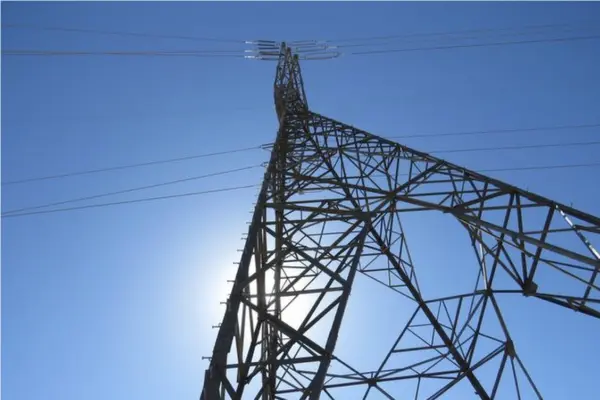
“UCLA is excited to work with LADWP as a research partner to answer some of the city’s most critical water and energy sustainability questions,” added Mark Gold, the university’s associate…
Featured: Mark Gold
BBC
Asha de Vos was named in the BBC 100 Women: 100 inspiring and influential women from around the world for 2018. 23) Asha de Vos, 39 – Marine biologist, Sri Lanka.…
Featured Pritzker Award Finalist: Asha de Vos
Vogue
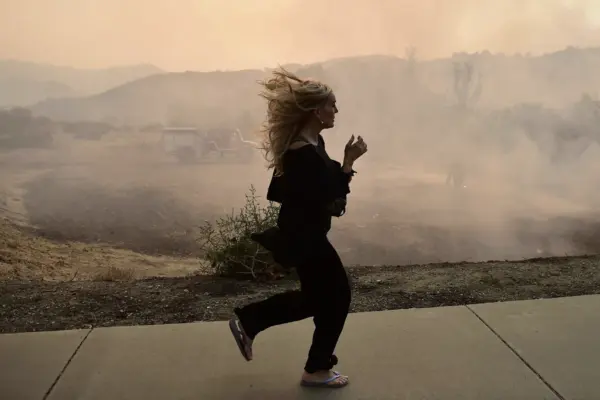
“The main pollutant that comes from the fire is called particular matter, or PM. The most health-relevant particles are in sizes smaller than 2.5 microns—they’re pretty tiny particles,” says Yifang…
Featured Faculty: Yifang Zhu
National Geographic
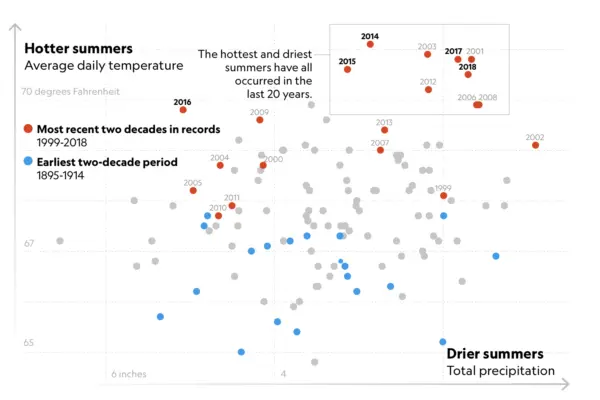
That vegetation-drying effect compounds with every degree of warming, explains Daniel Swain, a climate scientist at the University of California, Los Angeles, meaning that plants lose their water more efficiently…
Featured: Daniel Swain
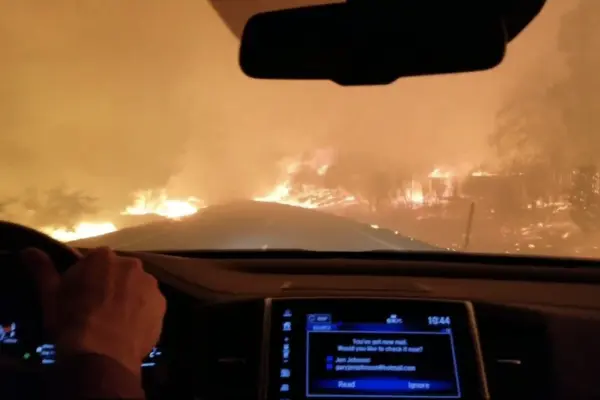
“If you look at the 20 biggest fires in the state, 15 of those have happened since 2000,” UCLA geography professor Glen MacDonald told Reuters. “There are now bigger fires,…
Featured Faculty: Glen MacDonald
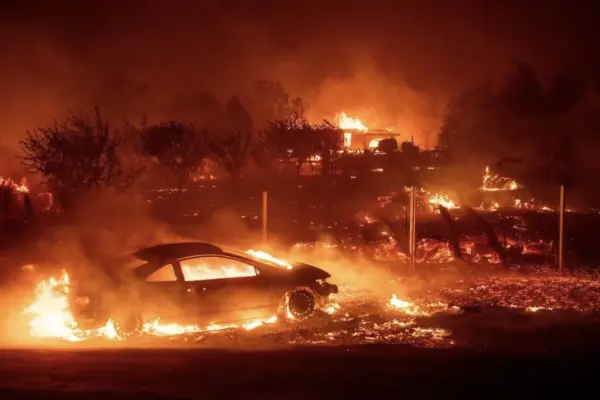
Inside Climate News
In a Q&A, California climate scientist Daniel Swain breaks down the influences on the state’s devastating blazes and what the future could bring.
Featured: Daniel Swain
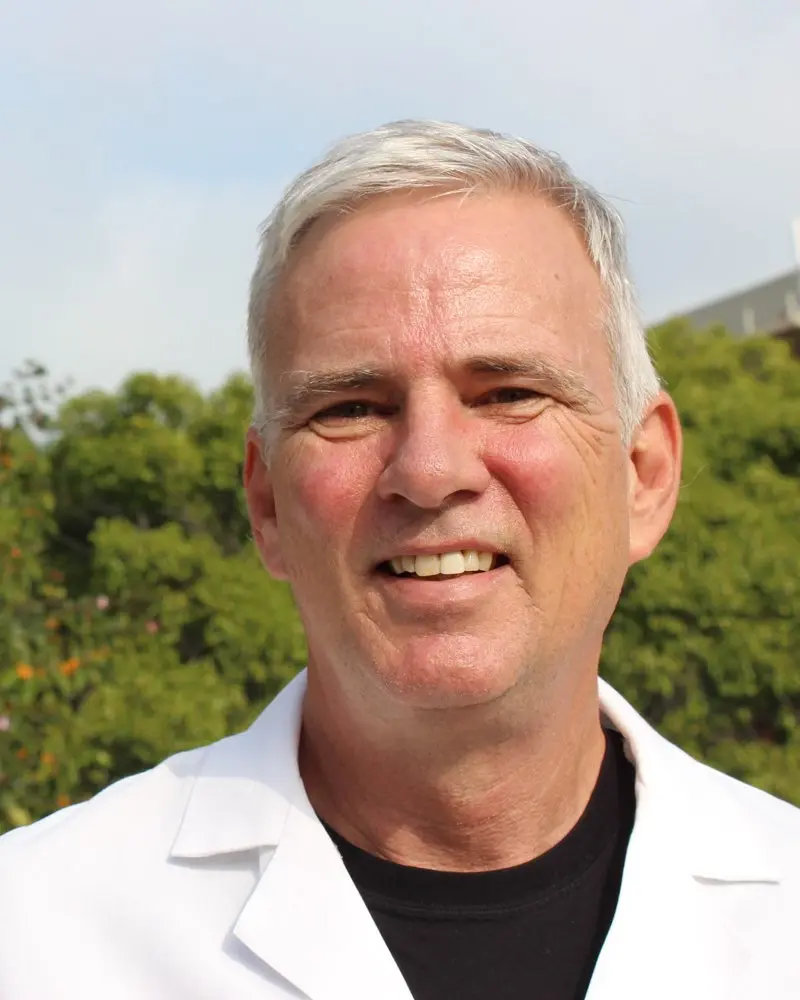
Democracy Now!
About the fire, you know, in some ways, this is a typical late fall, early winter fire event, with very, very high Santa Ana wind speeds, ignition at a time…
Featured Faculty: Glen MacDonald
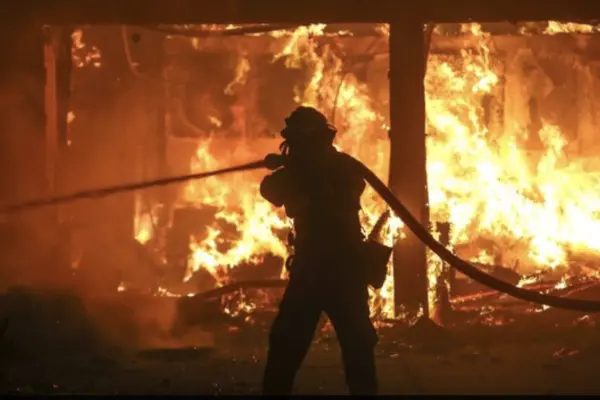
USA Today
UCLA climate scientist Daniel Swain said that “if Northern California had received anywhere near the typical amount of autumn precipitation this year (4-5 inches of rain near the Camp Fire point…
Featured: Daniel Swain
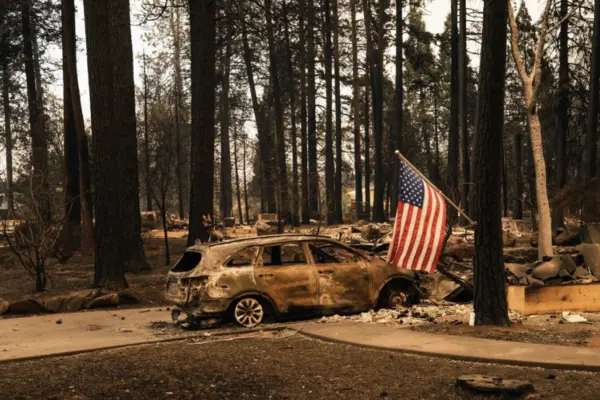
Wired
“Some folks will say, well, a few degrees of temperature increase, fires are burning at 1,000 degrees Fahrenheit, how can that possibly make a difference?” says UCLA climate scientist Daniel…
Featured: Daniel Swain
UCLA Newsroom
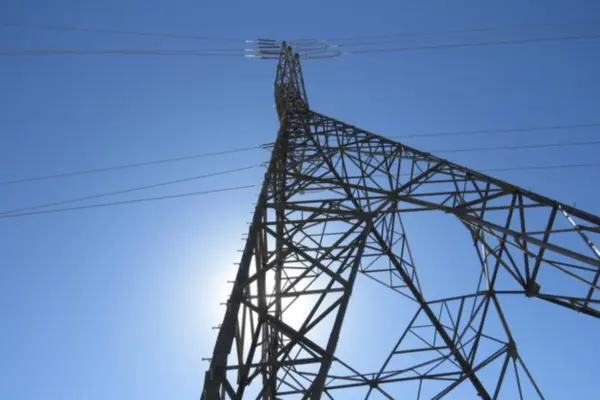
“UCLA is excited to work with LADWP as a research partner to answer some of the city’s most critical water and energy sustainability questions,” said Mark Gold, the university’s associate…
Featured: Mark Gold
The Washington Post
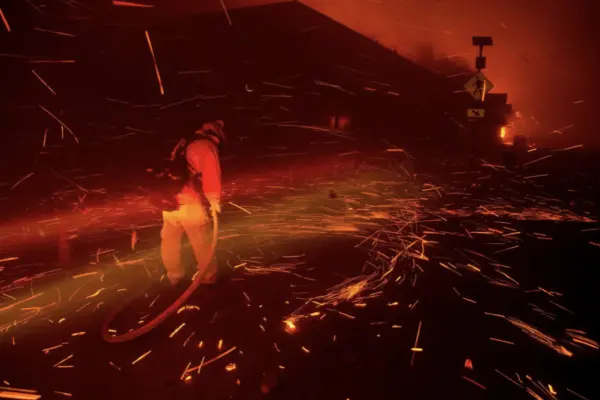
Climate change has “shortened the rainy season at both ends” said Daniel Swain, a climate scientist at the University of California Los Angeles, in an email.
Featured: Daniel Swain