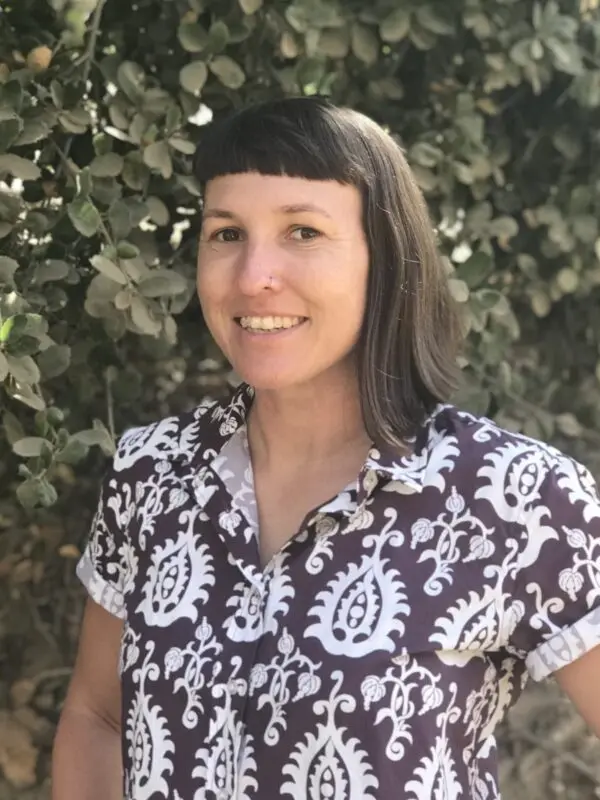
Rachel Blakey in Smithsonian Magazine: L.A.’s cougars were driven to extremes by wildfire
With less suitable habitat, the big cats traveled further and crossed dangerous roads more often

News
With less suitable habitat, the big cats traveled further and crossed dangerous roads more often
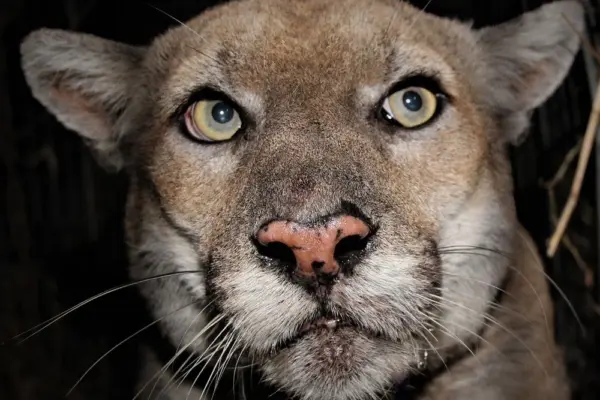
When the Woolsey Fire roared through the Santa Monica Mountains in the fall of 2018, it torched half of the available habitat for the area’s mountain lions — a population…
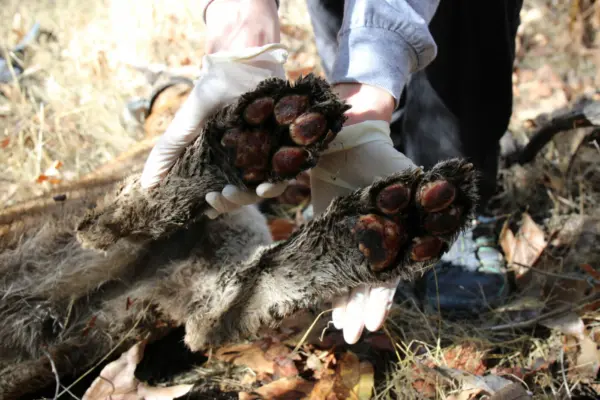
UCLA and National Park Service researchers studied the cougars’ movements before and after the Woolsey Fire
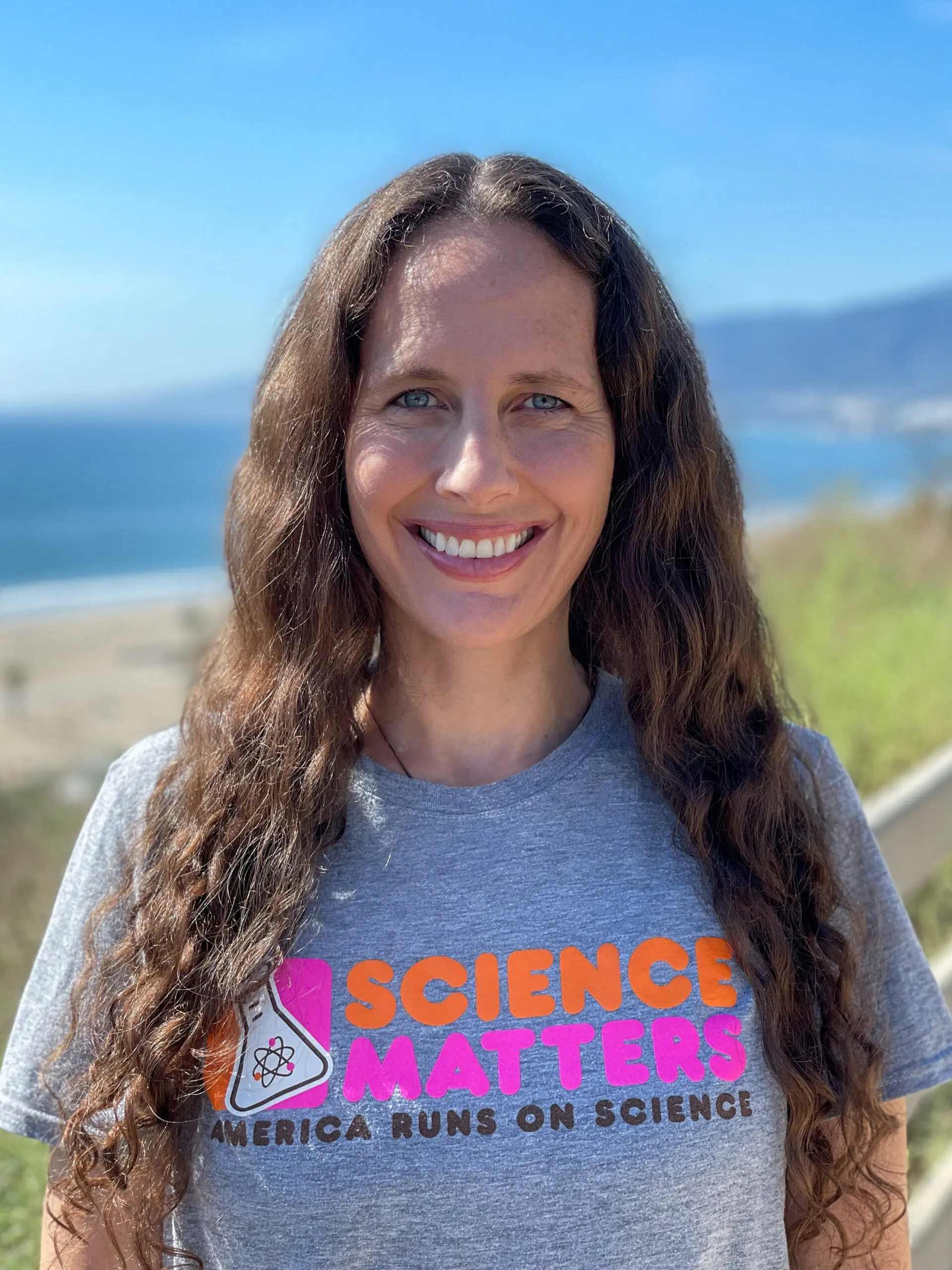

Recent heatwaves and drought have taken a serious toll on fieldwork, scientists say. Brad Shaffer, an ecologist and evolutionary biologist at UCLA, had an extraordinarily difficult time researching the feeding…
The California Conservation Genomics Project, led by UCLA La Kretz Center director Brad Shaffer, is highlighted as a unique, coordinated effort to help avert climate-related extinctions across the state. The article also discusses Shaffer's concept of Urban Arks, where non-native endangered species may find sanctuary in cities and urban environments.
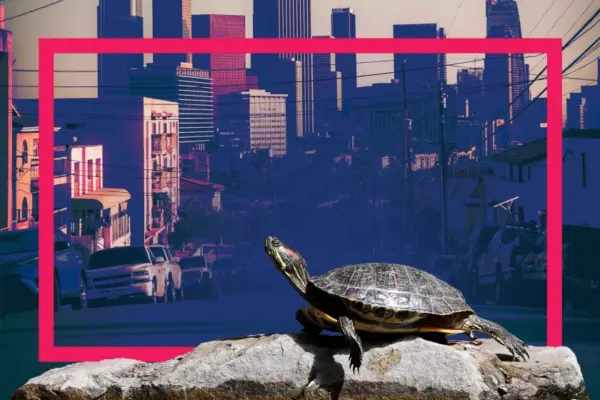
Brad Shaffer, director of the UCLA La Kretz Center for California Conservation Science and Distinguished Professor in the Department of Ecology and Evolutionary Biology, was interviewed for a recent article…
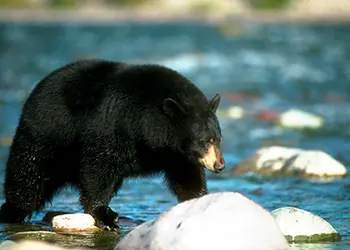
UCSC scholars join researchers statewide on a massive genomic study of California’s biodiversity. The state-funded genomics project, led by UCLA La Kretz Center Director Brad Shaffer, aims to be a lasting resource for shaping conservation policy.
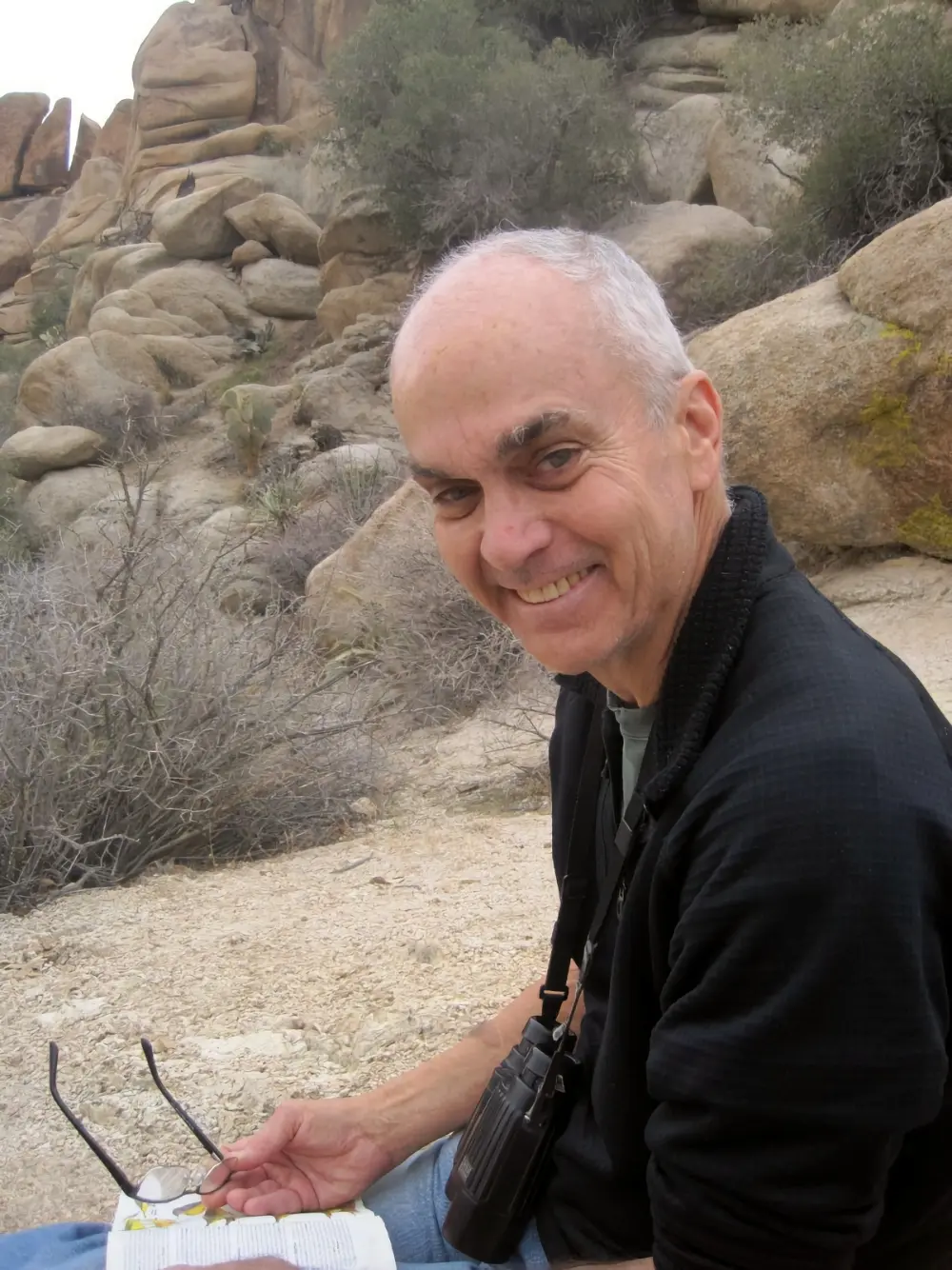
Bradley Shaffer, the director of the UCLA La Kretz Center for California Conservation Science, was elected to the American Academy of Arts and Sciences.
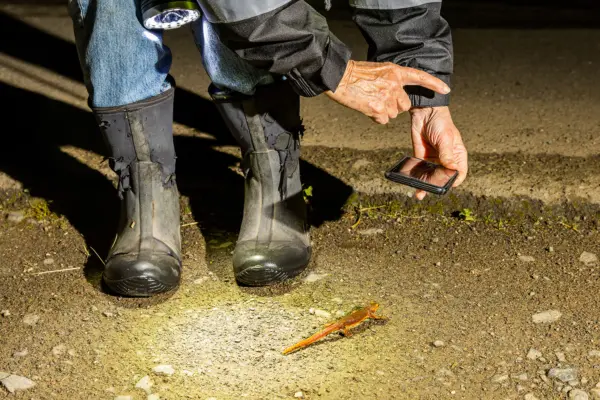
The newts are “dealing with more prolonged droughts and changing precipitation patterns due to climate change, they’re dealing with wildfires”, Bucciarelli said. “They’re getting hammered hard.”
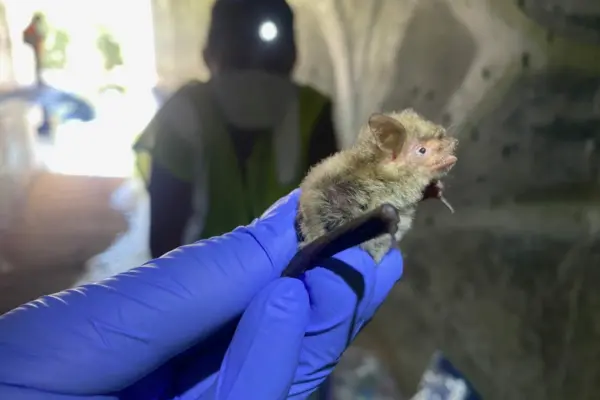
Story seeks to dispel fears and misconceptions about bats
What 19,500 genomes say about California’s wildlife: From ants and poppies to warblers, a uniquely Californian inventory of wildlife DNA will help safeguard our ecological future.