
Report puts numbers on massive gap in water costs in the West
A new UCLA–NRDC report finds cities pay far more for water than agricultural districts, even as climate change exacerbates shortages across the Lower Colorado River Basin

A new UCLA–NRDC report finds cities pay far more for water than agricultural districts, even as climate change exacerbates shortages across the Lower Colorado River Basin
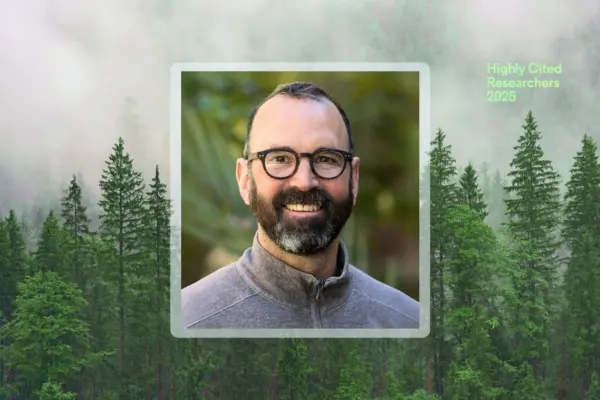
Hall’s research — from climate modeling to wildfire and water forecasting — is now among the most widely referenced in the world, earning him a place on the 2025 Highly Cited Researchers list
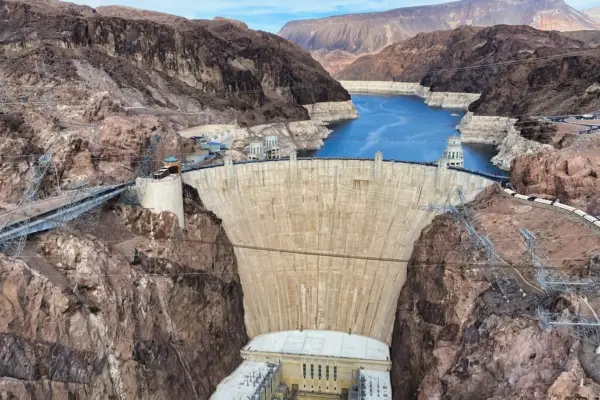
New UCLA–NRDC report reveals basin-wide gaps in wastewater reuse despite worsening water shortages
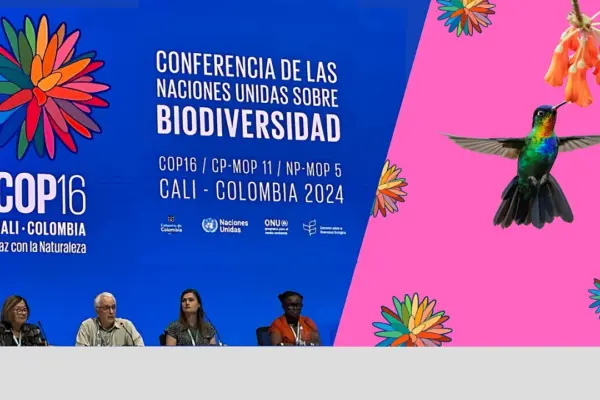
UCLA researchers played a pivotal role at COP16 in Cali, Colombia, sharing innovative conservation strategies to tackle global biodiversity loss.

Lee Zeldin, the former New York congressman President-elect Donald Trump chose to lead the Environmental Protection Agency, is a perplexing choice, says UCLA environmental law expert Ann Carlson. In fact, all of…
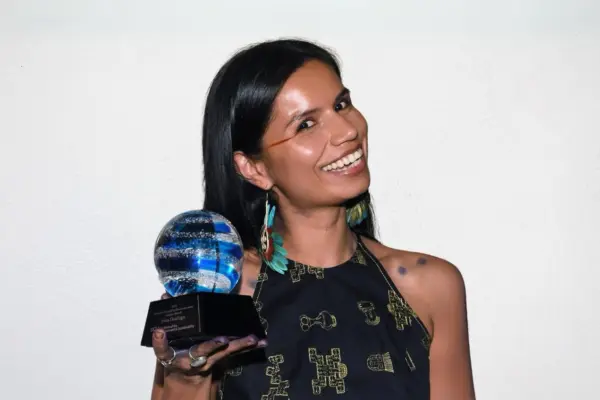
The Indigenous rights activist was honored for her grassroots leadership and policy advocacy in the Ecuadorian Amazon and beyond
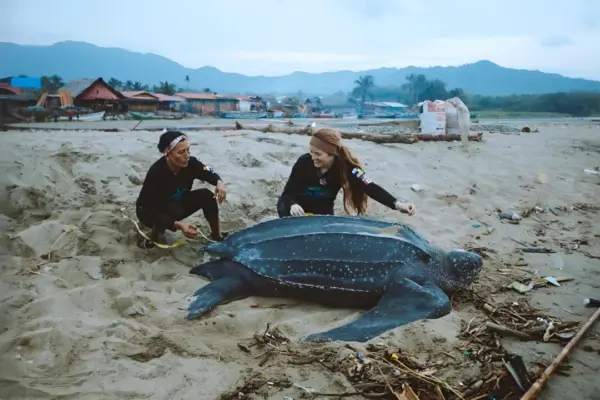
By 2024 Pritzker Award finalist Callie Annette Veelenturf On a global scale, current efforts to protect nature have not halted devastating declines and climactic imbalances. Humanity’s behavior must shift drastically…

Pritzker Award finalist Nina Gualinga reflects on her childhood in the Ecuadorian Amazon and her fight for Indigenous rights, gender and climate justice

All under age 40, this year’s finalists are multitalented, using research, education, policy advocacy and grassroots organization as part of their comprehensive approaches to solving environmental problems and alleviating social…
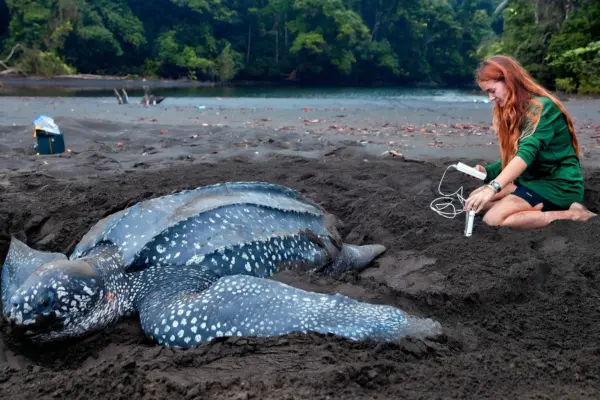
This year’s candidates hail from diverse backgrounds and disciplines, united by an unwavering drive to tackle today’s most urgent challenges
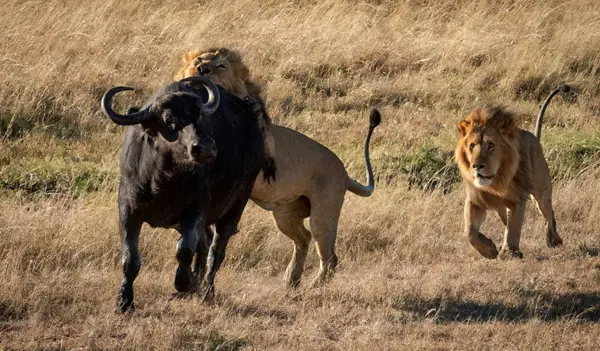
Human kleptoparasitism—where humans steal prey from lions—is a growing concern for conservationists. New research highlights the cryptic threat this practice poses to Africa’s lion populations, stressing the need for balanced conservation strategies.

New UCLA study finds most California homes can easily electrify without costly panel upgrades, thanks to strategic load management.
IoES Adjunct Professor Travis Longcore has joined the PLAN-Biodiversity project as an advisory board member. This innovative European project, “The Path Towards Addressing Adverse Impacts of Light and Noise Pollution on Terrestrial…
We object in the strongest possible terms to the University's failure to support our students' right to protest peacefully and to be kept safe while doing so. We are horrified that Chancellor Block did not exercise his responsibility to protect and support students. We believe his statements (and those of President Drake) opened the way to these attacks on our community. The exemplary nature of this encampment made it a target for those who oppose the free exercise of views that differ from their own. Continuing to arrest and jail protesters will not lead to a thoughtful and productive discussion about the very real issues raised by the Israeli invasion of Gaza, and what the University can do to help curb the extraordinary suffering and deaths that are occurring. We call for the convocation of a body to discuss the substantive calls for disclosure and divestment. We also support full legal, academic and disciplinary amnesty for all students, staff, and faculty.

The academy serves as an independent research center convening leaders from across disciplines, professions and perspectives to address significant challenges, with the aim of producing independent and pragmatic studies that…
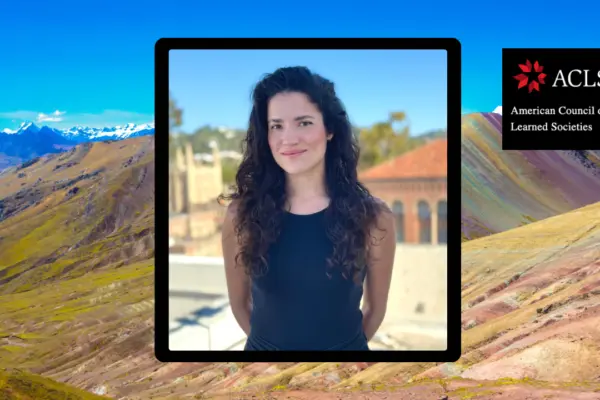
The Institute of the Environment and Sustainability is proud to announce that Lorena De la Puente Burlando has been awarded a 2024 Mellon/ACLS Dissertation Innovation Fellowship. The program supports doctoral students in the humanities and interpretive social sciences as…
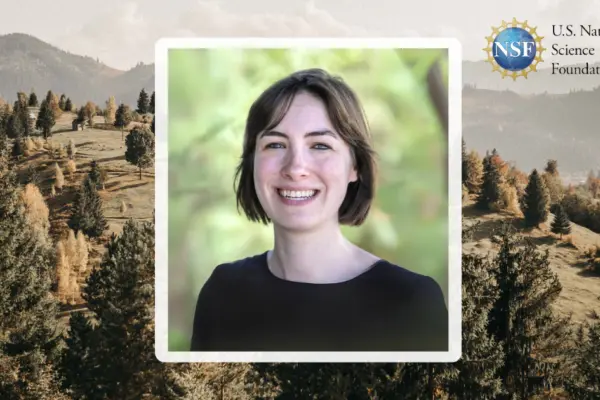
Discover how UCLA asst. professor Liz Koslov is advancing research on managed retreat in wildfire zones with her NSF Award.
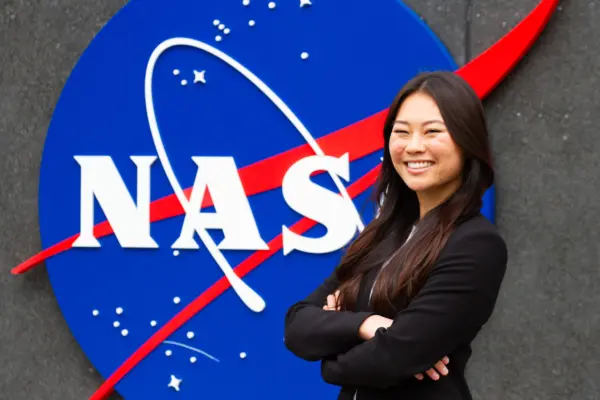
Graduating in 2023 with a B.S. in Environmental Science, Sonobe reflects on how UCLA prepared her for the professional world and provided valuable lessons
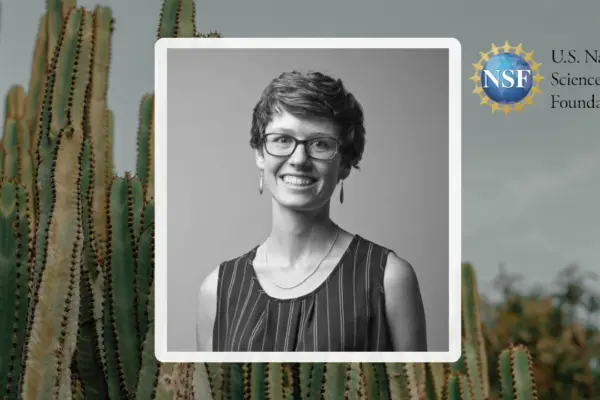
The World Health Organization identified heatwaves as one of the most dangerous natural hazards, and they’re on the rise worldwide. UCLA climate scientist and assistant professor Karen McKinnon has been…

In a new report, UCLA Professor Deepak Rajagopal and Ph.D. Candidate Narayan Gopinathan delve into sustainable transportation in India, focusing on the feasibility and benefits of a Zero Emission Vehicle (ZEV)…
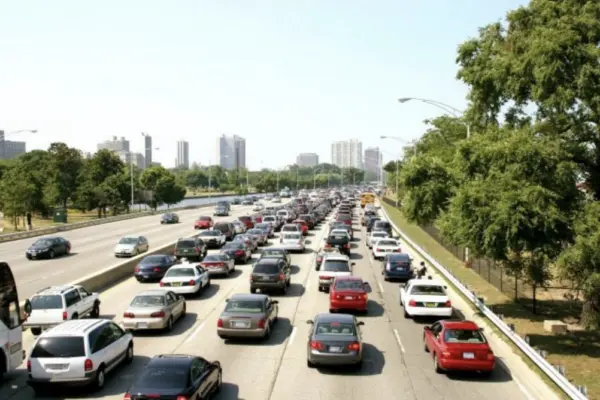
UCLA Professor and Center for Clean Air Director Suzanne Paulson and UCLA Ph.D. candidate Viraj Sawant have made significant strides in understanding and addressing the impacts of near-roadway air pollution (NRAP) on public…

Authored by the team at CCSC about the UCLA Energy Atlas. "This book covers a remarkable breadth of topics across a compact seven chapters. The breadth is necessitated by the subject matter and authors’ ambition to construct an 'energy atlas' for the state of California from the most granular data available. The content covered will be of interest to a wide readership, particularly policymakers and researchers in the energy, built environment and policy domains. It is accessible enough to be read by non-specialists and would be of interest to anyone working or interested in the built environment or planning and the role of individuals and individual buildings in the wider transition to net zero."
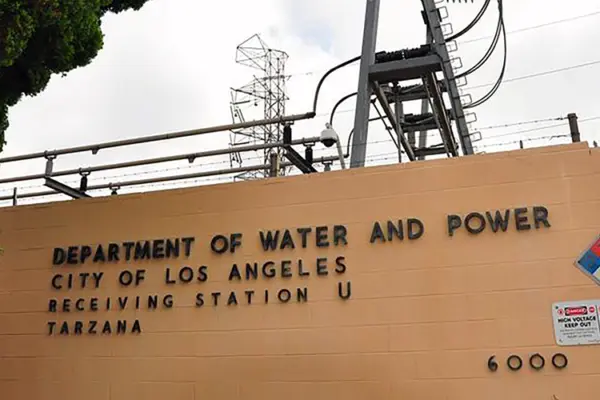
The public utility asked, and more than 20 UCLA faculty and researchers with expertise in engineering, environmental science, law, labor studies, public health, and public policy answer in a new report, LA100 Equity Strategies. Researchers, in partnership with Rachel Sheinberg, wrote Chapter 13: Energy Affordability and Policy Solutions, providing specific recommendations for robust, long-term, structural solutions to LADWP’s customers’ ability to pay their bills.