
Meet the 2026 Pritzker Environmental Genius Award candidates #11-15
The final five nominees for this year’s Pritzker Emerging Environmental Genius Award are making an impact in their own unique ways, including launching “critical ecology” as a new field of study, advocating…
The final five nominees for this year’s Pritzker Emerging Environmental Genius Award are making an impact in their own unique ways, including launching “critical ecology” as a new field of study, advocating for Indigenous approaches to bayou conservation and linking the fight to alleviate poverty with the fight to conserve the environment. They complete this year’s list of 15 incredible nominees.
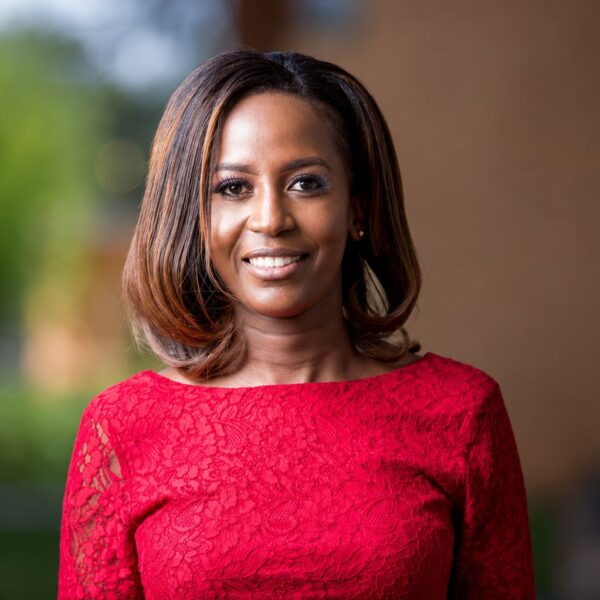
Doris Njagi
Social entrepreneur building a scalable solution at the intersection of climate action, sustainable design and inclusive economic growth.
Doris Njagi is advancing a model of conservation that links environmental protection with poverty alleviation. Drawing on her background in climate finance, she focuses on ensuring that the benefits of carbon and biodiversity markets reach smallholder farmers who are often excluded from them. Her work brings low-cost, credible environmental monitoring to agricultural landscapes, including the use of sensors that track indicators such as birdsong and illegal logging activity. By combining financial systems with ecological data, she helps channel value back into local communities while supporting ecosystem restoration. Through this integrated approach, Njagi is helping demonstrate that thriving landscapes and thriving livelihoods can be achieved together across East Africa and beyond.
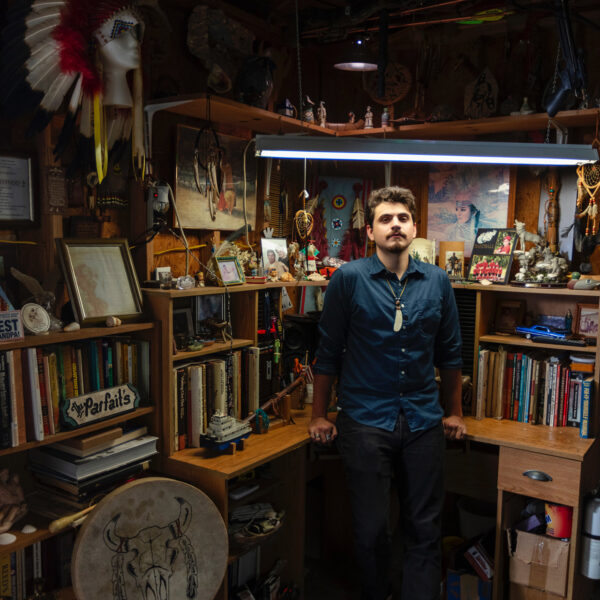
Devon Parfait
Leader in the fight to preserve GC/D homelands, culture and identity, as well as advancing justice for coastal communities.
Devon Parfait, traditional Tribal Chief of the Grand Caillou/Dulac Band of Biloxi-Chitimacha-Choctaw, is leading a community-driven effort to build a more resilient future along coastal Louisiana’s bayous. Sworn in at age 25, he works closely with Tribal elders and residents to confront the impacts of land loss, storms, saltwater intrusion and long-term environmental degradation. His leadership emphasizes restoring ecosystems while addressing historical harms from oil and gas development and disinvestment. By centering Indigenous knowledge and community voices, and collaborating with scientists and planners, Parfait is advancing projects such as marsh restoration, oyster reef construction and the development of a resilience hub. His work reflects a broader vision in which cultural survival, environmental restoration and disaster preparedness are deeply interconnected and locally guided.

Suzanne Pierre
Ecologist and biogeochemist studying how human-driven environmental changes have altered the natural world.
Suzanne Pierre is a scientist and institution-builder who created a federally funded, peer-reviewed Earth science program without a formal university position. The second Black woman to earn a Ph.D. in ecology and evolutionary biology from Cornell, she went on to found the first Black-led, science-focused climate research institute in the United States and has mentored 15 doctoral students thus far.
Her work bridges ecology and history by developing the Plantation Disturbance Index, which quantifies how colonial plantation systems have shaped soil carbon loss. This research has helped Pierre establish “critical ecology,” a new discipline examining how social and historical forces influence ecological systems. By linking environmental degradation to patterns of extraction and dispossession, Pierre’s work has the potential to reshape carbon accounting, inform climate justice frameworks and deepen public understanding of how human history is embedded in the planet’s ecosystems.

Tonthoza Uganja
Pioneer of a farmer-co-created model that addresses both climate change and rural poverty.
Tonthoza Uganja is the founder and CEO of Sustainable Farming Solutions, a women-led agroforestry enterprise in Malawi that combines restoration science, carbon finance and community ownership to restore degraded land while improving rural livelihoods.
Her farmer-co-created model ensures that local communities are directly involved in planting, managing and monitoring trees, with independently verified systems that track environmental outcomes and financial returns. This approach strengthens transparency in carbon markets while giving smallholder farmers greater access to climate finance.
By linking ecosystem restoration with income generation, Uganja is helping address both environmental degradation and rural poverty. Her work demonstrates how locally led, verifiable climate solutions can expand opportunities for communities often excluded from global carbon finance systems.
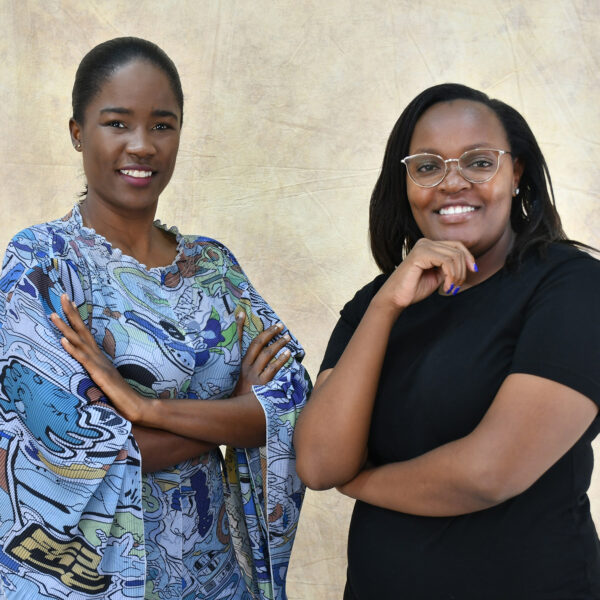
Serah Lois Wawira and Lydia Bernard-Jones
Designers of cooking products that drive sustained use and measurable fuel displacement.
Serah Lois Wawira and Lydia Bernard Jones, through their work at UpEnergy, are advancing cleaner household energy solutions that address emissions reduction, public health and energy poverty. Their approach emphasizes that effective climate solutions depend not only on technology, but also on usability, trust and large-scale adoption.
Wawira focuses on product development and implementation, particularly in electric cooking, where affordability and scalability are essential. Jones contributes expertise in behavioral science, research, partnerships and community-centered design, helping ensure solutions align with how people actually use energy in daily life.
Together, they are helping expand access to clean energy technologies that improve livelihoods while reducing environmental impact. Their work sits at the intersection of climate action, health, gender equity and economic resilience, offering a model for practical, people-centered environmental innovation.