Biodiversity has long been recognized by EPA as critical for environmental well-being. Humans rely on healthy ecosystems to provide food, clean air, and drinking water. But less understood is the…
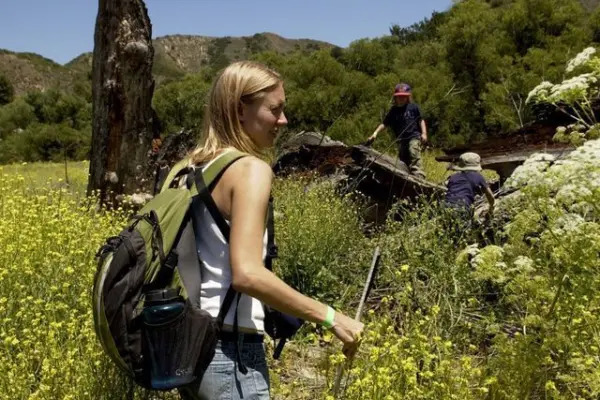
UCLA Biology Professor Philip Rundel led a team scouring the landscape for as many types of plants as they could find. Graduate student Erin Marnocha and her group looked for…
Integrating Wildlife Conservation into the Management of Cameroon's Cacao Agricultural Landscapeby Thomas Dietsch, Ph.D., Postdoctoral Scholar, Center for Tropical Research, Institute of the Environment, UCLA Restoration of Lowland Tropical Rainforests…
When you face an enemy that is both elusive and ubiquitous, information is the best defense. You need early warning. And you need to know not only when trouble’s coming,…
The Jan. 3 edition of Molecular Ecology is dedicated to research from the February 2007 “Evolutionary Change in Human-Altered Environments” conference, which was sponsored by the UCLA Institute of the…
Alternative Mating Tactics in a Tropical Damselflyby Brenda Larison, Senior Research Fellow, Center for Tropical Research, Institute of the Environment, UCLA Preserving Biodiversity in the Atlantic Forest of Brazil and…
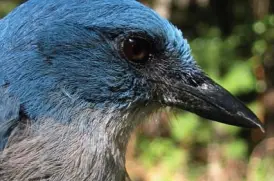
Conserving Evolutionary Process in the Sky Islands of Northern Mexico by John McCormack, Graduate Student, Ecology and Evolutionary Biology and Center for Tropical Research, Institute of the Environment, UCLA Host-parasite…
Finding Endangered Tropical Dry Forest in the Pacific: A Case Study from Fiji by Dr. Thomas W. Gillespie, Associate Professor of Geography, UCLA The international summit on “Evolutionary Change in…
New Scientist Print Edition, Peter Aldhous, Los Angeles, February 17, 2007 CALL it unnatural selection: human activities are driving the evolution of other species in dramatic and often unexpected ways.…
The Institute of the Environment is hosting a three-day summit this week at UCLA to discuss the effects of human inflicted changes on natural evolutionary processes in the environment.