Heat’s impact on the grid is twofold, explained Eric Fournier, research director at UCLA’s Institute of the Environment and Sustainability. First, more people turn on their air conditioners and run them for longer on hot days, which means electricity demand is higher.
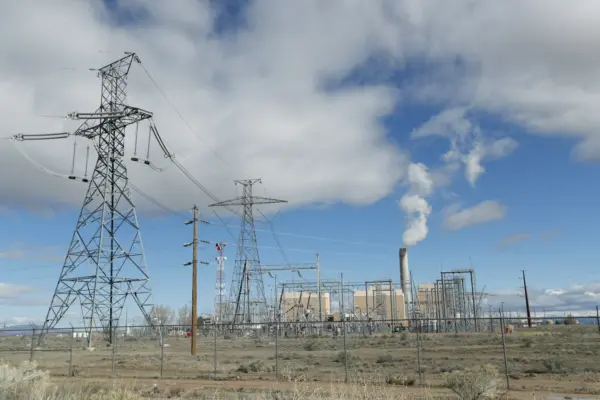
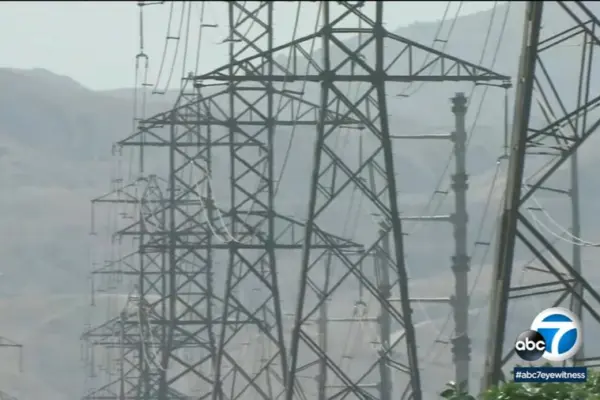
Second, heat has a physical impact on the infrastructure of the grid, making wires less efficient at moving electricity and pushing transformers and thermal power plants to their temperature limits. As the temperature rises, those air conditioners have to work harder to cool the air — which means they draw more power, straining the grid even more. “So you get this feedback loop,” said Fournier.
“I think that incentives are a way to reward the rich for doing the right thing and don't do a whole lot for the poor," said Stephanie Pincetl, director of the California Center for Sustainable Communities at UCLA.
More detailed data collection and analysis will be important in this effort and others, and it will be led by the California Center for Sustainable Communities — specifically leveraging its Energy Atlas, which can show city officials where resources are being consumed and at what level, down to the individual building or unit.
“Anything that has a spatial characteristic, we can examine and provide an analysis for it,” said Stephanie Pincetl, founding director of the center. “Our motivation is to work at consumption through the lens of equity. How much are they using? Where? And to do what, and under what conditions?”
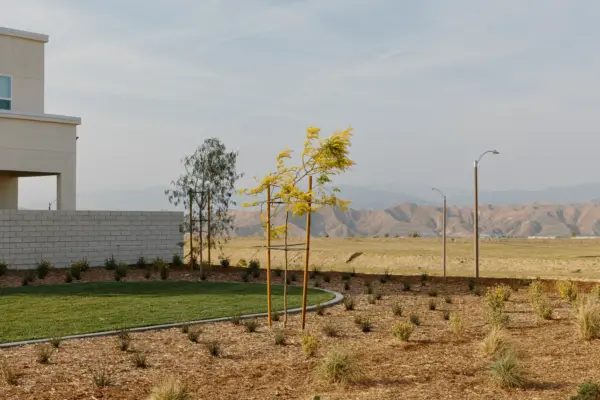
An overall issue with the current approach to lawn replacement is that it's very individualised, says Dr Pincetl. There is an element of personal responsibility when it comes to lawns and water use, according to Dr Pincetl, where "the water you use on your lawn is the water I'm not going to be drinking next week".
At the same time, more sweeping community-level changes are needed.
Dr Pincetl calls for "a more robust infrastructure of transformation to really help people who want to make that transformation and don't have that kind of capacity". For instance, youth training organisations could work neighbourhood by neighbourhood to support residents in reimagining their lawns.
Los Angeles is in its third year of extreme drought — and water officials have resorted to extreme water-reduction measures. Professor Stephanie Pincetl, founding director of the California Center for Sustainable Communities at the University of California Los Angeles talks to WBUR radio.
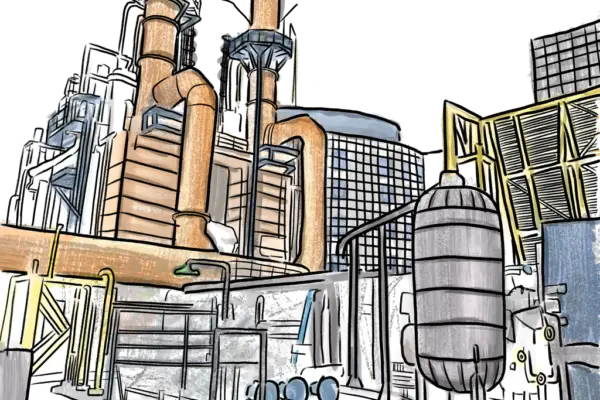
UCLA cogeneration plant. “You’re basically operating a large jet engine that has been strapped to the ground,” explained Eric Fournier, research director at the California Center for Sustainable Communities within the UCLA Institute of the Environment & Sustainability. An impressive number and diversity of pipes – a description also courtesy of Fournier – line the inside of the facility, as do support structures for seismic stability.
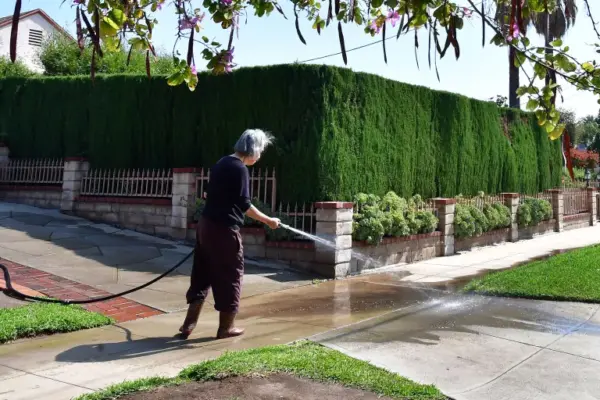
“Lawns do well with about 30 inches of rain a year. Do we get 30 inches of rain a year? I don’t think so,” Pincetl said. Los Angeles receives about half that amount in a typical year.
“So if you want to have water to drink, water to do all the stuff you do inside, bathe your children, do your laundry, using water on a lawn just seems foolish,” Pincetl said.
One downside to the understandable focus on greenhouse-gas mitigation is that more place-specific environmental considerations, including the destruction of traditional landscapes, can get lost. “I think this approach to carbon-dioxide mitigation is a new regime of trying to justify the same kind of development,” Stephanie Pincetl, a professor at U.C.L.A. whose research focusses on land use and the environment, told me. “It’s very clever and extremely insidious because it doesn’t change anything: it doesn’t address structural racism, it doesn’t address affordability, it doesn’t address the climate, it doesn’t address resource impacts, it doesn’t address anything except on paper.”
The fuel isn’t the only thing that will change at the plant. “We know that the coal-fired power plant provides lots of jobs where it is for local residents,” says Stephanie Pincetl, director of the California Center for Sustainable Communities and professor-in-residence at the UCLA Institute of the Environment and Sustainability. “It also pollutes the air. It also uses water, all these issues. A transition to natural gas will continue to generate a fair amount of employment. When you move to renewables, to solar, it doesn’t have that kind of employment benefit. So part of the dilemma for the just transition is the jobs dilemma.”
“We’re at a kind of inflection point between the legacy of the 20th century and the imperatives of the 21st century,” said Stephanie Pincetl, director of the California Center for Sustainable Communities at U.C.L.A. “No, you can’t just develop whatever you want to because you want to — that’s over. There’s no accountability in that over the long term.”
The orders reflect a growing realization that developers simply can’t continue to push into unoccupied areas without dramatically increasing fire risk, especially as climate change-fueled warming and drying has primed more land to burn more intensely, said Stephanie Pincetl, a professor at UCLA’s Institute of the Environment and Sustainability.
For California agriculture to survive, we will need nothing short of a revolutionary re-envisioning of the future. The alternative is extinction. Stephanie Pincetl is a professor at the UCLA Institute of the Environment and Sustainability and founding director of the California Center for Sustainable Communities at UCLA. This article was produced in partnership with Zócalo Public Square.
Stephanie Pincetl, a professor of environment and sustainability, said the new infrastructure law is not enough to completely address the problems facing American infrastructure today.
She said she believes the law is not truly unprecedented, but rather that people are not used to seeing infrastructure investments. Pincetl added the government should provide more generous funding, considering the larger sums spent on other sectors of the economy and the military.
“What we actually need is a Congress that is willing to spend taxpayer money on taxpayers and an investment for the nation’s future,” Pincetl said.
However, the state of California has not done much to curb water consumption, said Stephanie Pincetl, a professor at the UCLA Institute of the Environment and Sustainability and the director of the California Center for Sustainable Communities.
Part of this comes from a general lack of official regulation, she said, but added that the failed recall against Newsom also may have impacted the state’s response. The recall was the major focus of Newsom’s attention for a couple of months, and Pincetl said that it likely would have been politically delicate for Newsom to expand on water conservation.
However, Pincetl also said the state is only one factor in the whole water system. The Metropolitan Water District, a special district that provides water to 26 agencies in Southern California, is an important aspect of providing Californians with the necessary water, she added.
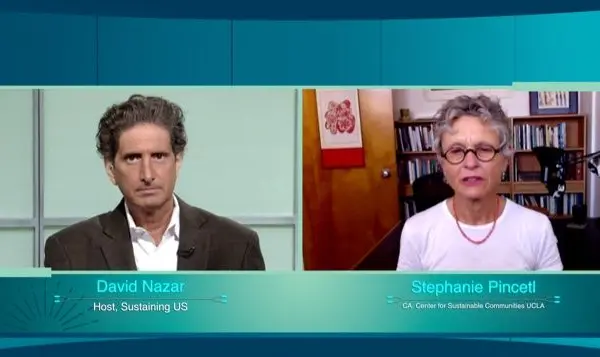
Los Angeles is known for great weather and beaches as well as iconic movie studios and sports teams. Soon you can possibly add an amazing 50 mile riverwalk community to this list. The multi billion dollar LA River revitalization project is advancing and some say this could be the greatest riverwalk in the United States. Certainly this massive design is not without its controversy or its critics. Watch Dr. Pincetl's interview (starting at ~15:00) with Sustaining US on KLCS/PBS.
Season two premiers Wednesday, Oct. 6, and will air weekly on Wednesdays at 10 p.m. and the following Mondays at 5:30 p.m. Viewers can watch on Ch. 58 or livestream on KLCS PBS.
Topics and respective UCLA experts in season two include:
The Los Angeles River: Stephanie Pincetl, founding director of the California Center for Sustainable Communities at UCLA
Tackling the interconnected political, economic, societal and environmental issues of climate change and the large-scale forces at play can be daunting, said Stephanie Pincetl, a professor at the UCLA Institute of the Environment and Sustainability.
Students can turn climate anxiety into action by identifying and tackling issues they’re passionate about solving, said Pincetl, who is also director of the California Center for Sustainable Communities at UCLA. She said students can get involved by creating or joining groups that advocate for change and hold lawmakers and governments accountable.
“What is happening more and more is that the geographic scope of high heat and also the geographic scope of fire risks is increasing pretty significantly. And so in Southern California, because of the interconnectedness of the power system, we’re actually fairly vulnerable to both disasters and high temperatures that are occurring somewhere else,” said Eric Fournier with UCLA’s Institute of Environment and Sustainability.
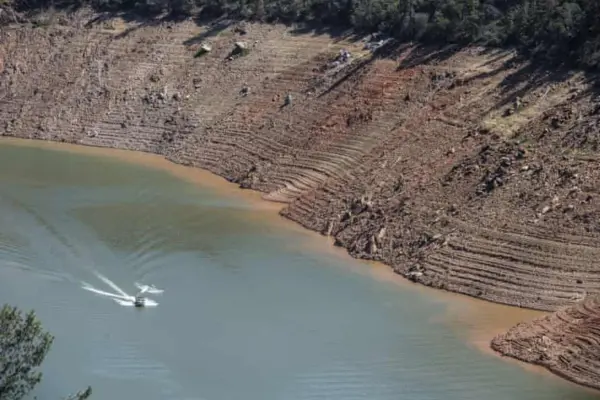
“California isn’t completely dependent on hydropower,” explained Stephanie Pincetl, the founding director of the California Center for Sustainable Communities at UCLA. “But less water and less hydropower does mean more natural gas or coal.”
Stephanie Pincetl, director of UCLA’s California Center for Sustainable Communities, who has studied Southern California’s reliance on distant water sources, said the decisions had far-reaching, if unintended, consequences: Los Angeles’ water grab from the Owens Valley exploited distant ecosystems, and urban sprawl was fueled by the Metropolitan Water District’s imports.
“It’s really the growth machine of Southern California … by providing all this water to inland places, and allowing the sense that there’s unlimited water and the sense that you can build as far as the eye can see,” Pincetl said.
Still, she said, “You can point fingers a lot, but you can also be reassured that you can actually turn the tap on and have water come out of it, most of the time.”
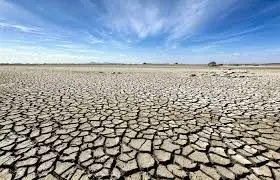
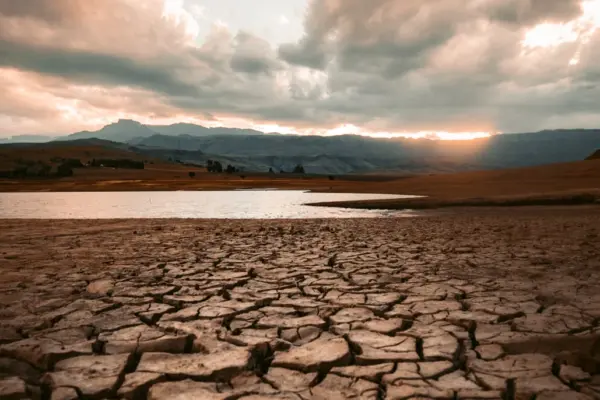
“One could not have wished for a more perfect storm created by humans,” said Stephanie Pincetl, who directs the California Center for Sustainable Communities at UCLA, of the current crisis in heat and drought.
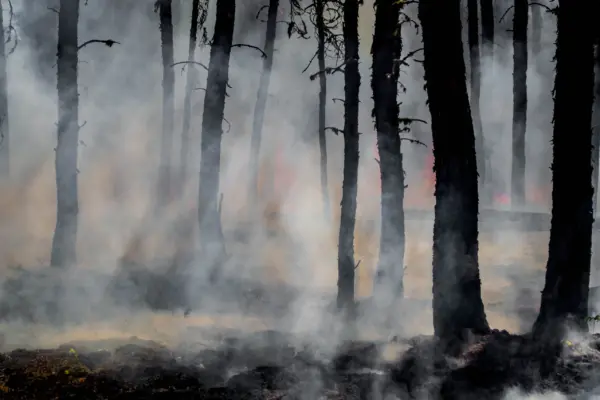
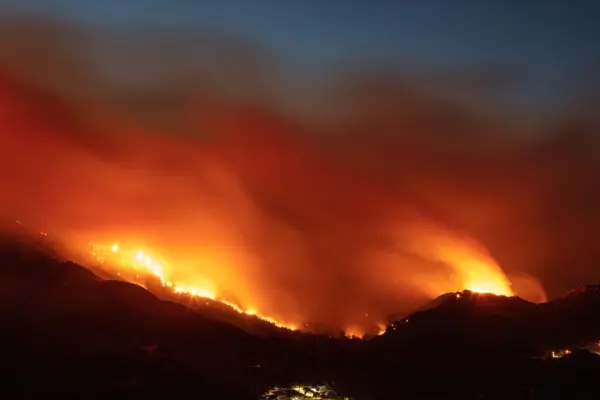
‘“If you suppress fire and ignite fire, guess what? You get big fires,” says Stephanie Pincetl, founding director of the California Center for Sustainable Communities at UCLA.
And suppressing flames doesn’t just amp up the risk for humans living in fire zones—in places that have been very tightly managed like the Sequoia National Forest, the trees aren’t able to bounce back without natural, low-level fires, Pincetl says.
“While natural gas burns more cleanly than coal does, its usage still results in significant co-product emissions and corresponding public health impacts,” said Eric Daniel Fournier, the research director at the University of California, Los Angeles’s California Center for Sustainable Communities, who was not involved in the study. “As gas comes to represent a larger fraction of the county’s primary fuel portfolio, it will naturally come to be responsible for a larger proportion of the health impacts from stationary sources, of which electricity production is a major contributor.”
But Stephanie Pincetl says, “Trees don't grow well in this region. So you must create conditions that are hospitable in the urban environment for those trees to survive.” She’s a founder of the Center for Sustainable Communities at UCLA, and she advocates denser zoning in some places, surrounded by trees to provide shade for parks, playgrounds and sidewalks.