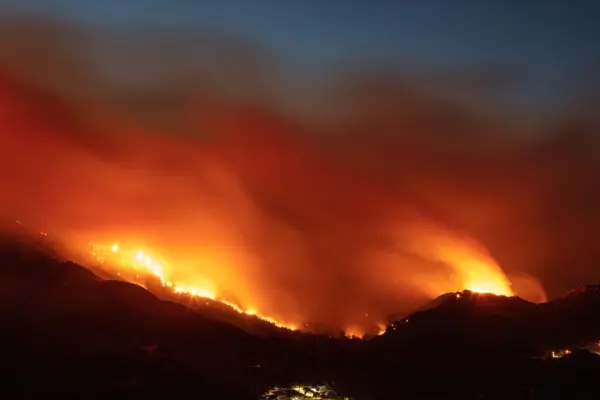
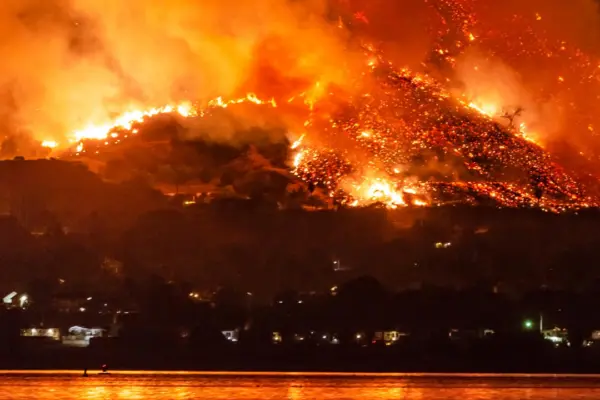
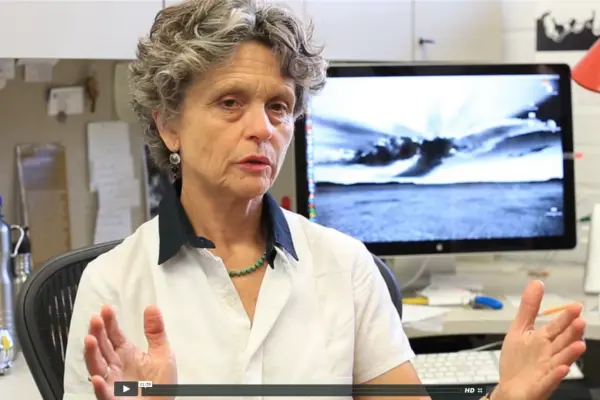
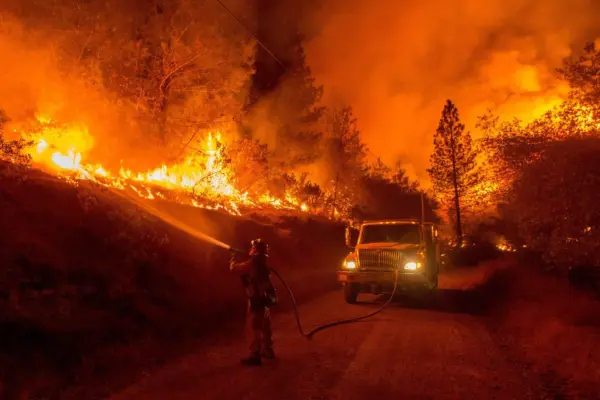
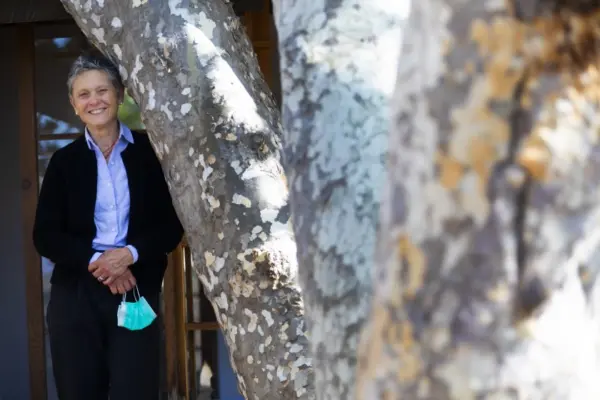
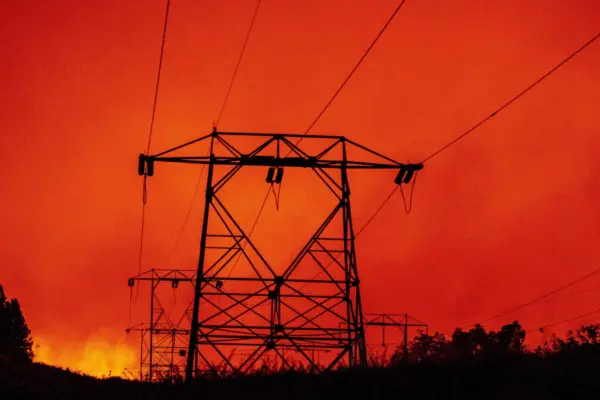
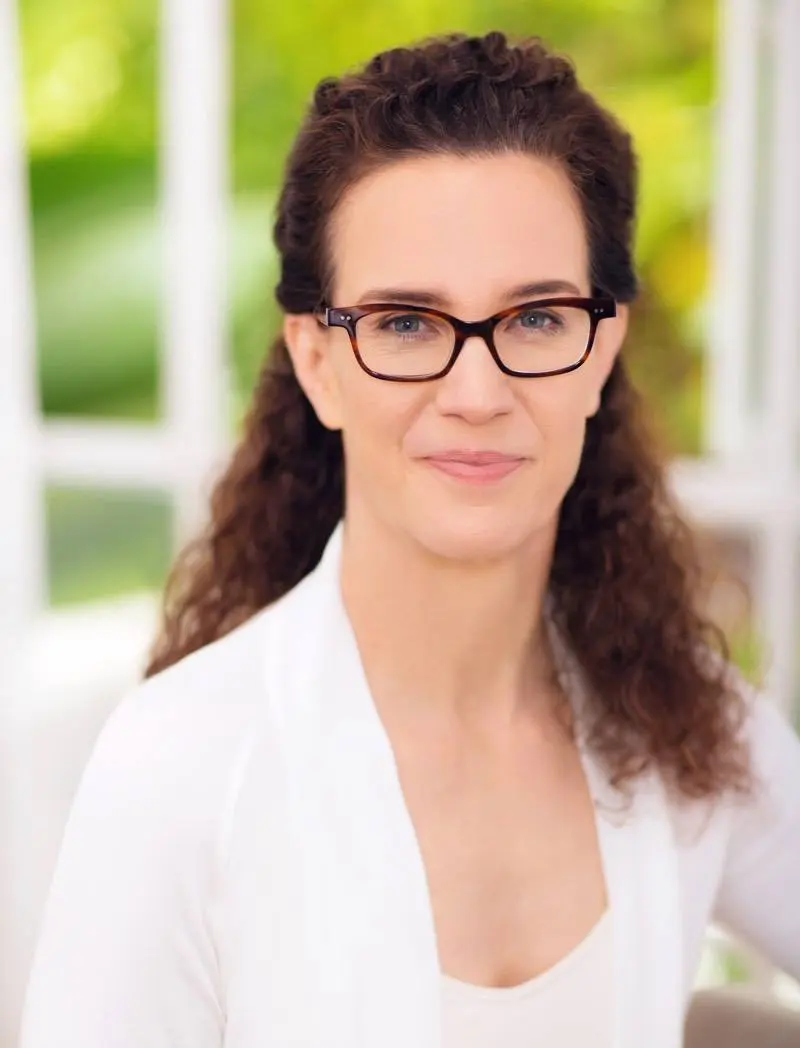
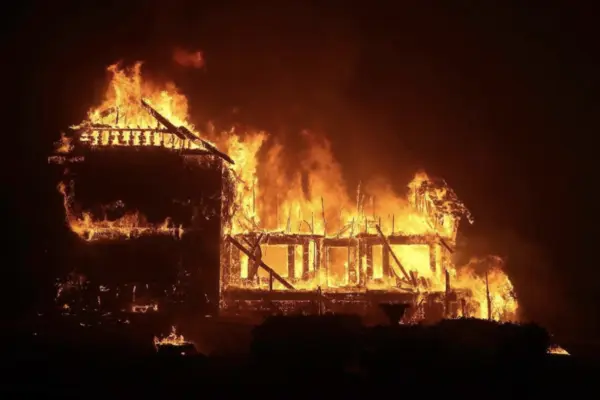
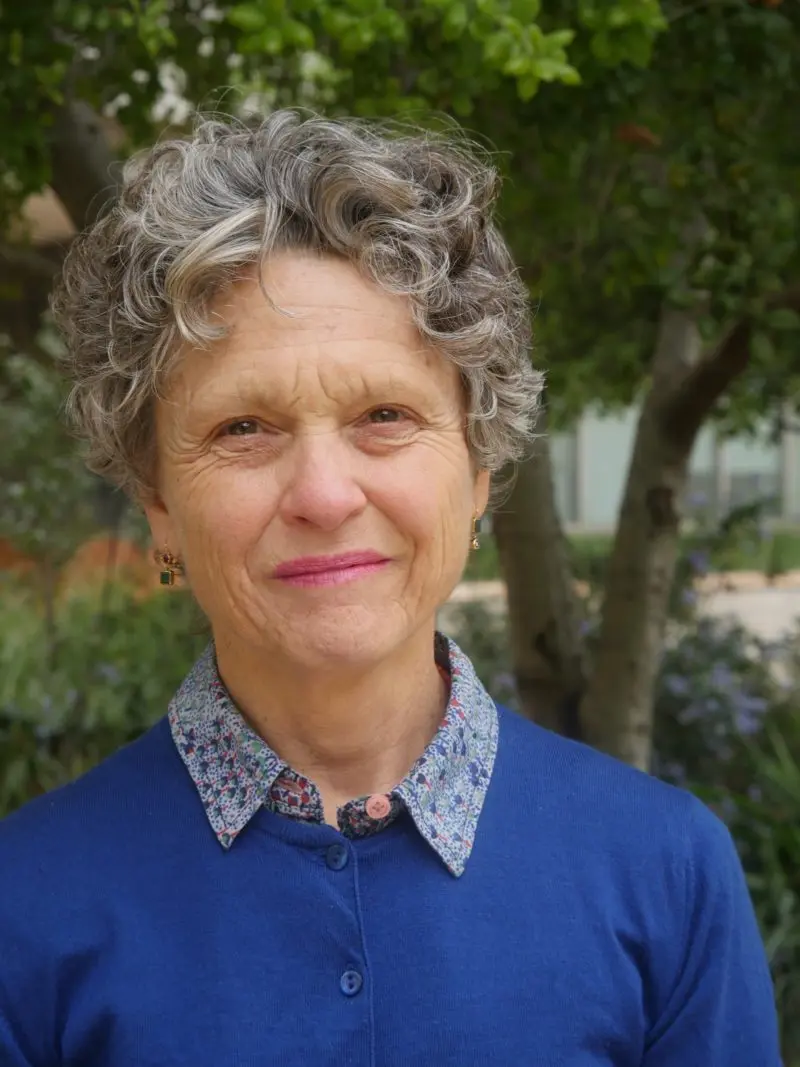
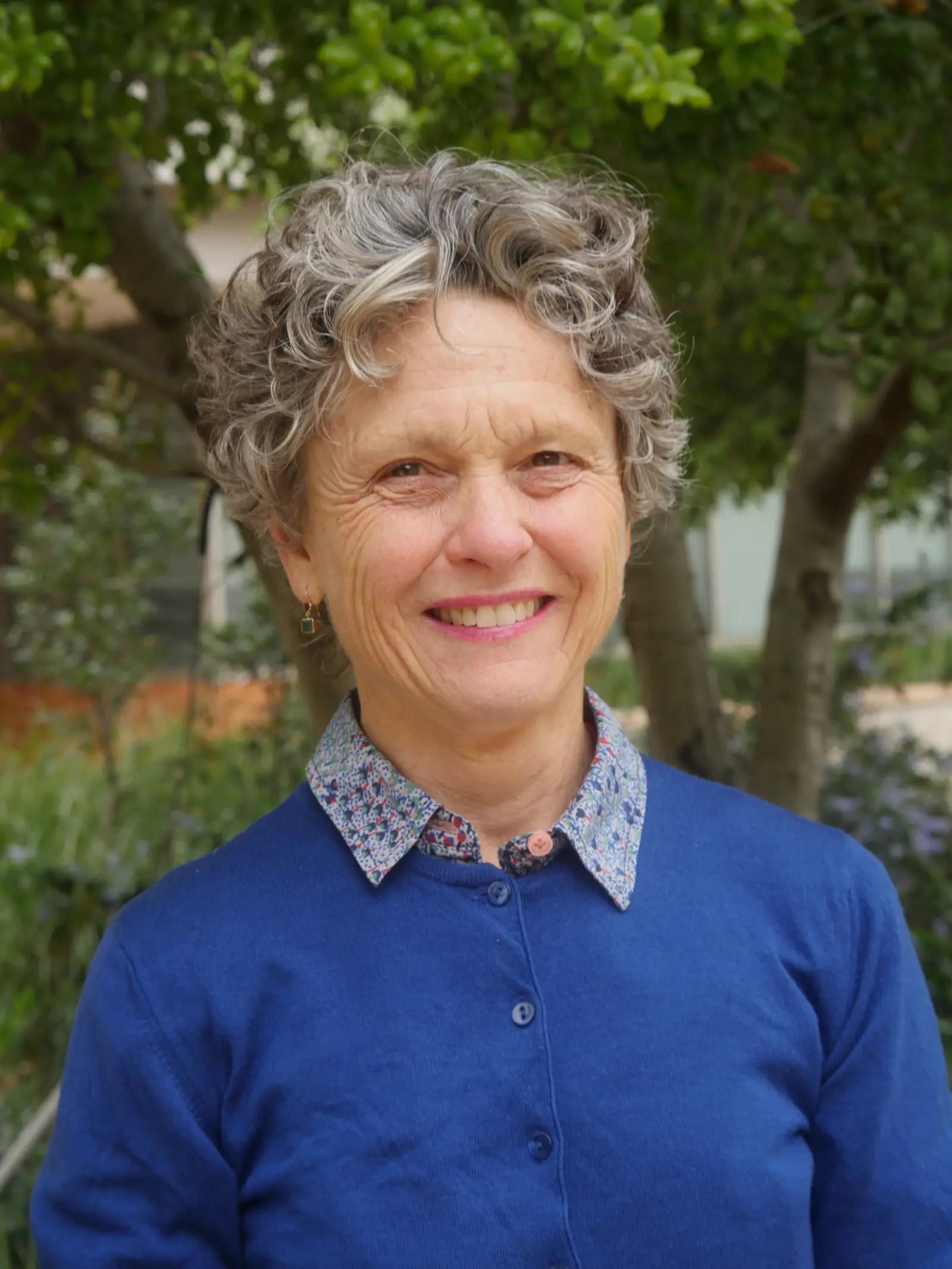
Stephanie Pincetl, a professor and director of the California Center for Sustainable Communities at UCLA, agreed and said the state needed to take more steps to adapt. “California has always burned,” she said. “But we live in a hysteria about fire because we put people in the wrong place.”
Though environmental conditions exacerbate risks, a key problem lies with people, according to Pincetl. “There is nothing wild about these fires. These are human-created conditions that induce higher risk,” she said. “We need to acknowledge that these are our problems that we created, and if we are going to deal with it we have to start where the problem begins.”
“We have 100 years of legacy in this state and we have a lot of federal land over which the state does not have a lot of power. So it has to be a coupled effort between the feds and the state to address the accumulated brush and understory growth,” said Stephanie Pincetl, director of the California Center for Sustainable Communities at UCLA.
The plan also sets aside $25m to grant food to low-income homeowners to fund the updates and renovations needed to fireproof their homes. “Of course, it’s good – but the question is how far will this money go?” said Stephanie Pincetl, a professor at the UCLA Institute of the Environment and Sustainability who specializes in the intersection of urban planning and environmental policy.
Women in leadership, such as Stephanie Pincetl, are creating inclusive communities that promote equality, respect and care for all individuals. Pincetl focuses on equitable strategies to reduce human impacts on the planet.
For decades, wildfires in some areas of Baja California in Mexico have been left to burn, keeping the forests and chaparral thinned out. As a result, blazes there don’t burn as intensely, said Stephanie Pincetl, a professor at the UCLA Institute of the Environment and Sustainability.
“The Mexicans haven’t been able to afford this kind of vast firefighting infrastructure that we have, and so they just let the fires burn. And you know what? They don’t have the catastrophic fires because they haven’t fought the fires. And they have low-intensity fires that were the norm in California before we decided to prevent burning,” Pincetl said
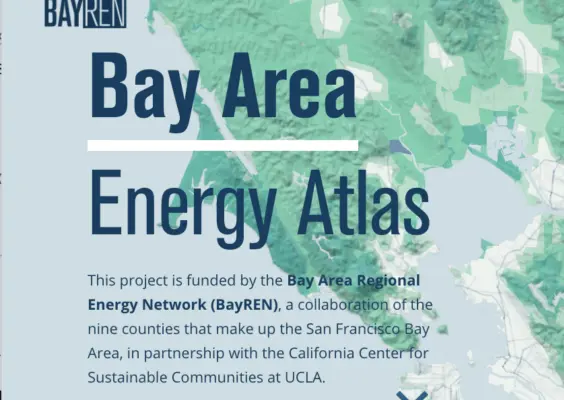
The new Bay Area Energy Atlas is an interactive map that allows planners and residents to compare five years’ worth of electricity and natural gas usage from the county level down to…
UCLA researchers published a study last month concluding that Californians would probably pay more for energy under electrification mandates, and that “low-income residents of disadvantaged communities … will be most adversely…
In 2018, California laid out an ambitious goal to transform the state’s energy system. A bill called SB 100 mandated that utility companies generate all of their electric power using zero-emission…
“We’ve been assaulting biodiversity for over a hundred years,” says Professor Stephanie Pincetl, founding director of the Center for Sustainable Communities at UCLA. Pincetl’s resume would not fit on this…
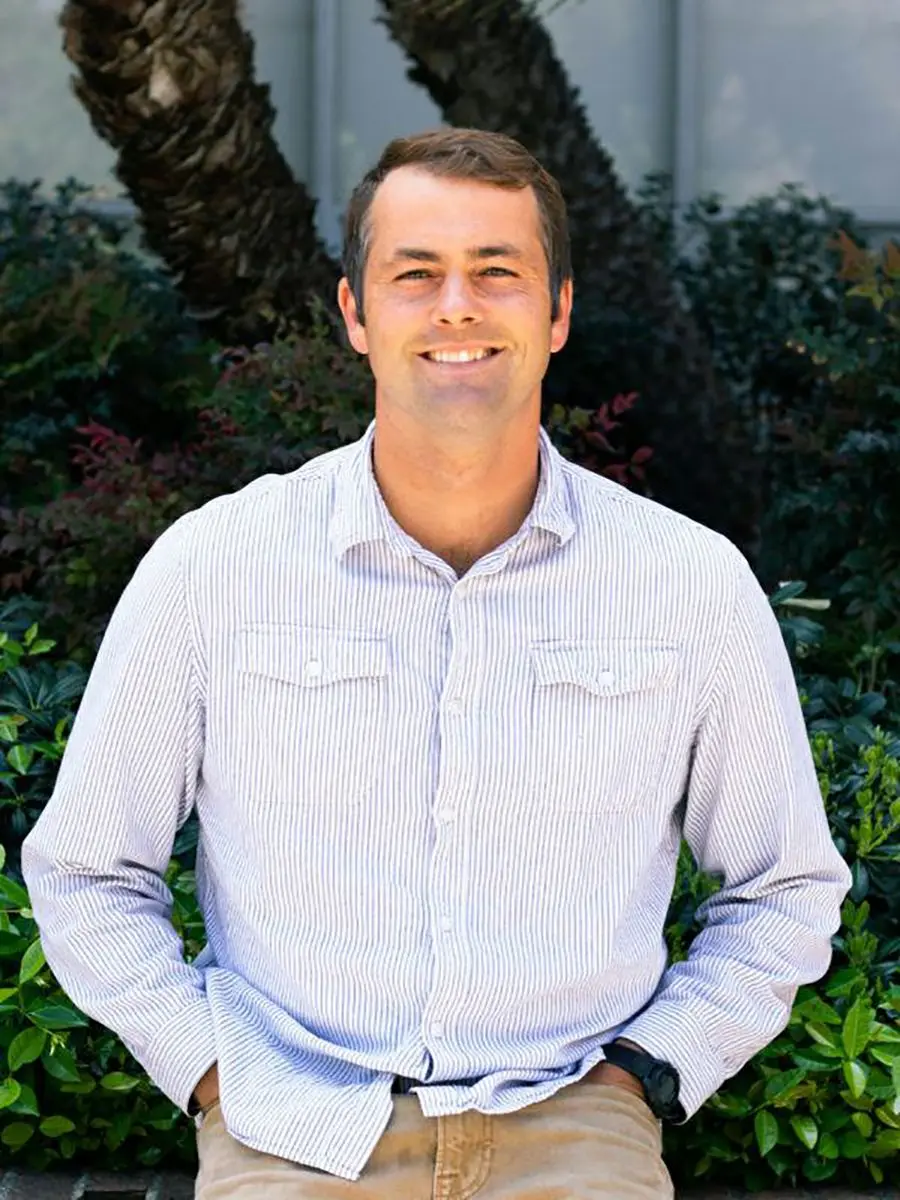
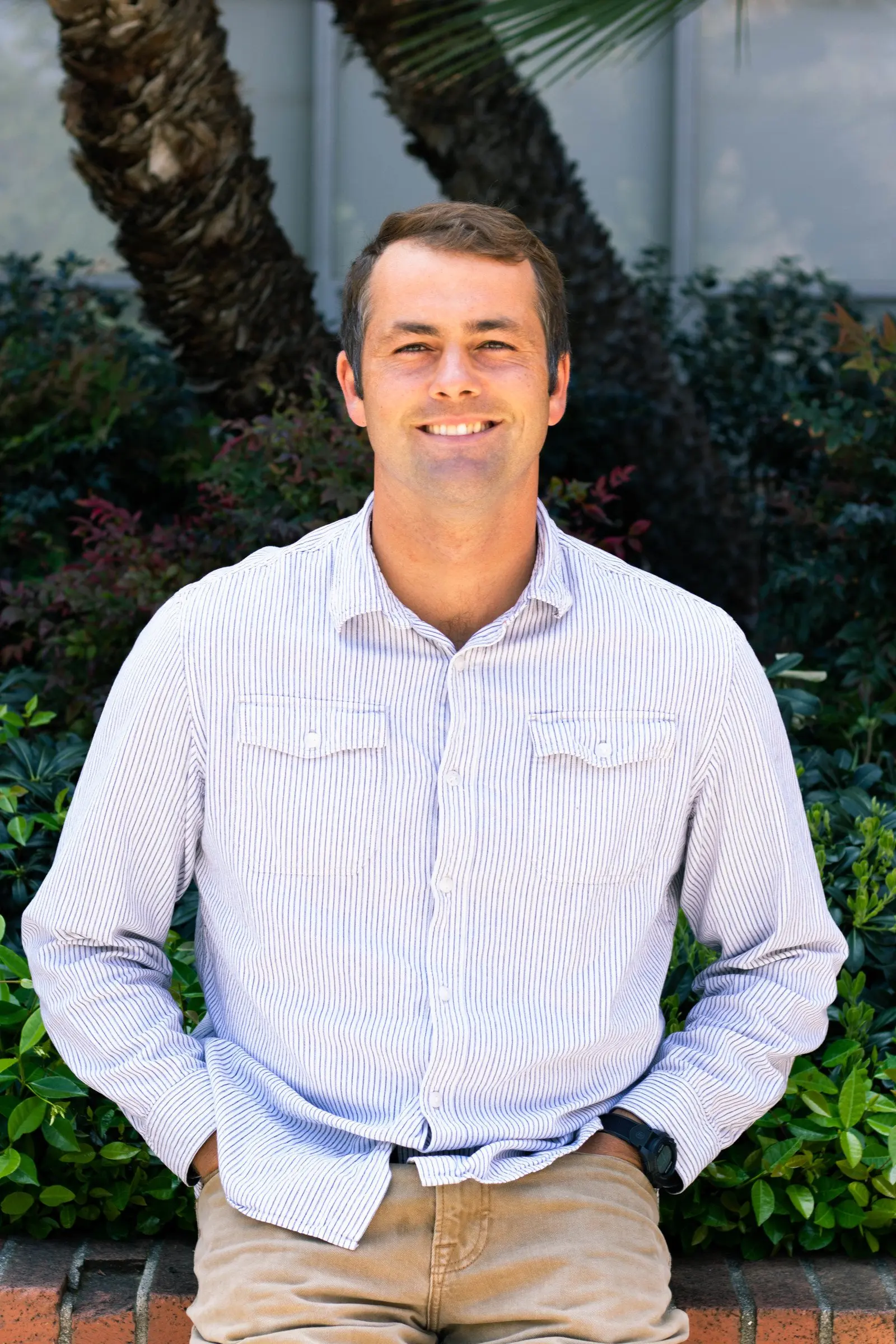
Q&A with UCLA energy systems expert Eric Fournier In addition to the vast destruction they have caused, the wildfires that have engulfed California in recent weeks have laid bare serious…
CCSC’s Research Director Eric Fournier discusses fires and the energy grid. “If there is a component failure on a portion of a line that has been buried it can take…
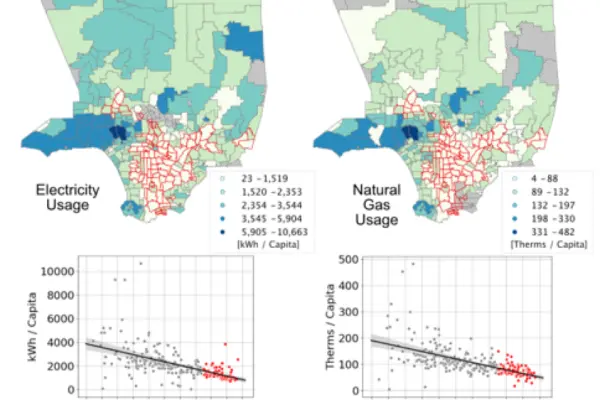
Study finds affluent L.A. neighborhoods use more energy and reap greater benefits from government incentive programs. The energy system, as it exists today, places a larger burden of cost on…
Led by Eric Fournier, research director at UCLA’s California Center for Sustainable Communities, the team analyzed energy use data for every ZIP Code in Los Angeles County, home to more…
Despite the UC’s hesitant commitment to including climate change on the docket, the regents have yet to add the issue to the official selection criteria. Alan Barreca, an associate professor…
California authorities are addressing the problem of lead in drinking water at public schools through a statewide program to test pipes and upgrade plumbing, but experts warn the threat goes…
“Roads, water, power and other kinds of infrastructure aren’t a visible cost because it’s embedded in the cost of (subsidized) housing by the larger community of taxpayers,” Dr. Stephanie Pincetl…
Toward a Theory of Urban Trees as Living Infrastructure Trees are now ubiquitous components of urban landscapes in the United States. Increasingly urban trees are called upon as a form…
Limited urban space has forced rising neighborhoods to sprawl away from major cities. But, building more affordable housing might be anything but affordable in the long run. Stephanie Pincetl, professor-in-residence…
“PG&E right now is very gun-shy of taking any risks” and doesn’t “want to be liable if something goes wrong,” Stephanie Pincetl, a professor at UCLA’s Institute of the Environment…
Stephanie Pincetl, founding director of UCLA’s California Center for Sustainable communities, focuses on social and environmental justice and finding equitable ways to reduce human impact on the planet. She pointed…
“PG&E right now is very gun-shy of taking any risks”and doesn’t “want to be liable if something goes wrong,” said Stephanie Pincetl, a professor at UCLA’s Institute of the Environment…
“PG&E right now is very gun-shy of taking any risks” and doesn’t “want to be liable if something goes wrong,” said Stephanie Pincetl, a professor at UCLA’s Institute of the…
Katz has said earlier in the year that if UCLA cannot transition to renewable energy, it will pursue the purchase of carbon offsets, which allow buyers to offset their emissions…
The UCLA School of the Arts and Architecture will kick off the second edition of “10 Questions” on Oct. 1. Building on the success of its inaugural presentation in 2018,…