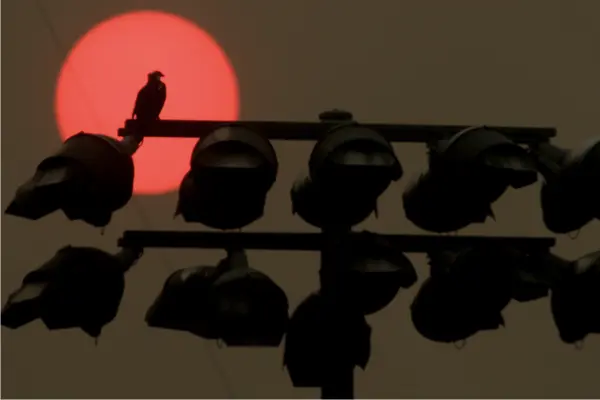
Olivia Sanderfoot for The New York Times – Wildfires Impact on Birds
La Kretz Center Postdoctoral Researcher Olivia Sanderfoot discusses wildfire smokes impact on birds and how her community outreach project: Project Phoenix.

News
La Kretz Center Postdoctoral Researcher Olivia Sanderfoot discusses wildfire smokes impact on birds and how her community outreach project: Project Phoenix.

Director of UCLA La Kretz Center for California Conservation Science and professor of ecology and evolutionary biology Brad Shaffer discusses how scientists are racing against time to create a global…
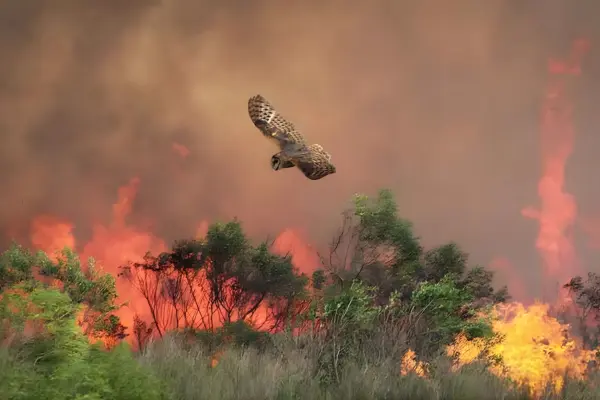
All are invited to participate in new program from UCLA and Natural History Museum of Los Angeles County

UCLA ecologist Morgan Tingley and postdoctoral fellow Olivia Sanderfoot discuss the effects of smoke exposure on North American birds during breeding season for National Geographic.
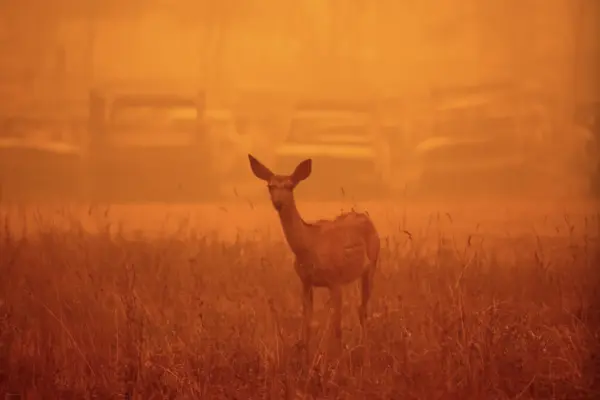
UCLA La Kretz Center Postdoctoral Fellow Olivia Sanderfoot discusses the effects of wildfire smoke on animals, as well as her previous review in the journal Environmental Research Letters for Popular…
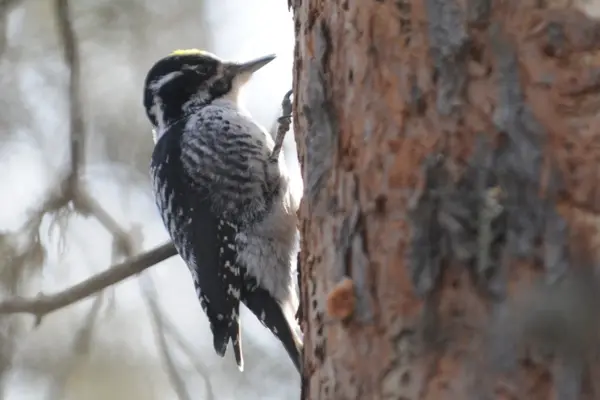
UCLA La Kretz Center Postdoctoral Fellow Olivia Sanderfoot discusses the effects of wildfire smoke on animals for the Ottawa Citizen. “When I see pictures like the ones out of New…

UCLA La Kretz Center Postdoctoral Fellow Olivia Sanderfoot discusses the effects of wildfire smoke on animals as Canadian wildfires severely compromise air quality across the Midwest and Northeast. “Animals, just…
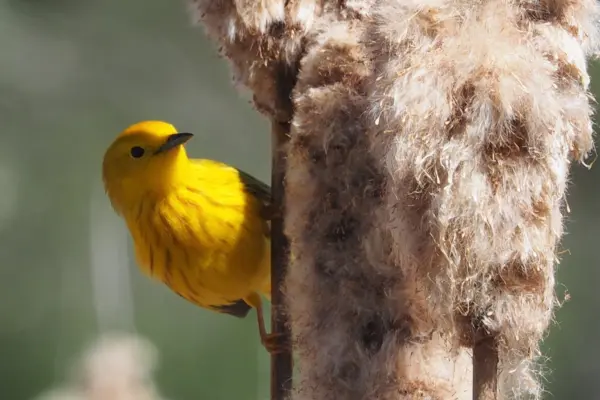
Los Angeles leaders can take action to make our city safer for birds. One key step is to require the use of bird-safe glass, which is designed to obscure windows’…
The UCLA La Kretz Center for California Conservation Science and the UC Natural Reserve System Stunt Ranch Santa Monica Mountains Reserve are pleased to announce the second round of recipients…
Check out the innovative conservation research projects, stimulating public outreach events, and exciting funding programs that the center has supported over the past year!
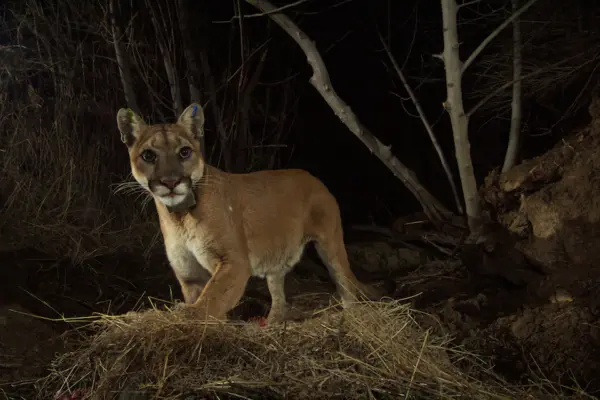
“If you buy into the notion that having biodiversity around you is good for people, then we have to understand enough of the ecology and the biology of the relevant biodiversity in the area to be able to keep it with us,” said H. Bradley Shaffer, distinguished professor in UCLA’s Ecology and Evolutionary Biology department and professor at the Institute of the Environment and Sustainability.

Earth’s magnetic field, which runs between the North and South Poles, is generated by several factors, both above and below the planet’s surface. Decades’ worth of lab research suggests that…