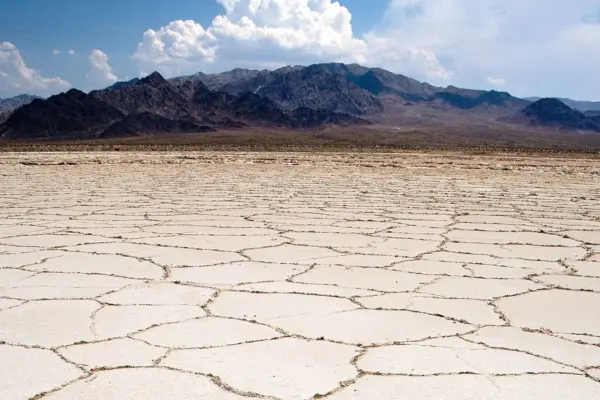
Meteorologists said the West’s megadrought won’t go away until La Nina does. “It’s much less likely that the Southwest will see at least even a partial recovery from the megadrought…
Investors, legislators, and the general public remain in the dark about the sources of carbon-equivalent emissions that are heating up the planet without greater transparency standards like those proposed by…
UCLA cogeneration plant. “You’re basically operating a large jet engine that has been strapped to the ground,” explained Eric Fournier, research director at the California Center for Sustainable Communities within the UCLA Institute of the Environment & Sustainability. An impressive number and diversity of pipes – a description also courtesy of Fournier – line the inside of the facility, as do support structures for seismic stability.
Daniel Swain, a UCLA climate scientist, said while California’s coastal areas may not face extreme heat this summer, places like the Central Valley foothills & Sierra Nevada may experience record…
The world could be facing the worst food crisis since the Second World War. Rising food prices, the global food structure, and food being too expensive for people to buy…
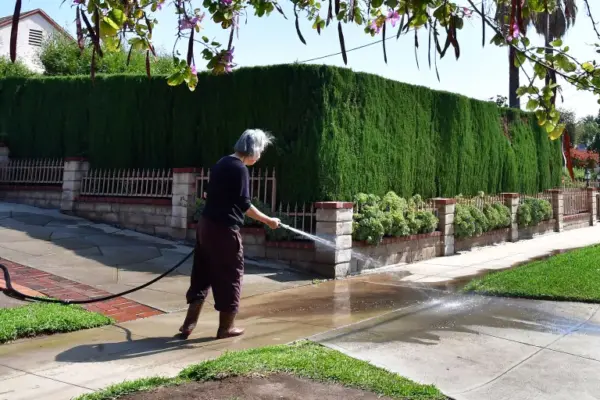
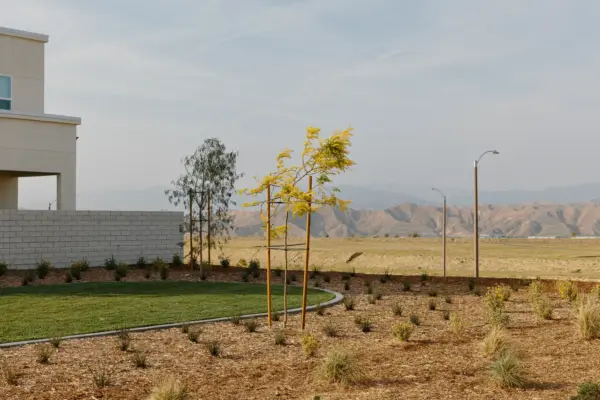
“Lawns do well with about 30 inches of rain a year. Do we get 30 inches of rain a year? I don’t think so,” Pincetl said. Los Angeles receives about half that amount in a typical year.
“So if you want to have water to drink, water to do all the stuff you do inside, bathe your children, do your laundry, using water on a lawn just seems foolish,” Pincetl said.
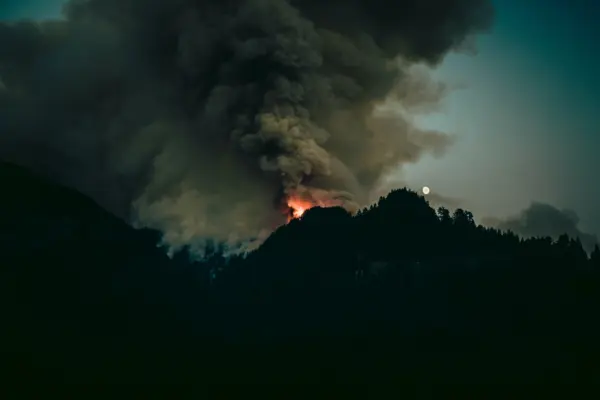
While Southern California prepares for severe drought restrictions, the summer forecasts predict a summer marked by record-breaking temperatures, harsh landscapes, and above-average risk for large wildfires, particularly in the northern…
One downside to the understandable focus on greenhouse-gas mitigation is that more place-specific environmental considerations, including the destruction of traditional landscapes, can get lost. “I think this approach to carbon-dioxide mitigation is a new regime of trying to justify the same kind of development,” Stephanie Pincetl, a professor at U.C.L.A. whose research focusses on land use and the environment, told me. “It’s very clever and extremely insidious because it doesn’t change anything: it doesn’t address structural racism, it doesn’t address affordability, it doesn’t address the climate, it doesn’t address resource impacts, it doesn’t address anything except on paper.”
Eleven UCLA faculty members were elected today to the American Academy of Arts and Sciences, one of the nation’s most prestigious honorary societies including Bradley Shaffer, Distinguished professor of ecology…
“We’re in a very different place now from where we were even just a couple decades ago,” said atmospheric physicist Alex Hall, director of the UCLA Center of Climate Science.
New Southern California drought rules limit outdoor watering to once a week in some areas. “So if you want to have water to drink, water to do all the stuff…
The California Attorney General’s office has sent a subpoena to Exxon Mobil Corp., seeking information about the company’s “historic and ongoing efforts” to reduce public awareness of plastic’s harmful effects.…
Much of the West is now experiencing the driest conditions in 1,200 years. Fires are igniting weeks earlier and lasting longer because the winter snow is melting sooner. That means…
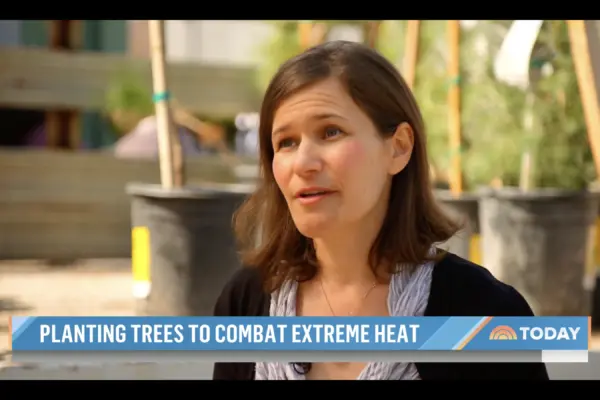
Edith de Guzman, an IoES Ph.D. candidate and director of the Los Angeles Urban Cooling Collaborative, looks at Los Angeles county as a patient suffering from extreme heat. The prescription?…
The “urban heat island effect” creates extra-hot temperatures that kill. But cities can prescribe powerful treatments, like green spaces and reflective roofs. It’s critical to know how heat actually feels…
The fuel isn’t the only thing that will change at the plant. “We know that the coal-fired power plant provides lots of jobs where it is for local residents,” says Stephanie Pincetl, director of the California Center for Sustainable Communities and professor-in-residence at the UCLA Institute of the Environment and Sustainability. “It also pollutes the air. It also uses water, all these issues. A transition to natural gas will continue to generate a fair amount of employment. When you move to renewables, to solar, it doesn’t have that kind of employment benefit. So part of the dilemma for the just transition is the jobs dilemma.”
Most California energy-efficiency incentive programs haven’t resulted in any energy savings, according to recent UCLA research, and many have actually increased energy use. What’s going on? Stephanie Pincetl, a co-author…
As we honor the planet we all rely on this Earth Day, Marilyn Raphael, a world-renowned environmental leader, climate scientist, and head of UCLA’s Institute of the Environment and Sustainability,…
Los Angeles voters are alarmed by deadly heatwaves, destructive wildfires, and dangerous air pollution — and they want politicians to take major steps to reduce the city’s reliance on fossil…
It is important to take actions, such as those described in the study, at the local level, said Edith de Guzman, a co-author of the study and a doctoral student…
Richard Turco, the founding director of the UCLA Institute of the Environment and Sustainability, and his wife, Linda Turco, have pledged $1.5 million to the institute to establish an endowment for the…
“It’s like calorie counting… but for your carbon footprint!” Meet Kyle Graycar, UCLA Environmental Science alum and founder of Decarbon, a free carbon budgeting app designed to help us understand…
“Land is very expensive, and farming is not a high-value product in terms of land use,” said Deepak Rajagopal, a professor at the UCLA Institute of the Environment and Sustainability…
Last month, Washington Gov. Jay Inslee signed a climate change legislative package that included a goal to have every passenger car registered or sold in the state be an electric…