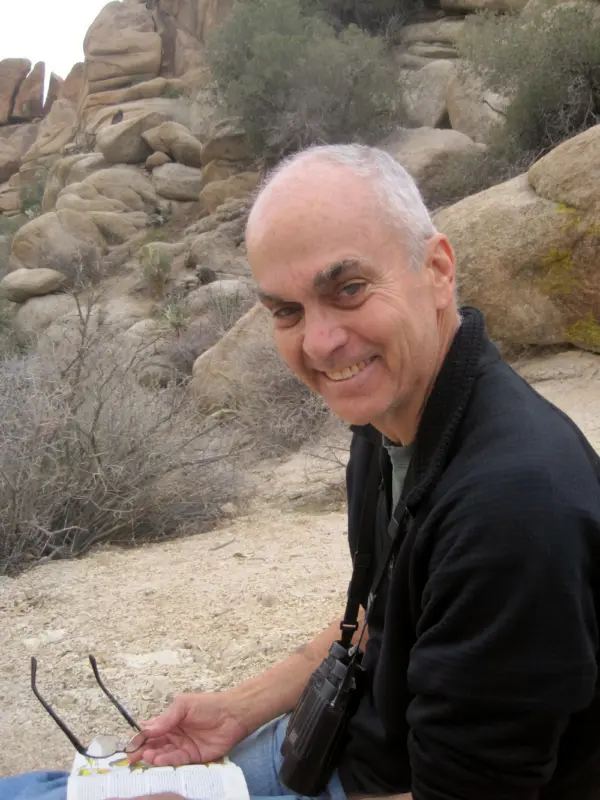
H. Bradley Shaffer
Director, UCLA La Kretz Center for California Conservation Science
Distinguished Professor, Department of Ecology and Evolutionary Biology; Institute of the Environment and Sustainability
Education
1982 – PhD – University of Chicago – Evolutionary Biology
1976 – BS – University of California, Berkeley – Zoology
Research Interests
Brad is a Distinguished Professor in the Institute of the Environment and Sustainability and the Department of Ecology and Evolutionary Biology at UCLA, where he has been on the faculty since 2011. Before that, he was briefly on the faculty at UC Irvine (1985-87) followed by over two decades as a faculty member in the Department of Evolution and Ecology at UC Davis (1987-2011).
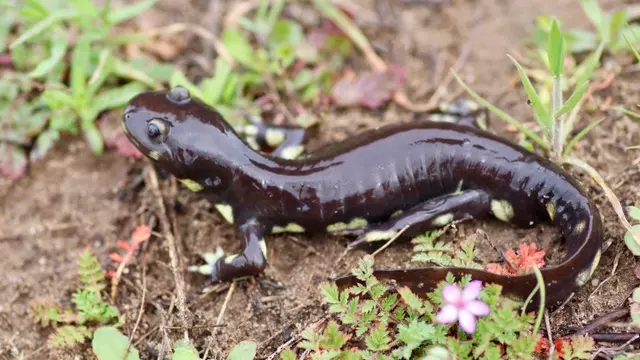
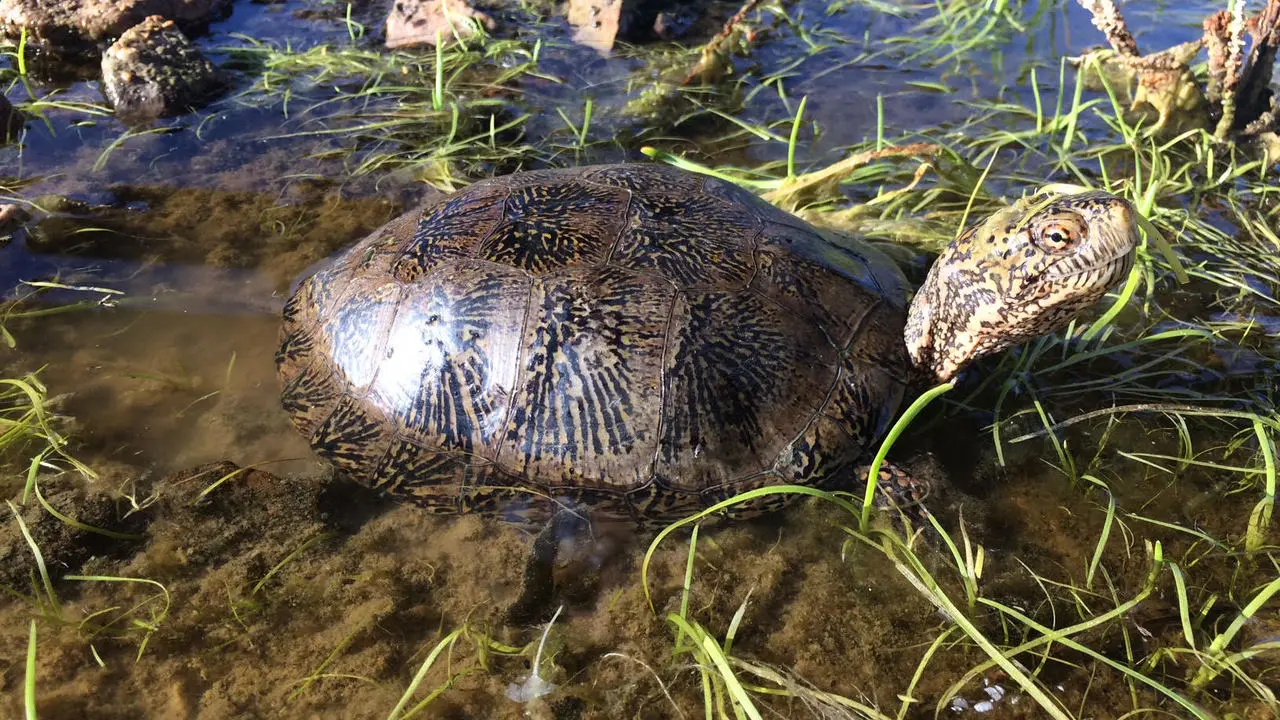
The Shaffer lab is a group of conservation biologists applying evolutionary and ecological theory to the solution of real-world problems at the interface of basic and applied science. Research in the lab tends to focus on amphibians and reptiles, and a fondness for these animals—combined with a fundamental respect for natural history and field biology—are among the strongest themes unifying the group. Shaffer and his lab members have worked for decades on the federally and state listed California tiger salamander, Ambystoma californiense, including genomic analyses of a unique case of hybridization between introduced and native tiger salamanders that has as much to say about mechanisms of speciation as it does conservation biology. They are also one of the primary labs in the world using genomic techniques to better understand the evolutionary history and conservation status of the world’s turtles and tortoises. These animals are among the most endangered on earth, and the lab works with both government and non-governmental organizations to identify at-risk species and prevent further extinctions of wild populations.
Building strong collaborative research networks with local, state, and federal resource agencies is a key component of work in the lab. The California Conservation Genomics Project (CCGP) is a massive, multi-species effort to add genetic health assessments to California’s conservation mission, while the Atlas of Turtle Genomes for Conservation (ATGC) is an equally ambitious effort to use the power of genomics to determine where poached turtles should be re-released while simultaneously identifying hotspots of poaching for law enforcement. Brad is the Founding Director of the UCLA/La Kretz Center for California Conservation Science, the Director of the UCLA Stunt Ranch Reserve, and the faculty liaison to the cross-campus UC Nature system.