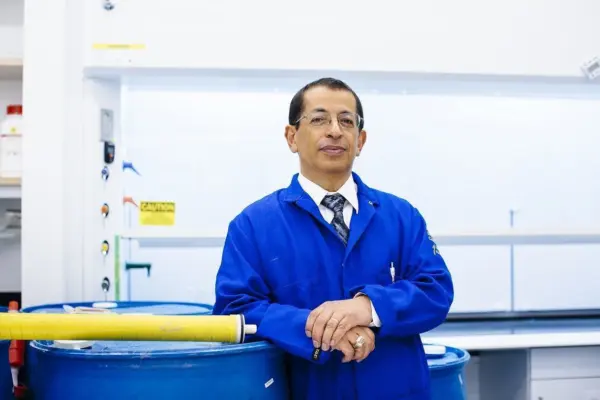
Bringing cities together for a greener future
Luckily, they also have Yoram Cohen in common. Cohen is a UCLA professor of chemical engineering who takes a global approach to sustainability. Last year, while participating in a conference…

Luckily, they also have Yoram Cohen in common. Cohen is a UCLA professor of chemical engineering who takes a global approach to sustainability. Last year, while participating in a conference…
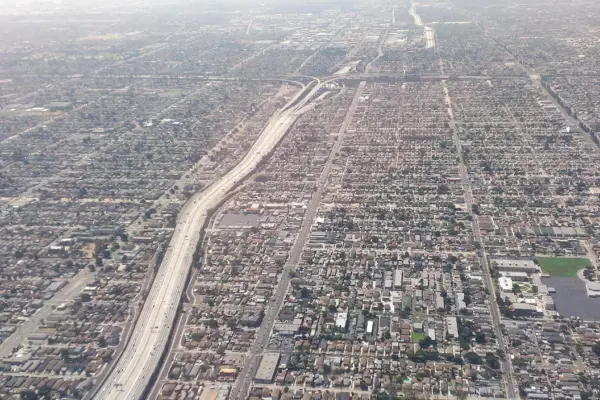
Ten years later, most of that money has been spent. But although the measure prioritized funding for urban, disadvantaged and park-poor communities, residents in those places have seen less than…
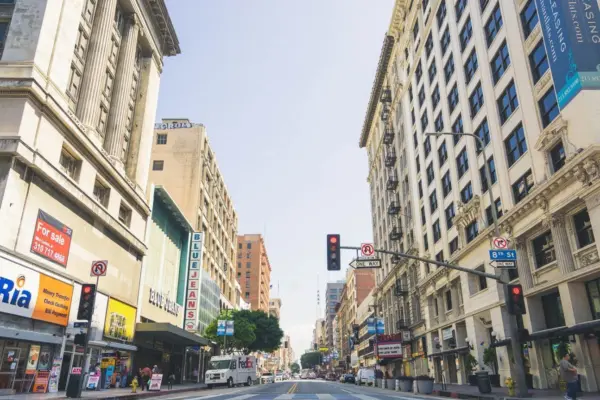
L.A. has made progress over the years. The notorious smog that led filmmaker John Waters to remark, “Only in L.A. will you glimpse a green sun or a brown moon,”…
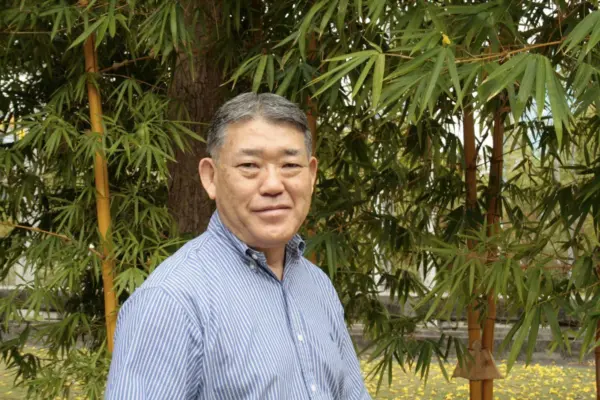
Today, Kawaoka is the deputy director of environmental health for Hawaii. His responsibilities include sanitation, air and water protection, food and drug safety, toxic cleanup and vector-borne diseases. There’s a…

On Tuesday, a different side of the debate took stage. Four scholars from across the country gathered at UCLA to discuss GMO foods. The event was the latest installment of…

The first Earth Day was covered for ten hours by The Today Show in 1970—a time when there was no cable television and network coverage meant a lot more than…

A few weeks ago, we told you the story of UCLA Senior Practicum students who braved wind, high surf and chilly waters to protect marine life. El Niño tossed them…

On Tuesday, April 19, four experts will debate the environmental, social and health impacts of GMO foods. Are they a solution to global health and food security crises? Or do…
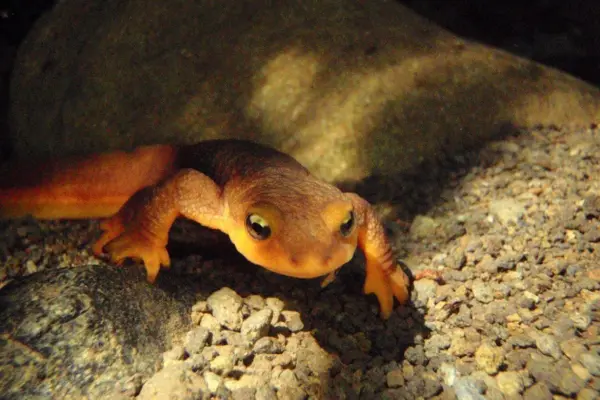
In the southern part of the state, the California newt—Taricha torosa—has been showing up at breeding grounds nearly 20 percent underweight, on average. The drastic change has evolutionary biologist Gary…

Daniel Swain elevates weather talk to the stratosphere. He’s a Ph.D student studying atmospheric patterns and extreme weather at Stanford University. He’s also the creator of the California Weather Blog,…

The stories of one famous tree—Methuselah, a 4,847 year-old California bristlecone pine—are the inspiration behind “Memory Rings,” an environmentally-themed play that will be staged next weekend by UCLA’s Center for…
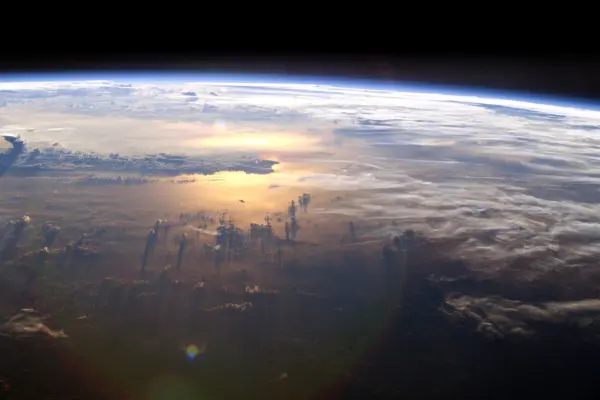
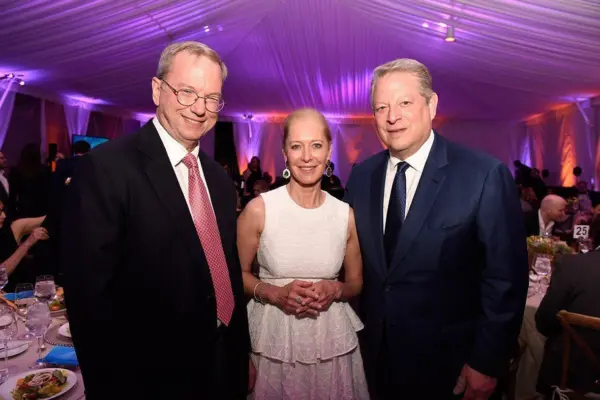
But taking environmental issues to a global audience requires time, money and personal energy. At its annual gala last Thursday, UCLA Institute of the Environment and Sustainability honored individuals who’ve…

The crisis is taught in classrooms with phrases such as “species are being lost at one hundred times the background rate.” But concepts like background rate—the rate at which species…
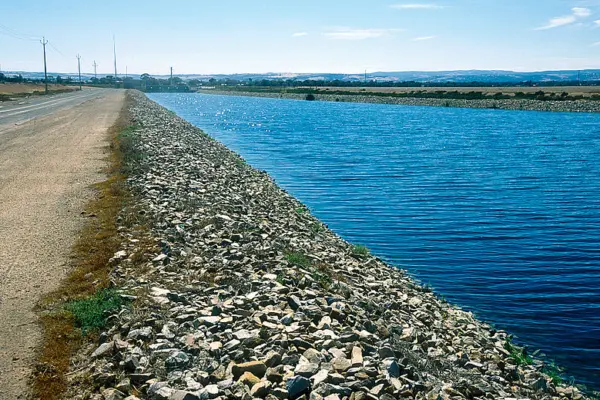
For decades, recycling has been a focal point for environmentalists. And yet California—a state known for its progressive, earth-friendly ethos—has been slow to recycle an important and scarce resource: water.…
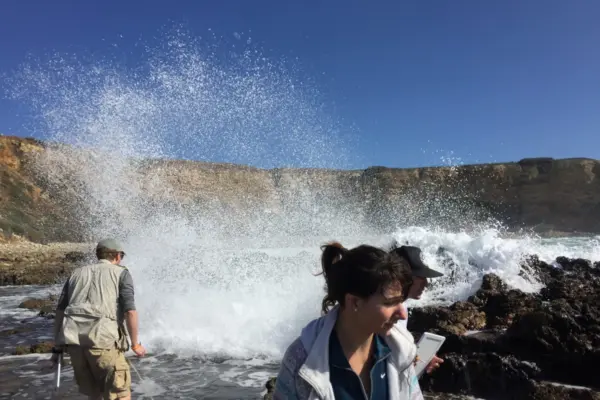
Time was of the essence, but they weren’t rushing to a music festival or spring break in Mexico—they just didn’t want to miss low tide. It’s a routine that Denita…

New research shows that reusing waste water comes with net health benefits.
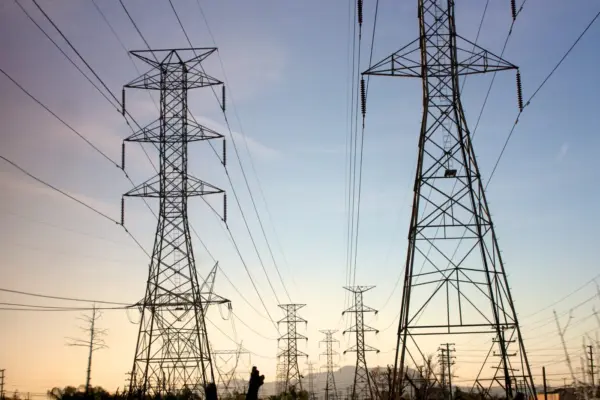
The Los Angeles County Energy Atlas is an interactive map that combines utility data, census information and details about buildings—their age, size and whether they’re used for residential or commercial…

It was more than 16 million years ago, so times were different. But there was one important similarity with the world we live in today: The air contained about the…
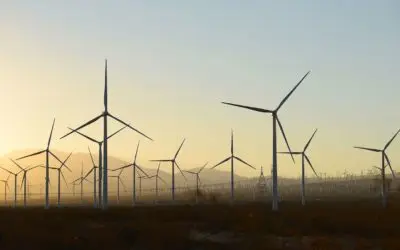
In front of a sold out crowd at UCLA, four experts debated the future of energy and the environment at Powering Earth 2050: Is California’s 100% Renewable Strategy Globally Viable?…
At tonight’s Oppenheim lecture—live streamed here at 7 p.m.—a panel of four experts will debate California’s plan to move to 100 percent renewable energy, and whether the strategy could work…

Largest study yet of plant species shifting with climate change finds ecosystems unraveling in California

Alumni Profile: Natalie Ma, B.S., 2010 and Yale University, Biological and Biomedical Sciences doctoral program
UCLA Newsroom recently asked La Kretz Center Director Brad Shaffer about why climate change makes it even more urgent to strengthen citizen science programs and connect them to established scientific networks.