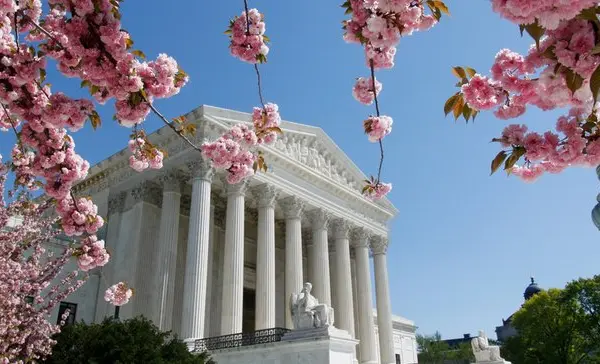
"[Kavanaugh] tends to be very stingy and cramped in interpreting agency rulemaking authority," said Cara Horowitz, co-director of the UCLA Environmental Law Clinic in Utility Dive about the new Supreme Court nominee, Judge Brett Kavanaugh.
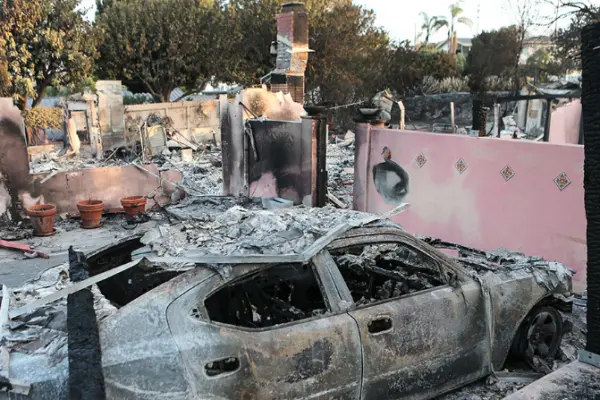
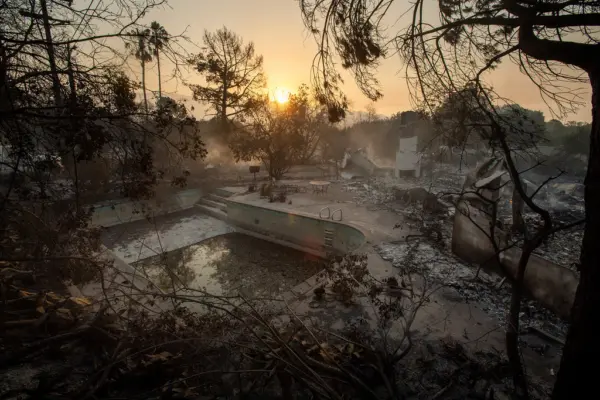
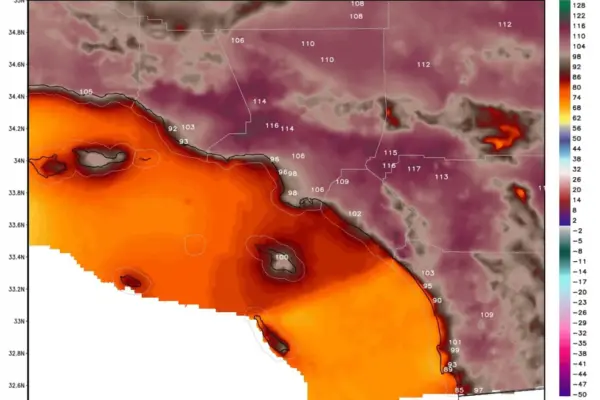
The heat wave hit California in July, breaking temperature records and leaving areas in a blaze. "The overall trend over decades to more intense and more frequent heat waves is definitely a signal of global warming," said UCLA's climate scientist Daniel Swain.
"Heat waves in recent years have become more intense, a consequence of global warming", Daniel Swain, UCLA climate scientist said in the New York Times, "raising the possibility of ever-deadlier fire seasons."
“The extreme heat and localized strong offshore winds along the SoCal coastal plain will clearly lead to major fire weather concerns Friday-Saturday [7/6/18-7/7/18],” UCLA climate scientist, Daniel Swain said. “This will be of particular concern given the high degree of ongoing large fire activity in NorCal and subsequent drawdown of firefighting resources, likely fueled in part by our dry winter and the legacy of long-term drought.”
Daniel Swain's blog post featured in Washington Post article: "The clockwise circulation around the heat dome and resulting offshore winds will force air down mountain slopes adjacent to coastal areas, compressing and heating the air. 'This will likely be a high-impact and memorable heat event.'”
"You see a storm year like [2016] and you see all the water that ends up going through the L.A. River and Ballona Creek and Dominguez Channel, and you say, 'Wow. That could have been our water supply for the next year,'" said Mark Gold of the UCLA Institute of the Environment and Sustainability.
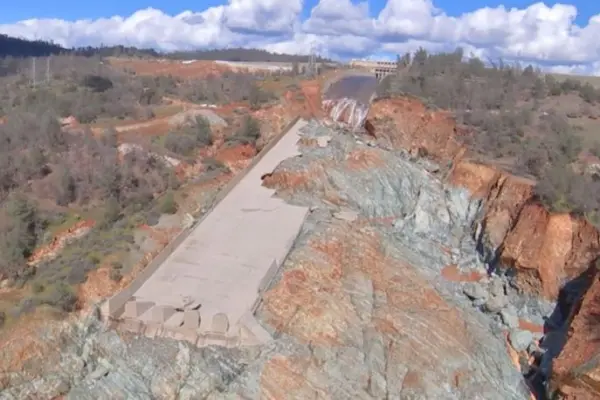
A study led by UCLA IoES Center for Climate Science postdoc Xingying Huang finds that climate change has already contributed to greater wintertime runoff in the Sierra Nevada, and that flood risk climbs in the future. "Our big dams were designed to capture smaller floods than what we expect in the future," said colleague Daniel Swain in Weather Channel. "...these structures were built for a climate that we no longer have."
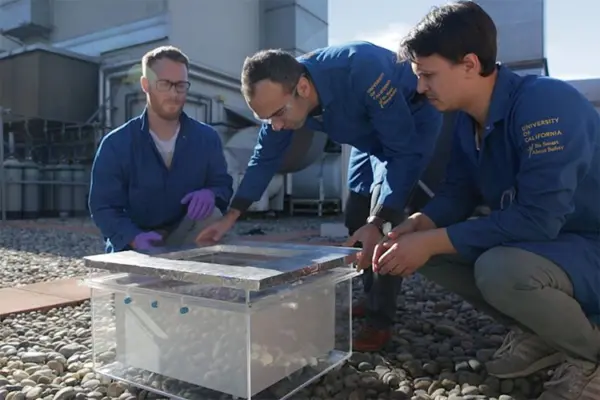
"The idea of sucking water out of the atmosphere is not new", says Eric Hoek in the Smithsonian. “The real innovation [of Yaghi's research] is a materials innovation... These materials pull water out and more easily give it up."
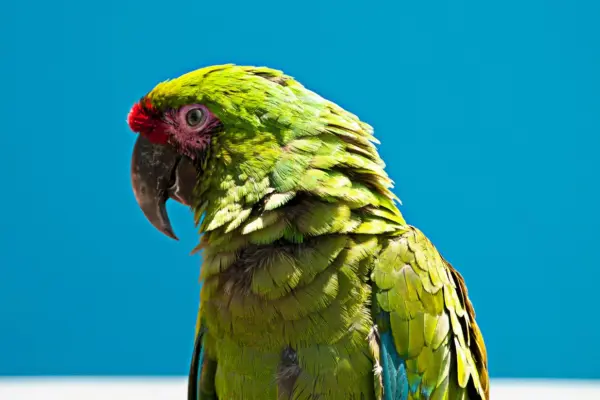
"Parrots are not uncommon around Los Angeles. More than a dozen different species have established wild populations in the area, descendants of pet birds that escaped at some point and managed to make a home for themselves in some part of the sprawling metropolis," Ursula Heise writes in Elemental.
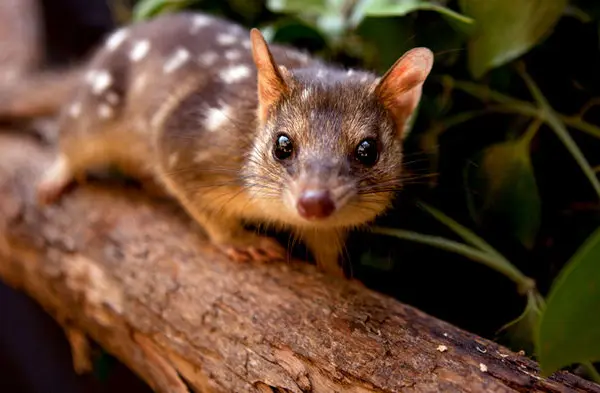
Brad Shaffer, a biology professor at the University of California, Los Angeles, notes that cities not only destroy habitat, but also create new living spaces for animals and plants. (Wired)
Published as part of an environmental storytelling partnership with the Laboratory for Environmental Narrative Strategies (LENS) at UCLA, with extensive contributions from faculty and MFA students in UCLA’s documentary film program in…
José González is the founder of Latino Outdoors and Pritzker nominee. He is an experienced educator as well as a K-12 public education teacher, environmental education advisor, outdoor education instructor…
“This proposal is an extraordinary repudiation of sensible climate policies, an assault on California’s environmental leadership, and another gift to the fossil fuel industry,” Ann Carlson told Bloomberg.
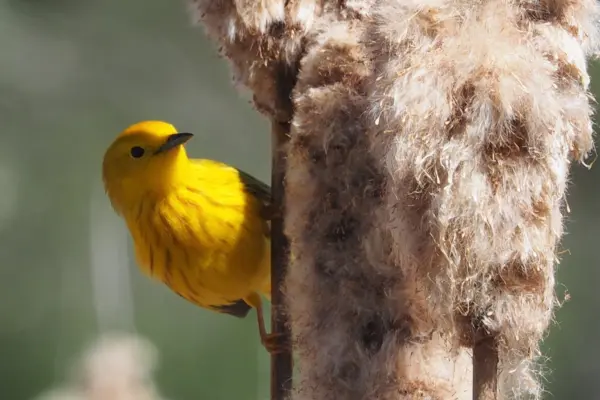
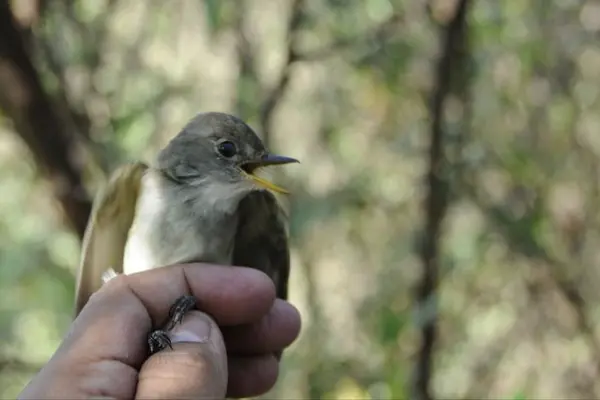
Rachael Bay, UCLA postdoctoral fellow, discussed her work reading the DNA of yellow warblers wth the Bird Genoscape Project. They found that precipitation was the most strongly correlated with genetic…
The companies “want to scare people into thinking this is going to be this dramatic problem for the real estate community and maybe tenants, and it’s hard for me to…
“Rather than considering average precipitation, as most previous studies have, we instead focused on wet and dry precipitation extremes specifically using a large ensemble of climate model simulations,” Daniel Swain,…
“It’s hard to know what’s going to happen with the suits,” stated Sean Hecht, co-director of UCLA Law’s Emmett Institute on Climate Change and the Environment and IoES faculty member to…
Total rainfall might not change much averaged across these sharp shifts between very dry and very wet years, but “it doesn’t just wash out in the end,” said Daniel Swain to MIT Technology Review.
The latest KCET Earth Focus episode features Jon Christensen (IoES adjunct assistant professor, UCLA Laboratory for Environmental Narrative Strategies co-founder) and Yoram Cohen (IoES faculty member, Department of Chemical and Biomolecular Engineering professor) of UCLA.
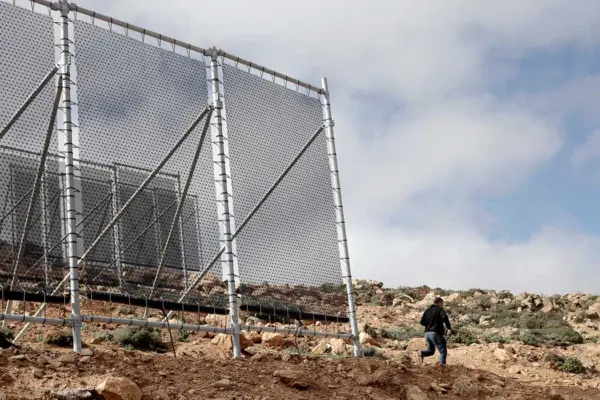
“The climates in Southwest Morocco and California are somewhat similar, and there is a possibility to use the fog making technology in California but on a smaller scale,” Daniel Swain,…
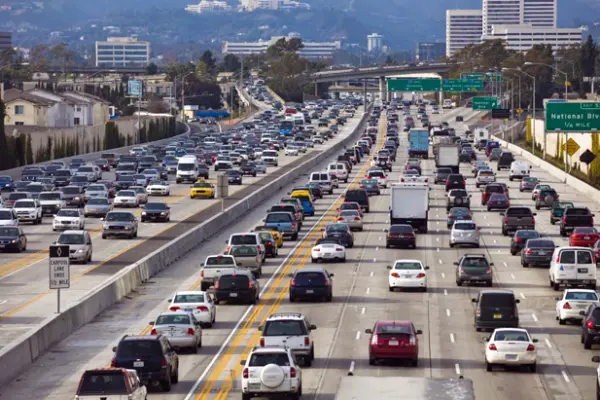
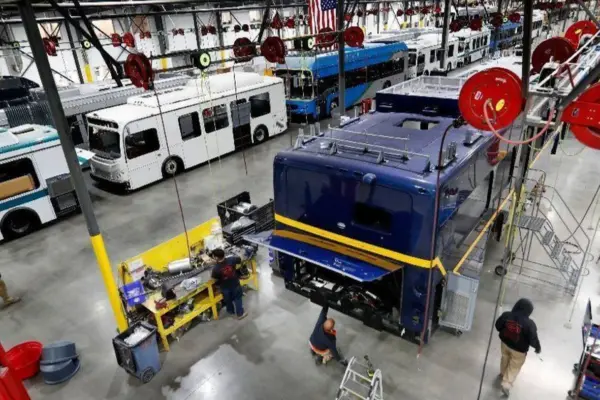
Rajit Gadh, director of the Smart Grid Energy Research Center at UCLA and faculty member at IoES explained electric vehicle battery power loss and power drains to the Los Angeles Times.